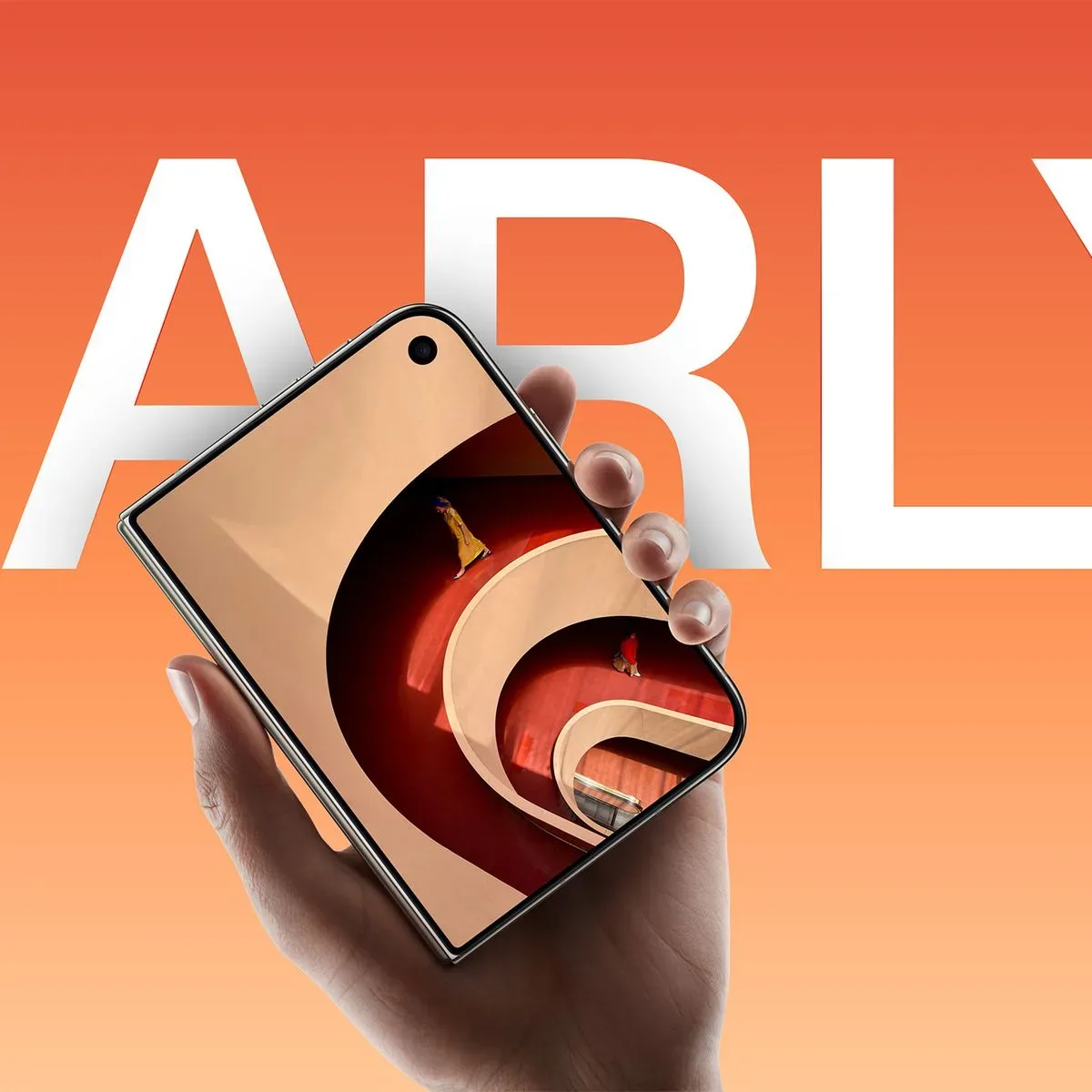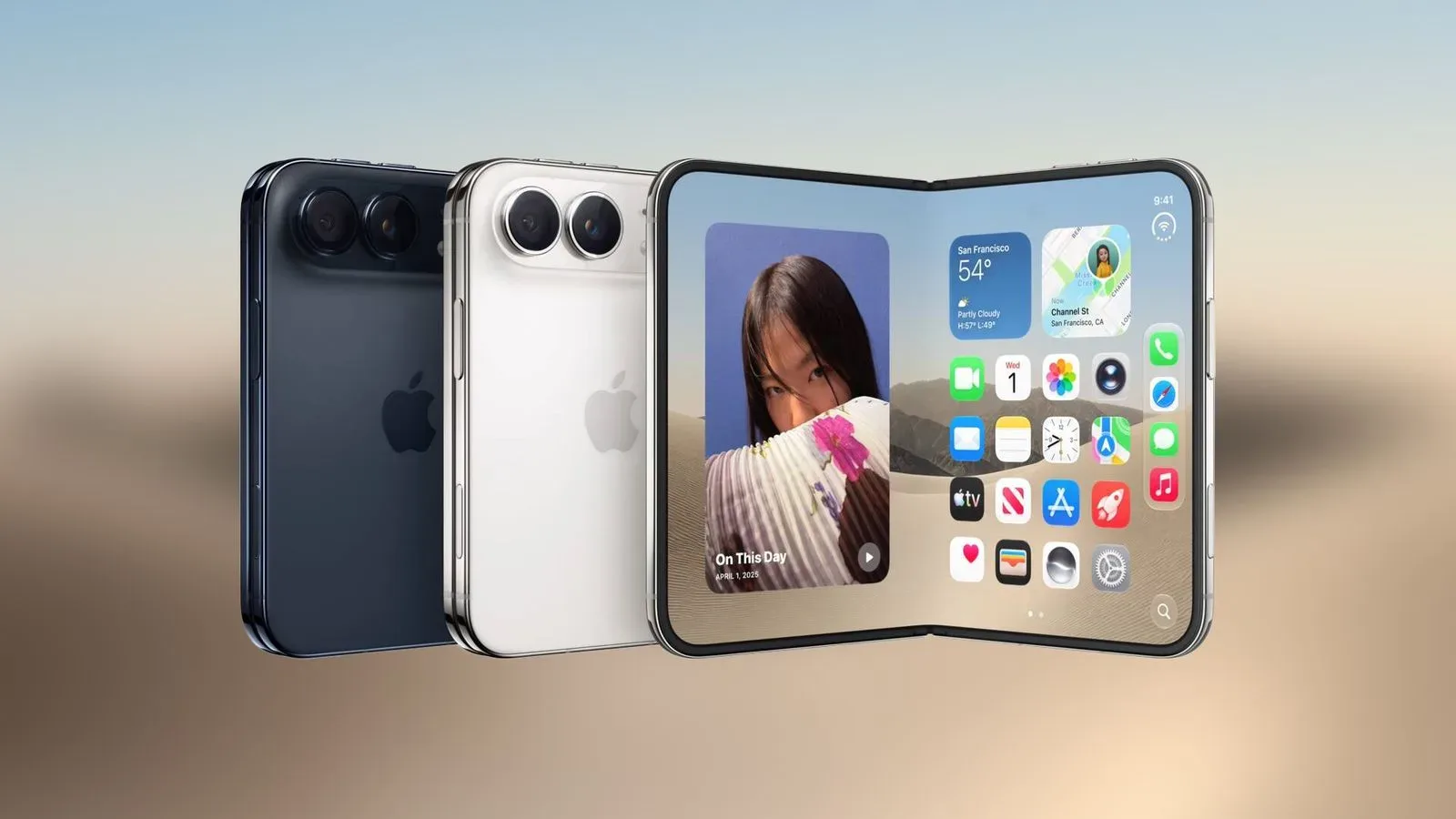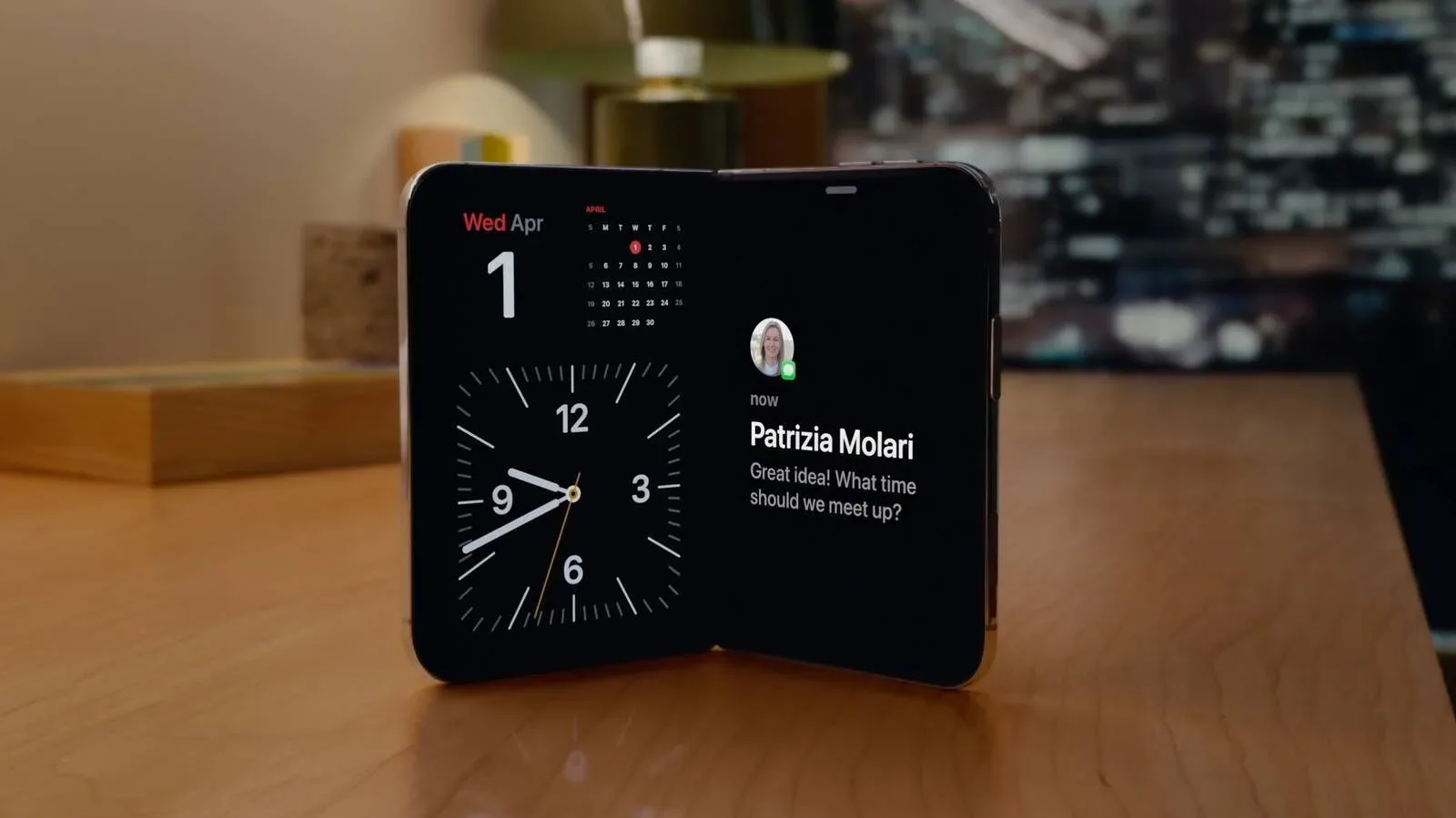
Some people who preordered Apple’s iPhone Duo are finding that the wait has become a little shorter. Delivery estimates for a portion of early orders have moved forward in the U.S. and Japan, with several customers reporting revised windows that shift shipments from December into November.
The change matters because the iPhone Duo’s initial preorder rush quickly produced long waits for customers placing new orders. Within 30 minutes of preorders opening Friday, newly placed orders on Apple’s online store were being given shipping estimates as late as January 25. Apple later described demand for the device as “nothing short of extraordinary.”
That does not mean every preorder has been accelerated, nor does it establish that all configurations are becoming easier to obtain. What it does show is that delivery estimates are not necessarily fixed after checkout. For buyers staring at a December or January window, the order-status page is worth checking again before assuming the original date is final.
Reported changes range from days to weeks
One U.S. customer, YouTuber Matt Gonzalez, said a Star White iPhone Duo with 512GB of storage originally carried a December delivery projection. The online-store estimate later changed to November 20 through November 30.
Other U.S. customers have reported similarly substantial adjustments. In one example, orders initially expected between December 1 and December 8 were updated to November 16 through November 23. Those windows are estimates rather than guaranteed arrival dates, but they represent a move of multiple weeks for the affected customers.
Reports of earlier estimates have also surfaced in Japan. The available information supports a pattern across more than one market, but it does not provide a complete model-by-model, storage-by-storage, or country-by-country picture. A revised date for one version of the iPhone Duo should therefore not be read as proof that another finish, capacity, or region will receive the same treatment.
What an earlier shipping estimate actually means
A delivery estimate is the retailer’s best available projection of when a specific order can be fulfilled and transported to its buyer. It is not the same thing as a public declaration that there is suddenly broad, immediate stock. At a major product launch, such estimates can change as the company refines its view of inventory, incoming supply, order processing, shipping capacity, and the exact mix of models customers selected.
In plain terms, an earlier estimate can reflect several ordinary operational changes. Apple may have a clearer count of units allocated to a particular configuration, may be able to match inventory to orders more efficiently, or may have found that a previous estimate left extra room for uncertainty. Some buyers may also have canceled or altered orders, allowing later capacity to be reassigned. The reported updates alone do not identify which of these possibilities is responsible.
That distinction is important. “Moved up” is about the forecast attached to an individual order. It is not automatically evidence of a production increase, a demand decline, or a universal improvement in availability. The iPhone Duo’s rapid move to January 25 estimates for newly placed orders remains a useful reminder that interest was strong at the start of preorders, while the newer reports show that launch logistics can be more fluid than that first snapshot suggests.
Launch day and delivery day are different milestones
The iPhone Duo is scheduled to launch Friday, October 23. Launch day is the official start of the product’s availability, but it does not mean every preorder will arrive that day. Customers are assigned delivery windows based on their order and its anticipated fulfillment path, so the gap between the October 23 launch and a November or December delivery estimate can be significant.
For people whose estimates have moved into November, the practical difference is straightforward: their expected wait is shorter than it was at checkout. It does not indicate an October 23 delivery unless Apple’s order page explicitly says so. Buyers should use the latest window displayed on their own order as the meaningful reference point, rather than another customer’s revised schedule.
That is especially relevant for a product offered in different colors and storage capacities. Gonzalez’s reported improvement applies to a Star White, 512GB model; it is a useful data point, but it cannot settle availability for other configurations. The same caution applies across countries, where fulfillment timelines can follow different patterns.
What preorder customers should do now
There is no indication that customers need to take special action to receive an improved estimate. The changes described are updates visible through Apple’s online store. The most sensible approach is to monitor the existing order rather than cancel it purely because an old delivery range looked discouraging.
- Check the order page periodically: The current estimate may differ from the one shown when the preorder was placed.
- Read the whole date range: A window such as November 16 through November 23 gives a span, not one promised delivery date.
- Keep configuration in mind: Color and storage choices can affect fulfillment timing, so another buyer’s update is not a guarantee for your order.
- Avoid treating anecdotal reports as inventory data: A handful of upgraded dates confirms movement for some orders, but not broad availability for every shopper.
- Do not assume an estimate cannot change again: A revised window is a better current projection, not an immutable commitment.
The evolving delivery picture is familiar to anyone following highly anticipated consumer hardware. Attention can concentrate on the launch product itself, while the less visible work of matching configurations, orders, and delivery capacity determines who receives one first. The same broader interest in how modern devices fit into established hardware ecosystems is visible in the ongoing debate around modern console hardware and compatibility, even though Apple’s preorder schedule is a separate issue.
What the current evidence supports—and what it doesn’t
There are two firm takeaways. First, some iPhone Duo buyers whose projected deliveries were in December are now seeing November estimates. Second, the device’s early preorder period saw new-order estimates pushed as far out as January 25, following exceptionally strong demand in Apple’s own characterization.
Beyond that, restraint is warranted. The reported estimate shifts do not reveal total iPhone Duo supply, sales volume, manufacturing output, or the number of affected orders. They also do not establish a timetable for when a shopper placing a new order today might receive a device. An order-status update is valuable news for the buyer who receives it, but it is only one piece of a much larger fulfillment picture.
For now, the clearest reading is also the simplest: Apple’s delivery system is revising some iPhone Duo preorders earlier than initially expected ahead of the October 23 launch. Customers with long initial waits have a reason to look at their order status again, while customers without an update should avoid reading too much into reports tied to different regions or configurations.