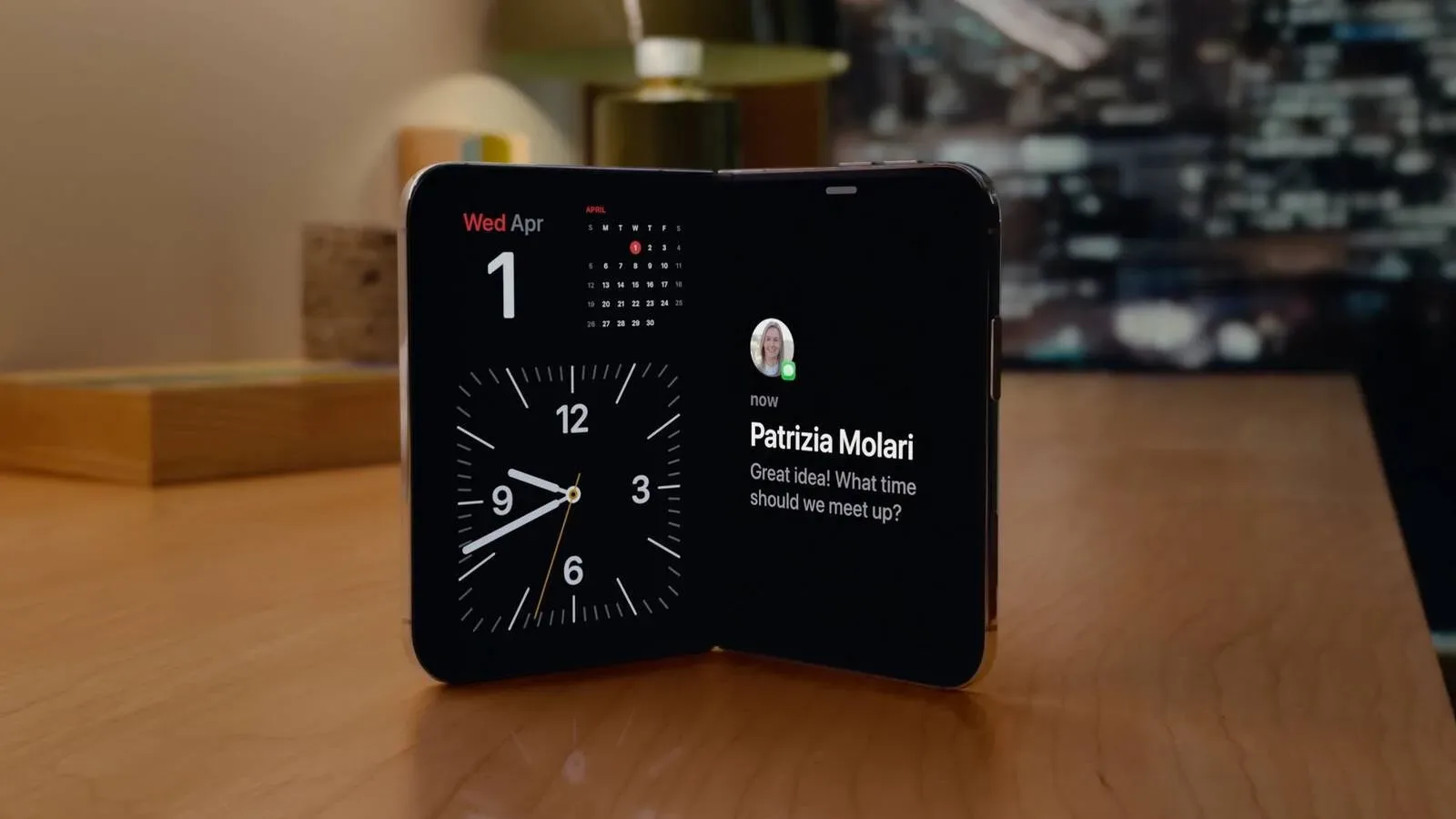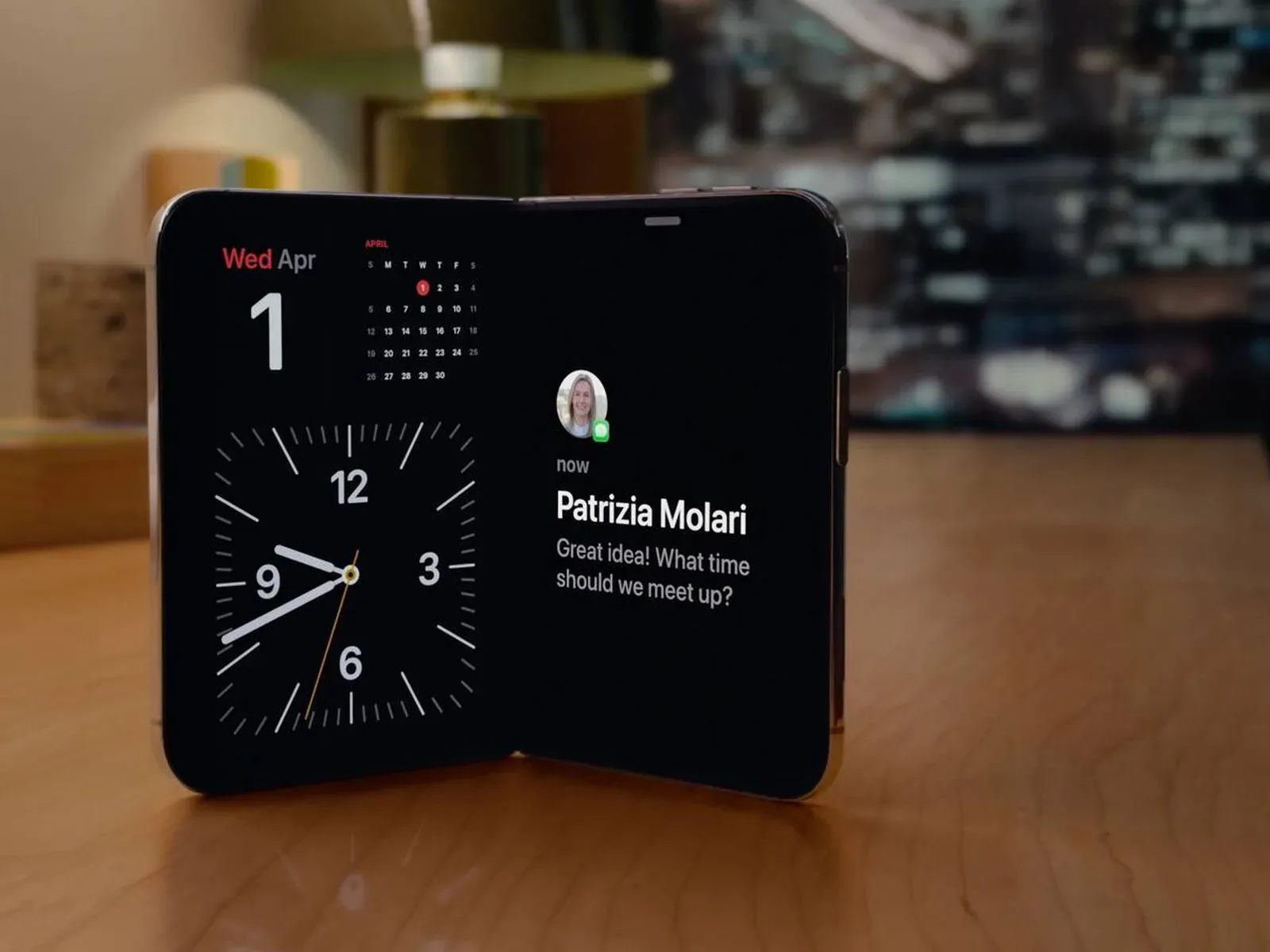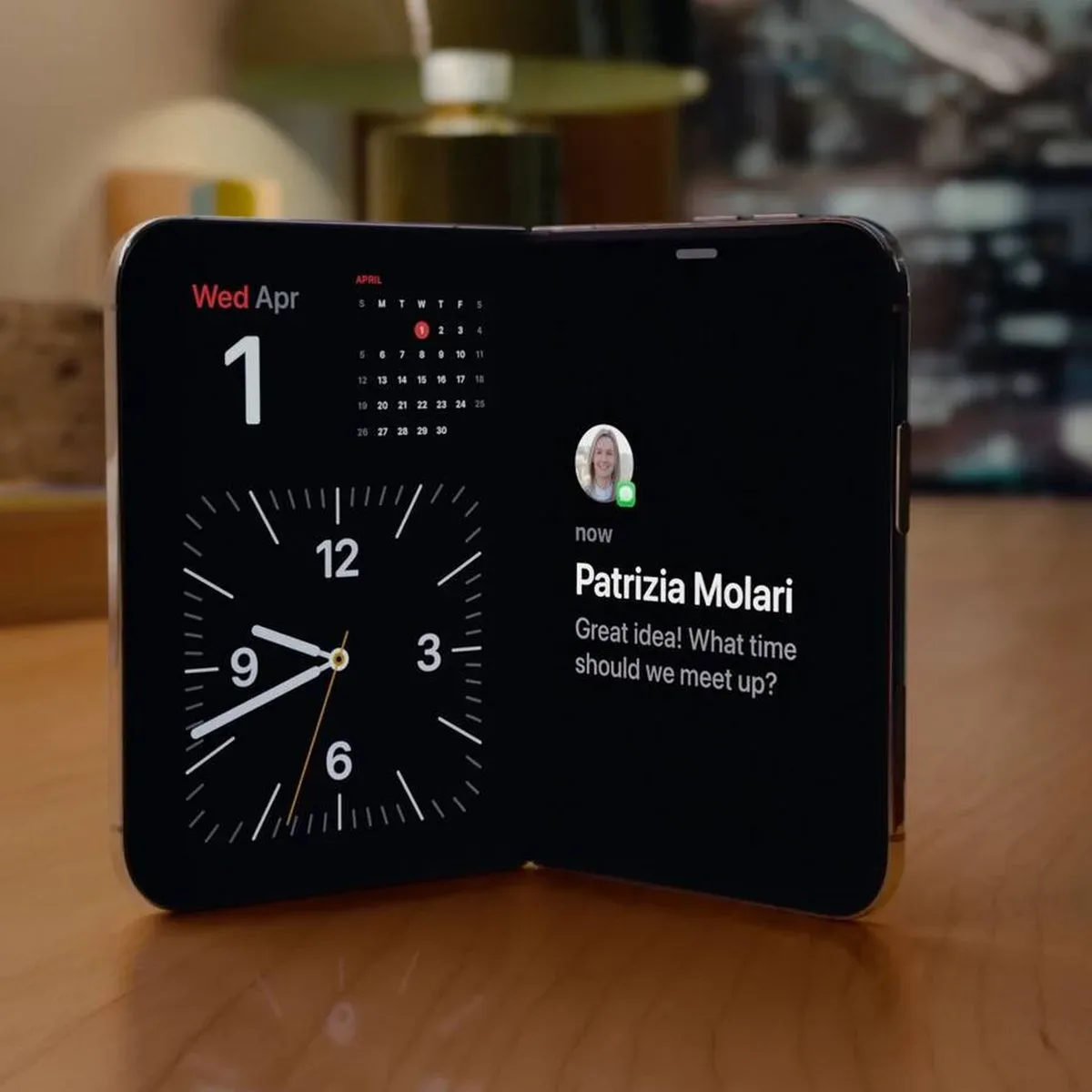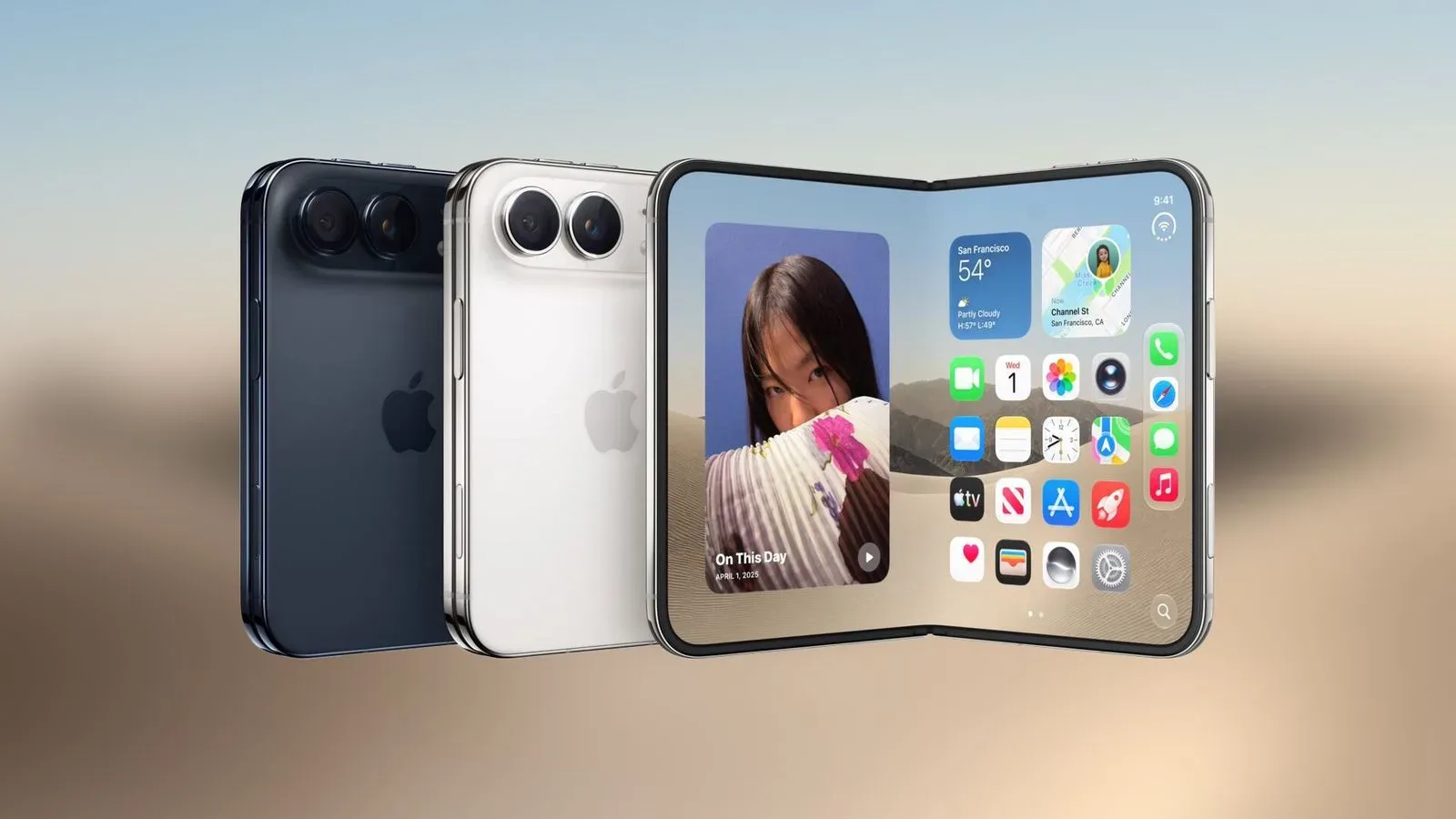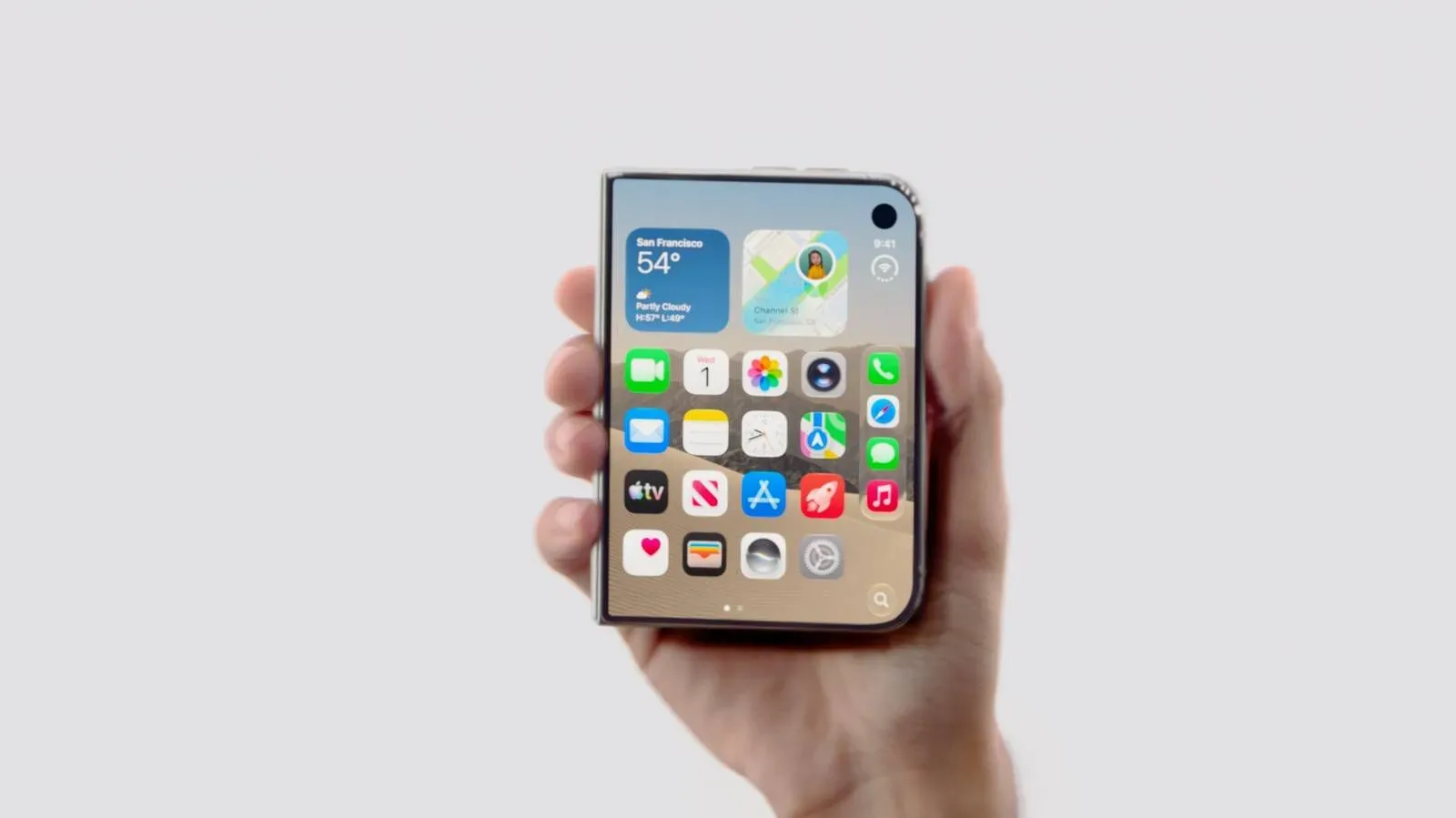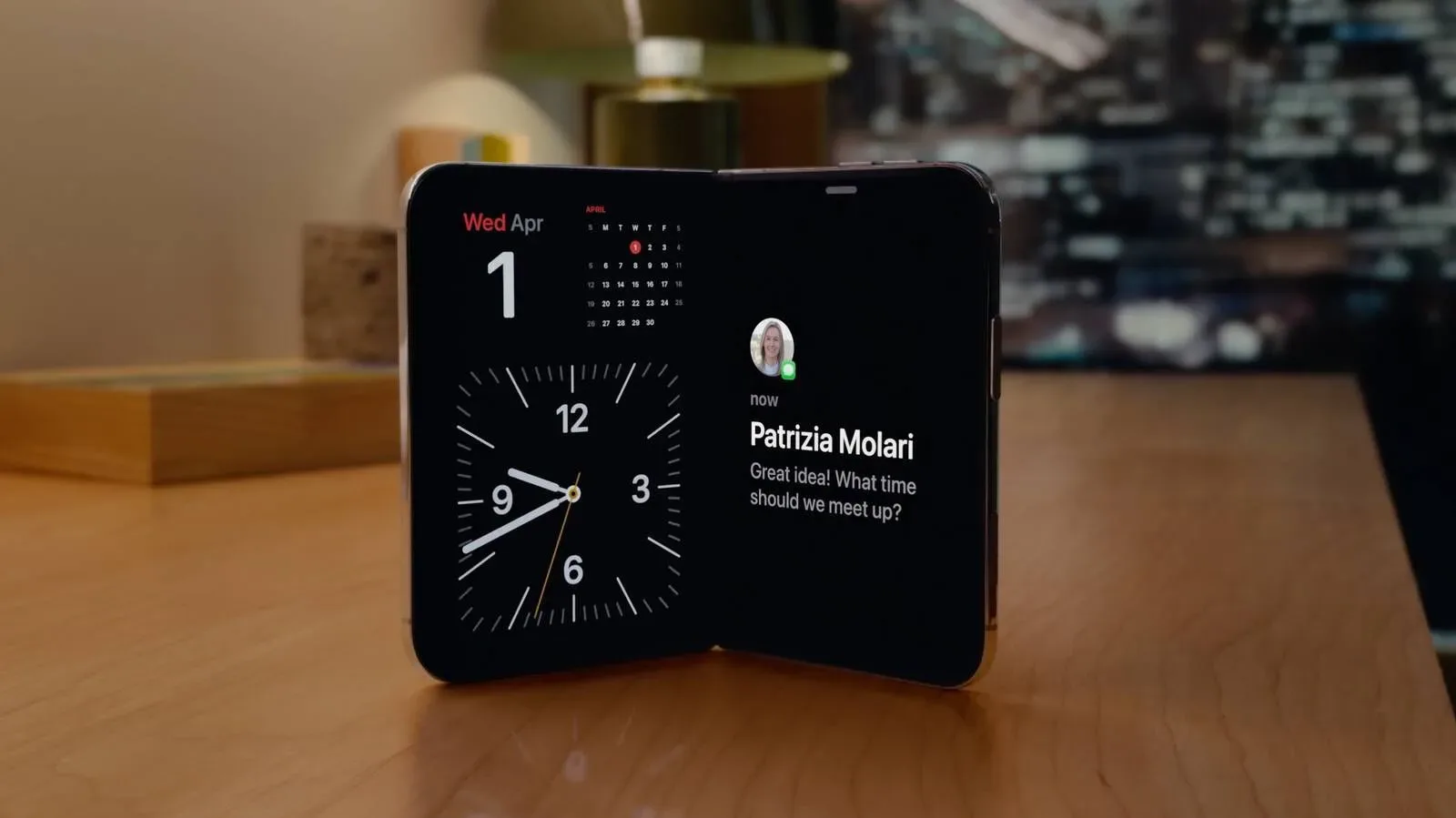
The iPhone Duo launch is shaping up less like a casual release-day stop and more like a boss fight with no respawn point. Apple retail employees have reportedly been advised to warn customers that walk-in availability on Friday, October 23, will likely be extremely limited or nonexistent at the stores affected.
For prospective buyers, the important distinction is simple: a launch date is not the same thing as guaranteed retail stock. The iPhone Duo is scheduled to begin reaching customers with pre-orders on October 23, but shoppers who have not reserved one should not assume they can walk into an Apple Store that day and leave with the $1,999 device.
What staff guidance means for launch-day shoppers
Retail staff have reportedly been instructed to discourage customers without a pre-order from visiting solely to buy an iPhone Duo on launch day. The message appears designed to manage expectations rather than promise that every store will have zero units. Apple has not publicly said whether any individual stores will carry walk-in stock on October 23.
That uncertainty matters. A report that stores are likely to have no stock is not equivalent to a confirmed worldwide policy. It is unclear how broadly the guidance applies, how firm it is at each retail location, or whether a small number of units could appear at some stores. But it is a meaningful warning for anyone considering a long trip, an early queue, or a day off work in the hope of buying one without an existing order.
In ordinary retail language, walk-in inventory means products available for customers who arrive without a reservation, pickup order, or pre-order. It is separate from stock allocated to people who already have pickup appointments or delivery orders. When supply is constrained, stores may receive units primarily to fulfill existing commitments, leaving little flexibility for spontaneous purchases.
Online pickup has not offered an easy workaround
Apple’s online store directs customers to check again on Saturday, October 24, for pickup availability. That wording should be read cautiously. It signals that pickup status may be revisited after launch day; it does not guarantee that iPhone Duo inventory will become available then.
Pickup reservations were briefly offered when pre-orders began, before that option was disabled. For buyers, this removes what might otherwise have been the cleanest middle ground between a delivery order and taking a chance in a physical store: reserve a specific device online, then collect it at a chosen location.
The practical takeaway is not that pickup will never return. It is that there is currently no basis to treat October 24 as a restock date. Shoppers should check the official store flow directly rather than interpreting the date as a promise of supply.
The pre-order timeline shows how quickly the queue formed
The shortage was visible almost immediately when iPhone Duo pre-orders opened. Delivery estimates reportedly moved past launch day within minutes. Within 30 minutes, every configuration in the U.S. online store displayed a January 25 shipping estimate.
That is a striking gap. Someone who secured an early order could be scheduled for an October 23 delivery, while someone ordering shortly afterward could face a wait extending beyond the Christmas period. In effect, Apple’s online store is presenting the iPhone Duo as unavailable for Christmas delivery at the time of this report.
Delivery estimate is the retailer’s expected dispatch or arrival window for a new order. It is not a direct measurement of total demand, and it can change if production improves or inventory is reallocated. Still, a rapid shift from launch-day delivery to late-January shipping is a strong consumer-facing sign that early supply is limited relative to the orders being placed.
Apple has characterized demand as “nothing short of extraordinary” and said it is working to get devices to customers as quickly as possible. That statement recognizes the order pressure, but it does not add a timetable for broader availability or clarify walk-in allocations at Apple Stores.
Why the shortage was anticipated
Signals of a restricted launch emerged before the iPhone Duo was announced. In late August, production was reported to be only a few hundred devices per day. Further production problems were reported in late September. Earlier in October, there was also reporting that Apple had at one stage considered moving the start of sales to November because of manufacturing constraints.
Instead, Apple assembled enough inventory to maintain an October 23 launch. That decision appears to have preserved the date without eliminating the underlying supply problem. Put plainly: the company seemingly reached the minimum inventory needed to begin sales, not the amount needed to make the product easy to obtain.
Production constraint is a limit on how many finished products can be made and prepared for sale in a given period. The constraint can arise at many points in the chain: component supply, assembly capacity, quality-control issues, or logistics. The available information establishes that iPhone Duo production faced problems and remained limited, but it does not establish which specific component or manufacturing step is chiefly responsible.
That distinction is worth keeping intact. A constrained launch does not, by itself, tell consumers whether the product is unusually difficult to build, whether a supplier fell behind, or how quickly capacity will increase. Those would require details that have not been provided publicly.
What buyers can reasonably do now
For anyone who does not already have an iPhone Duo pre-order, the evidence supports a cautious approach:
- Do not treat an October 23 store visit as a reliable purchase plan. Staff guidance indicates that people arriving without pre-orders may be disappointed.
- Check pickup availability directly on or after October 24. The date is an invitation to check, not a confirmation that devices will be ready.
- Expect changing estimates. A January 25 online shipping date reflects the current order queue and supply outlook, not necessarily an immutable final delivery date.
- Separate confirmed information from launch-day speculation. Apple has confirmed the starting U.S. price of $1,999 and the October 23 first deliveries, but has not publicly confirmed store-by-store walk-in inventory.
This is also a useful reminder that “sold out” can mean different things in a major product launch. The iPhone Duo is not necessarily absent from every retail location; rather, online orders have moved far enough into the future that the device is effectively unavailable for the Christmas shopping period through Apple’s online store. At the same time, the reported internal warnings suggest unreserved in-store supply could be similarly scarce on day one.
Analysis: an October launch, but not an open-access launch
The most sensible reading of the situation is that Apple is proceeding with a formal launch while carefully limiting expectations around immediate access. First pre-order deliveries are still slated for October 23, meaning the launch itself is real. Yet the speed at which online shipping dates slipped, combined with the reported retail guidance, indicates that the launch is not positioned to accommodate a large number of unplanned buyers.
That can be frustrating for customers, especially at a $1,999 starting price where a buyer may reasonably expect a straightforward premium retail experience. It also means that the familiar strategy of bypassing a lengthy online wait by visiting a nearby store is unlikely to be dependable this time, at least at locations receiving the reported guidance.
Scarcity can make a device feel like an event, but it does not make a purchase more certain. Shoppers deciding whether to wait, monitor pickup, or place an order should focus on the one concrete constraint in front of them: current supply is very limited, and Apple has not promised a launch-day walk-in path.
The moment also draws a line between availability and ownership that will feel familiar to people following the wider technology and game market. A product can be announced, reviewed, visible in stores, and still difficult to buy on normal terms. For a related discussion of why access and format can matter beyond the initial transaction, see why physical games still matter in a digital age.
For now, the iPhone Duo’s immediate story is not only its October 23 arrival. It is the unusually narrow window of access around that arrival: early pre-orders begin delivery on launch day, while late online orders have already reached January and unreserved store visits may yield nothing at all.