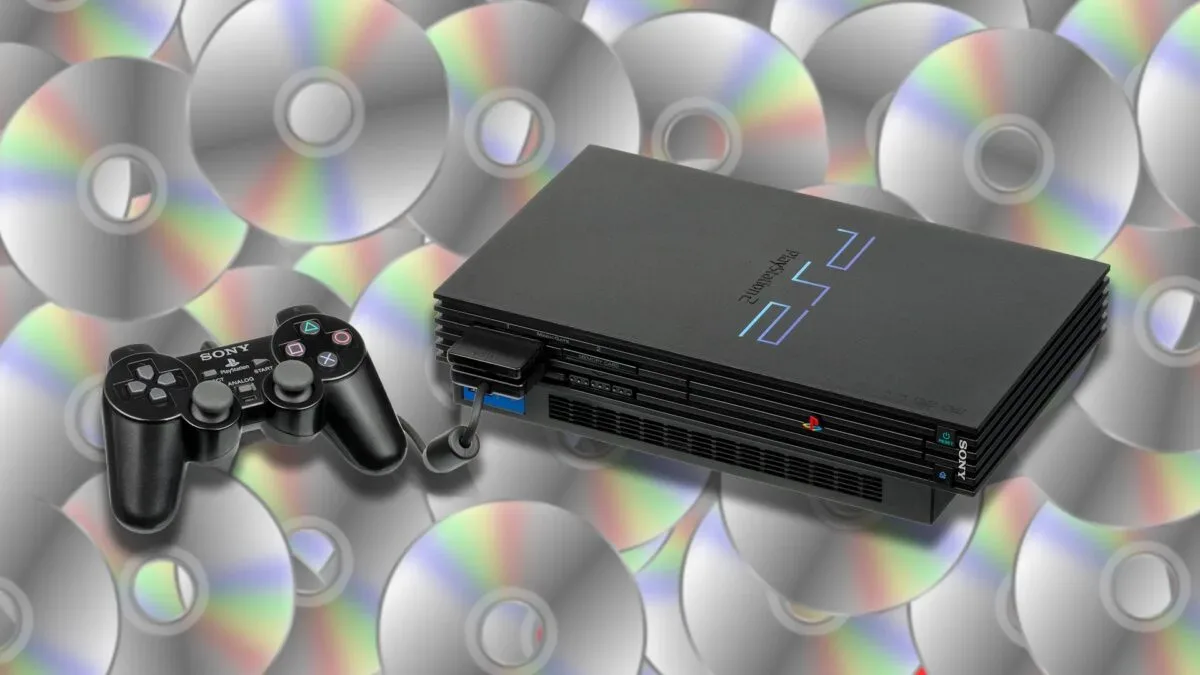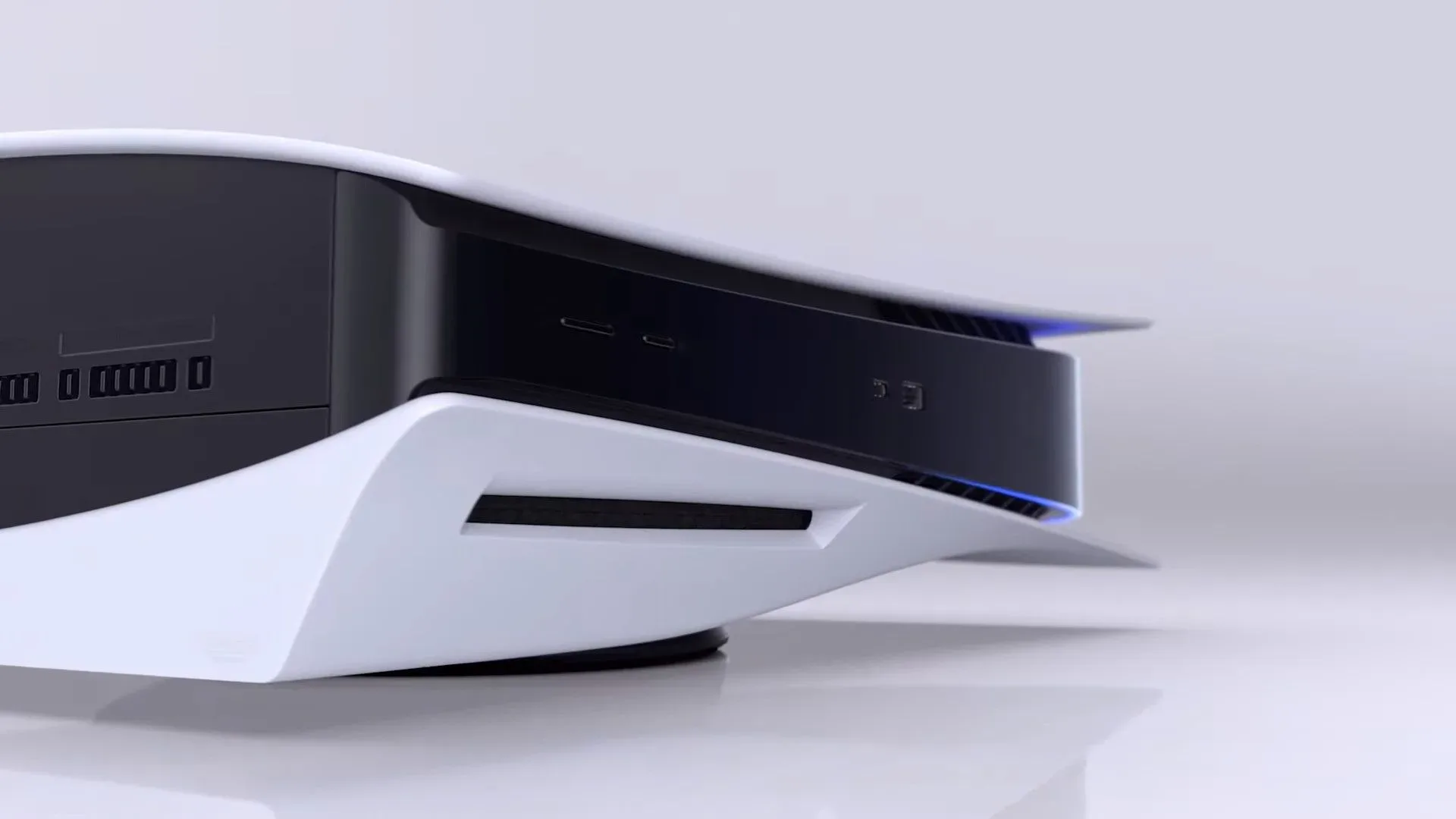
A new wave of PS5 homebrew has turned a longstanding retro-gaming wish into a technically demonstrated, if decidedly unofficial, reality: some original PlayStation 2 and PlayStation 3 discs can be read and played through emulators running on a jailbroken PS5.
That does not make the PS5 natively backwards compatible with either system, and it is not a consumer-ready feature endorsed by Sony. Compatibility, performance and disc support remain variable. But the result is still important. It offers a practical illustration that the current PlayStation’s disc hardware and available emulation tools can work together in ways that official PS5 software does not ordinarily permit.
For players with shelves full of older discs, the immediate appeal is obvious. Instead of treating a PS2 or PS3 library as something that requires legacy hardware, a homebrew setup can potentially make the PS5 act more like a bridge between generations. It also brings a familiar question back into focus: if parts of this are technically achievable, why has official disc-based backwards compatibility remained so limited?
What the new PS5 emulators are doing
Two projects are at the center of the discussion. PS5SX2 is a PS5 port of PCSX2, the well-known PS2 emulator used on PC. In basic terms, an emulator is software designed to reproduce the behavior of another system’s hardware closely enough for its software to run. The PS5 is not suddenly becoming a PS2 at the hardware level; it is using software to interpret and reproduce the environment a PS2 game expects.
The significant detail is disc access. PS5SX2 can read compatible PS2 game discs placed directly in a standard PS5 disc drive. Earlier jailbroken PS5 approaches could already run PS2 games, but they required a title to be prepared as a separate package using a modified version of Sony’s own PS2-emulation technology. That is a very different experience from inserting a disc and asking the console to recognize it.
The newer approach moves closer to the simple behaviour people associate with backwards compatibility: put in an original disc, let the system read it, then launch the game through an emulator. It is an important distinction even though it remains unofficial and incomplete.
There is an important performance caveat. Tests have indicated that games can stutter when running directly from the disc. Installing a game to the PS5’s storage can provide smoother results. This is a reminder that reading a disc is only one part of the problem. The emulator must also manage the game’s demands reliably, while storage speed and data access can influence how consistent the experience feels.
PS3 support arrives through RPCS3-5, a PS5 port of the RPCS3 emulator. It can use original PS3 discs in a standard PS5 disc drive. This is perhaps the more striking technical result, but it also comes with the stronger warning label. PS3 emulation is demanding enough to remain a challenge even on powerful PCs. A PS3 game running at all on PS5 homebrew should not be mistaken for proof that every title will work well, or that the platform can straightforwardly offer a polished universal PS3 library.
Related coverage includes PS5 Homebrew Tests PS2 and PS3 Disc Emulation, Reviving Backwards Compatibility Debate.
Disc format is the first hard limit
The PS5 disc drive is not a catch-all reader for every PlayStation format. It reads DVDs and Blu-rays, which explains why DVD-based PS2 discs and Blu-ray-based PS3 discs can enter the conversation. It does not include the CD-reading laser needed for PlayStation 1 discs.
That physical limitation also affects a small number of PS2 games released on CD-based media. Even if the software side is available, a console drive cannot read a format for which it lacks the appropriate laser. In other words, emulation does not erase an optical-drive limitation.
Homebrew users have identified an external workaround: a USB disc drive can be connected to the PS5 to read CDs, opening a route for PS1 titles and those CD-based PS2 releases. This is a useful demonstration of how the problem breaks into separate layers:
- Media access: Can a drive physically read the disc format?
- Software interpretation: Is there an emulator able to run the game’s original platform?
- Compatibility and performance: Does the individual game behave correctly and run acceptably?
A solution at one layer does not guarantee success at the others. That is why “the disc fits” has never been a full definition of backwards compatibility.
Why PS3 remains the bigger technical hurdle
The PS2 and PS3 are often grouped together as older PlayStation systems, but their emulation situations are not identical. PS5SX2 and RPCS3-5 represent separate emulator projects and separate technical challenges. The available evidence supports the existence of disc-based use on jailbroken PS5 consoles; it does not support a claim of broad, flawless compatibility across either library.
PS3 emulation in particular should be treated as experimental. A game may boot but still exhibit instability, uneven performance or other behavior that prevents it from feeling like a dependable replacement for original hardware. The fact that an emulator can recognize a PS3 disc is meaningful, yet it is only the beginning of the compatibility question.
That nuance matters in the wider backwards-compatibility debate. It would be too simple to say that homebrew proves an official PS5 feature would require no work. An official platform holder would need to consider testing, support expectations, the quality bar for individual games and how it presents any exceptions. Community experimentation can reveal potential without proving the scope, cost or reliability of a commercial rollout.
Still, PS2 disc reading carries particular rhetorical weight. The disc format is readable by the PS5 drive, and Sony has its own PS2 emulation technology for selected games available through its digital ecosystem. The homebrew development therefore makes the lack of an official “insert your old PS2 disc” path feel less like an obvious hardware impossibility and more like a product decision with technical complications attached.
The business question behind the technical demo
There is no confirmed explanation here for why Sony has not enabled broad PS1, PS2 and PS3 disc support on PS5, so claims about a single corporate motive would be speculation. However, the commercial tension is plain enough to discuss without pretending to know an internal decision.
Old discs circulate heavily through second-hand markets. When someone buys a used PS2 or PS3 game, that transaction generally does not create a new sale for the platform holder. A subscription library or digital re-release, by contrast, is part of a controlled marketplace. The source material points to an increasingly all-digital direction for games as a reason observers see disc compatibility as commercially less attractive.
That does not rule out other considerations. Reliability and support are practical concerns, especially for the complex PS3 library. Licensing arrangements can also be complicated for older releases, though the evidence here does not establish which specific titles or agreements might be affected. The careful conclusion is that technical feasibility is only one factor. A company can have the hardware, software expertise and commercial opportunity to pursue a feature without deciding it makes sense for its current strategy.
For players, the frustration is less theoretical. Physical game ownership carries an expectation that a purchased disc remains useful. Every time a current console can physically read an old game’s disc but offers no official way to use it, that expectation runs into the realities of platform policy.
Homebrew’s appeal comes with major boundaries
None of this should be read as a recommendation to jailbreak a PS5. Jailbreaking is an unauthorized modification of a console’s software environment, and these emulator ports are part of that unsupported ecosystem. The developments described here are best understood as technical evidence and a preservation-minded curiosity, not an official feature path for ordinary PS5 owners.
There are also practical reasons to resist treating it like one. The available testing already flags stutter from direct disc playback, while PS3 performance remains inherently uncertain. Compatibility can differ game by game. The PS5’s internal drive cannot read CD media. And the emulators themselves are community projects rather than software supported through standard PlayStation updates and customer service.
One further point deserves attention: PS5SX2 lists Claude as its largest contributor. That makes the project another example of AI-assisted, or “vibe-coded,” development entering retro-game tooling. The phrase generally refers to building software by directing an AI with natural-language prompts rather than solely writing and reviewing each line conventionally. Its presence does not by itself settle whether a program is safe, stable or well maintained. For users and preservation communities, the important questions remain testing, code review, maintainability and demonstrable compatibility.
Why this matters to retro players
Modern access to older games is increasingly shaped by re-releases, subscriptions and selectively curated digital catalogs. Those routes can be valuable, but they do not necessarily preserve the player’s ability to use discs they already own. This PS5 homebrew work presents a compelling counterpoint: old physical media can still have a role on new hardware when both the drive and the software stack allow it.
It also underlines why interest in legacy libraries persists. Retro gaming is not merely about novelty; it is about access to games that may not receive a current digital release, or may be available only under a subscription arrangement. The same enthusiasm that keeps players ranking classics such as the best SNES fighting games also fuels demand for practical ways to revisit PlayStation eras without maintaining multiple aging consoles.
The present homebrew projects do not resolve that access problem for everyone. They are unofficial, incomplete and dependent on console modification. But they do sharpen the conversation. PS5 hardware can read DVDs and Blu-rays; community developers have shown PS2 and PS3 disc use through emulation on jailbroken systems; and CD-based games remain a separate hardware-format challenge.
That is enough to make the absence of official legacy-disc support more visible than before. It is not proof that a universal, hassle-free PS1-through-PS3 feature could be switched on tomorrow. It is proof that the line between “impossible” and “not offered” is more complicated—and, for owners of old PlayStation shelves, much more interesting.