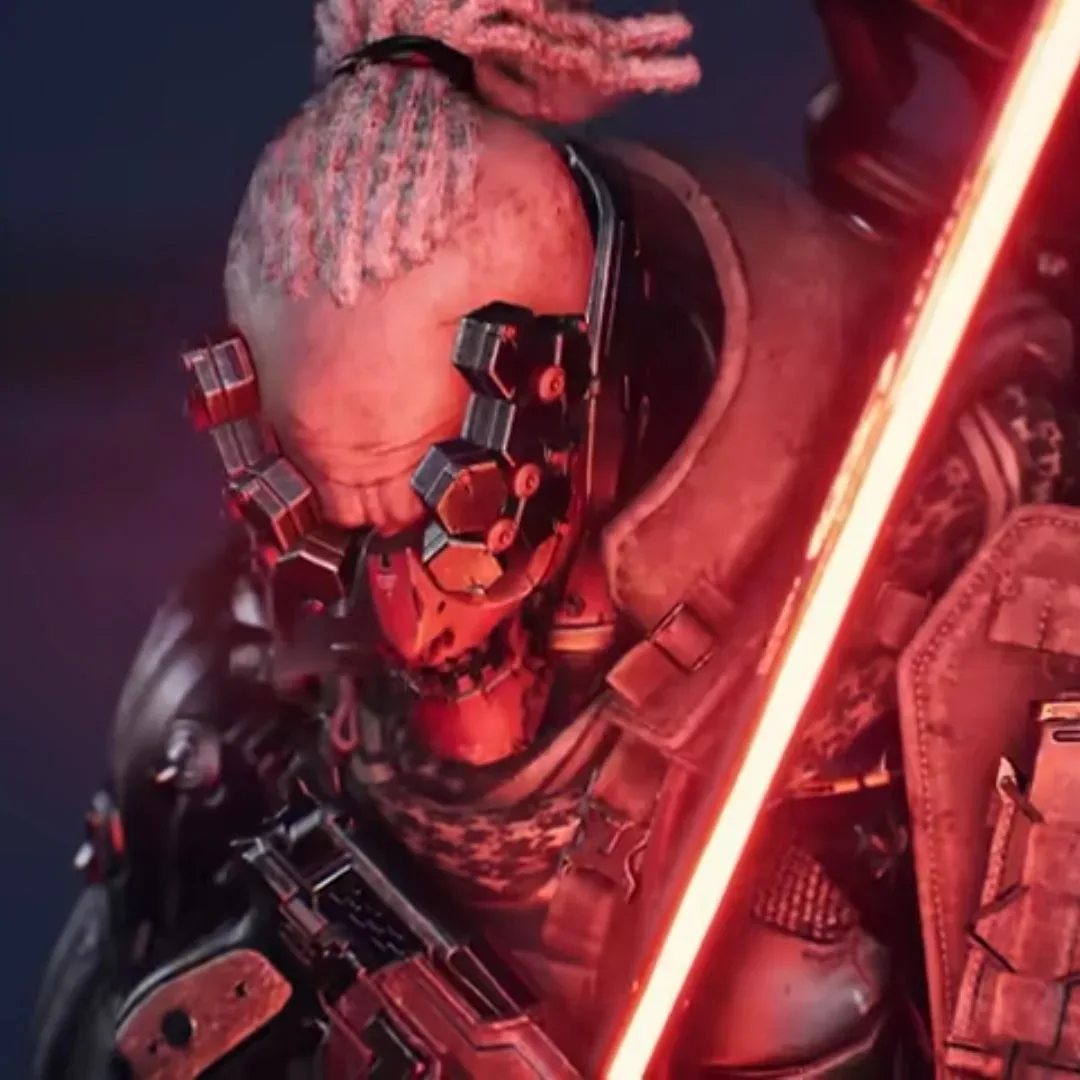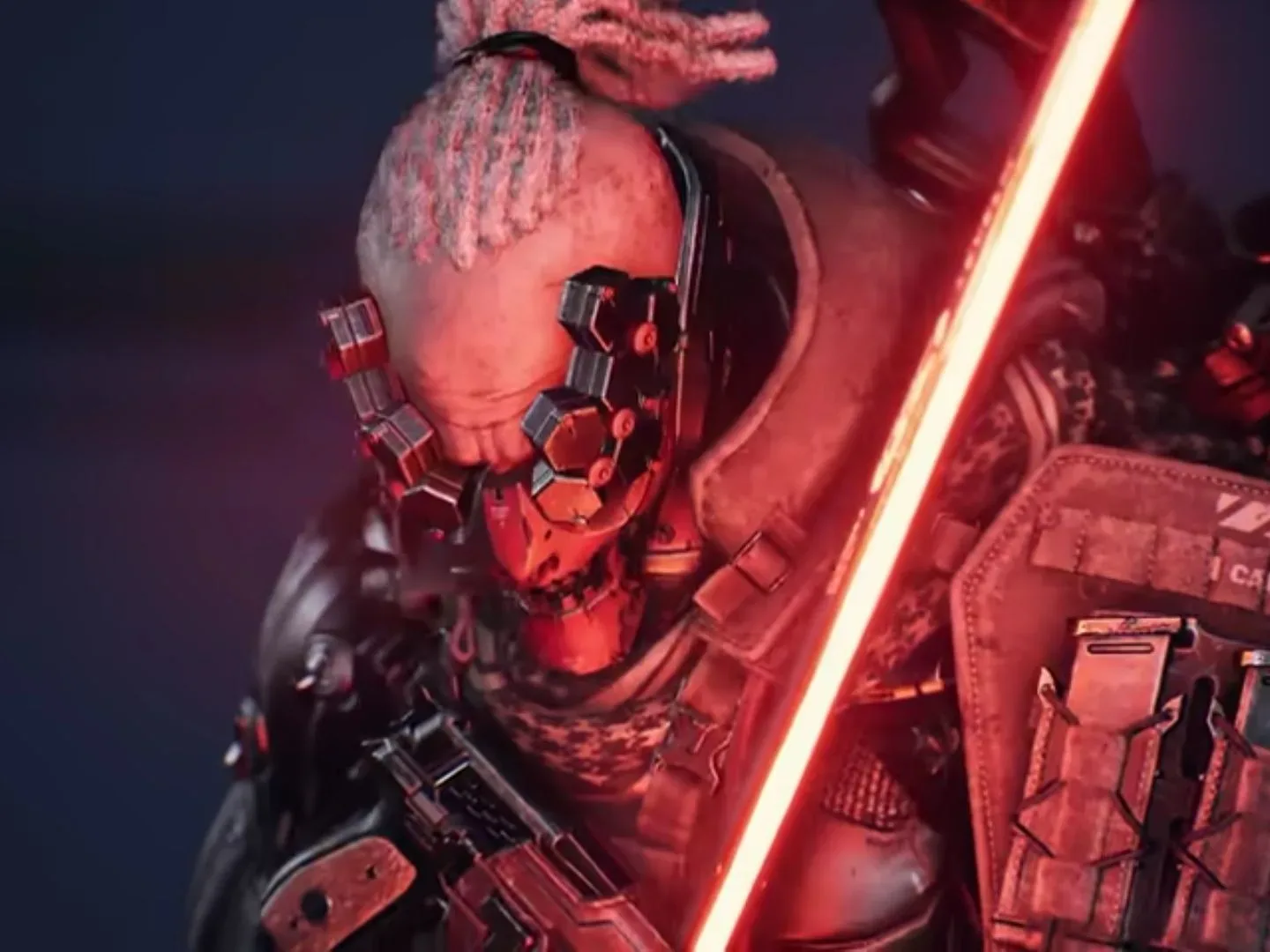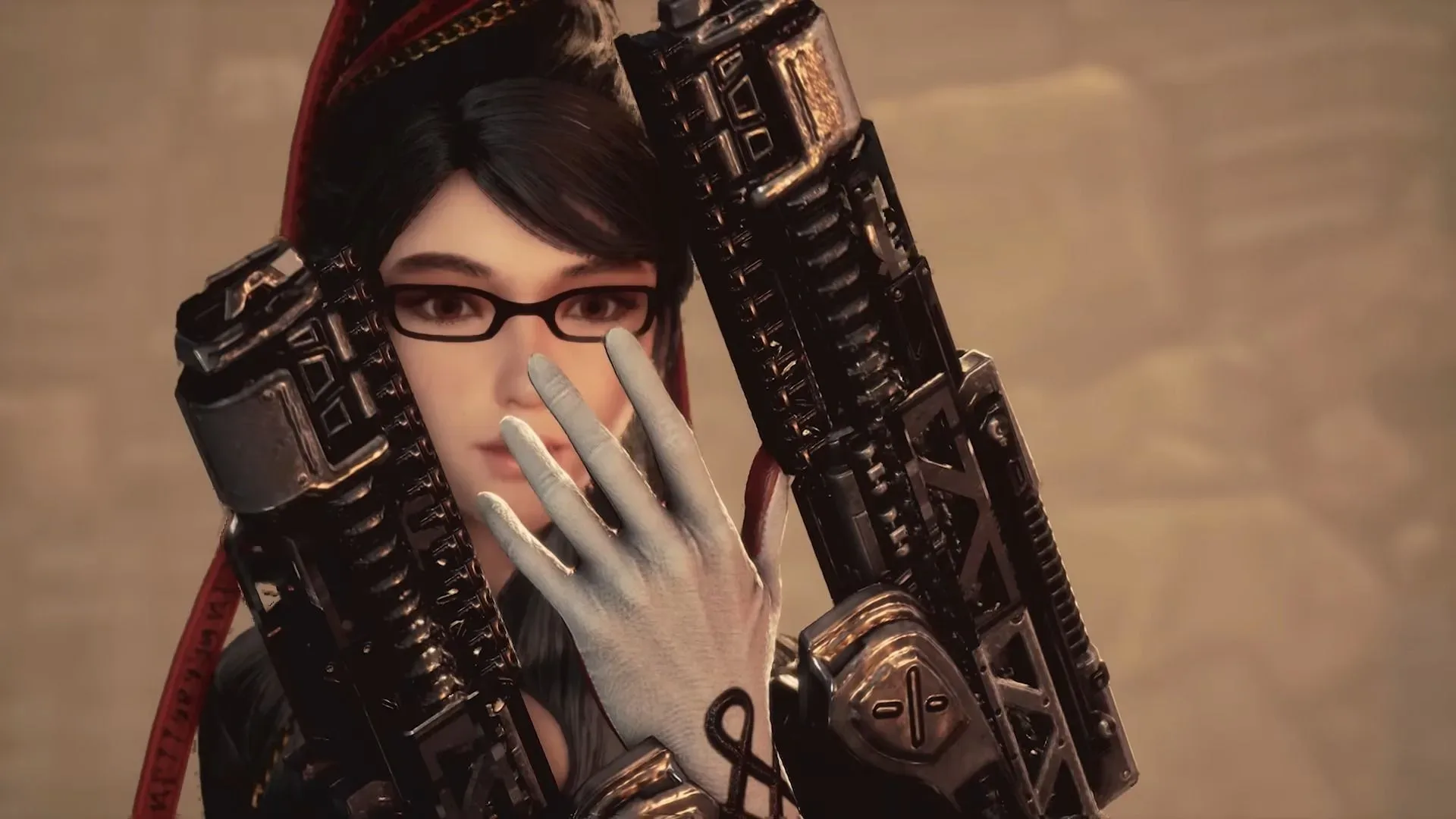
Stellar Blade’s path from an early project to a major console release was far less certain than its current profile suggests. Shift Up CEO Hyung-Tae Kim has described a period during the game’s development when the studio had enough money to pay staff for only about three months, after potential investors and publishing partners repeatedly passed on supporting the project.
The remarks provide rare context for the financial pressure behind a new, ambitious action game from a team attempting to move forward with a project initially known as Project Eve. They also outline how a playable build changed the conversation: former Sony Interactive Entertainment Worldwide Studios president and PlayStation Indie leader Shuhei Yoshida tried the game and offered Shift Up a publishing deal.
That sequence did not merely improve the odds of a single game shipping. It appears to have given the studio room to continue building around its original work. Shift Up now has Stellar Blade: Blood Rain in development, a Switch 2 version of Stellar Blade on the way, and at least one additional unannounced project underway.
A three-month runway is a severe deadline
Kim’s description is striking because it puts a concrete, if approximate, clock on the studio’s situation. He said there was a point during Stellar Blade’s development when Shift Up could pay salaries for “about three months.” The precise timing and order of every event are not established, though the period appears to have been around 2020 to 2021, while Project Eve was known publicly but still years away from release.
In business terms, runway is the length of time an organization can keep operating at its existing rate before its available money is exhausted. For a game studio, salary costs are central to that calculation: development depends on retaining the artists, designers, programmers, production staff and other specialists who make the project possible. A runway of roughly three months is therefore not just a tight budget. It is a short window in which to obtain funding, reduce costs, change plans, or find another way to sustain the team.
That does not mean a studio automatically closes when a stated runway reaches zero. Companies can pursue multiple options, including investment, publishing agreements, new revenue, or changes to their development scope. But Kim’s account makes clear that Shift Up was operating in a precarious position, not simply looking for a more favorable deal.
The story is also a useful reminder that the public life of a game can obscure its financing history. A reveal trailer, a recognizable project name, and visible creative ambition can make a project feel inevitable from the outside. In reality, a game may still be searching for the resources necessary to finish it. The distance between a promising playable build and a completed, supported commercial release can be enormous.
Why publishers may have seen Project Eve as a risk
Kim said a number of major publishers declined to invest in or publish the game. Those companies were not identified, and no individual reasons were provided. However, he characterized the general response as concern that the project was too risky for Shift Up, with some parties suggesting they would be more interested if the studio took a different direction.
Related coverage includes Stellar Blade Nearly Ran Out of Time Before Shift Up Secured Sony's Support.
That distinction matters. A rejection is not necessarily a judgment that a game has no potential. It can instead reflect uncertainty about the size of the undertaking, the financial commitment required, the team’s experience with that type of production, or whether the project fits a publisher’s strategy. Here, the supplied account supports only the broad point: potential partners regarded the project as a risky proposition and did not back it in its original form.
Publishing support can mean much more than putting a logo on a box or a digital store page. In practical terms, it may offer funding, production assistance, marketing, distribution and a route to a particular platform ecosystem. The specific terms of Shift Up’s agreement are not detailed here, so it would be wrong to assume exactly which responsibilities Sony took on. Still, the importance of the deal is evident from the chronology Kim described: it arrived after repeated rejections and followed Yoshida’s hands-on time with a playable version.
A playable build can be especially important in that situation. Ideas, prototypes and visual concepts communicate potential, but a build allows a prospective partner to assess how the project feels in motion and whether its core work is taking shape. In Shift Up’s case, the build appears to have been the crucial proof point that led Yoshida to offer publishing support.
Nikke appears to have changed the immediate financial picture
Another key part of the timeline is Goddess of Victory: Nikke, Shift Up’s free-to-play RPG with gacha mechanics, released in 2022. It generated tens of millions of U.S. dollars soon after launch, providing substantial help to the company during a period when Stellar Blade’s future had been uncertain.
Free-to-play games are distributed without an initial purchase requirement, while gacha mechanics generally describe systems in which players spend currency for randomized chances at in-game rewards or characters. The available information does not break down Nikke’s revenues, costs, or how its proceeds were allocated inside Shift Up. What can be said is narrower and more meaningful: the game brought in significant money soon after release and helped the company remain afloat.
That commercial success illustrates a reality often overlooked when studios work across different kinds of games. A successful live-service or free-to-play title can provide revenue that supports a company’s wider operations, while a large premium action game may demand a longer development cycle and a different partner structure. This is not evidence that one format is inherently safer or better than another. It is evidence that Shift Up’s portfolio gave it a source of support at a critical time.
The company’s subsequent momentum has been recognized beyond its game releases. Kim received a presidential commendation in December 2025 for services to South Korea’s games industry. The honor does not erase the earlier funding danger, but it emphasizes the scale of the turnaround described in his comments: a project facing skepticism and a limited payroll window eventually became part of a company with multiple projects in motion.
Sony’s role was a turning point, not a guarantee
It is tempting to reduce this kind of account to a neat rescue narrative: publishers said no, Sony said yes, and everything worked out. The actual lesson is more complicated. Shift Up had to reach the stage where it could show a playable version compelling enough to change a potential partner’s assessment. It also had the support of Nikke’s strong early revenues. The Sony agreement then became a pivotal opportunity, rather than a magical substitute for development work already completed.
For developers, the practical implication is that publisher conversations can shift as a game becomes more tangible. That is not a promise that every project can or should wait for a playable build before seeking support; the best approach depends on the team’s financial position and the project itself. But Shift Up’s account demonstrates why a build can carry a different weight from an early pitch. It gives a partner something more immediate to evaluate.
For players, the account helps explain why corporate stability is relevant even when the immediate concern is simply whether a game looks appealing. Studio finances affect whether teams can finish projects, retain staff and plan what comes next. The wider industry has continued to show how quickly uncertainty can touch teams and franchises, as reflected in recent concern around reported Xbox layoffs and studio changes. Shift Up’s story is distinct, but its earlier three-month runway shows how fragile a development path can be before the public sees the finished product.
What comes next for Stellar Blade and Shift Up
The immediate future described by Shift Up includes several active fronts. Stellar Blade: Blood Rain is in development. A Switch 2 port of Stellar Blade is also on the way. Beyond that, the company has at least one untitled project underway, although no further details about that game have been provided.
It is important not to fill in the blanks around those plans. There is no release date supplied for Blood Rain or the Switch 2 port, and no disclosed genre, platform or schedule for the untitled game. Likewise, the existence of new projects should not be treated as proof that game development has become easy or risk-free. What it does indicate is that Shift Up is no longer described solely through the lens of a single project trying to find a lifeline.
Kim has credited players who support the company’s games for its prosperity. That is a sensible emphasis: sales, engagement and communities ultimately determine whether games can sustain the businesses behind them. But the fuller account also recognizes the chain of events required before players ever get that opportunity. Shift Up needed time, revenue, a convincing build and a publishing partner willing to see potential where others saw too much risk.
Stellar Blade’s near-term survival was not assured. Its development history now stands as a sharp example of how quickly a studio’s prospects can change when a project earns the right backing at the right stage—and how much work may happen before that turning point arrives.