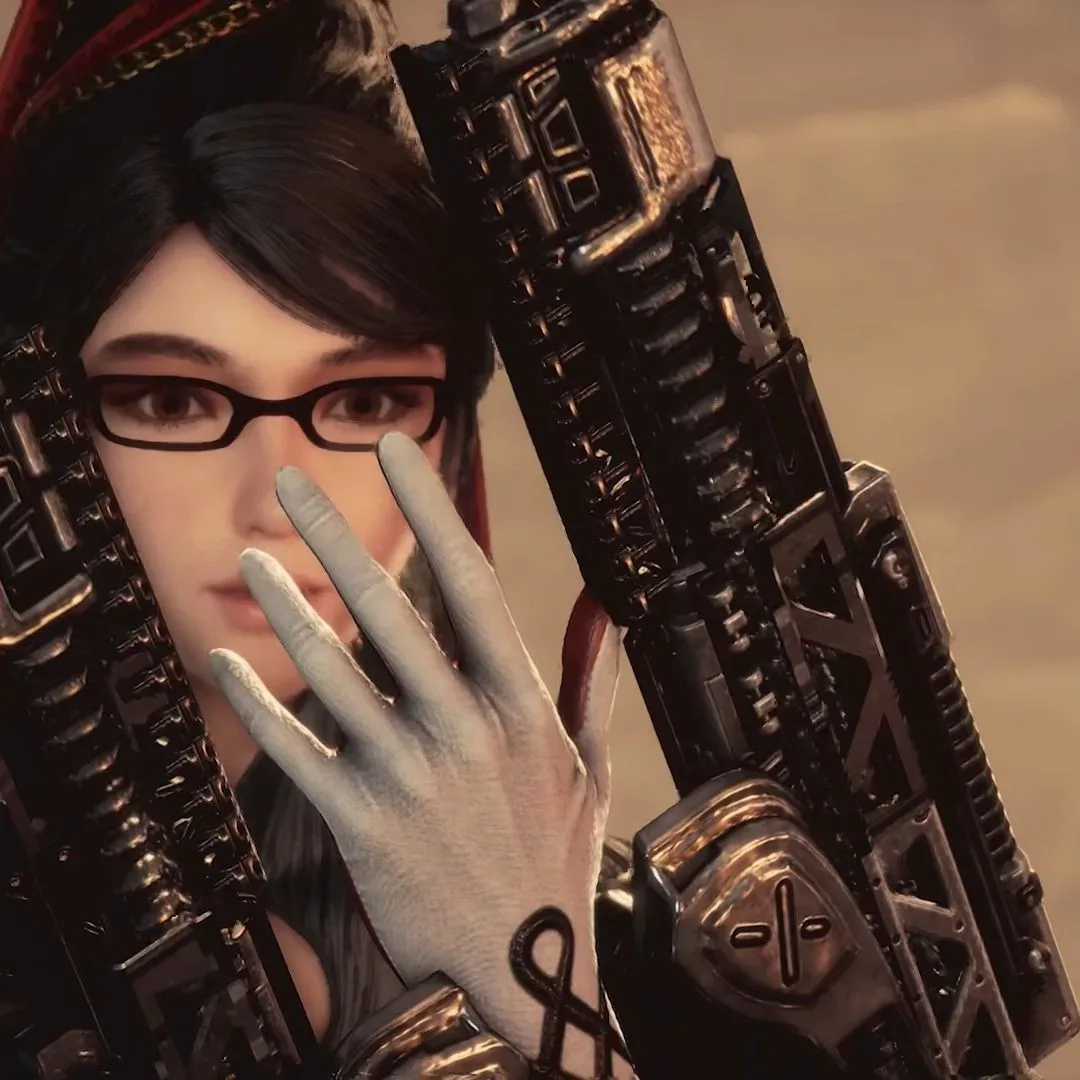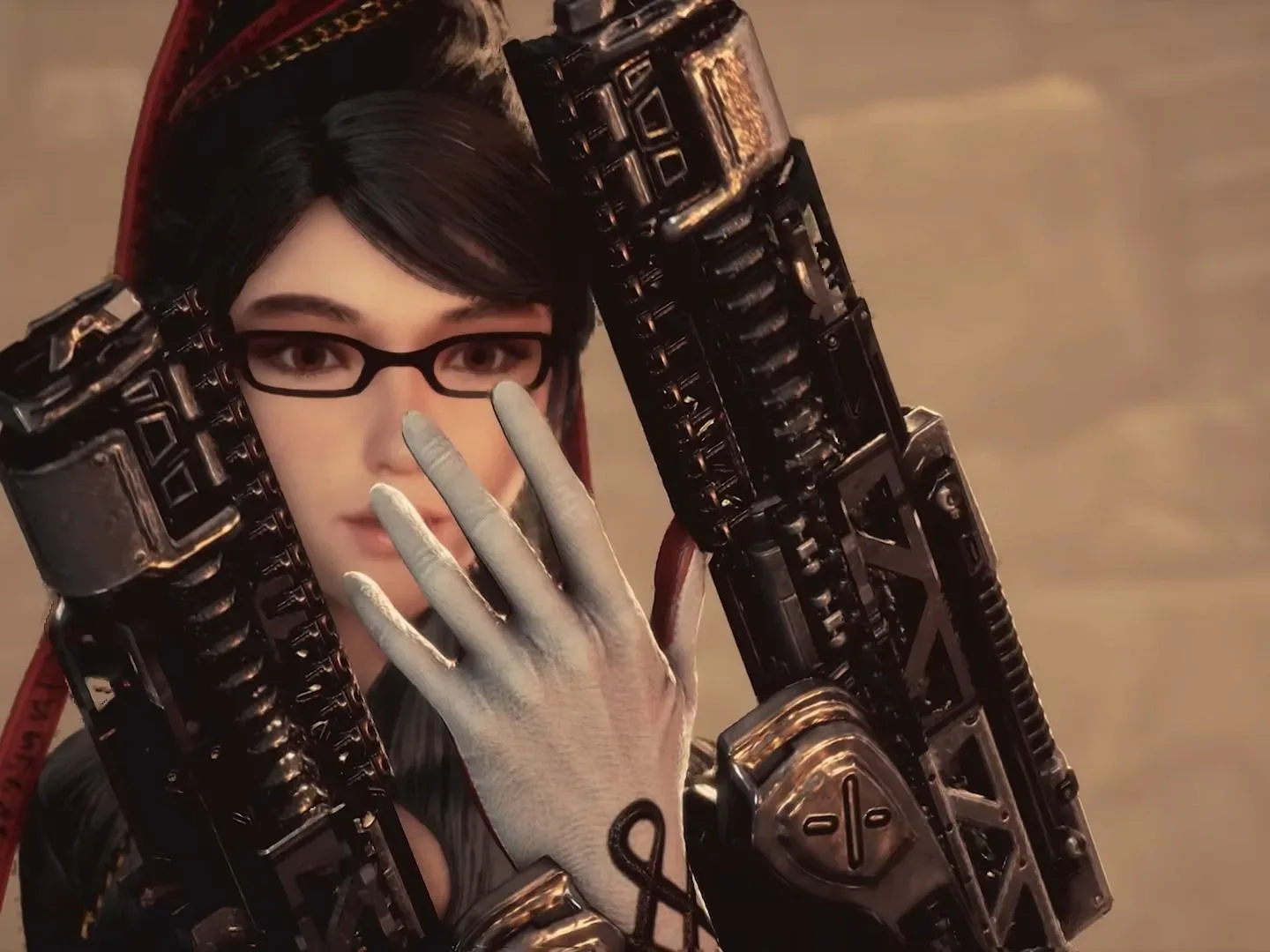
Stellar Blade director and Shift Up leader Hyung-tae Kim has signaled that the newly announced Bayonetta-themed costume collaboration may not be the last time his studio works with PlatinumGames. In a conversation with PlatinumGames CEO Atsushi Inaba, Kim first floated an especially enthusiastic idea: helping with character designs for another Bayonetta game. He then turned that admiration into a broader, more substantive hope that the two companies can collaborate again.
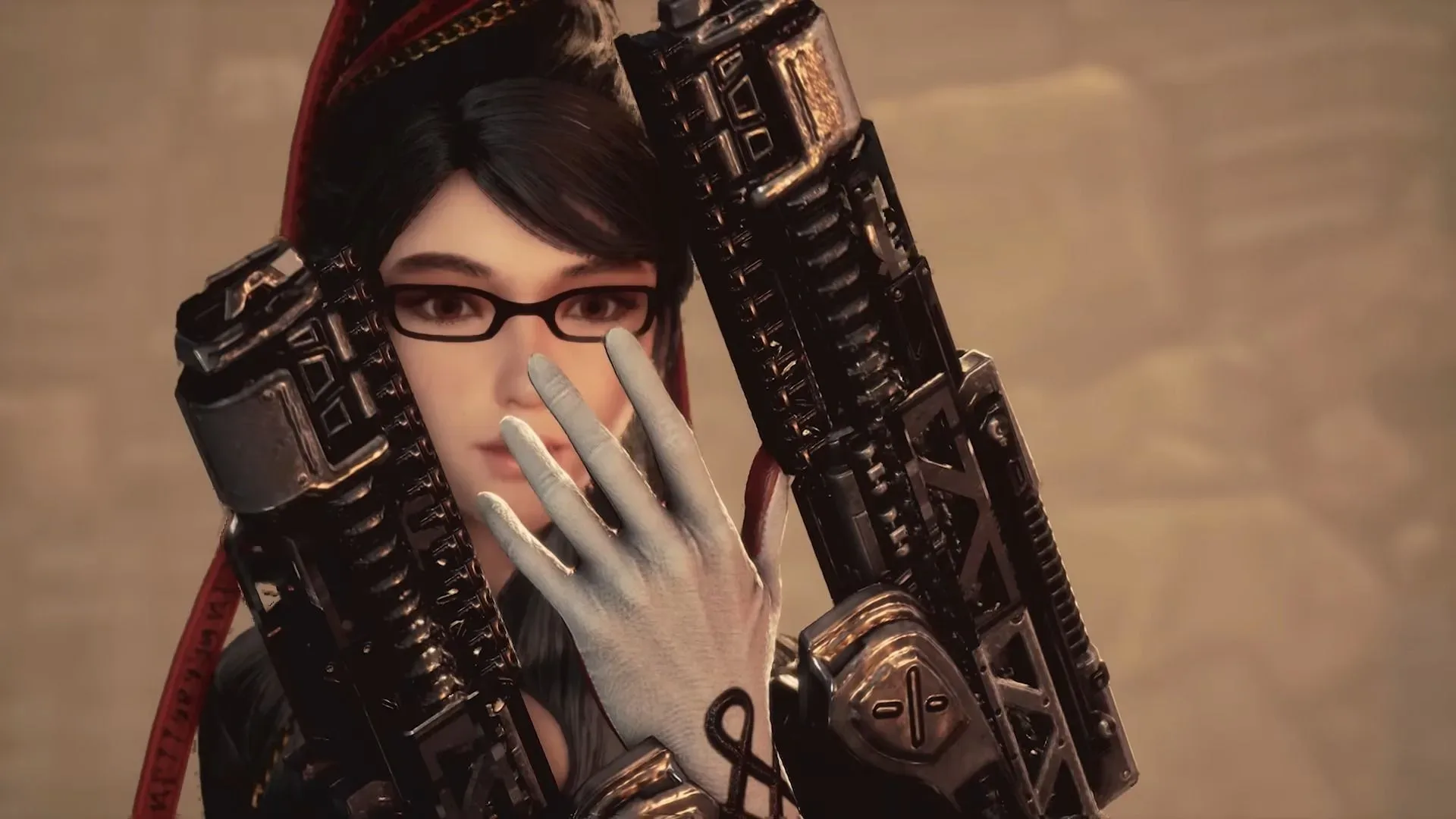
That is an intriguing prospect for fans of high-speed action games, but it is important to separate the confirmed crossover from the wish expressed in the conversation. There is no announced Bayonetta 4, and there is no confirmed new game co-developed by Shift Up and PlatinumGames. The tangible result of the partnership, for now, is four Bayonetta skins coming to Stellar Blade on November 5, alongside the game’s Nintendo Switch 2 release. The skins will be free on every platform, and one is an original design led by Kim.
A playful Bayonetta pitch turns into a serious open door
Kim described Bayonetta as one of his three favorite games and praised both its art and its mechanics. His initial remarks had the tone of a fan speaking about a series that made a lasting impression: he joked that he hopes Bayonetta reaches at least a tenth installment and offered to spend his days at PlatinumGames designing characters for the next entry.
After a visible reaction from Shift Up’s chief business officer, Kim walked the comment back in a lighthearted way. But the larger point remained. He said he would like another opportunity for Shift Up and PlatinumGames to work together.
Inaba did not treat the offer as empty publicity. While playing along with the exchange, he said he does not like to say things simply for effect and indicated that he, too, hopes the studios can collaborate again. That mutual enthusiasm is notable, even though it is not a project announcement or a production commitment.
For audiences accustomed to reading every executive remark as a release calendar clue, the cautious interpretation is the useful one. A collaboration requires far more than shared creative respect: teams need an agreed concept, schedules, commercial terms, platform plans and the appropriate rights. None of those details have been disclosed. What has been established is a positive working relationship around the Stellar Blade costume project.
What is actually arriving in Stellar Blade
The confirmed collaboration consists of four skins based around Bayonetta, made available on November 5. The timing coincides with Stellar Blade launching for Nintendo Switch 2. Players on all platforms will receive the skins for free rather than having the crossover confined to the new version.
One costume is an original design led by Kim, rather than simply a direct reproduction. That detail gives the project a clearer creative purpose: it is a meeting point between the visual identities of Stellar Blade and Bayonetta, not only a licensing exercise. Inaba said the finished collaboration skins exceeded his expectations.
Related coverage includes Stellar Blade Director Hyung-tae Kim Wants to Collaborate With PlatinumGames Again.
“Skin” in this context means a cosmetic character appearance. It changes how the character looks, but the information available does not establish any changes to combat systems, missions, narrative, weapons or other gameplay mechanics. Fans should therefore view the four additions as costumes, not as a new Bayonetta game mode or a crossover campaign.
The decision to release the costumes free across platforms also matters for the existing community. It avoids splitting the collaboration between Switch 2 newcomers and players who already own Stellar Blade elsewhere. The Switch 2 edition supplies the launch-day hook, while the content itself is positioned as a wider update.
Why the pairing makes sense
Bayonetta and Stellar Blade occupy neighboring territory within action games, even if they have distinct styles and histories. Both put character presentation and elaborate combat at the forefront. The link is strengthened by Kim’s own stated admiration for Bayonetta and by Inaba’s experience across major action-focused releases.
Inaba served as executive producer on the original Bayonetta, Bayonetta 2, Bayonetta 3 and Bayonetta Origins: Cereza and the Lost Demon. His credits also include Astral Chain, Nier: Automata and Metal Gear Rising: Revengeance. Those games are often discussed in terms of “character action,” a genre label for games centered on expressive player-controlled combat, timing, movement options and combo-building rather than solely on careful resource management or turn-based planning.
That label should not be used as a claim that every game under it plays identically. Rather, it describes a design priority: players are given a toolset and asked to develop fluency with it. A good encounter can become more stylish, efficient or inventive as the player understands dodges, attacks and transitions between moves. Bayonetta is one of the genre’s most recognizable series, and its influence is part of the context around Stellar Blade.
Inaba called Stellar Blade a model for game development, praising the amount of enjoyable material around its central action system. His comments focused on the game’s breadth as well as its combat. He also framed that praise competitively, saying he did not want to be outdone. It is a meaningful compliment from a veteran whose work is closely associated with the kind of action experience Stellar Blade enters.
The conversation also reflects a connection that is broader than a costume pack. Nier: Automata, on which Inaba was involved through PlatinumGames, has been cited as an influence on Stellar Blade. Nier: Automata director Yoko Taro had previously characterized Stellar Blade as better than his own game. Together, those remarks illustrate the esteem surrounding Shift Up’s action game among prominent figures associated with adjacent projects. They do not, however, establish formal creative involvement from those figures in Stellar Blade beyond the specific partnership detailed here.
The most realistic takeaway: a relationship worth watching
It is tempting to leap immediately to a dream-project scenario: a new Bayonetta with Shift Up designs, a jointly made action game, or some kind of shared universe. The available details do not support any of those predictions. Kim’s comments are best understood as an invitation, and Inaba’s response as a receptive answer.
That still has value. Cross-studio partnerships frequently begin with a smaller, bounded effort that lets creative teams learn how they work together. A cosmetic crossover is comparatively focused: it can involve visual direction, approvals and coordination without requiring the far larger commitments of building a full game together. If both sides are pleased with the result—as Inaba’s reaction suggests—they have a practical foundation for future discussions.
The costumes may also offer a useful test of how fans respond to the blend of Bayonetta’s theatrical style and Stellar Blade’s presentation. Community reaction alone would not dictate whether a larger collaboration happens, but an effective crossover can demonstrate that the pairing resonates beyond a conversation between creators.
For now, the November 5 update is the central event. Anyone looking for the bigger story should keep expectations grounded: four free Bayonetta skins are confirmed; a future Shift Up–PlatinumGames collaboration is an expressed ambition; and a new Bayonetta game has not been announced.
Switch 2 release context and physical media
Shift Up has also said that Stellar Blade’s Switch 2 release will be fully contained on its cartridge. The studio linked that decision to the importance it places on physical media. In practical terms, “100% on cartridge” means the game’s base content is intended to be present on the physical cartridge rather than requiring a download to obtain the core game.
That does not automatically answer every preservation or update question around a modern release. Free costumes and other post-launch material can still be distributed separately, and the supplied details do not spell out how every update will be handled. But the statement does provide a clear signal that Shift Up sees the physical edition as more than a download key in a box.
For an action game now making the move to a new Nintendo platform, the physical-media stance and the cross-platform free costume rollout point in the same direction: making the release accessible to both new players and existing owners, while giving the launch a distinctive Bayonetta connection.
What remains unanswered
- Whether Shift Up and PlatinumGames will pursue another collaboration after the costume project.
- What form any future collaboration could take, if it happens.
- Whether Kim’s character-design suggestion could ever become part of a Bayonetta project.
- Any details about a future Bayonetta installment, including whether one is in development.
- Whether the Bayonetta skins will have any elements beyond their confirmed cosmetic role.
Until those questions receive formal answers, the most concrete reason for action-game fans to pay attention is the crossover itself. It brings together two conspicuous modern action-game identities, arrives free for Stellar Blade players across platforms, and has prompted both companies to publicly acknowledge that they would welcome another chance to work together. For more on how games translate signature fighting-game moves into screen spectacle, see our coverage of the Street Fighter trailer’s game-move focus.