Apple’s retail stores can now feel so inseparable from the company’s identity that it is easy to forget they began as a risky correction to somebody else’s sales floor. In 1999, Steve Jobs was dissatisfied with the way Macs were presented in conventional computer stores and decided Apple needed direct control over the customer experience. He hired Ron Johnson, then Target’s vice president of merchandising, to build that effort from scratch.
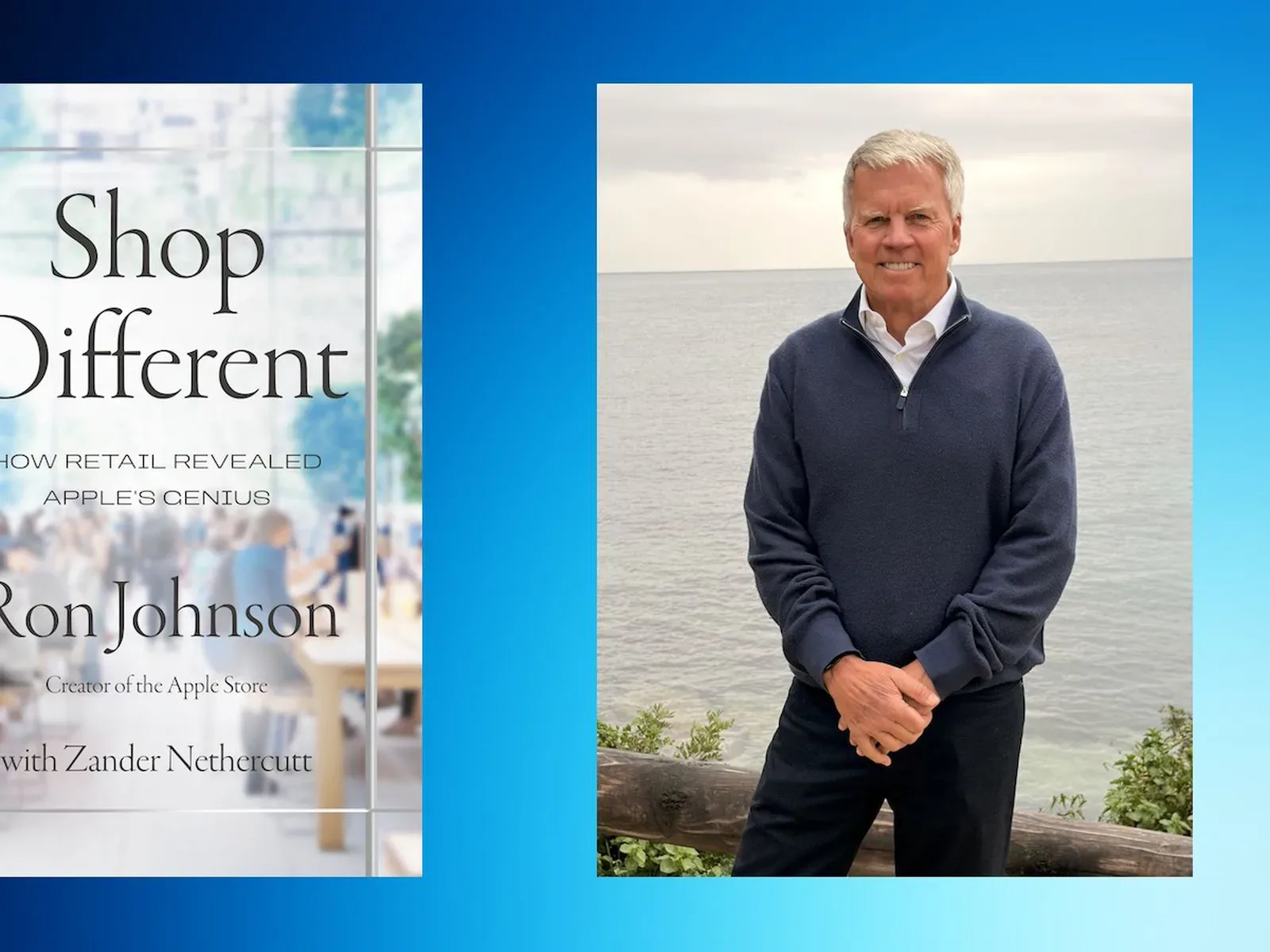
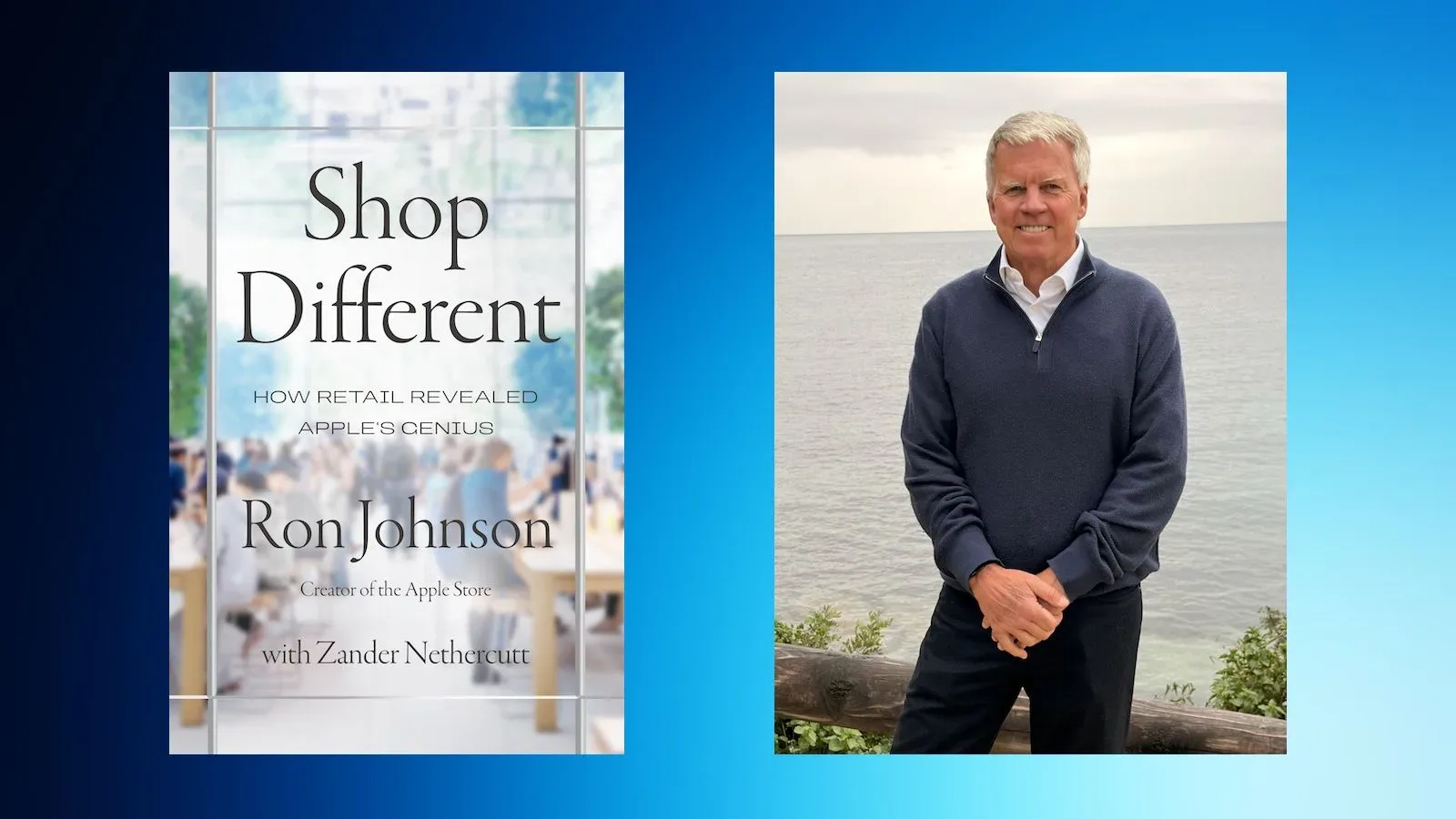
Johnson’s account of that work arrives in Shop Different: How Retail Revealed Apple’s Genius, written with Zander Nethercutt and scheduled for release September 22. The book covers Johnson’s earlier jobs at Mervyn’s and Target, but Apple retail is its central subject: the difficult, unusually consequential task of translating a technology company’s product philosophy into physical places people would want to visit.
That translation is more complicated than filling a shop with laptops and phones. A retail operation has to make products easy to find, keep inventory flowing, hire and train staff, choose viable locations, give customers reasons to linger, and provide help after purchase. Apple’s eventual results may make those demands seem obvious in retrospect. Johnson’s story, however, emphasizes that the first stores did not immediately validate the idea.
The first two Apple stores opened in May 2001, following a planning process that began when Johnson joined the company on February 1, 2000. Their early performance was weak before the business grew into the international network now seen in more than 20 countries. The point is not merely that the stores persevered. It is that their eventual identity was shaped through choices made while the outcome remained uncertain.
A store was meant to be a product experience, not just a checkout lane
Johnson worked closely with Jobs and other Apple executives on the early vision and buildout plan. One practical sign of Apple’s commitment was a full-scale store mockup built inside a Cupertino warehouse. A mockup of that scale turns an abstract retail idea into something teams can walk through, revise, and challenge before committing to expensive real estate and construction. It is a useful reminder that physical retail is an operational system as much as a design statement.
The early work included securing prime locations and defining the role of support in the store. Johnson recounts conversations with Jobs, including Jobs’ initial reaction to the proposed Genius Bar name. The phrase became one of the most recognizable elements of Apple retail, but its underlying function matters more than the branding: an in-store support area gives customers a visible route to assistance with the technology they own.
That approach distinguishes a direct retail store from a conventional third-party shelf. In a traditional electronics shop, a brand competes for attention amid many manufacturers and must accept a retailer’s broader priorities. A company-operated store can instead connect product display, demonstrations, customer service, staff behavior, software and hardware launches, and the company’s larger message. It also assumes responsibility for all of those things when they fall short.
Johnson’s account suggests that Apple’s retail strategy was never simply about having more locations. He highlights the company’s continued emphasis on improving the quality, size, and placement of stores to match the brand rather than pursuing store count for its own sake. That distinction is important. Store count is easy to measure, but it says little about whether a space is large enough to demonstrate products, appropriately located, or staffed to deliver the kind of attention the company promises.
Why inventory is part of the customer experience
One of the more revealing details in Johnson’s discussion is the importance Jobs assigned to inventory management. It may sound like a back-office concern, but inventory management is the process of keeping the right products and quantities available in the right place while limiting excess stock. In a technology store, it directly affects the public-facing experience: a customer cannot buy, collect, or properly compare a device that is unavailable.
Deirdre O’Brien was involved with the inventory team before the first stores opened. Johnson believes her longstanding operational connection to the business helped Apple retail later return to the initial mission and vision after what he characterizes as a difficult period following his departure. His praise does not claim that operations alone define a store. Rather, it treats execution as inseparable from a customer-centered retail promise.
“The stores were never about, sure, it’s important how you operate, but it’s really about a culture of love and connection,” Johnson said while discussing what retail leadership requires.
That is a useful way to read the tension in his account. A store can be beautiful and still be frustrating if service is confusing or desired products are missing. Conversely, tightly managed inventory cannot by itself make a visit memorable. The retail model Johnson describes asks for both: dependable operations and employees capable of turning technical questions into human conversations.
He also credits Apple with retaining a high standard for retail employees, noting that some have stayed with the company for many years. For shoppers, staff continuity can make a difference when a retailer sells increasingly connected devices. Customers often arrive with problems or decisions that extend beyond a single purchase: moving data, understanding a new form factor, choosing an accessory, or seeking support. The source material does not spell out Apple’s current service procedures, but Johnson’s emphasis makes clear that employees were central to the original concept rather than a secondary cost center.
Leadership changed, but the integration question remained
Johnson was Apple’s first retail leader, but the organization later passed through leaders with markedly different backgrounds. John Browett came from British consumer-electronics retailer Dixons. Angela Ahrendts arrived from luxury fashion company Burberry. O’Brien, the current leader discussed by Johnson, is a longtime Apple executive with experience in operations and People teams.
Johnson’s view is that these choices reflect a recurring question: should retail be led primarily by an outside specialist in stores, or by someone deeply integrated into Apple’s internal structure? His answer favors integration. He argues that O’Brien’s familiarity with Apple headquarters, operational functions, and its People teams has helped connect retail more closely to the rest of the company. In his telling, that connection also made it easier to bring talented people from other Apple divisions into retail.
This is analysis from a former leader, not a comprehensive scorecard of every successor. Still, it identifies a concrete organizational tradeoff. External hires can bring fresh retail expertise and perspectives, while internal leaders may understand a company’s products, systems, and culture more intimately. For Apple, whose stores are expected to represent the company itself rather than merely sell its devices, the latter quality carries particular weight in Johnson’s assessment.
He also singled out Vanessa Trigub, appointed last year as a vice president leading retail operations under O’Brien, calling her a “fabulous leader” with a strong customer-service vision. Together, O’Brien’s company-wide experience and Trigub’s retail-operations role point to a structure where customer-facing work and logistical discipline have to reinforce one another.
The iPhone Duo question: stores as a place to decide
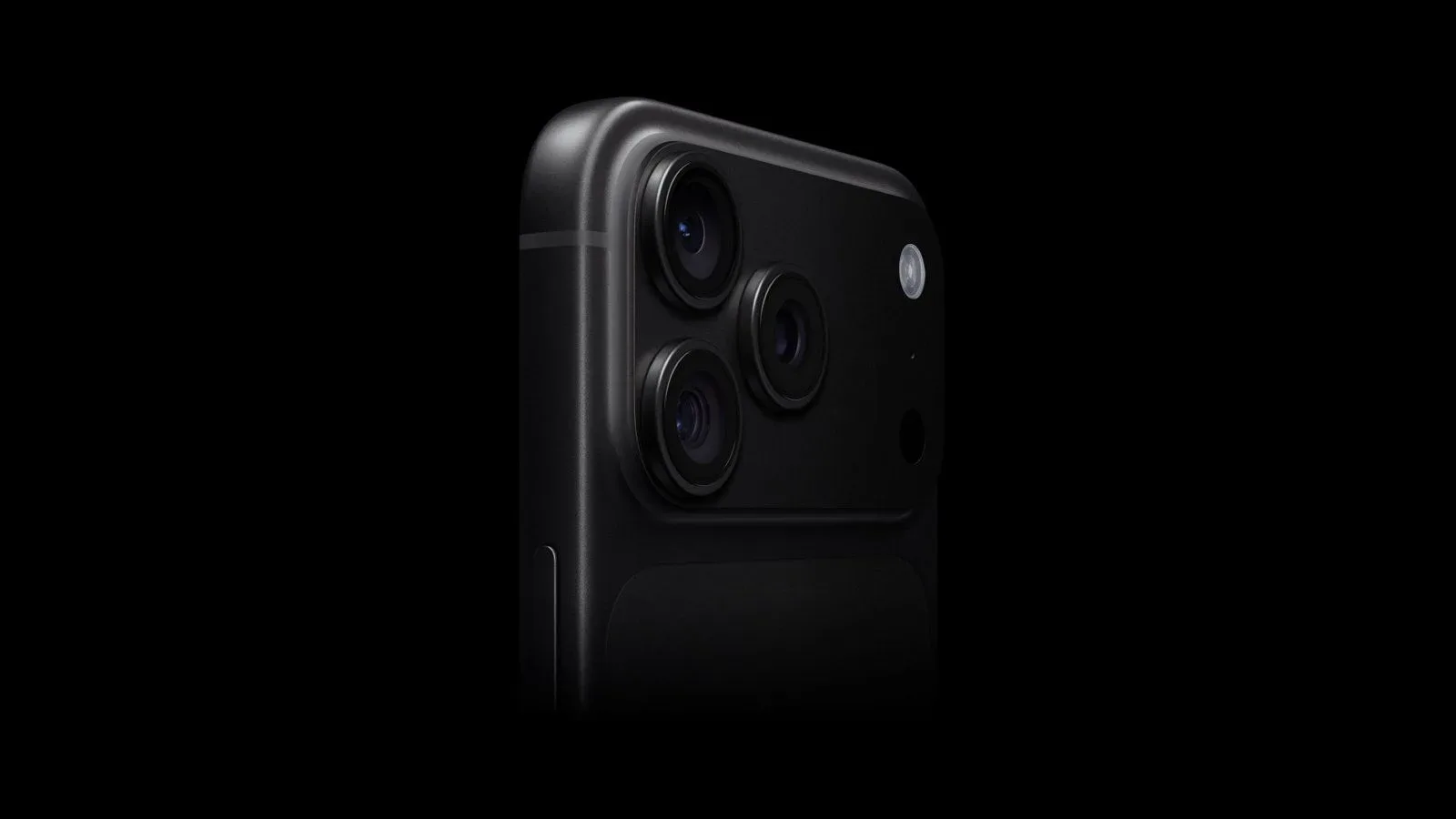
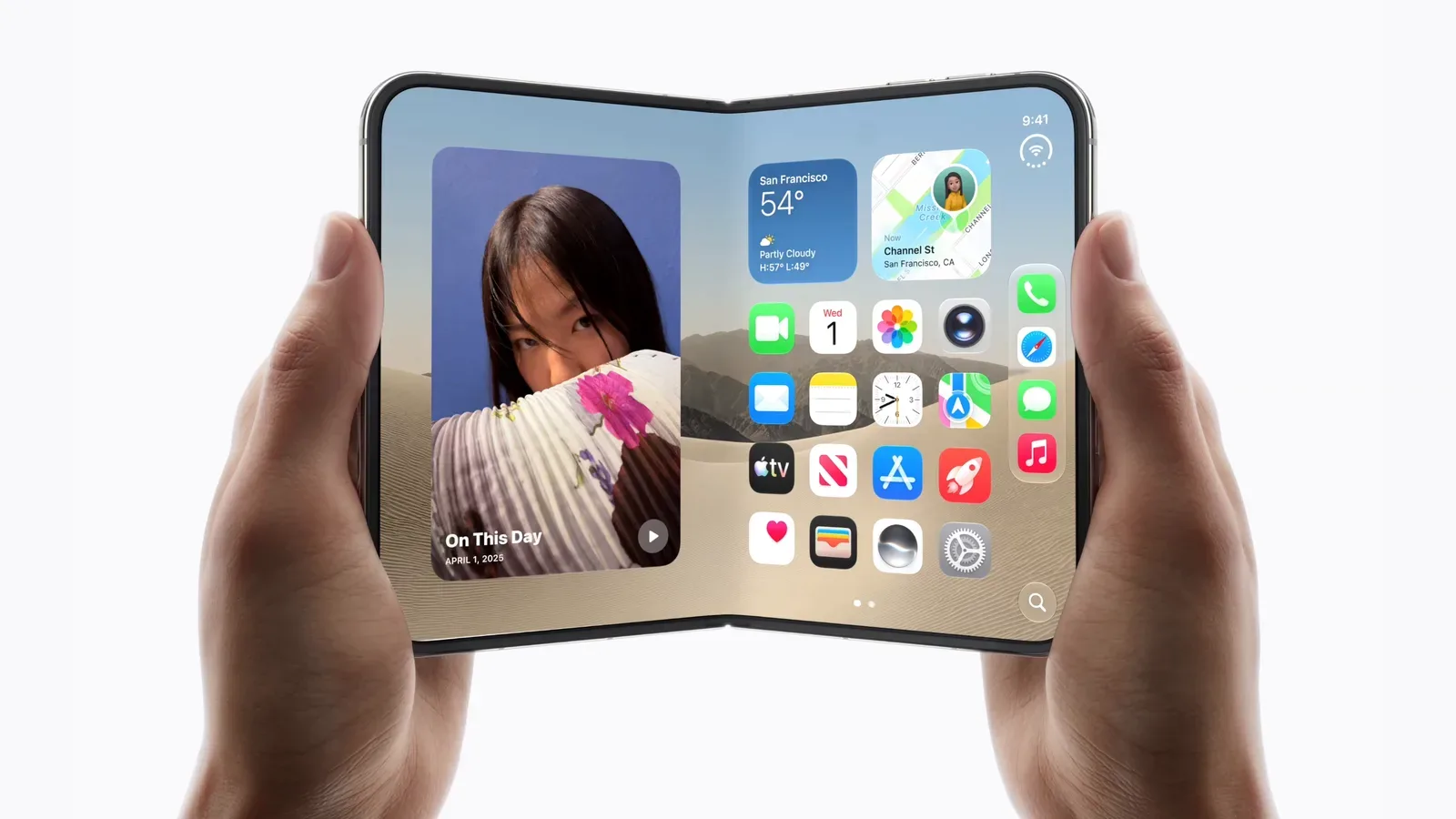
Johnson’s remarks also frame why physical stores remain useful during a major product transition. Before the recent iPhone Duo unveiling, he discussed reports that Apple might introduce a foldable phone and predicted that such a device could draw especially large crowds in September and October. The supplied account identifies the iPhone Duo as having been unveiled last week; Johnson’s comments were made beforehand, so his comments should be understood as expectations around the then-rumored form factor, not a retrospective assessment of customer traffic.
A form factor is the physical design and shape through which a device is used. For a foldable phone, the form factor is not a cosmetic detail; it may affect how the device opens, fits in a pocket, is held, and presents apps or media. Those are qualities that are difficult to fully understand through images, specifications, or a comparison chart. A hands-on visit lets a prospective customer see the device’s scale and interaction model for themselves, even if they never intend to purchase it.
That is why Johnson sees a major new iPhone design as a retail moment. He argued that a large installed base of iPhone users could want to see an unfamiliar device in person simply because it changes the everyday experience of using a phone. Apple’s stores, in this view, are a launch mechanism: they place a new category in front of curious customers and let the product make its own case.
The broader iPhone Duo story has also reached Apple’s developer tooling, with Xcode 27.1 beta adding iPhone Duo SDKs and simulator orientation support. That software-facing development and Johnson’s retail observations describe two sides of the same challenge. Developers need tools to account for a new device orientation or layout; customers need a chance to understand what the changed hardware feels like in practice.
A retail history with a human cost
Shop Different does not limit itself to floor plans, locations, and launch strategy. Johnson also recounts personal interactions with Jobs as pancreatic cancer affected the Apple co-founder. Later chapters follow Johnson’s decision to leave Apple for the chief executive role at JCPenney, his concerns about making that move amid Jobs’ decline and death, and the failure of his turnaround effort at the department-store chain.
That material gives the Apple chapters a broader frame. Retail leadership is often discussed through performance figures and strategy slogans, but Johnson’s career included a widely different outcome after Apple. The contrast does not diminish the Apple store story; it makes the circumstances and collaborative work behind it more visible. The original stores were the result of a specific relationship between a retailer, a company seeking control over its presentation, and a leadership group willing to build a new channel despite an uncertain start.
More than two decades after the first openings, Johnson’s core argument is not that Apple stores succeeded because a single feature or executive guaranteed it. The story instead points to a system of decisions: direct control of presentation, prime locations, serious attention to inventory, support embedded within stores, demanding standards for employees, and continuing integration with Apple’s wider organization. With the iPhone Duo bringing another potentially unfamiliar design into stores, that old retail rationale has fresh relevance. The shop is still where a technical concept becomes something people can hold, compare, ask about, and decide whether it belongs in their lives.
Shop the products
Check current price, model and availability at the retailer.