Riot Games is still treating its League of Legends MMO as an enormous, difficult bet rather than an inevitable victory lap. Studio co-founder Marc Merrill has acknowledged the obvious objections: massively multiplayer online games demand extraordinary scope, face high player expectations, and must persuade people to give them time in a market already dominated by established live worlds.
That candor matters because there is still very little public detail about the project itself. No release window, platforms, business model, combat structure, or concrete feature list was discussed here. What Merrill did outline was Riot’s reasoning for continuing: the company believes Runeterra has reached the necessary scale of audience, resources, and creative identity to justify trying something this ambitious.
In Merrill’s framing, the central question is not whether an MMO is hard. It is whether Riot can make one that does justice to the League of Legends universe without turning it into a vague product designed for every conceivable player. That is a more useful way to understand the project than treating the familiar League branding as an automatic solution to the genre’s problems.
Why Riot sees Runeterra as a foundation rather than a shortcut
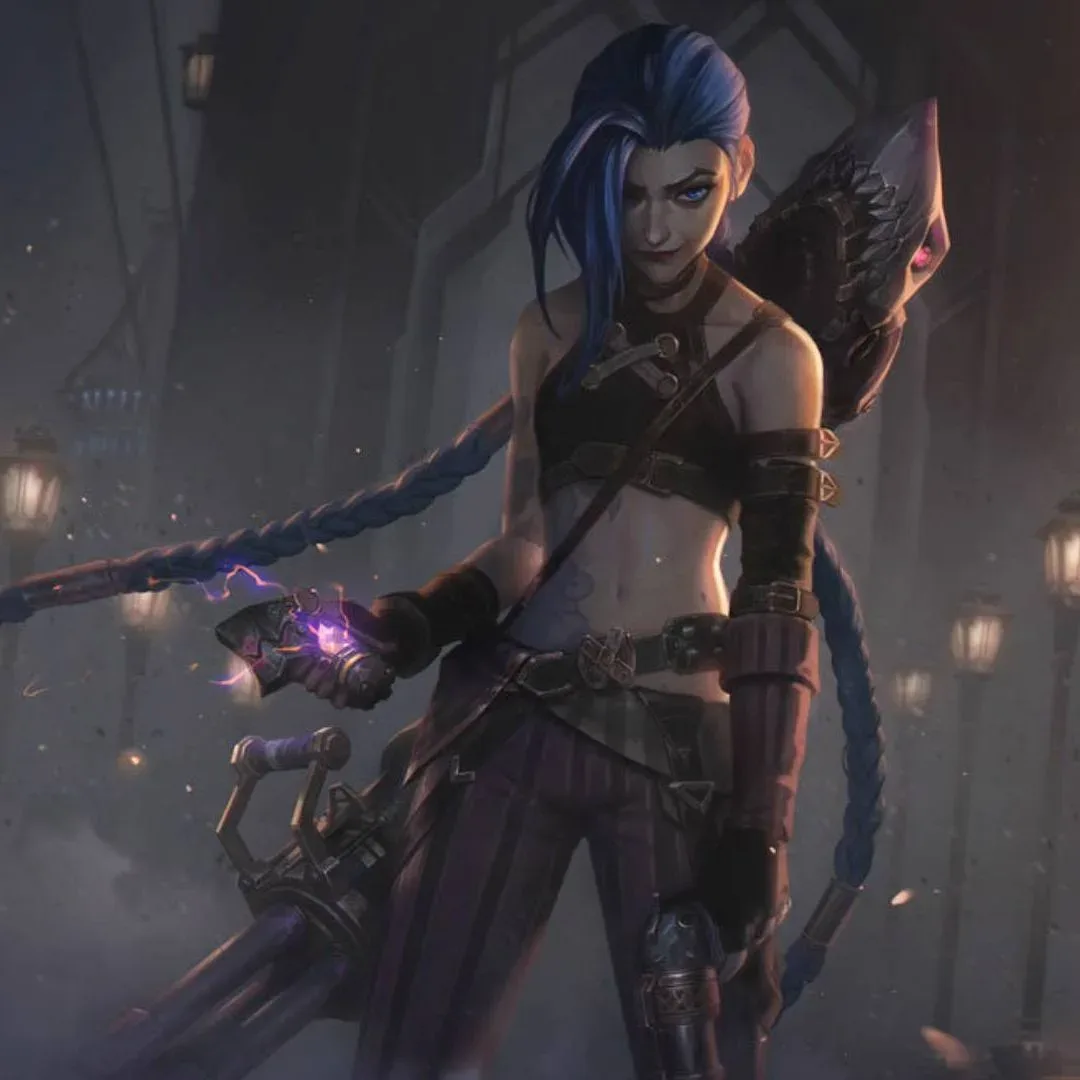
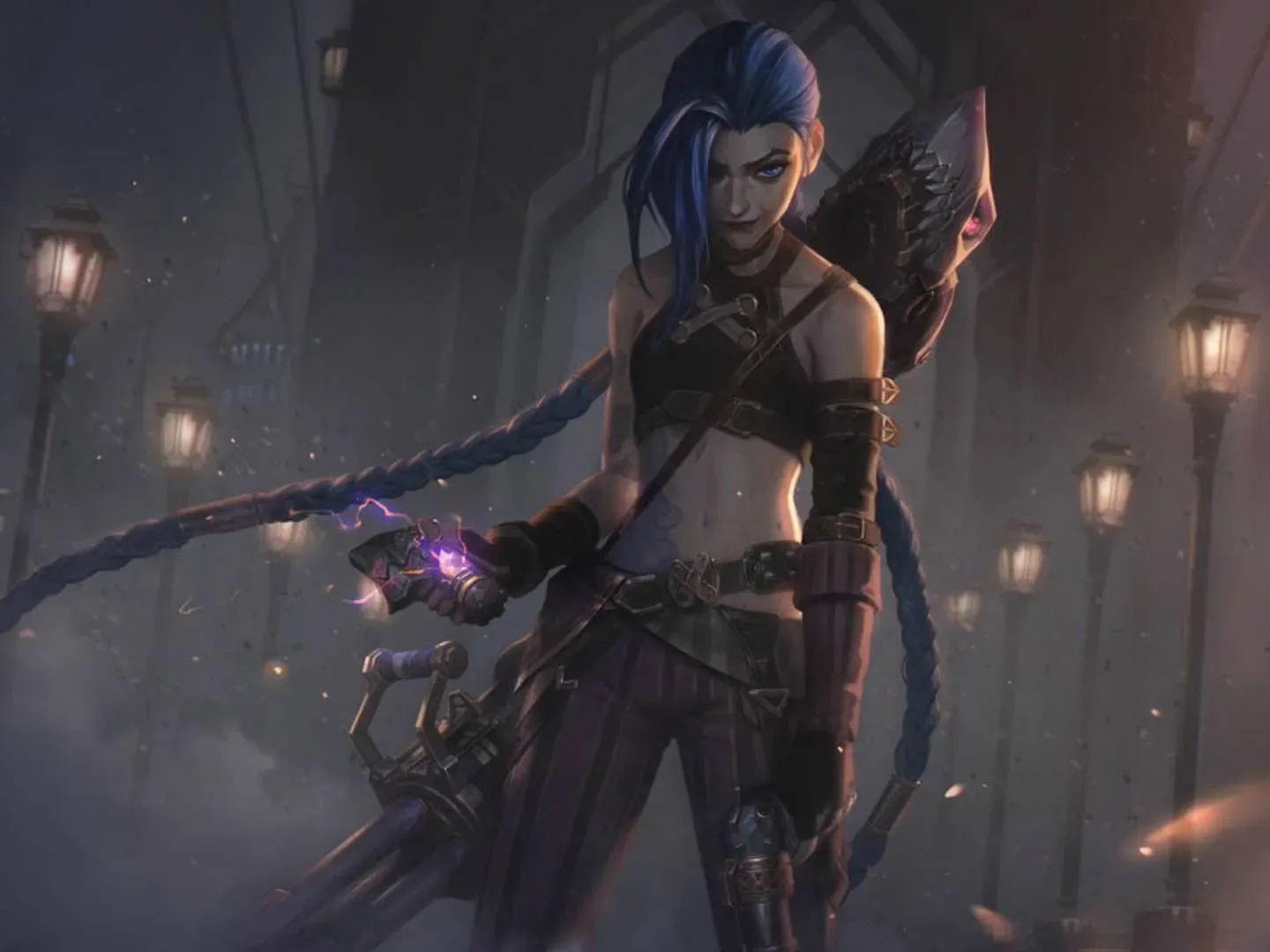
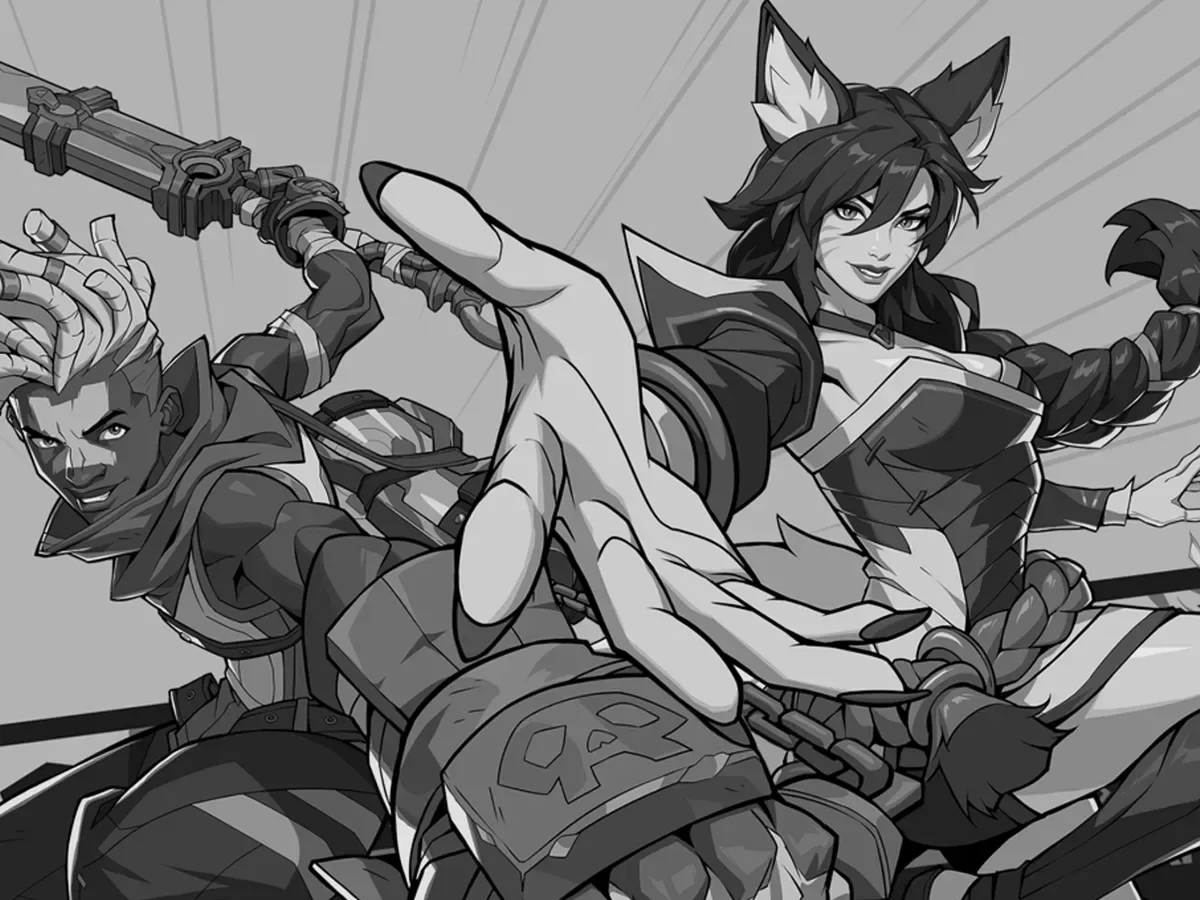
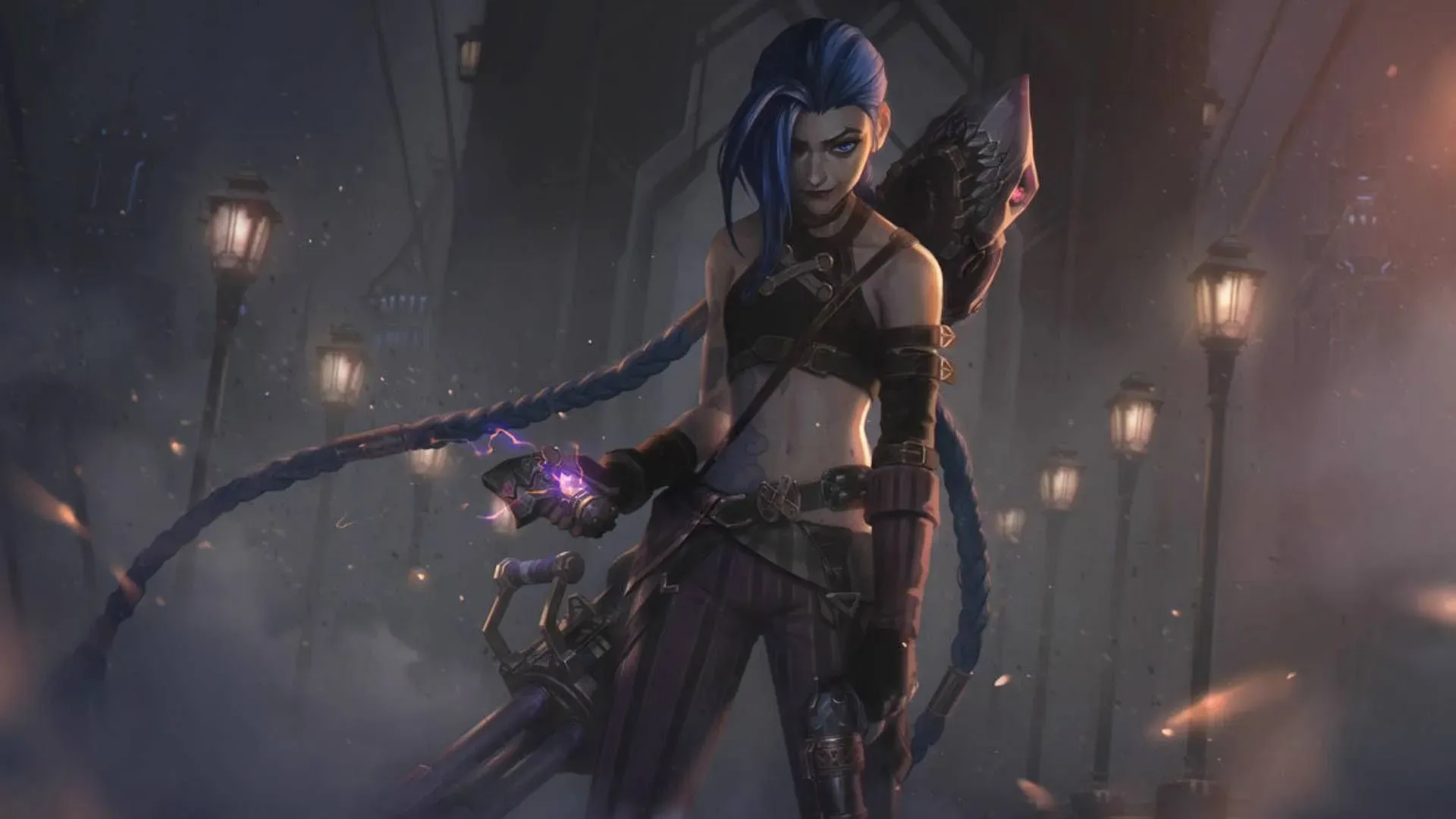
Runeterra is the setting shared by League of Legends and related projects. Merrill said Riot has spent 20 years building the world, its characters, and its factions, and that players have developed a deep attachment to them. He pointed to the ways that fandom is already expressed through League, Riftbound, and Riot’s other work.
That existing connection is the strongest part of Riot’s case. A new MMO often has to establish its setting, its fantasy, and its social identity while also asking players to learn a complex new game. A Runeterra MMO would enter with many people already interested in its champions, regions, and conflicts. Players would not necessarily be arriving as blank-slate tourists.
But familiarity is not the same thing as a complete game design. League of Legends is known primarily as a competitive game with discrete matches. An MMO asks for a different relationship: a persistent world, meaning a shared environment intended to continue changing or operating over time rather than resetting after one match. It has to give players reasons to explore, cooperate, return, and form communities on its own terms.
Riot’s challenge, then, is to translate affection for characters and lore into activities that work in an MMO. Merrill’s comments do not reveal how it intends to do that. They do, however, make clear that Riot regards the setting’s global fanbase as a prerequisite for entering the space—not a replacement for solving the game’s actual design problems.
Merrill said Riot did not want to attempt the genre before it had a global audience in the hundreds of millions, major revenue streams, and a strong team. He suggested the company now has those ingredients. In practical terms, that means Riot sees the MMO as a project it can support with substantial organizational backing, rather than a speculative attempt to create an audience from scratch.
Related coverage includes Riot Says Its League of Legends MMO Faces Enormous Risks, but Runeterra Is Worth the Challenge.
MMO is a genre label, but also a long list of hard commitments
“MMO” can sound like a single category, but it describes a particularly demanding kind of game operation. The initials stand for massively multiplayer online: games built to host large numbers of players in connected online spaces. That introduces challenges beyond making a compelling campaign or a competitive mode.
A successful MMO needs systems that support people playing at different speeds and for different reasons. Some may care most about social groups, others about combat, progression, collectibles, exploration, or competition. The game must also be understandable to newcomers while remaining interesting enough for committed players. Those tensions are why Merrill described the scope, expectations, and challenge of MMOs as extreme.
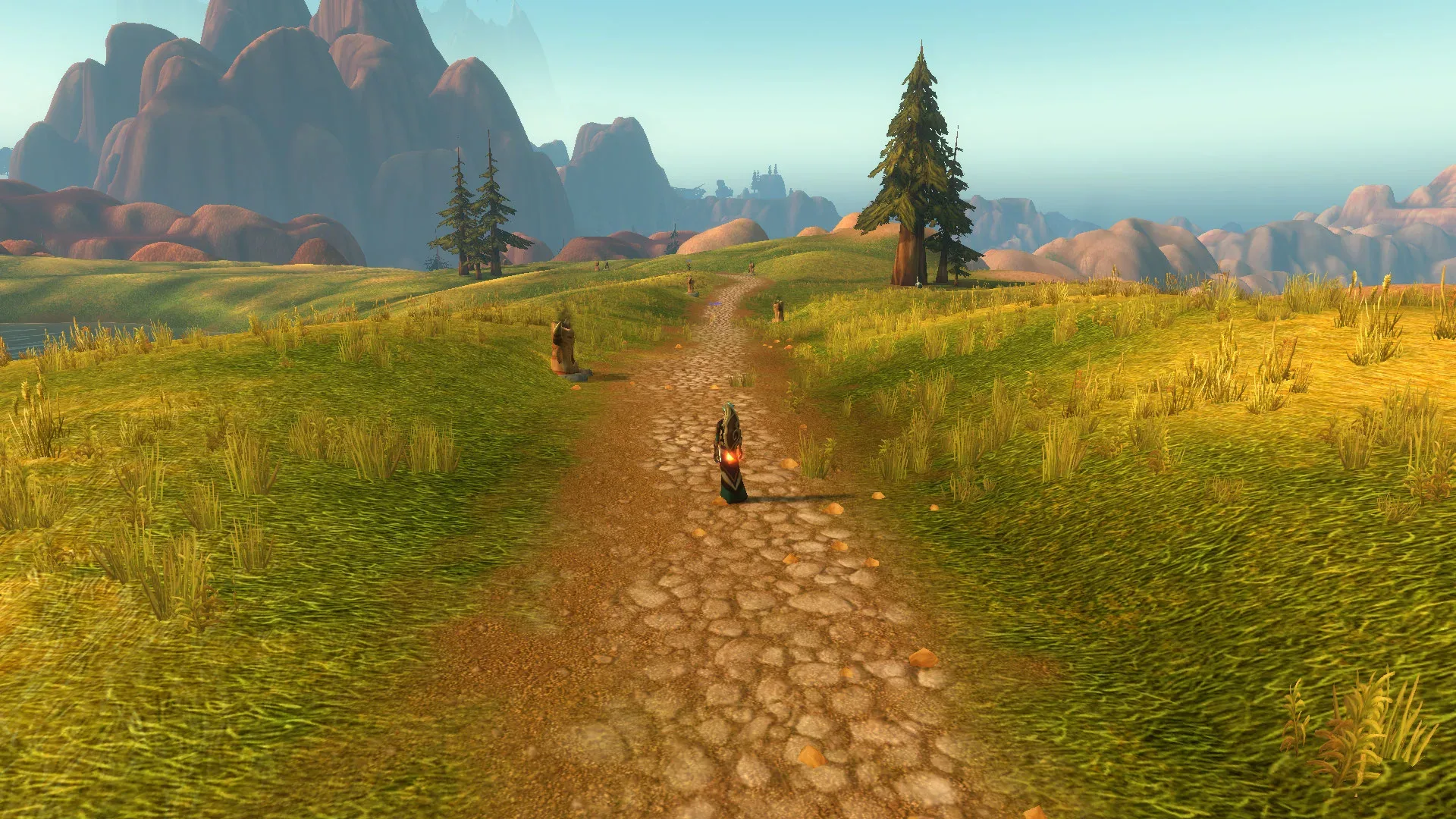
Time is another issue raised in the discussion. Dedicated MMO players are often older and may have less free time, while existing games can already occupy the hours they do have. World of Warcraft was cited as an example of the kind of entrenched giant Riot would be entering alongside. For players still invested in Azeroth, even a promising new world has to answer a practical question: what is worth changing in a routine built around another live game?
That does not mean every player must abandon one game for another. It does mean a new MMO has to be clear about the experience it is offering and the commitment it expects. This is especially important in a genre where social connections can make leaving an established game more difficult than simply uninstalling it.
Players interested in how an MMO can make travel and the shape of its world feel meaningful can see a related discussion in this look at WoW: Forever’s Night Watchman’s Torch. The relevant takeaway for Riot is not that another game provides a formula to copy, but that world design, routine, and player time all matter in a persistent setting.
The danger of trying to serve everyone
Merrill also identified a creative risk that applies well beyond MMOs: building for everyone can leave a game too diluted to be particularly valuable to anyone. His point was that Riot must decide what its version of a Runeterra MMO is actually for.
That is a significant statement because League’s universe is broad. It contains a large cast of characters and multiple factions, and different fans can be attached to very different parts of it. A project with that much baggage can be tempted to promise every fantasy at once. Yet an MMO still needs priorities. Its choices about the kinds of play it emphasizes will define whether the world feels coherent.
For prospective players, this is also why the absence of detailed public information should encourage patience rather than assumption. “League of Legends MMO” establishes the universe and genre, not the specifics of how characters are created, what progression looks like, how players interact, or what portions of Runeterra are represented. Those unanswered questions are where the project’s identity will ultimately be decided.
Merrill did not minimize the risks. He said there are many sensible reasons Riot should not be pursuing the project, while also arguing that its hardest problems are worth tackling. He compared that feeling to earlier efforts he helped build, including League, Riot itself, and Arcane, which he said had once seemed implausible or foolish.
That attitude is ambitious, but it is not a release promise. It is better read as a statement of intent: Riot thinks the project is sufficiently difficult and sufficiently valuable to pursue, even with the possibility of failure plainly in view.
Why caution around Riot’s wider projects is understandable
Fan caution has a recent context. In August, Riot said 2XKO would end active development in December, following its full console launch in January. The company said it had not seen enough players continue with the fighting game to find a sustainable path forward and could not identify a viable future for it.
The situations are not interchangeable. A fighting game and an MMO have fundamentally different structures, audiences, and development needs. It would be a mistake to treat 2XKO’s outcome as direct evidence that the League MMO will succeed or fail.
Still, the episode makes one part of Merrill’s comments especially relevant: a recognizable universe alone cannot guarantee durable participation. Riot is explicitly staking its MMO argument on Runeterra’s scale of fandom, but the studio will still need to offer players a compelling reason to remain engaged after initial curiosity fades. That is true for any live game, and even more so for a project that may ask for substantial time and social investment.
At this stage, the most concrete news is not a feature reveal. It is a clearer statement of Riot’s philosophy. The company believes it has waited until it had enough audience reach, revenue, and team capacity to take on the genre. It also recognizes that it cannot safely make a watered-down attempt to satisfy every segment of its audience.
For League fans, that leaves a mix of encouragement and uncertainty. Riot has a world with a long-running, global audience, and its leadership is openly framing the MMO as one of the company’s hardest undertakings. Whether that confidence becomes a game players want to inhabit will depend on details that have not yet been shared.