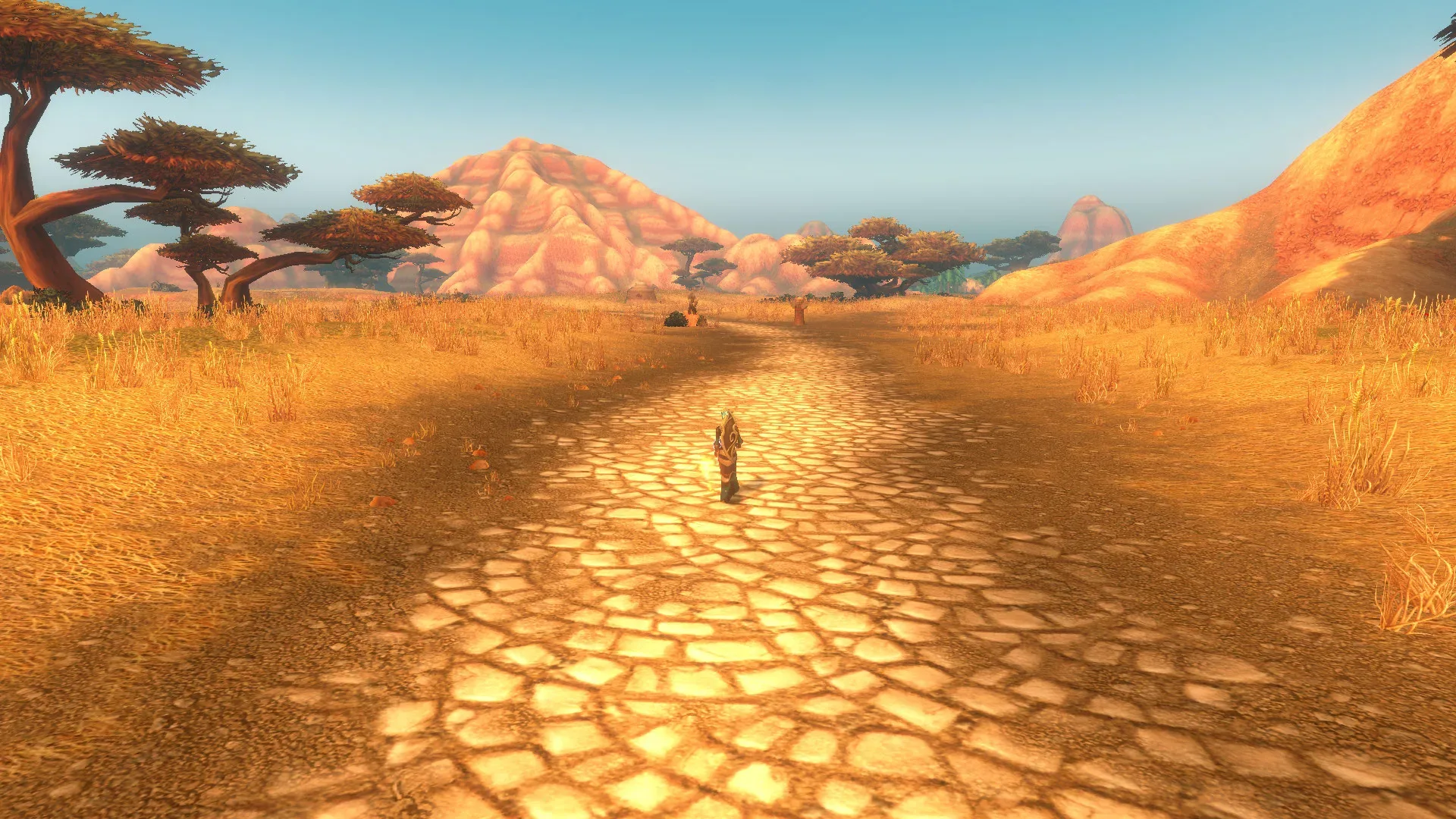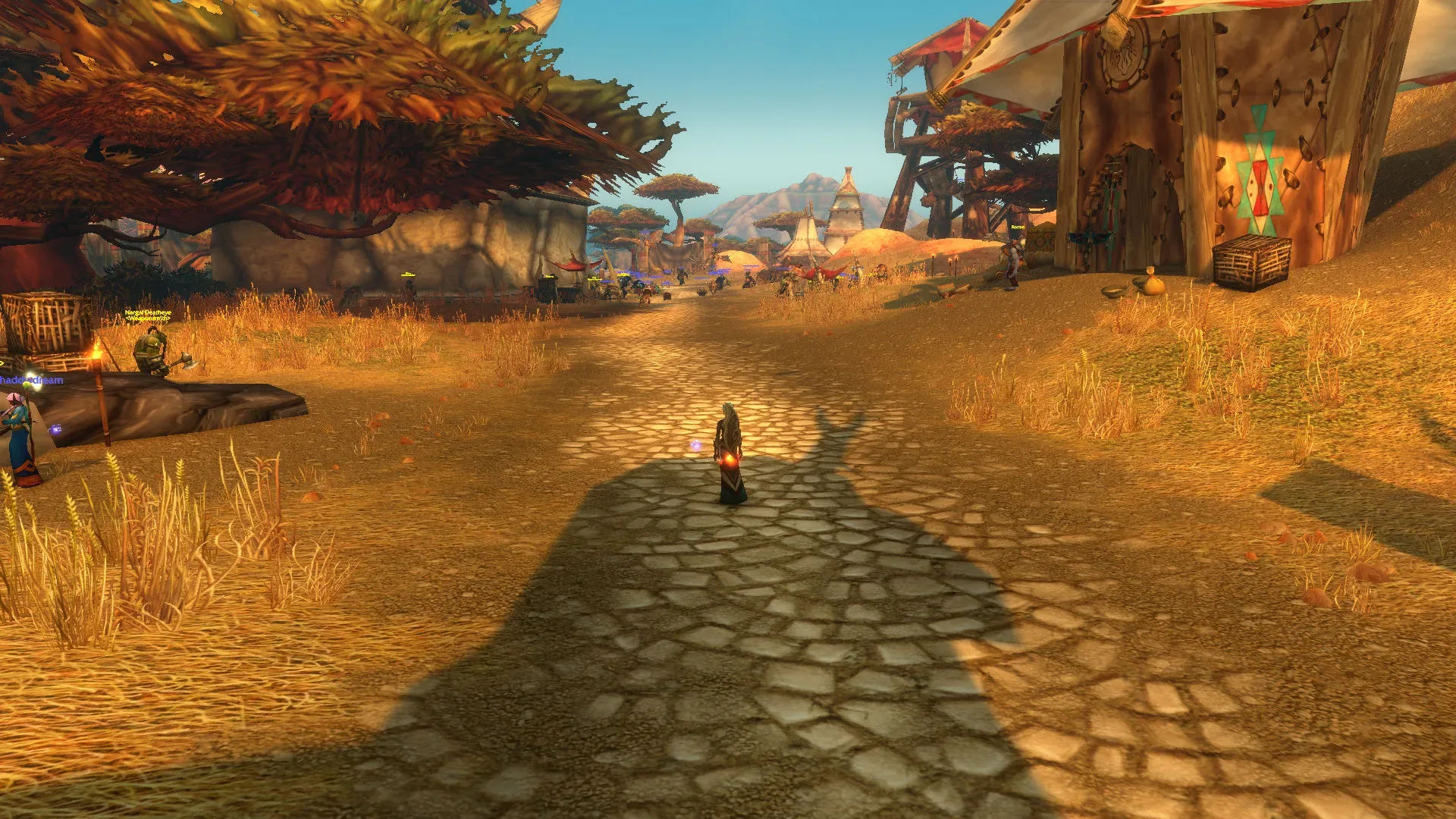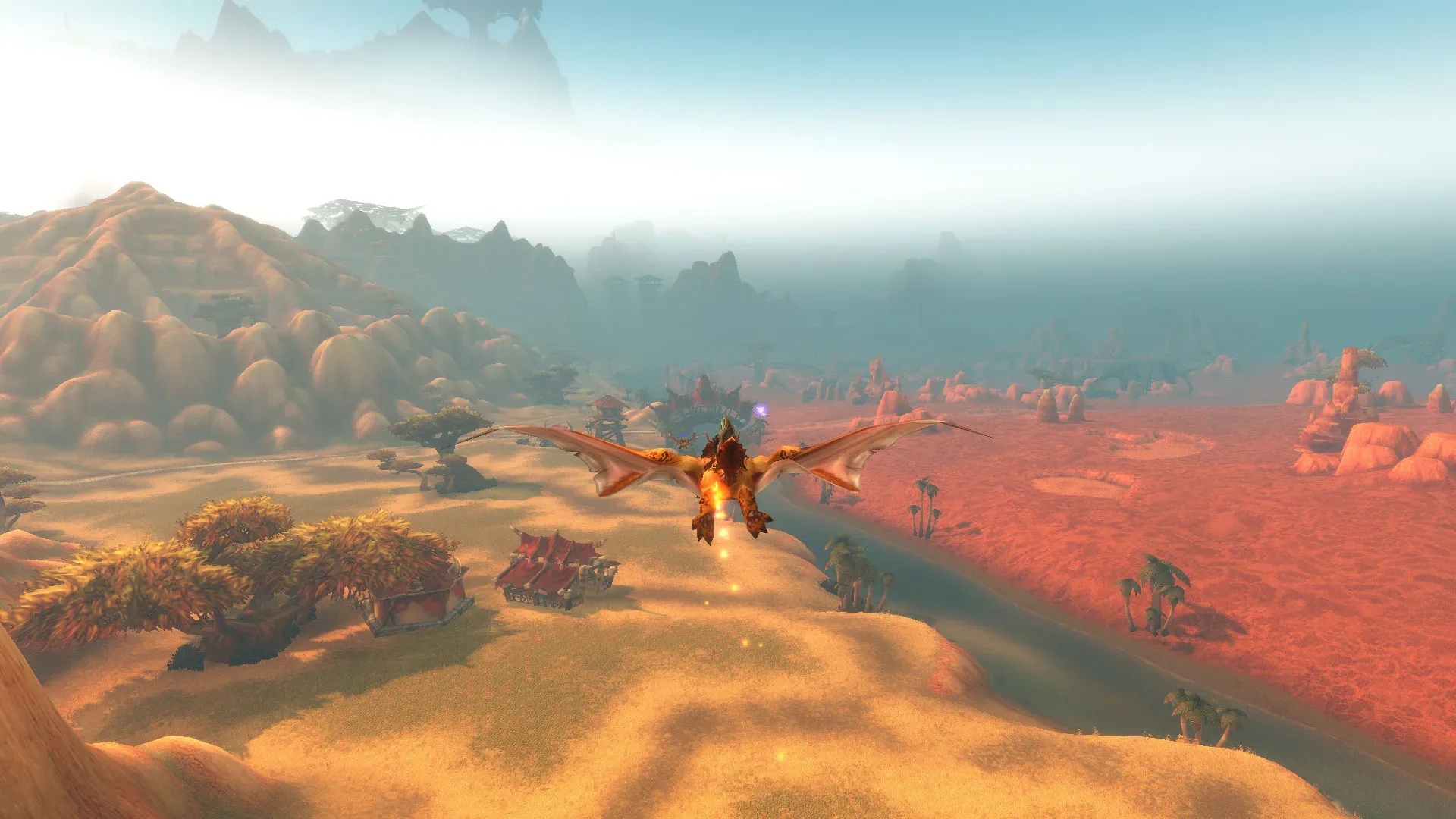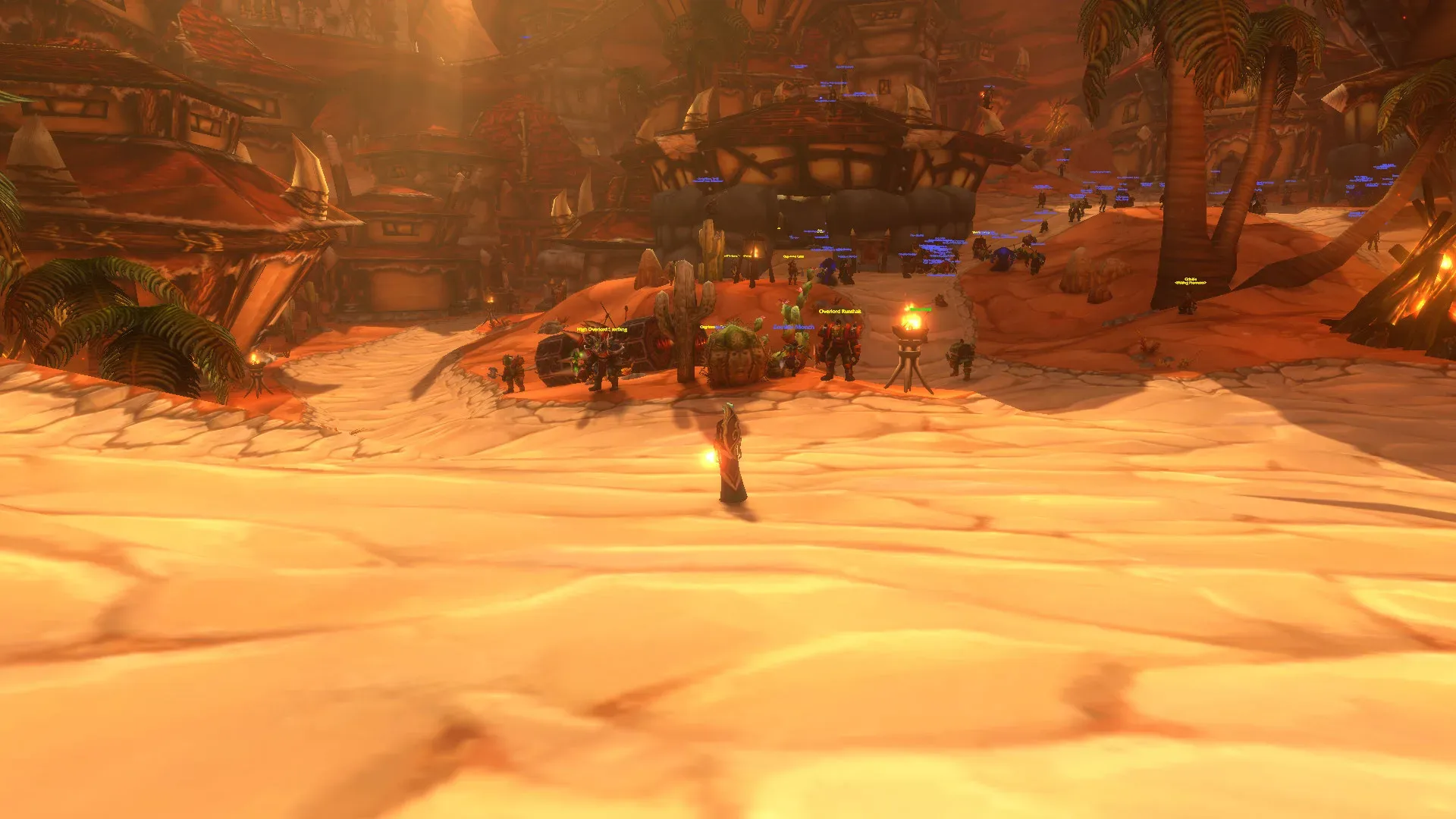
Azeroth has a new reason to make players stare into the dark: the Night Watchman’s Torch, a newly discovered toy in World of Warcraft: Forever. It is a modest reward on paper, but its appeal is unusually clear. The item lets a character carry a torch that produces light while still keeping a weapon equipped, creating an effect that previous torch-shaped or flame-covered weapons have not provided in the same practical way.
That distinction is everything. A fiery weapon can make a character look dramatic; a proper handheld light source changes the mood of the space around them. The torch’s glow can illuminate darker passages, catch on tunnel walls, and recede into the distance as its bearer runs away. In a version of Azeroth with enhanced lighting, shadows, mist, and darker corners, that makes a tiny toy feel like a meaningful piece of adventuring equipment even when it is not strictly necessary for survival.
There is an important caveat for prospective torch bearers: the reported pickup is on a corpse in Duskwood, south of Stormwind in the Eastern Kingdoms. The exact journey can be wildly different depending on faction, level, unlocked travel points, and the state of the beta. But the core lesson is simple: do not treat a low-level Horde character’s overland dash from Kalimdor to Duskwood as a quick errand.
Why this torch stands out
In MMO terms, a toy is generally an item used for an effect or a bit of character expression rather than a direct upgrade to combat statistics. The Night Watchman’s Torch fits that spirit, but it is more than an idle animation or cosmetic transformation. It visibly affects nearby darkness. Crucially, it does so without asking the player to replace their equipped weapon with a torch weapon.
That means it preserves the fantasy that many players want from dungeon crawls, night travel, caves, and eerie woods: an armed character pushing through a hostile place with a light held at the ready. World of Warcraft has not required conventional illumination as a mechanical necessity, but atmosphere does not need to be mandatory to be valuable. Duskwood, Tirisfal Glades, tunnels, and similarly shadowy spaces gain a little extra tension when a player can choose to bring their own moving pool of light.
The beta’s improved lighting is the other half of the story. Brighter open spaces can make the world feel more vivid, while fog, deep shadows, and more pronounced darkness give other regions stronger character. The torch is compelling because it responds to that presentation rather than merely decorating a character model. It is a small systemic-looking touch with a large role-playing payoff.
Where the route gets difficult for Horde characters
Duskwood is described as a zone aimed largely at characters in their 20s. During the attempted run, the character was level 14, at a point when the beta level cap had been 20; a subsequent large update raised it to 30. There were no mounts available, no Ghost Wolf ability yet, and no established Eastern Kingdoms flight network. Each missing convenience turned what might otherwise be a brief detour into a cross-continent expedition.
That is not just a matter of travel time. An underleveled player has to consider enemy aggro, guards, hostile territory, resurrection locations, travel routes, and server maintenance. Aggro is the term players use for the moment an enemy notices and begins attacking a character. On a difficult run, a creature that wanders too close to the road can become a major interruption, particularly if the player lacks movement abilities or a mount.
Related coverage includes WoW: Forever's New Torch Sends One Horde Player on a Perilous Azeroth Trek.
Alliance guards are a different kind of obstacle. They can be high enough level to kill an underleveled Horde traveler immediately. Being attacked by such a guard can also result in a PvP flag, meaning a player may become vulnerable to other players who are likewise flagged until that status expires. A PvE realm reduces the likelihood of unrestricted player-versus-player conflict, but it does not erase faction guards or the complications created by an unwanted flag.
A cautionary route: Mulgore to the Eastern Kingdoms
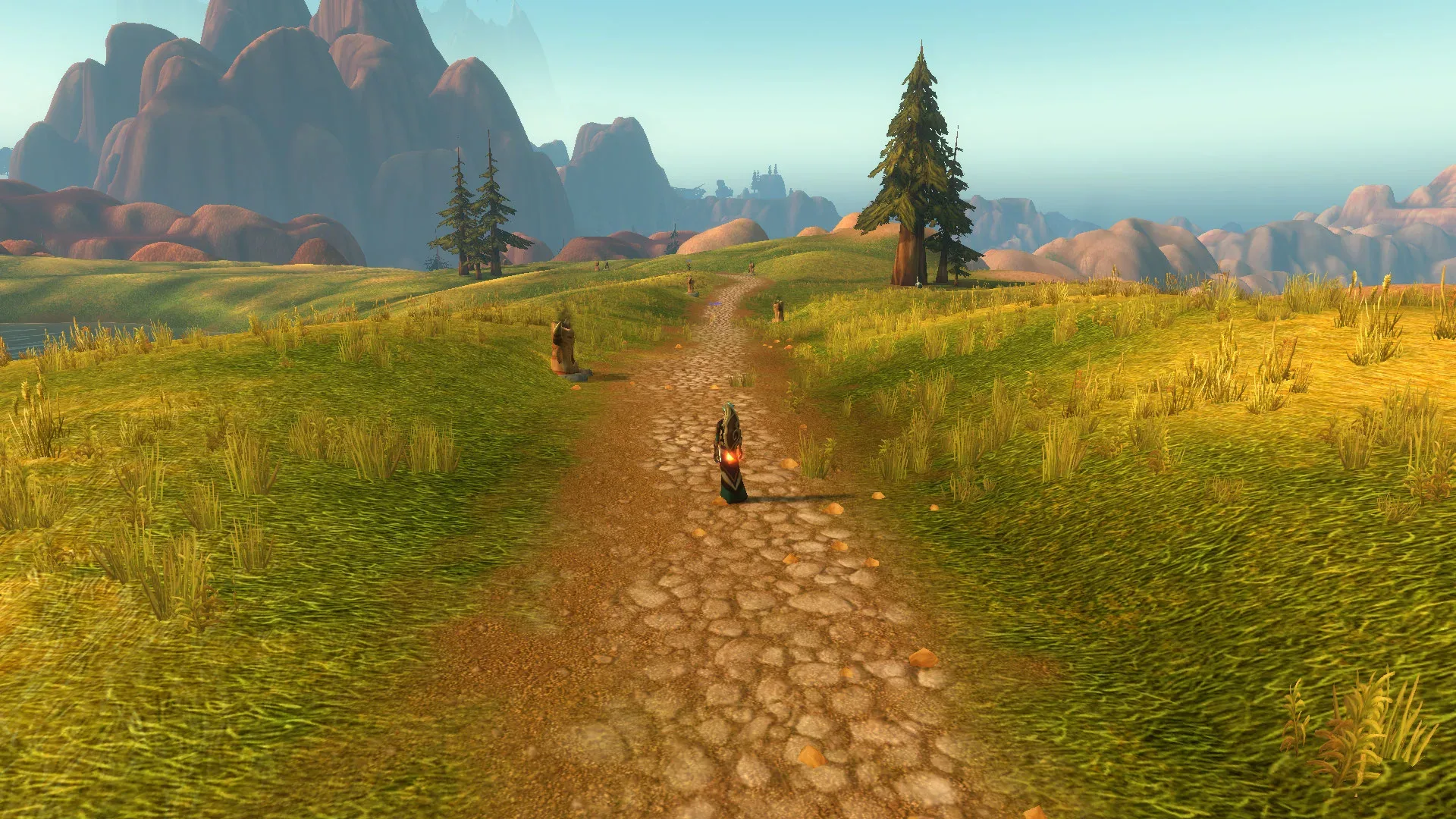
The long attempted trip began in Mulgore and headed toward Orgrimmar for the zeppelin to Undercity. What looked like a direct eastward departure instead passed through part of Stonetalon Mountains and into the Barrens. From there, the Crossroads provided a useful surprise: an already unlocked flight path to Orgrimmar, saving a substantial stretch of running.
Flight paths are discovered transportation nodes that allow characters to pay for automated flights between connected locations. They are especially useful on a first exploratory journey because every newly activated point can make later travel safer and faster. On this trek, stops to collect routes at places such as the Sepulcher and Tarren Mill mattered even though the immediate objective was the torch.
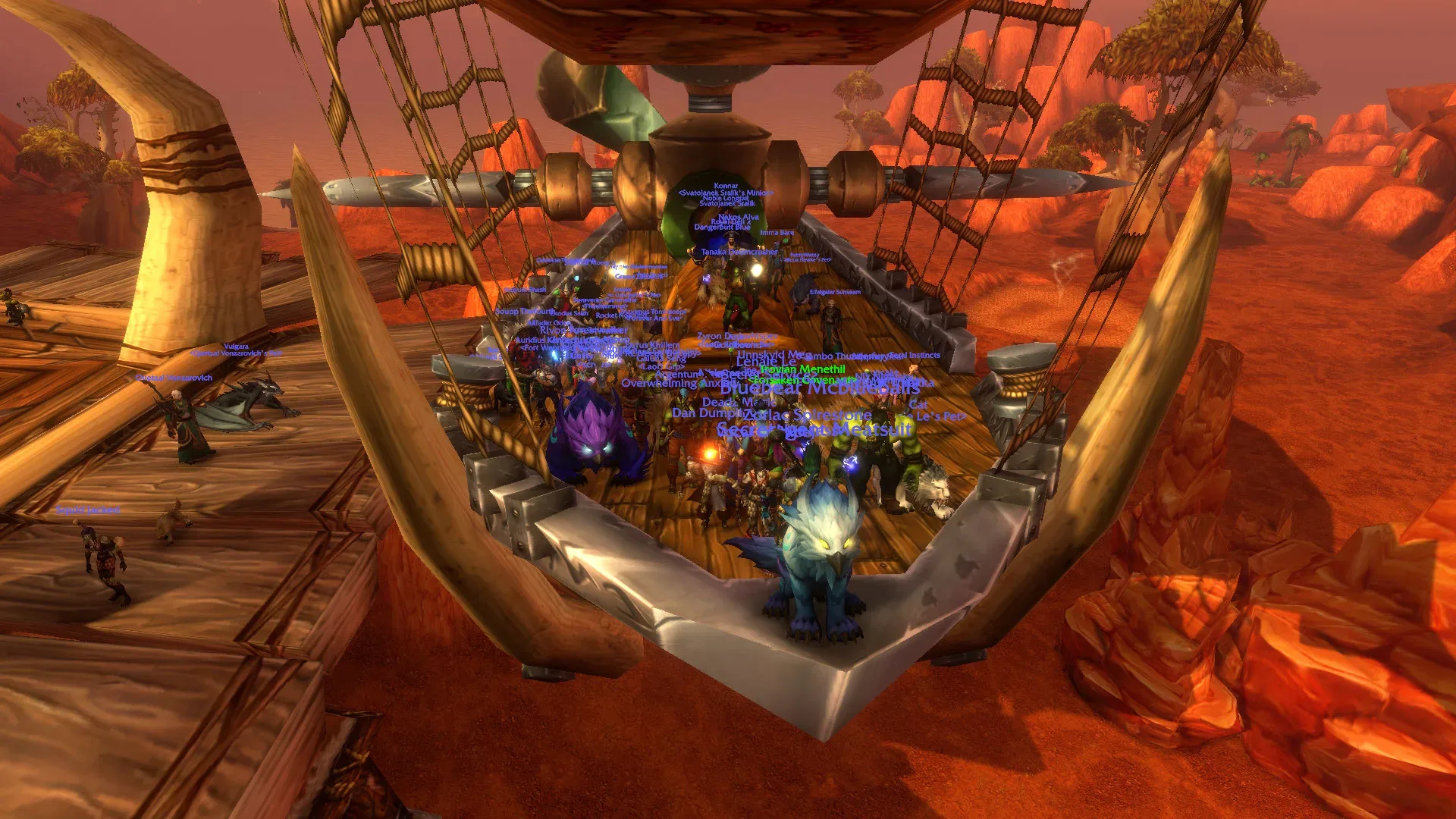
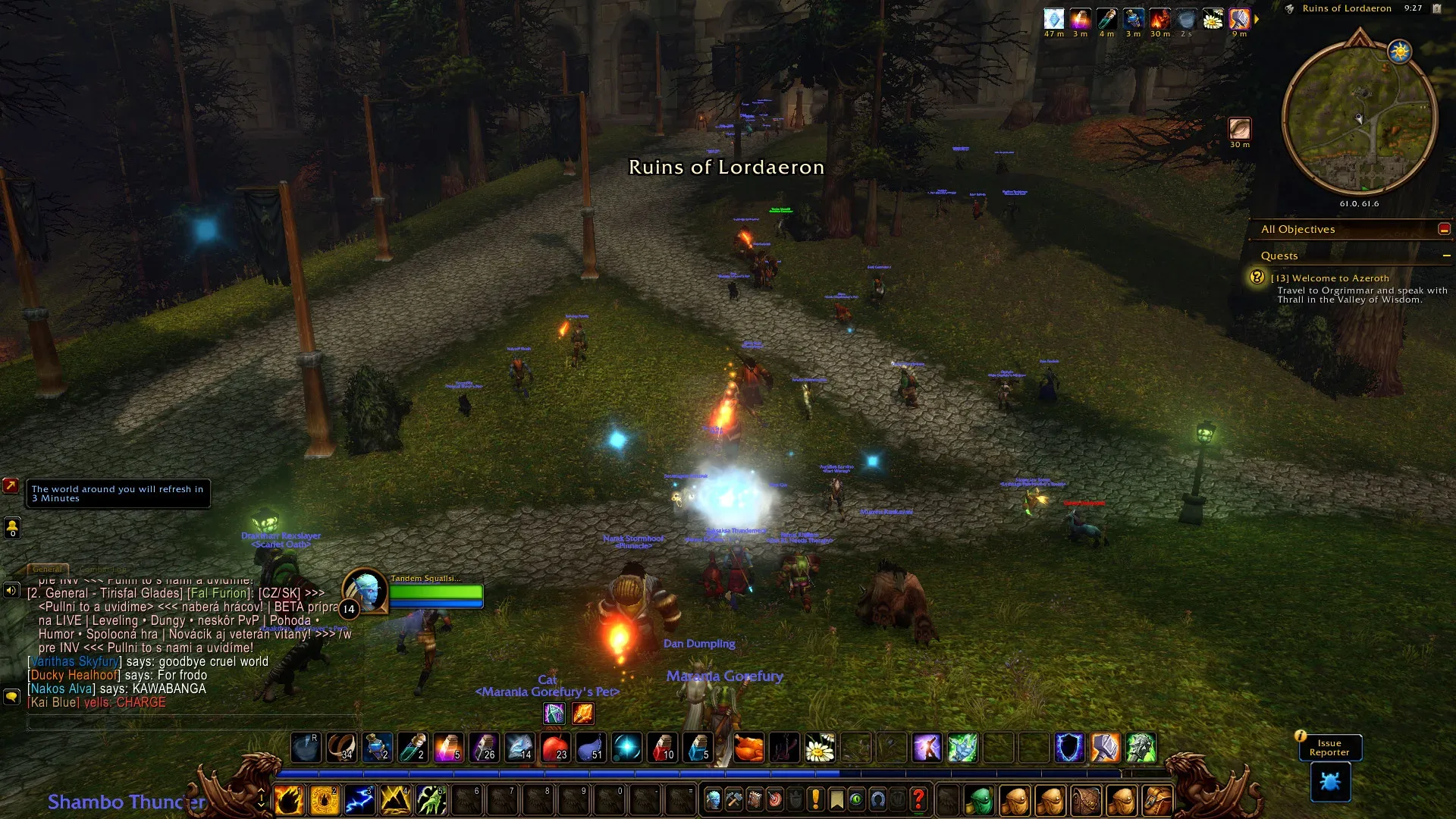
From Orgrimmar, the zeppelin reached Tirisfal Glades. The lively trip itself underlined something that fast travel can obscure: shared transit creates spontaneous social moments. Players chatted, jumped from the zeppelin on arrival, and ran toward Lordaeron together. The objective may have been personal, but the world felt populated because the journey imposed time, geography, and proximity.
The more cautious onward path avoided the Plaguelands to the east, where survival at level 14 was not realistic. Instead, it went west around the lake through Silverpine Forest, then south through Hillsbrad Foothills, Arathi Highlands, and the Wetlands. The road was not safe—spiders, bears, and higher-level enemies all posed threats—but it at least offered a route that did not deliberately funnel the traveler into an even more lethal area.
The Loch Modan problem
At the Wetlands, uncertainty over the proper southern route led east into Loch Modan. This is where the plan became substantially worse. Loch Modan is primarily Alliance territory, and its guards can erase a low-level Horde traveler in a single hit. The player did catch a glimpse of another adventurer carrying the torch in a tunnel, with its light bouncing around the walls—excellent proof that the reward was worth chasing, but terrible timing for a detour through guarded territory.
Repeated deaths led to a possible shortcut with a painful tradeoff: accepting resurrection at a Spirit Healer. Doing this applies Resurrection Sickness, a temporary debuff that severely weakens the character. It can save time by placing the player nearer to their goal or beyond a dangerous area, but it makes any ensuing combat much more dangerous. That is an emergency mobility choice, not a sound plan for fighting through a contested route.
Even after several corpse runs, the route ran into another complication: a tunnel toward Searing Gorge. Corpse running means returning as a ghost to the place where a character died to resurrect there. It is sometimes the only way to inch through an area that is far above a character’s level, but it can consume precious time—especially when maintenance is imminent.
The Searing Gorge entrance initially appeared blocked by a locked gate. In this beta, a lever beside the door could be used to open it without a key. That is precisely the kind of route-specific detail worth checking before committing to a long run, though beta conditions can change and players should not assume the same interaction will always remain available.
The practical Horde advice: use the southern connection
The strongest practical advice from this ordeal is also wonderfully blunt: Horde characters starting in Kalimdor and pursuing the Duskwood torch should consider the zeppelin to Grom’gol and the boat from Booty Bay rather than recreating the northern cross-continent march. That alternate chain was recalled only after the traveler was already corpse running through Burning Steppes, which is the sort of timing Azeroth reserves for its finest navigation lessons.
It is not a promise of a completely risk-free trip. The available evidence does not establish every leg, guard pattern, or final approach to the corpse in Duskwood. However, it is clearly a better starting point than heading from Undercity through high-level zones, Alliance regions, Loch Modan, and Searing Gorge while underleveled and without a mount.
- Be closer to the intended level range before making the trip if possible.
- Unlock flight paths wherever practical; they turn a risky one-time expedition into a manageable return route.
- Do not assume the most direct route on the map is survivable for your faction and level.
- Avoid Alliance guard-heavy areas when playing Horde, especially if a PvP flag would create further risk.
- Use Spirit Healer resurrection only when the time saved is worth the severe temporary weakness.
- For a Kalimdor-based Horde character, look into the Grom’gol zeppelin and Booty Bay boat connection before attempting a northern land route.
Why an inconvenient toy is the point
Modern World of Warcraft travel can be extraordinarily efficient: fast mounts, flying, portals, and broad transport networks remove much of the friction between a player and an objective. That convenience has real value, particularly for repeat activities. Yet the torch hunt shows what gets lost when every destination becomes a menu selection or a short flight away.
An impractical journey can create a memorable story because it asks players to read the world rather than simply pass through it. A wrong turn matters. A newly discovered flight point matters. A tunnel lever matters. Other travelers become helpful, threatening, or simply amusing background characters. Even an unwanted Hunter’s Mark can become part of the tale.
That sense of place aligns neatly with other signs of the beta revisiting old-world texture, including the return of “Kyle’s Gone Missing!”. The Night Watchman’s Torch is a different kind of addition: not a quest restoration, but an atmospheric tool that makes a player’s own route and surroundings feel more tangible.
For now, the torch’s reported Duskwood location and the safer southern travel suggestion are the key takeaways. Its broader significance is harder to quantify but easy to understand. A little light in a dark corner of Azeroth can make the world feel bigger—and, in the case of an underleveled Horde traveler, considerably more dangerous.