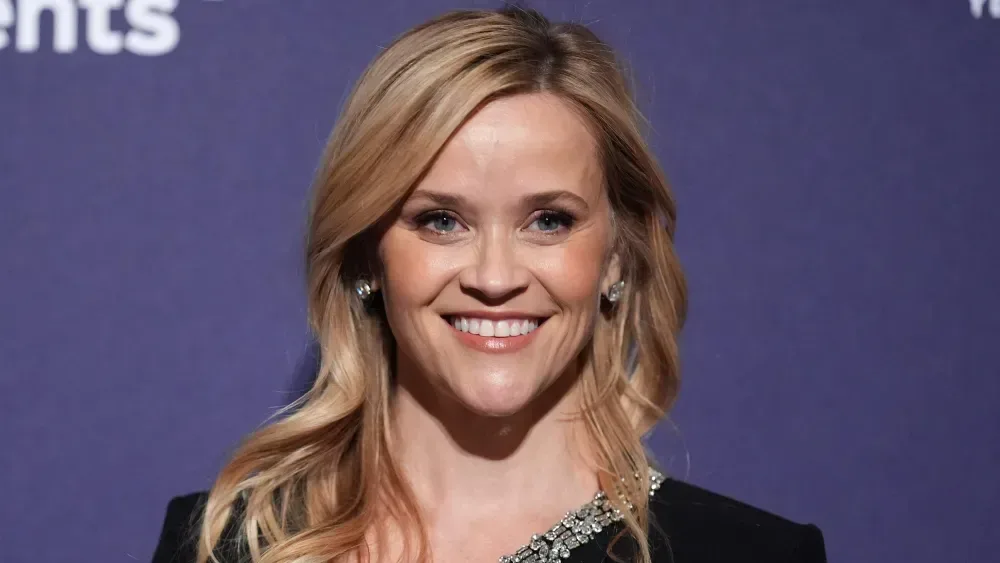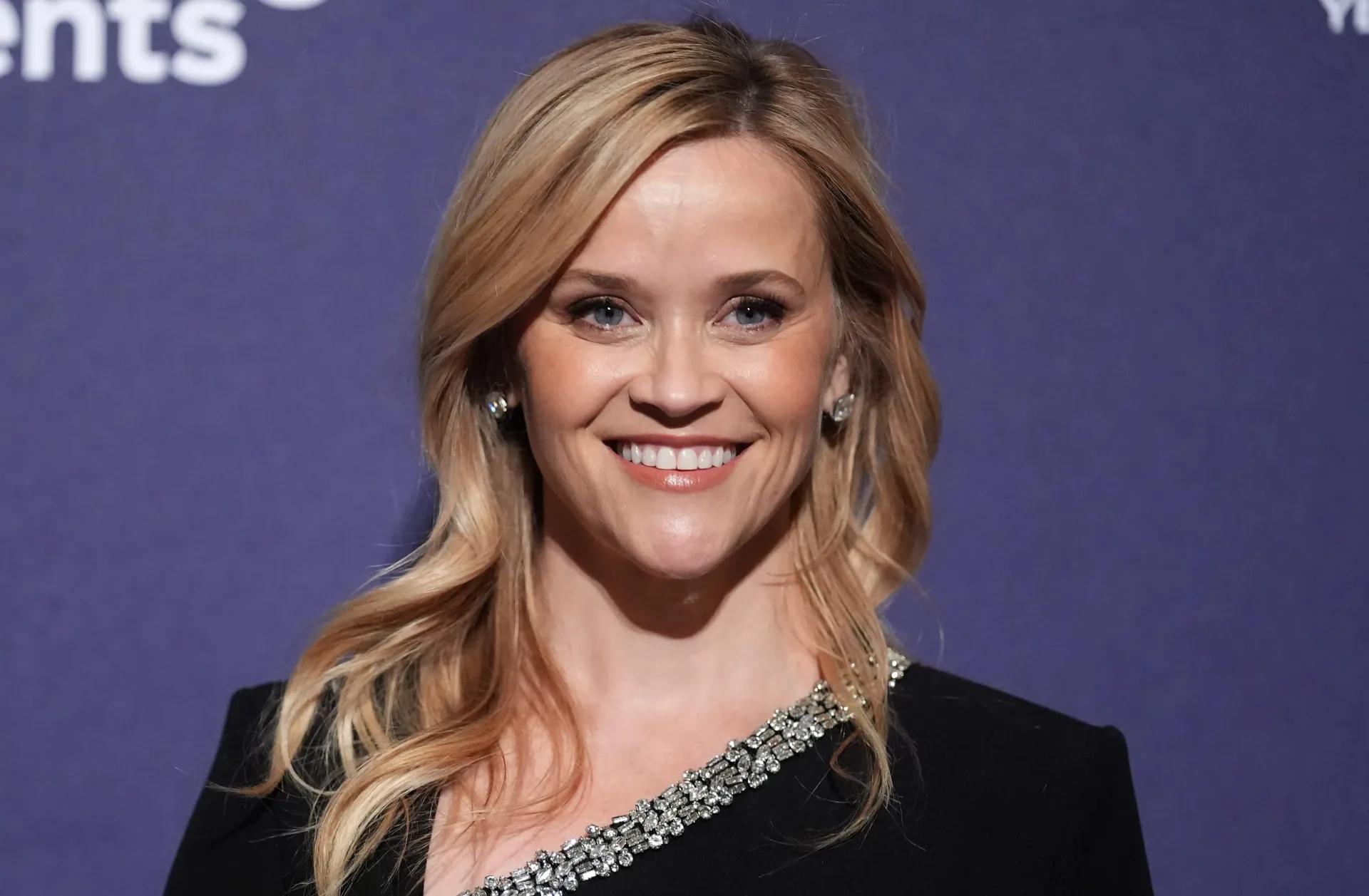
Reese Witherspoon is buying back Hello Sunshine, the production company she founded, from Candle Media with the backing of Mediawan. The arrangement brings the company into Mediawan’s growing group of production labels while keeping Witherspoon directly invested in the business she created.
Hello Sunshine co-founder Seth Rodsky is set to join the company’s board alongside Witherspoon and representatives of Mediawan. The deal is a meaningful ownership shift for a banner closely associated with premium film and television projects, as well as Reese’s Book Club.
Witherspoon framed the move as both an investment and a return to an earlier creative relationship. She said Mediawan’s emphasis on creators matches the founding vision for Hello Sunshine, and described the transaction as a “homecoming,” while crediting Peter Chernin and Jesse Jacobs for believing in the company from its earliest days. She also thanked Blackstone and Candle Media for their support.
What is changing for Hello Sunshine?
The central point is ownership: Witherspoon, working with Mediawan, is purchasing Hello Sunshine from Candle Media. The supplied details do not specify a price, the precise ownership split, or changes to Hello Sunshine’s day-to-day leadership beyond the planned board addition. It would therefore be premature to treat this as a confirmed overhaul of the company’s slate, staffing or distribution relationships.
What is clear is that Hello Sunshine is joining a larger independent-studio structure. In industry terms, an independent studio is a production operation outside a traditional major studio’s internal production system. Such a group can own or partner with multiple labels, offering them shared access to resources, talent and intellectual property while allowing individual companies to maintain their identities.
That distinction matters here because Mediawan’s stated approach is not simply to absorb recognizable labels under one uniform brand. Pierre-Antoine Capton, Mediawan Group’s co-founder and CEO, said the group aims to provide its creative companies with resources and scale while preserving their independence.
For Hello Sunshine, the practical promise is broader access to a network that already spans several producers. For Mediawan, the appeal is equally direct: Hello Sunshine brings an established track record in screen storytelling and a reader-facing brand through Reese’s Book Club. The supplied information does not establish what specific project, book selection or show will be the first to reflect the new ownership structure.
A company built around screen stories and a book community
Witherspoon founded Hello Sunshine in 2016 with backing from Chernin and Jacobs through The Chernin Group. It subsequently became known for projects including Big Little Lies, The Morning Show, Daisy Jones & The Six and the 2022 drama film Where the Crawdads Sing.
Its more recent releases include Elle, the Legally Blonde prequel series for Prime Video, and Lucky with Apple TV. Those titles point to the range of platforms with which the banner has been associated, but they should not be read as evidence that the ownership deal alters any existing platform arrangement. No such changes have been detailed.
Reese’s Book Club is another key part of the company’s identity. Capton specifically cited the community connection created through the book club when explaining why Hello Sunshine fits Mediawan. That gives the acquisition significance beyond a library of prior productions: it concerns a creative brand with links among book audiences, adaptable intellectual property and filmed entertainment.
Intellectual property, often shortened to IP, means the underlying protected work or concept that can support a creative production. In this context, the term can include material such as books that may be developed for television or film. Access to a wider IP and talent pool is one of the benefits Mediawan says it seeks to provide its producer labels. That is a strategy statement, not a promise that every book-club selection will become a screen project.
Mediawan’s expanding production network
Mediawan has recently acquired several established Hollywood production companies, including Chernin Entertainment, Plan B and See-Saw Films. Its wider roster also includes Kinetic Content, Wiedemann & Berg, Palomar, Our Films, Drama Republic, Chapter2 and Chi-Fou-Mi.
Projects associated with Mediawan brands include films such as Backrooms, F1 and The Greatest Showman, plus series including Slow Horses, Call My Agent!, Love Is Blind and New Girl. The breadth of that list helps explain the strategic language around scale. Mediawan’s portfolio spans different kinds of film and TV work rather than one narrow format or audience.
That is also why the company’s independence pledge will be closely watched. Building a group from high-profile labels can create opportunities for producers, but the labels’ distinct voices are part of what made them valuable in the first place. Mediawan is arguing that greater shared capacity and separate creative identities can coexist. The eventual test will be whether Hello Sunshine continues to look and operate as a recognizable producer while gaining the benefits of the larger group.
For viewers, there is no announced immediate change in where Hello Sunshine programming can be watched. No release calendar, new title, platform deal or launch date was provided alongside the ownership news. The near-term implications are corporate and creative rather than consumer-facing: a prominent production brand is changing hands and becoming part of a wider international network.
The Candle Media chapter and the new partnership
Candle Media previously acquired Hello Sunshine in a deal that brought the company’s valuation to nearly $1 billion. The supplied account contains an incomplete acquisition year, so the timing should not be stated more precisely here. Regardless, the valuation underlines the scale at which Hello Sunshine had grown after its 2016 launch.
The new transaction also reconnects several names that have been important to the company’s history. Witherspoon highlighted the early support of Chernin and Jacobs, while Mediawan’s recent acquisition of Chernin Entertainment places the Hello Sunshine deal within a broader set of moves by the buyer. That does not mean the companies will automatically merge operations or share every project; the confirmed information supports a shared parent network, not a detailed operating blueprint.
Moelis & Company acted as financial adviser to Candle Media. Candle Media and Hello Sunshine were represented by Kirkland & Ellis; Witherspoon was represented by Latham & Watkins; and Mediawan was represented by Gibson Dunn.
The deal lands amid continued interest in companies that can pair recognizable creative leadership with durable audience relationships. Hello Sunshine brings both: Witherspoon’s role as founder and producer, plus a catalog of well-known screen projects and the continuing cultural reach of Reese’s Book Club. Mediawan brings a larger collection of production brands and an explicit plan to connect them through talent, IP and resources.
For now, the most concrete outcome is straightforward. Witherspoon is again investing in Hello Sunshine, Mediawan is taking it into its studio group, and Rodsky will join the board. How that structure translates into future films, series and adaptations remains to be seen. Readers following the business side of screen culture can also find a different example of film programming in this look at an upcoming Once Upon a Time in Hollywood screening and conversation.