Rare is moving under Activision as part of Microsoft’s latest Xbox reshuffle, creating an unusually neat corporate reversal: Activision was reportedly among the companies pursuing the British developer before Microsoft bought it in September 2002.
The move arrives amid a broader round of Xbox changes connected to planned cuts of 3,200 jobs across FY27. For players, the immediate temptation will be to read the reorganization as a clue about the future of Sea of Thieves, Banjo-Kazooie, or Rare itself. The facts provided so far are narrower. Rare has been placed under Activision’s oversight; no new game, platform plan, release schedule, or revival of an older series has been established by that change alone.
Even so, the history makes the shift worth watching. More than two decades ago, Microsoft and Activision stood on opposite sides of a contest for the same studio. Now Rare is within Activision’s organizational orbit—though both the company and Rare’s work are very different from what they were in 2002.
A deal that could have gone another way
Before the 2002 sale, Nintendo held a 49% stake in Rare. When Nintendo declined the opportunity to acquire the remaining 51%, a bidding process followed. Microsoft ultimately purchased Rare for $375 million in September 2002.
Activision was one of the major interested parties in that competition. Nintendo also remained connected to the process despite declining to buy the rest of Rare, based on a past account from former Microsoft executive Ed Fries. The outcome, of course, sent Rare to Xbox rather than Activision.
That original acquisition is central to why the new reporting line has resonance beyond a routine corporate-chart update. Rare was not merely another developer being shuffled between divisions: it was a studio whose ownership had once been directly contested by the company that will now oversee it.
It is important, however, not to overstate what “under Activision” necessarily means. In a large publisher structure, oversight can concern leadership, planning, resources, or business coordination. It does not automatically reveal which projects a studio will make, whether it will change teams, or whether dormant intellectual property will return. Players looking for a declaration about Banjo-Kazooie should regard the reshuffle as a business development, not as evidence of a particular game announcement.
Rare’s identity has changed with the industry
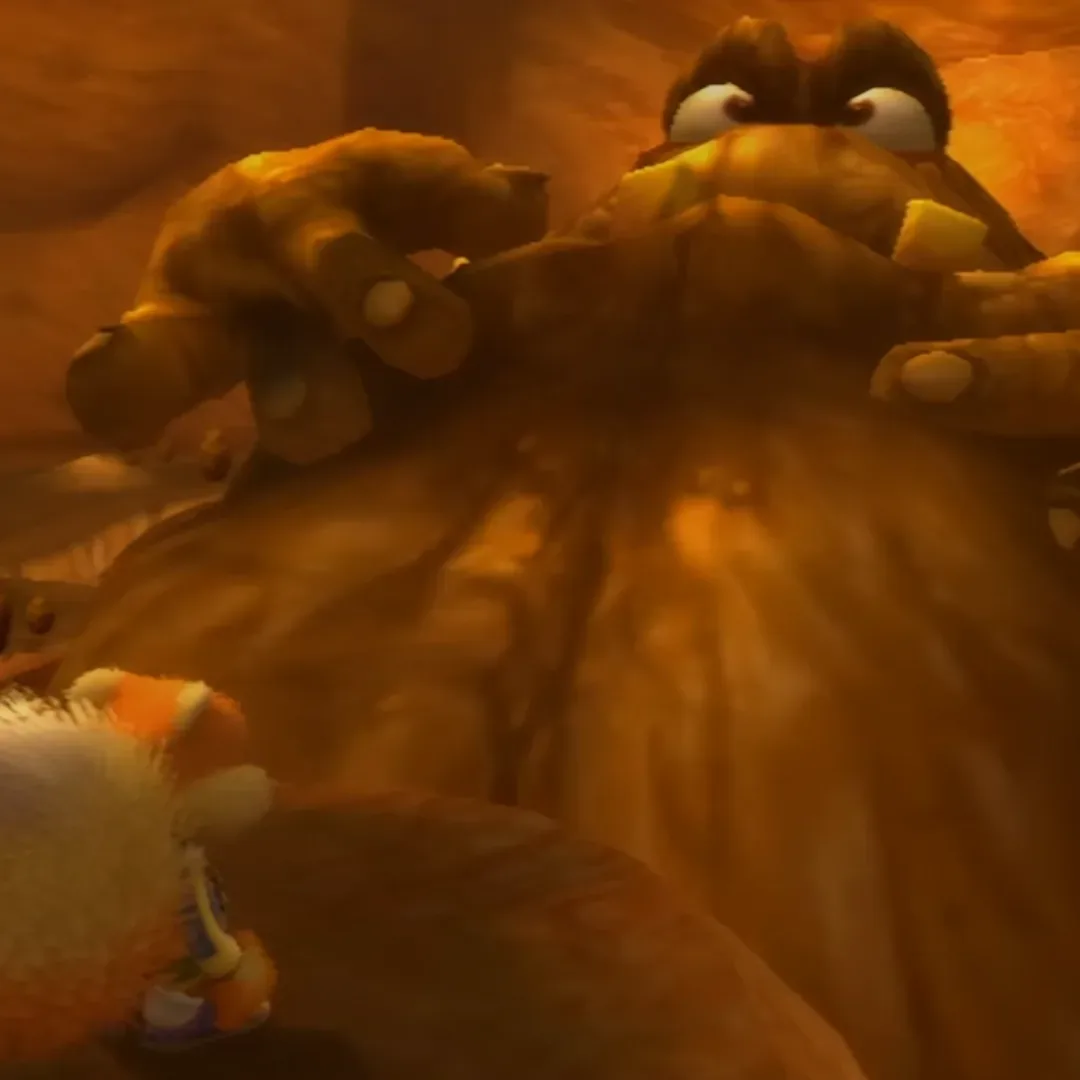
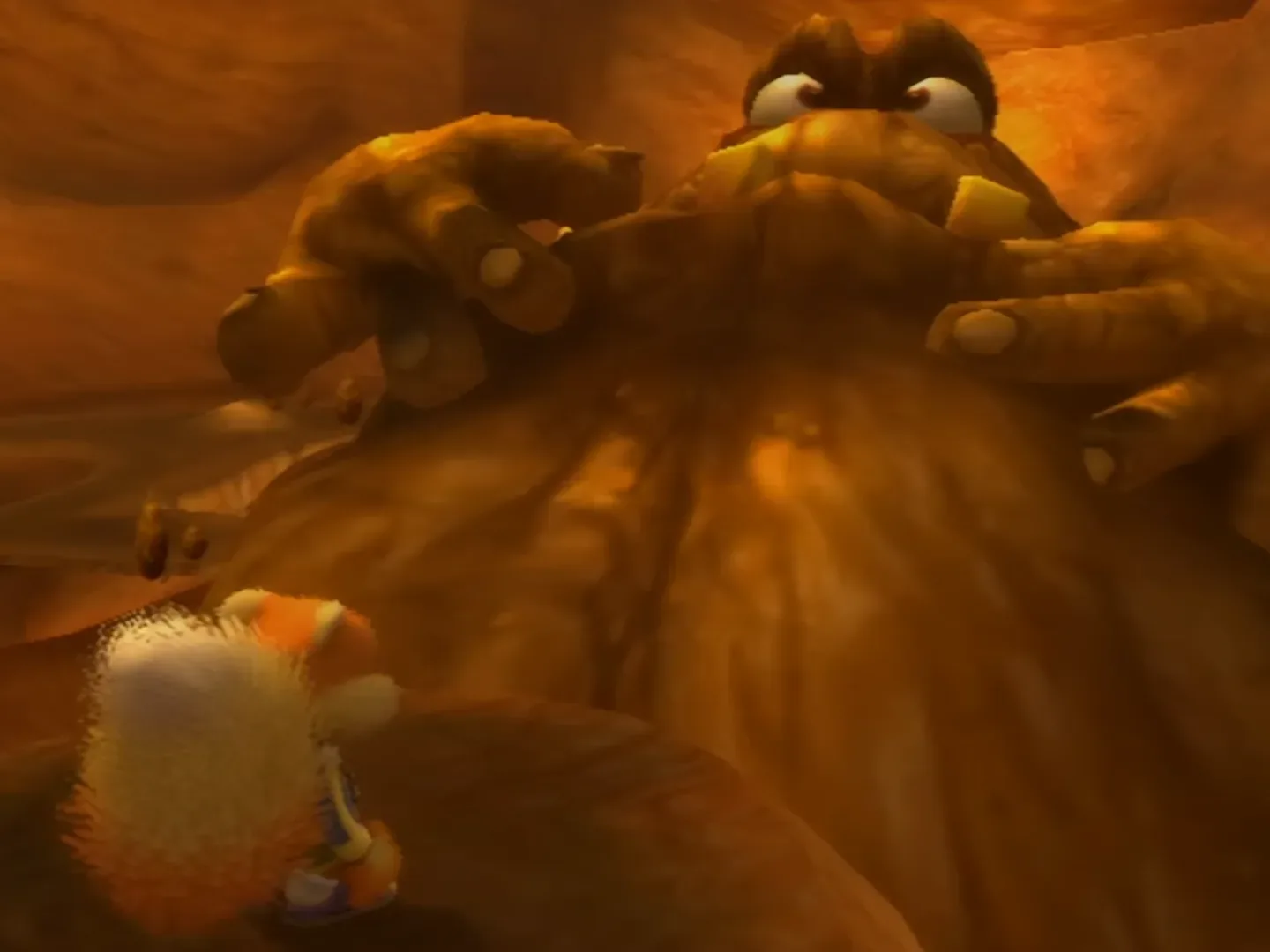
Rare’s reputation was built in large part during the 1990s, when it was responsible for prominent work across Nintendo platforms, including its celebrated SNES and Nintendo 64 era. Banjo-Kazooie became one of the defining mascot-platforming properties associated with that period.
Related coverage includes Rare Moves Under Activision in Xbox Reshuffle, 24 Years After a Lost Acquisition Bid.
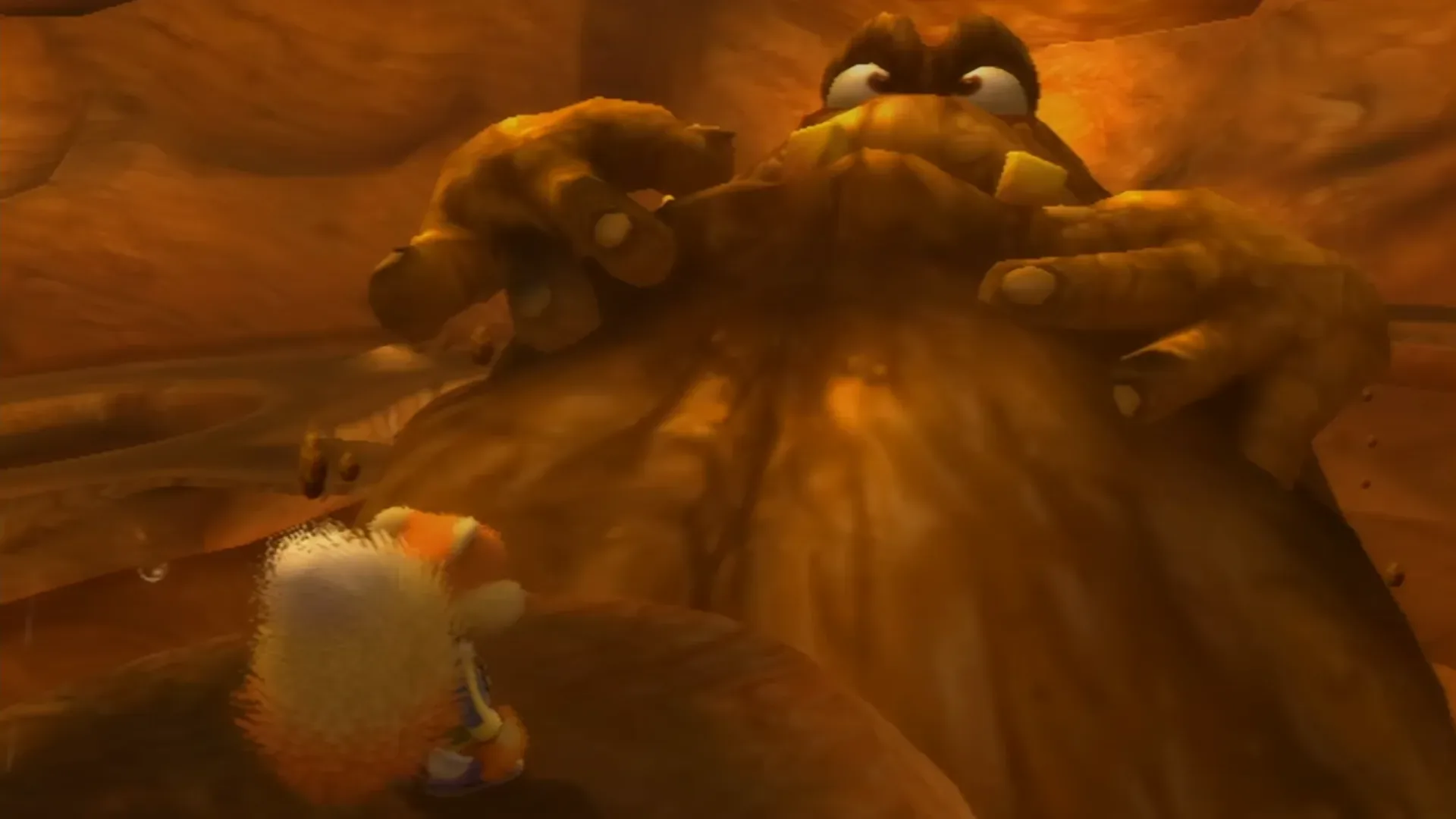
Its years under Microsoft produced a more uneven public narrative. Rare released the Viva Piñata games and Banjo-Kazooie: Nuts & Bolts, both specifically remembered as notable releases from the post-acquisition period. But the studio did not reproduce the same broad cultural standing often attached to its earlier output. Nuts & Bolts also illustrates a recurring challenge for legacy series: it placed Banjo in a substantially different kind of game, a decision that can divide fans even when the work itself has supporters.
Today, Rare’s most significant active identity is Sea of Thieves, described as a successful live-service title. “Live service” generally refers to a game designed to continue operating and evolving after release, rather than ending its commercial relationship with players at launch. That model can involve ongoing updates and a continuing player community. In Rare’s case, it means the studio’s central focus is far removed from the self-contained console platformers most closely associated with its past.
That distinction matters when evaluating the Activision move. This is not simply the company behind a Nintendo 64 classic joining the same umbrella as other old platforming mascots. It is also an active studio with an established ongoing game, being placed beneath a publisher organization with its own large-scale games business.
Banjo, Crash and Spyro under one banner—on paper
The most striking symbolic result is that Banjo-Kazooie, Crash Bandicoot, and Spyro the Dragon now sit within the Activision banner. Banjo emerged from Rare’s Nintendo-era legacy, while Crash and Spyro are strongly tied to the original PlayStation generation. For fans who remember the platform-holder rivalries of that era, the grouping is an eye-catching reminder of how thoroughly game ownership can shift over time.
Yet ownership and output are not the same thing. A character can be part of a corporate portfolio without receiving a new release, and a studio can hold a renowned legacy while spending its present on a completely different project. The new structure brings these properties closer together administratively, but it does not confirm a crossover, remaster, sequel, or any other creative collaboration.
That restraint is particularly useful here because nostalgia can turn a restructuring into a wish list very quickly. Rare’s catalog carries a powerful association with a specific style of console game. Activision’s history contains other familiar mascots. The overlap is real at the level of corporate stewardship, but any conclusion beyond that would be speculation.
Why the reshuffle deserves attention
For existing Sea of Thieves players, the practical question is whether the reorganization affects the game’s support and direction. Nothing in the disclosed information answers that question. The confirmed point is the reporting change itself, against the background of planned job cuts and wider Xbox restructuring.
For fans of Rare’s older work, the move is a reminder that the studio’s past remains commercially and culturally significant even as its current work has changed. Its earlier library still anchors discussion around the company whenever Rare’s place in Microsoft shifts. That is partly because the studio’s transformation—from Nintendo-associated developer, to Microsoft acquisition, to the team behind a live-service game—maps onto several major changes in how large games businesses operate.
For the broader industry, the 2002 bidding history adds a layer of irony rather than a simple verdict on what should have happened. Microsoft won Rare outright for $375 million. Activision did not. Twenty-four years later, Microsoft’s internal restructuring means Activision is now positioned above Rare in the organizational hierarchy. The path to that result was not a delayed acquisition; it was a far more indirect consequence of corporate ownership and subsequent realignment.
Rare’s move should therefore be read in two ways. It is a concrete part of a current Xbox reorganization with serious employment context, and it is a historical full-circle moment for one of gaming’s best-known studios. What it becomes creatively remains unannounced. For more on the wider Xbox staffing and studio picture, see our coverage of the reported layoffs and studio reshuffle.