Competitive multiplayer has a small but unavoidable social design problem: if a group of friends gathers to spend time together, a game may still conclude by selecting one or more of them to feel rotten about the evening. Petter Henriksson, CEO of Landfall Games and one half of Peak’s development partnership with Aggro Crab Studios, boiled that tension down to a blunt observation: “Losing feels terrible.”
It is an obvious statement, which is exactly why it lands. The point is not that games should avoid challenge, consequence or failure. It is that a game’s win condition should make sense for the reason its players arrived. When the main purpose is social contact with friends, asking the group to repeatedly crown a winner and isolate a loser can conflict with the activity everyone actually wanted: a good shared hangout.
Henriksson connected the modern appetite for this kind of co-op to 2020, when gaming became more widely accepted as a social activity and a way for friends to maintain contact. That shift matters to the recent rise of what players and developers have come to call “friendslop”: approachable, often chaotic games designed less around elite mastery than around the stories a group creates together.
What “friendslop” means — and what it does not
Friendslop is an informal label, not a strict technical genre. It is sometimes used teasingly, because the games it describes can look scrappy, silly or deliberately unpolished from the outside. But its central design idea is more precise than the name suggests: make room for friends to communicate, improvise, panic, recover and laugh together.
For more context, explore 25 GTA 6 Controls and World Details Worth Trying in Leonida.
That does not mean a friendslop game lacks stakes. Henriksson’s argument is built around a different distribution of stakes. In a conventional competitive match, success is usually asymmetrical: one side advances because another side does not. In collaborative co-op, the central outcome is more often shared: the team succeeds together or fails together.
That distinction changes the emotional meaning of an error. A player who misses a jump, misunderstands a task or makes a disastrous decision can still become the source of the night’s memorable story rather than the person blamed for taking a loss away from everyone else. The group can respond by helping, joking, adapting or trying again. Failure remains real, but it becomes a collective event.
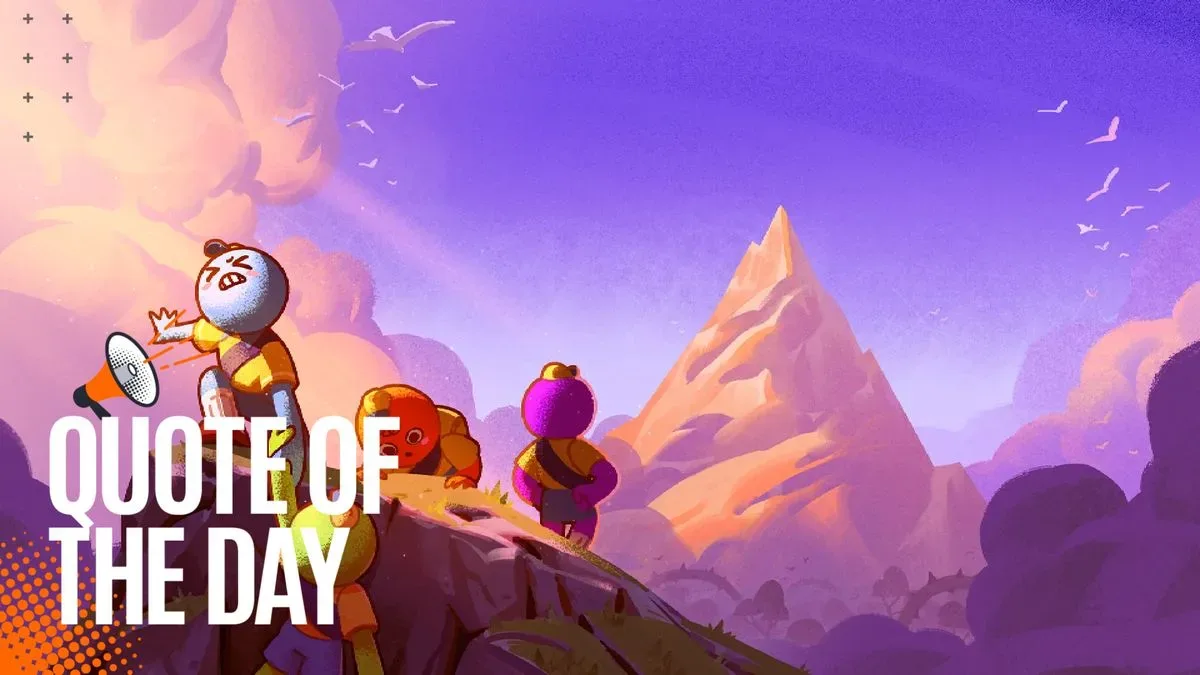
“You don't want to play with all your friends in your game and you lose.”
Related coverage includes What Peak’s approach to losing can teach PS5 co-op players.
Henriksson’s phrasing is deliberately simple, yet it identifies a practical tension any multiplayer designer has to address. A game may have excellent mechanics, but it can struggle as a regular group ritual if its structure reliably leaves a player feeling singled out. There are plenty of people who enjoy competition precisely because the result is personal. Friendslop is aimed at a different use case: friends looking for an experience that sustains conversation and shared participation.
Peak’s place in the co-op surge
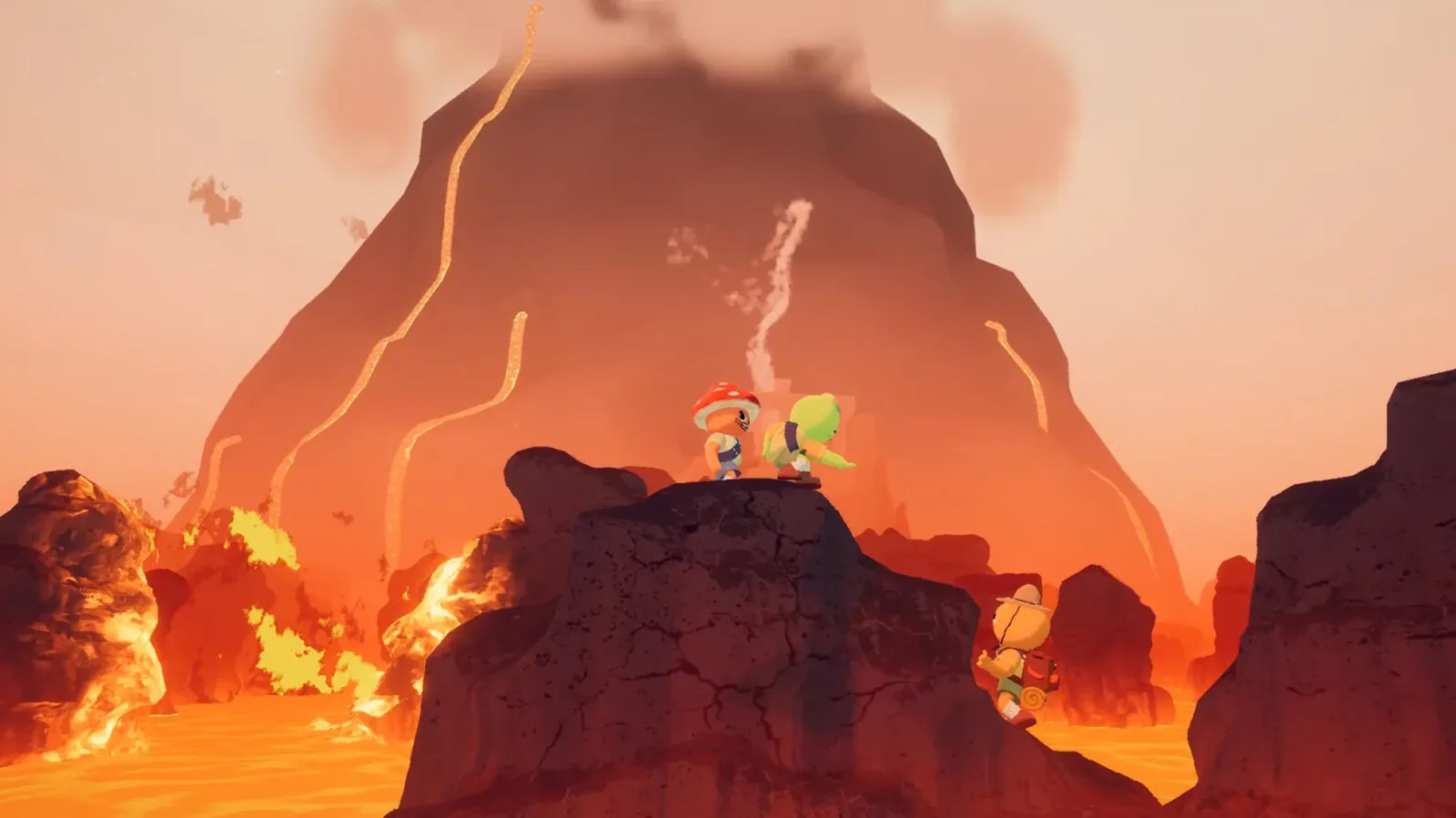
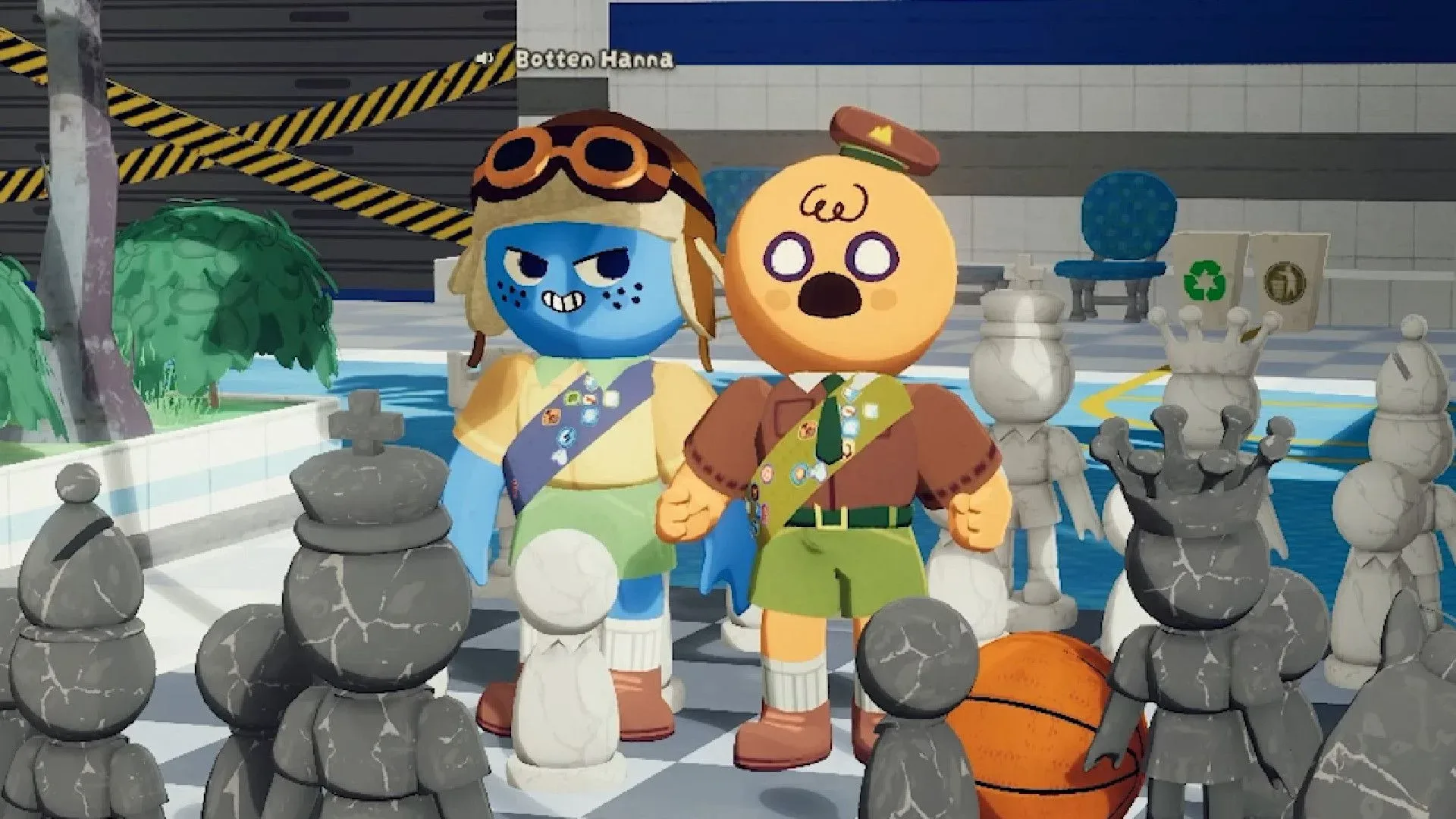
Peak helped turn the term friendslop into a widely recognizable piece of gaming vocabulary. Its success brought millions of players into a format where collaboration is the attraction, while also showing that a friendly group game need not be passive or consequence-free. The team can be under pressure without turning teammates into opponents.
Landfall Games and Aggro Crab Studios developed Peak together. Henriksson’s comments also put Landfall’s other hit, Content Warning, into the same larger conversation about social multiplayer. The common thread is not merely that games support multiple people. It is that the experience is framed around a group doing something together, with the players’ reactions to one another becoming a major part of the appeal.
That is an important difference between multiplayer and social co-op. Multiplayer only describes participation by more than one player. Social co-op describes a design priority: the game is built to support a group dynamic. Communication, coordination and mutual rescue can matter as much as an individual player’s execution.
The format’s breakout did not begin with Peak. Among Us became a major hit in 2020, demonstrating how a game could serve as the framework for a night of accusations, explanations and jokes among friends. Its social structure includes deception and suspicion, which is distinct from straightforward team co-op, but it helped establish that the social interaction around a match can be the main event.
That 2020 context is central to Henriksson’s view. More people came to see games as a legitimate means of spending time together, not simply as solitary entertainment or as a venue for formal competition. Once that expectation changes, developers have a reason to make games that are easy for a group to enter and rewarding for that group to talk about afterward.
Shared failure is a design tool, not a magic solution
There is a temptation to interpret “losing feels terrible” as a call to remove losing entirely. It is better understood as a call to consider who bears the loss and why. A shared loss can still produce frustration. It can even produce arguments. But it gives the group a common problem, whereas a direct competitive result can make one person’s disappointment the price of everybody else’s entertainment.
For developers, the practical question is whether the game turns failure into useful drama. A useful failure gives the team something to discuss: what went wrong, whether somebody can help, and what should change next time. An unhelpful failure simply ends participation or makes one person feel like dead weight. That is not a universal rule against difficulty; it is a warning that challenge needs a social purpose when the game is intended to be a shared pastime.
It also explains why co-op design cannot be reduced to adding a party system. If the teamwork is superficial, individual players may feel disconnected even while occupying the same session. Social co-op benefits from moments that encourage players to coordinate and react to each other. The exact implementation can vary, but the intended result is a sense that the group’s decisions, mishaps and recoveries belong to everyone.
For players choosing a game for a regular group, Henriksson’s framing offers a useful filter. The relevant question is not simply, “Can we all join?” It is, “What happens when we fail?” If the answer is that one friend gets repeatedly eliminated, outscored or blamed, that may be perfect for a competitive group and miserable for another. If everyone remains invested in the same outcome, the game may fit a social night far better.
- Competitive structure: players or teams pursue opposing outcomes; somebody’s win normally requires somebody else’s loss.
- Shared-outcome co-op: the group pursues a common goal and experiences victory or failure together.
- Social friction: the awkwardness, frustration or exclusion that can arise when a game’s result clashes with a friend group’s reason for playing.
The bar is now higher
Henriksson also offered a reality check for anyone hoping to follow Peak into the space. A friendslop game made today, he said, needs to be much better than one made when his team did it. That is not a rejection of the category’s growth. It is the consequence of it.
Once a style becomes popular, players arrive with clearer expectations. “Co-op” by itself is no longer a meaningful promise. Groups want a reason to choose one social game over another, whether that comes from an especially compelling shared challenge, a strong hook for conversation, or a structure that creates repeatable stories without making the same player the evening’s designated loser.
Henriksson’s warning is also a useful correction to the idea that friendslop succeeds just because it is informal. Casual presentation can lower the barrier to entry, but it cannot replace thoughtful social design. The games that last must understand the balance at the center of the format: enough pressure to make success meaningful, enough flexibility to keep mistakes entertaining, and enough collective ownership that players feel they are participating in a story together.
Other teams discussed in the same broader feature include the developers behind REPO, Big Walk and Wardogs, underscoring how active this area of game development has become. But Henriksson’s compact phrase gets at why the genre has resonated. Friends do not always want a contest. Often, they want an excuse to be in the same digital room, tackle a problem together, and have the failure belong to all of them rather than to one unlucky person.
In that light, “losing feels terrible” is less a complaint about defeat than a design brief. Decide what the group is here for. Then make sure the loss condition does not undermine it.