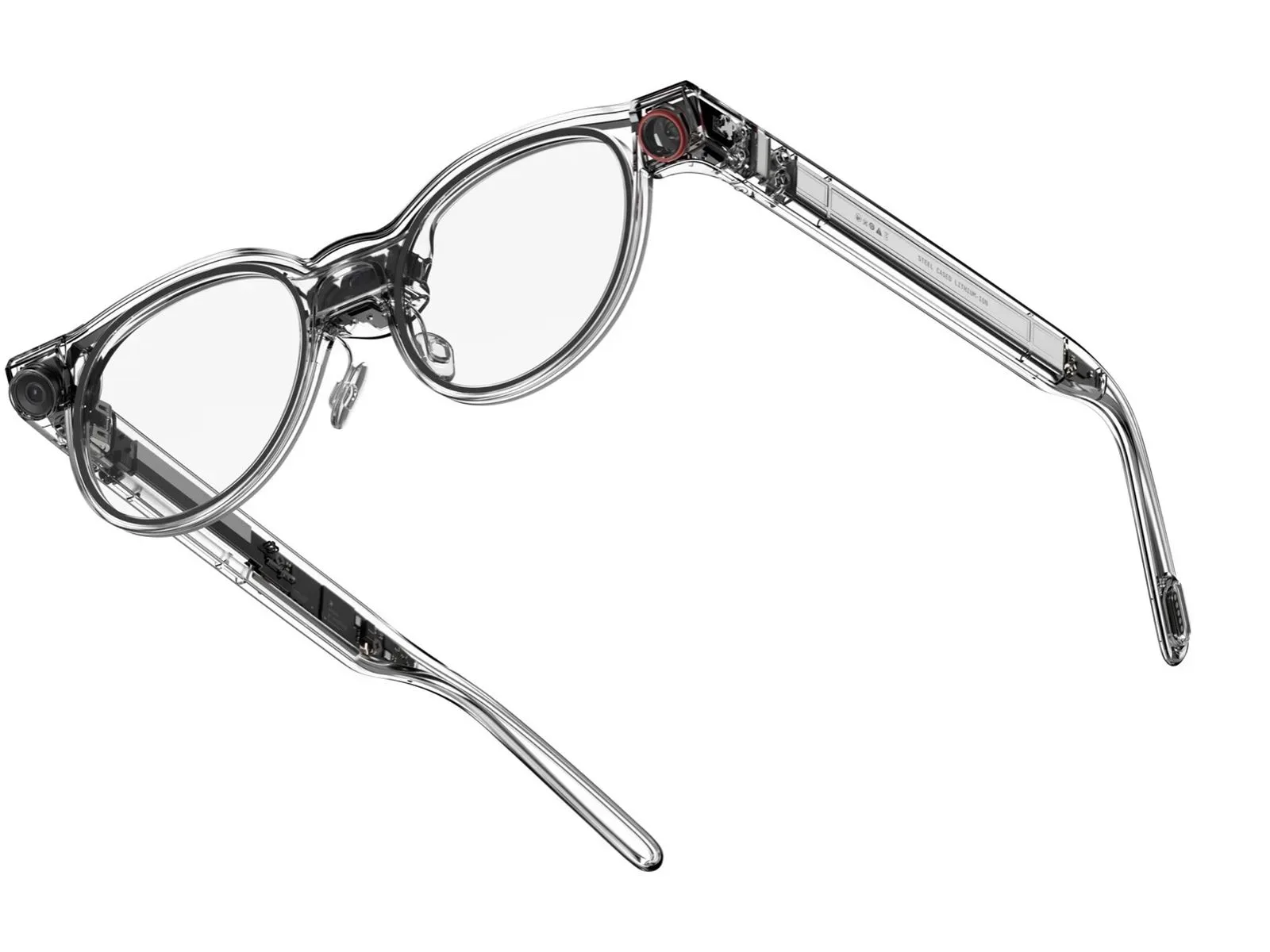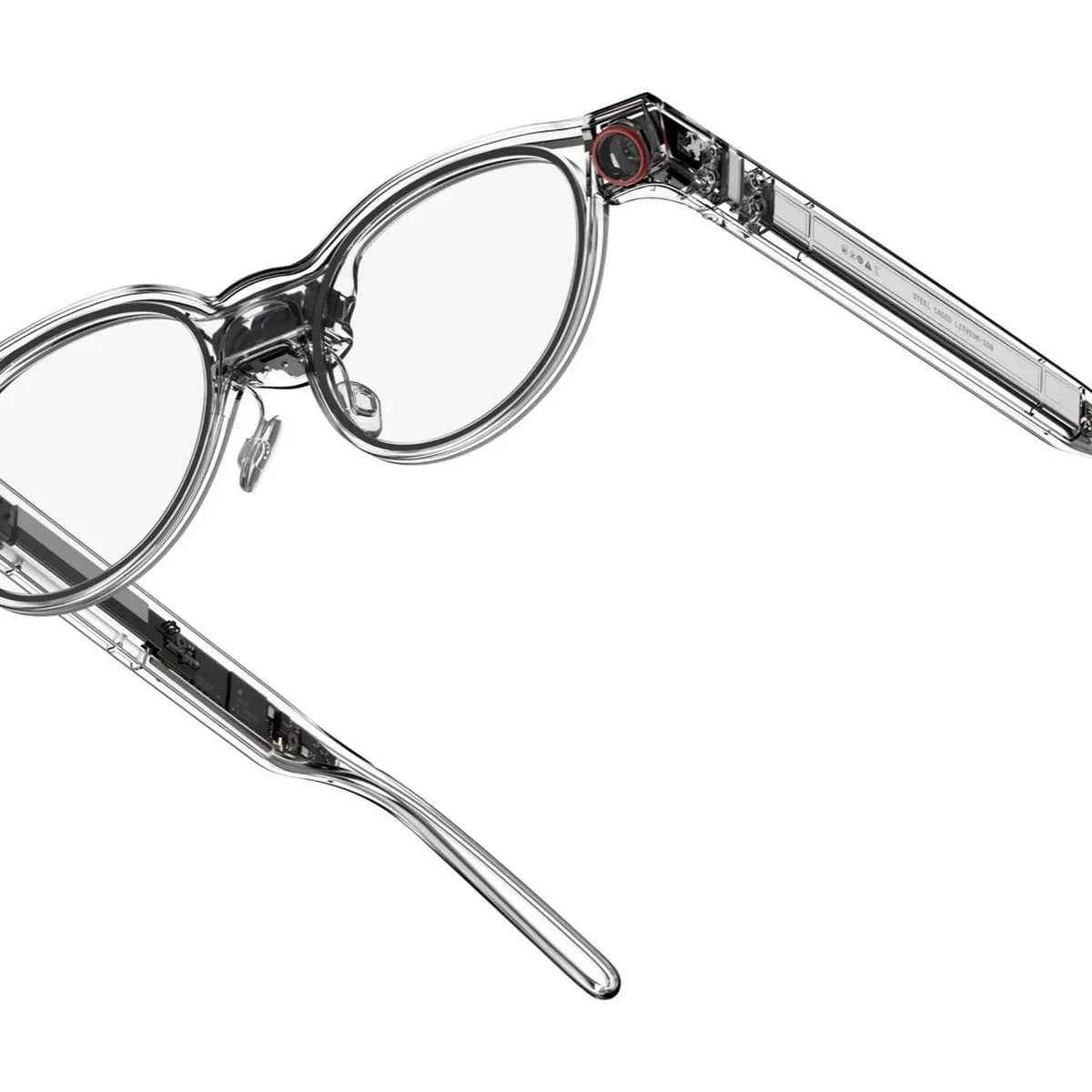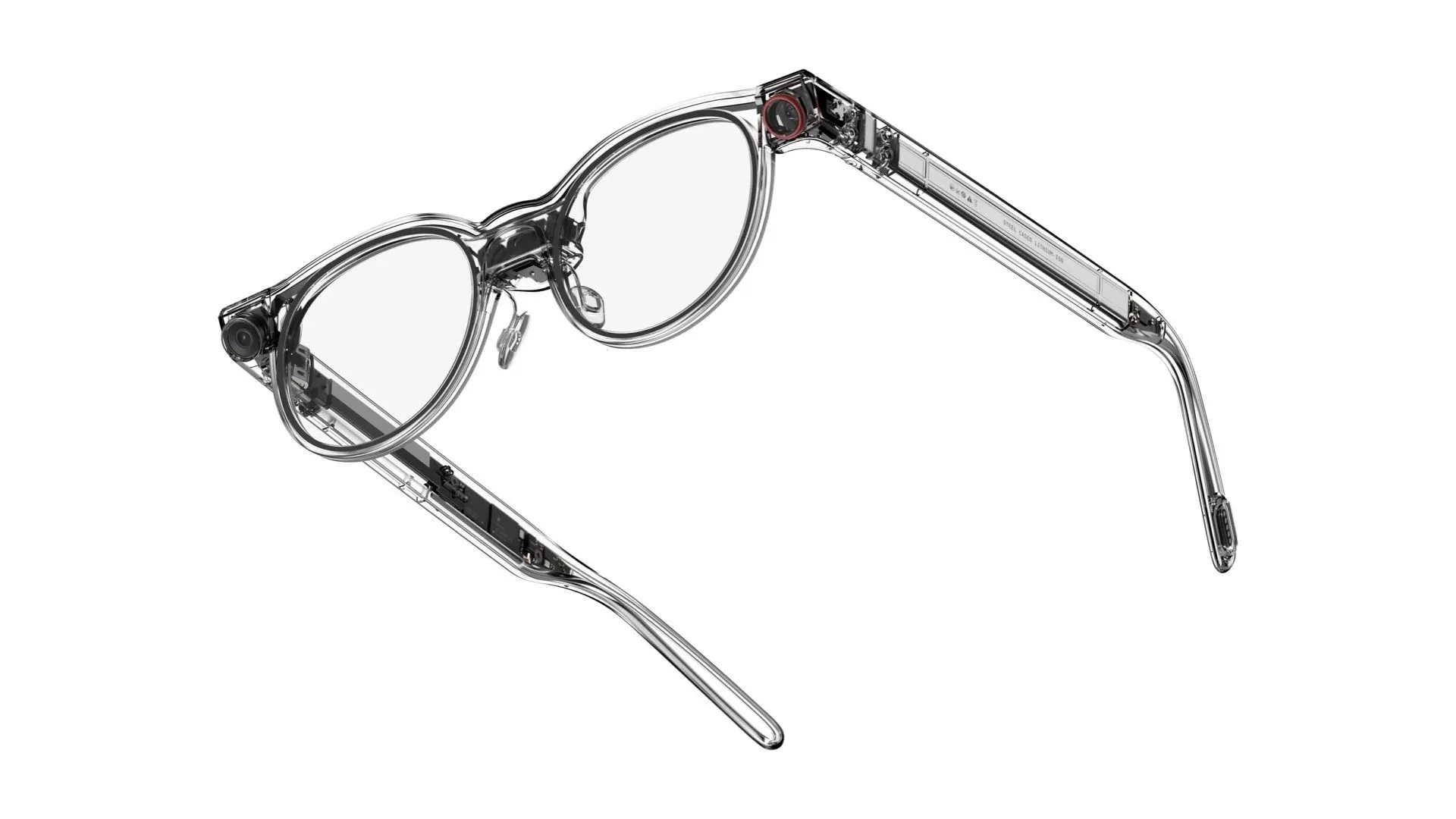
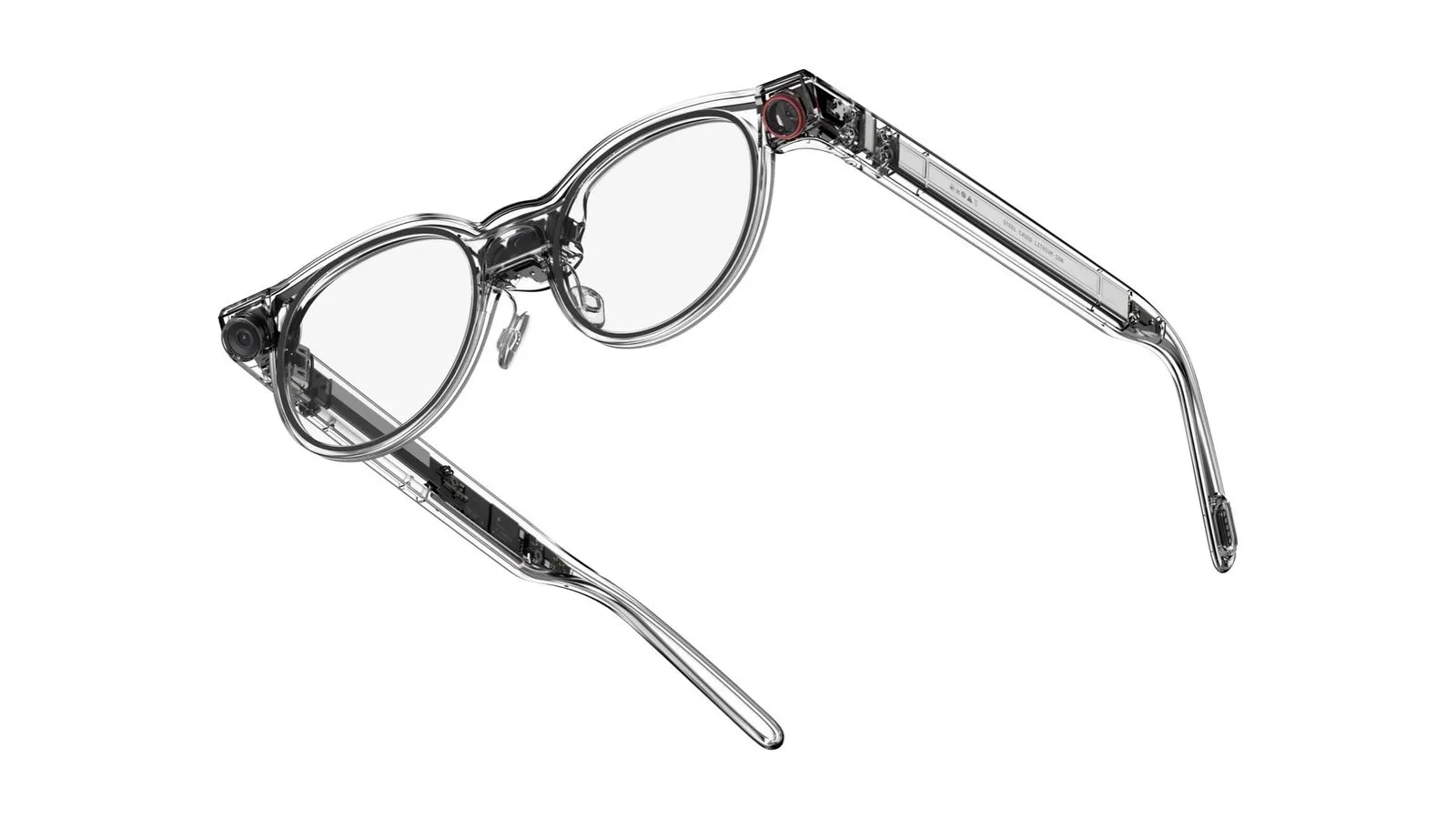
Smart glasses pitches usually ask people to accept an awkward trade: wear something light and ordinary-looking, or put on a much larger headset to get richer visual computing features. Savage Technology, a Hong Kong startup, is presenting Orrorin Glasses as an attempt to narrow that gap. Its first product is described as a 45-gram glasses frame with full-color displays for both eyes and hand-pinch controls that do not require a controller, ring, or wristband.
The proposed price is $799, and reservations begin at $29 toward that total. But the practical caveat matters as much as the specifications: Orrorin remains in engineering validation. Savage estimates March 2027 shipment for Founder Edition buyers and May 2027 for Early Bird buyers. Those are estimates for a product that has not yet completed development, rather than a retail arrival that can be treated as settled.
A small frame chasing a very large interaction idea
Savage describes its interaction concept as being at the level of Apple Vision Pro, specifically in the sense that a wearer can use small finger pinches to control an interface. The company says those pinches can happen at the user’s side. In theory, that avoids a particularly visible form of wearable-computing interaction: raising a hand in front of one’s face or relying on an additional accessory.
There is an important distinction between borrowing a familiar gesture and recreating a headset’s complete input system. Vision Pro combines several capabilities for interaction, including eye-based selection. Orrorin’s stated eye-tracking behavior is much narrower: its displays fade when the wearer looks away. That could be useful for preventing an always-on visual overlay from demanding attention, but it is not the same thing as looking at a UI item to target it for selection.
In plain terms, gesture control means the device interprets a physical motion as an instruction. Here, the intended motion is a pinch. Eye tracking can mean several different things depending on the product: it may identify where someone is looking, select an interface target, or simply respond to whether the wearer is looking at the display. Savage’s description places Orrorin in the last category. That makes the claim more specific, and considerably more limited, than a blanket promise of gaze-operated computing.
The 45-gram figure is central to the proposal. Savage compares its glasses with Apple’s spatial-computing headset and external battery, saying Orrorin is around 25 times lighter. It is a comparison that illustrates the design goal, but not one that establishes equivalent functionality. Headsets have room for larger hardware and offer capabilities that Orrorin does not claim to reproduce.
What Orrorin does not do is the key comparison
The cleanest way to understand Orrorin is not as a tiny version of a full mixed-reality headset, but as a display-equipped glasses concept with a different set of compromises. It lacks positional tracking and spatial mapping. Those two terms sound adjacent, but they cover separate jobs:
- Positional tracking determines where a device is in space and how it moves through that space.
- Spatial mapping builds an understanding of the surrounding environment, allowing software to relate digital content to surfaces and locations around the wearer.
Without those features, Orrorin cannot anchor virtual windows in a room in the way Vision Pro can. A room-anchored window is not merely an image floating in front of the user; it is digital content that remains associated with a position in the physical environment as the person moves. Removing that requirement can help explain how a product can pursue a much lighter form factor, but it also changes what the glasses are for.
That distinction should shape expectations around the phrase “Vision Pro-style.” Orrorin is positioning itself around a gesture model and lightweight display hardware, not a like-for-like spatial-computing feature set. The appealing part of that trade is obvious: a 45-gram frame is fundamentally closer to conventional eyewear than a dedicated headset. The missing room awareness is equally consequential for software that depends on placing, resizing, and revisiting virtual screens around a physical space.
For prospective buyers, the question is therefore less “Can these replace a headset?” and more “Are two color displays and discreet pinch input valuable without room-scale computing?” The answer will depend heavily on the apps that arrive with the device and how reliably its proposed input works once the hardware reaches production. Neither can be assumed from an engineering-validation-stage announcement.
The $799 comparison with Meta’s display glasses
Orrorin enters a particularly clear comparison at its stated $799 price. Meta Ray-Ban Display costs the same, but its screen is in the right eye only and its gesture controls use a Neural Band wristband. Orrorin’s design claims a screen for each eye and controller-free side pinches instead.
Those are meaningful differences in product philosophy. A display in both eyes suggests a more visually symmetrical interface than a single-eye screen. Meanwhile, removing a wristband means one less item to charge, wear, remember, and potentially misplace. But a wrist-worn accessory can also serve a functional purpose: it is dedicated hardware for recognizing gestures. Savage’s claim is that Orrorin can achieve its input approach without that extra component; whether it can do so consistently is a question for the eventual finished hardware, not a capability established by the reservation page.
It is also worth separating Meta’s display model from its standard smart glasses. Standard Ray-Ban Meta glasses do not include displays. The category is not moving as one uniform block toward the same destination. Some products emphasize audio, microphones, and assistant features; some add a display in one eye; Orrorin proposes displays in both eyes and side-pinch interaction. The hardware choices reveal competing views about what users will tolerate wearing every day.
At the same price, the comparison will not simply be a spec-sheet contest. Display placement, control method, available software, comfort, and product maturity may all matter more than a single headline feature. Orrorin is also coming from a startup introducing its first device, while its announced schedule sits well into 2027. That makes the reservation decision materially different from buying an established product already on shelves.
Developer tools and AI agents are the early focus
Savage Technology was co-founded by Bill Pei and Elena Shi. The company is initially targeting developers, third-party apps, and interaction with AI agents including Claude Code and Codex. That emphasis offers a clue about where Orrorin’s early identity may sit: not simply as a notification screen or camera-first wearable, but as a device intended to put software tools and agent interactions into a lightweight visual interface.
An AI agent, in this context, refers to software designed to take on tasks or interact with tools on a user’s behalf, rather than merely producing a one-off answer in a chat box. The announcement names Claude Code and Codex, both of which point toward developer-oriented workflows. However, the available details do not spell out the exact apps, interfaces, or tasks Orrorin will support. It would be premature to turn a developer target into a promise of a particular coding or productivity experience.
Still, the developer focus is strategically understandable. A new display platform needs reasons for users to look through it, and third-party applications can determine whether gesture-and-display hardware becomes a useful tool or an expensive novelty. The hard part is that developers need confidence that a platform will reach users, while users often want proof of useful software before committing. Savage is trying to address that circle early, but its product is still before shipment.
For gaming-adjacent audiences, there is no announced gaming use case here. The glasses should not be read as a portable virtual-reality headset, a room-mapped augmented-reality platform, or a replacement for a console display. Their lack of positional tracking and spatial mapping makes the strongest headset-style AR interpretations especially inappropriate. What the announcement does suggest is a potential future input-and-display device, with the appeal likely tied more to compact contextual information and app interaction than to immersive gaming worlds.
Reservations are not the same as a completed product
The $29 reservation is a deposit toward the stated $799 price, not evidence that Orrorin’s final features, performance, or timing are fixed. Engineering validation is a development stage in which a product’s design is being tested and refined before it is ready for broad manufacturing. It is a meaningful stage, but it is not the same as a finished consumer release.
That does not invalidate the concept. It does mean the company’s current statements should be treated as targets and descriptions of intent. The estimated shipment windows are March 2027 for Founder Edition purchasers and May 2027 for Early Bird purchasers. Anyone assessing the device should keep those tiers straight, along with the more basic fact that Savage is debuting its first product.
The wider timing is notable. Apple is expected to launch its first smart glasses next year, though the reported initial model is expected to omit displays and instead feature speakers, microphones, and Siri integration. That would place Apple’s rumored starting point on a different part of the spectrum from Orrorin’s stated two-display concept. The contrast also reinforces how unsettled the smart-glasses category remains: companies are still making very different bets about whether the first everyday wearable should prioritize a visual layer, voice and audio, gesture accessories, or some mixture of all three.
For more perspective on how Apple presents its broader device hardware, see this look at its iPhone 18 Pro Max battery advertising.
A promising form factor, with boundaries that should stay visible
Orrorin’s most interesting claim is not that it makes a heavyweight spatial-computing system disappear. It plainly does not: it cannot map a room or keep virtual windows anchored throughout it. The more focused proposition is that full-color displays for both eyes and pinch-driven control might fit into a 45-gram glasses frame without an extra input accessory.
If Savage delivers that specific proposition, it could offer a distinct alternative to single-eye display glasses with wristband gestures. If it does not, the comparison to far more capable headsets will not help it. Until the product moves beyond engineering validation and reaches its estimated 2027 delivery windows, the sensible reading is one of interest tempered by precision: Orrorin is an ambitious lightweight glasses concept with explicitly narrower capabilities than the headset experience it invokes.