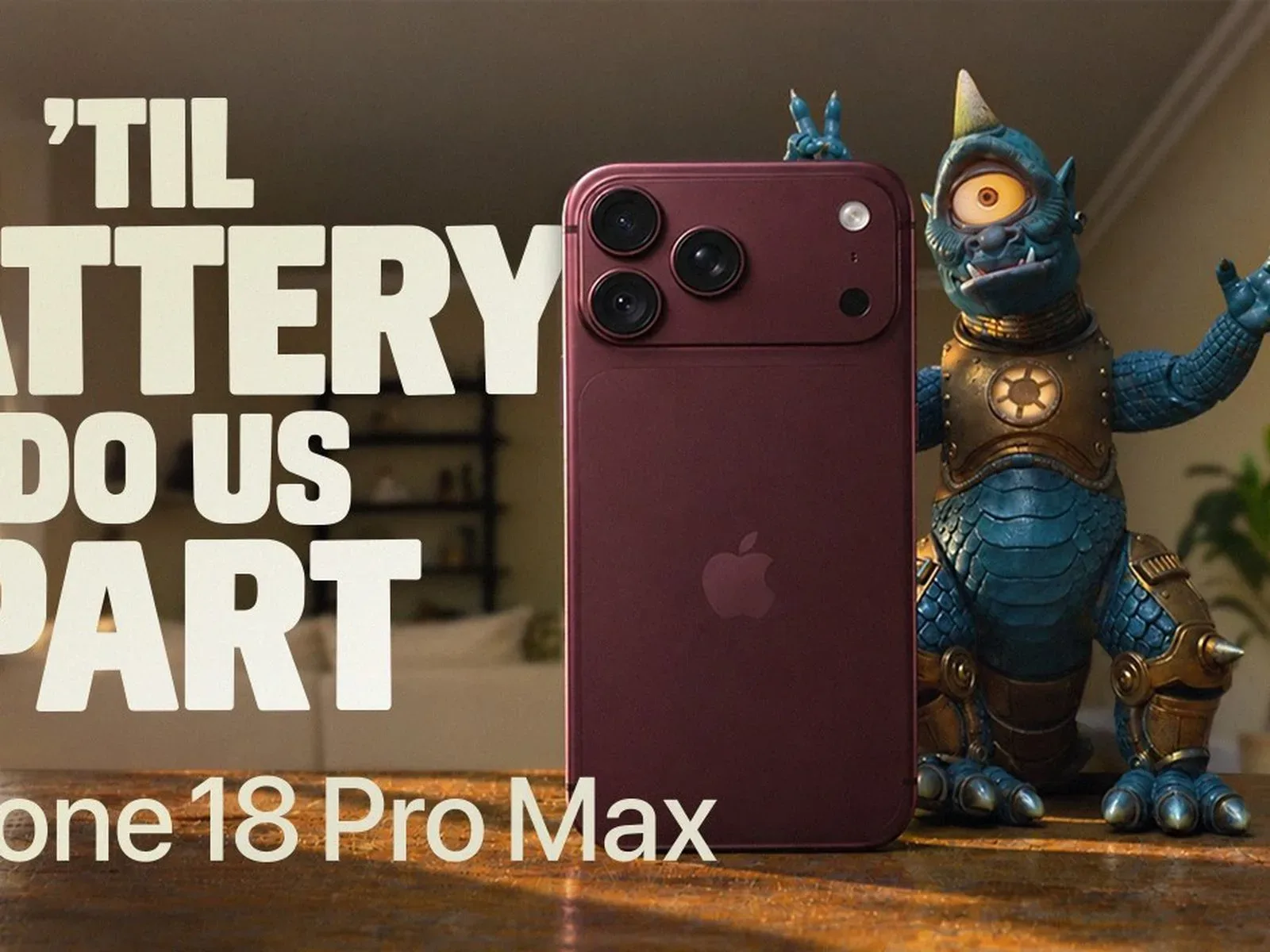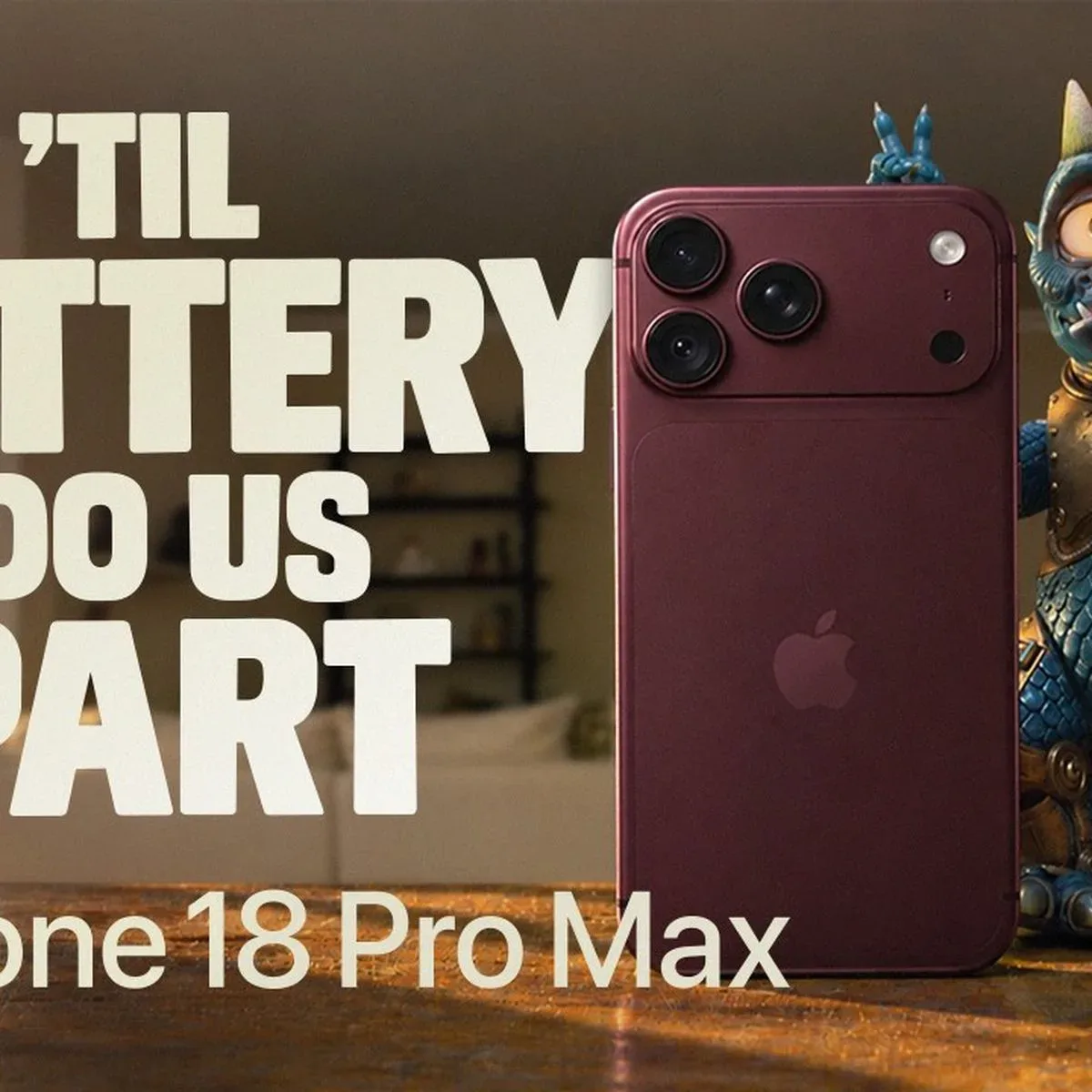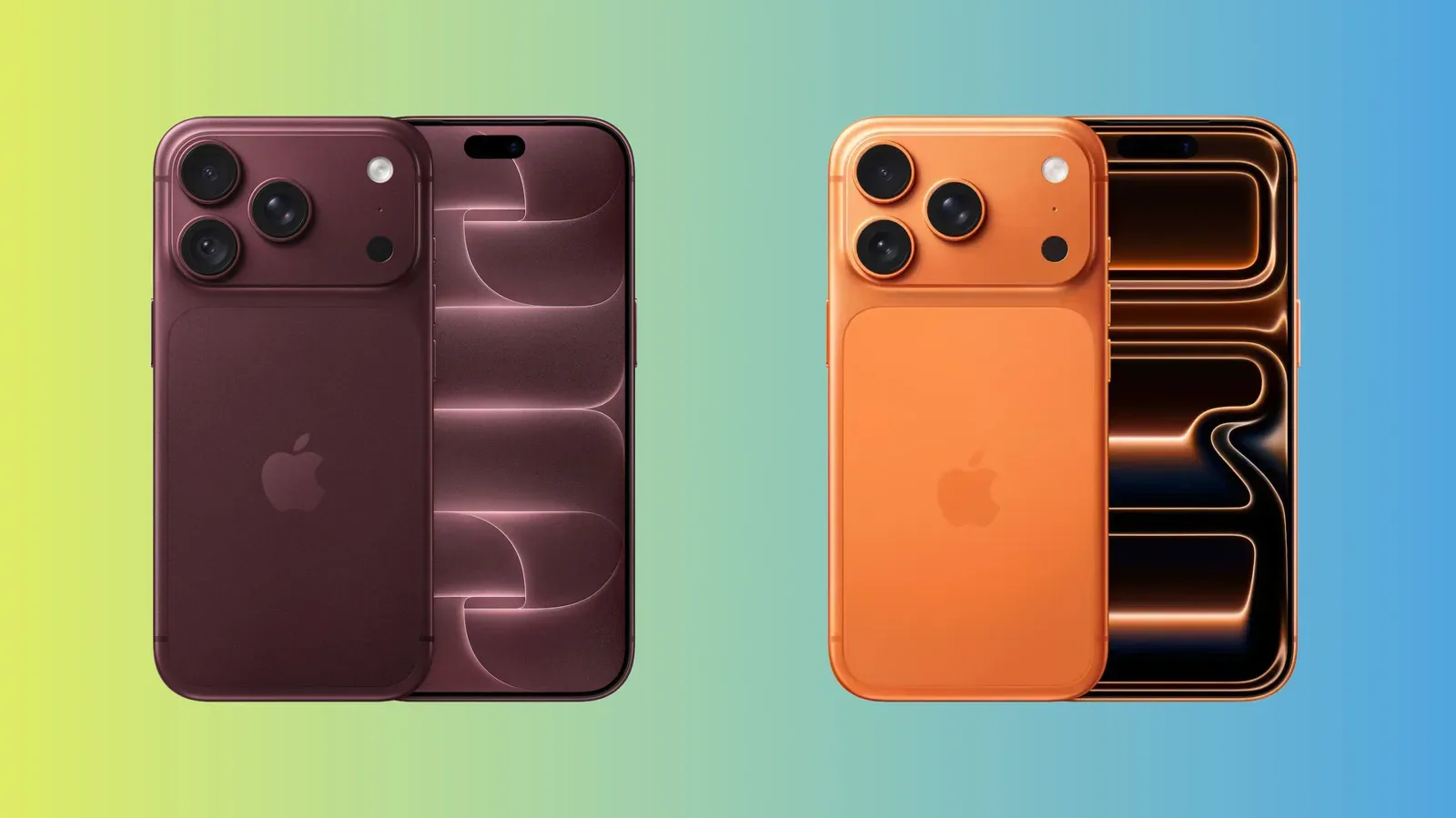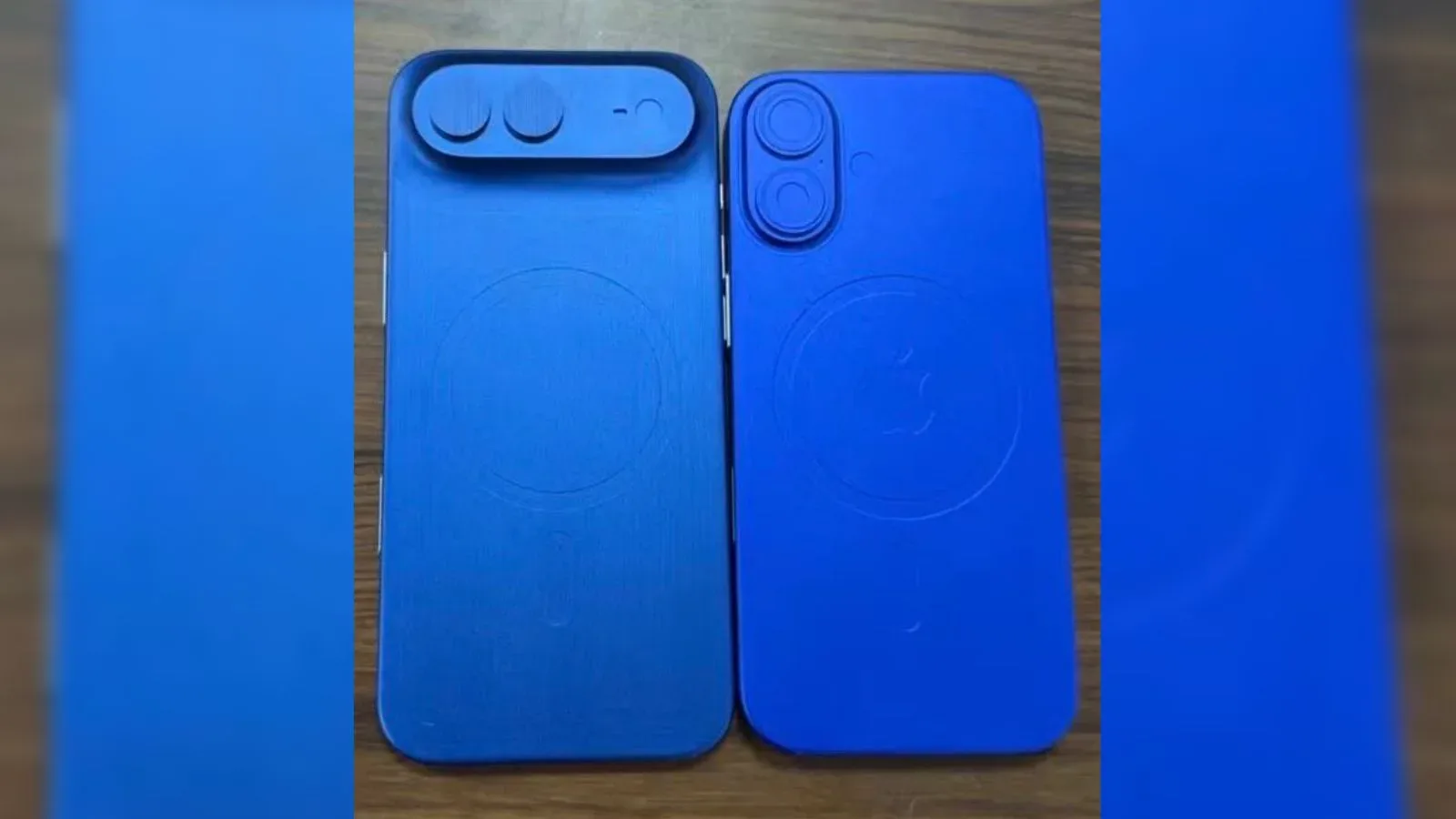
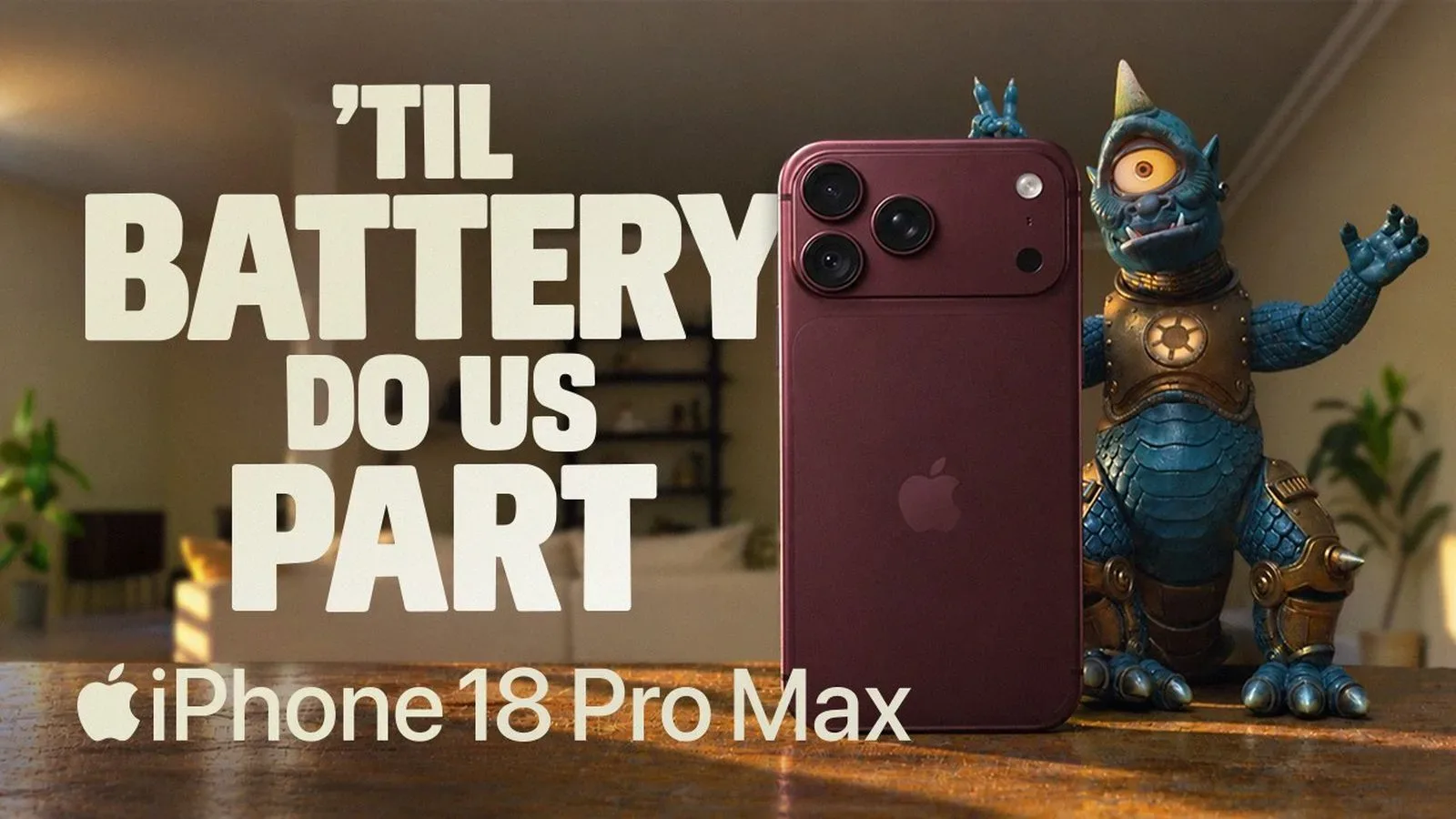
Apple has framed the iPhone 18 Pro Max’s battery claim as a miniature endurance match: a toy cyclops runs itself flat and falls asleep, while the phone is still shown with half of its charge remaining. It is a playful setup for a straightforward headline specification—Apple says the iPhone 18 Pro Max delivers its longest iPhone battery life to date.
The central number is up to 30 hours of typical use. Apple defines that measure around median iPhone usage, rather than one uninterrupted activity. Its stated mix includes messaging, taking photos, listening to music, social-media use, streaming, gaming, web browsing and navigation. The company also lists up to 40 hours of streamed video and up to 45 hours of downloaded-video playback.
For people who use a phone as part-time gaming device, communications hub and entertainment screen, the useful part of the claim is not simply that one number is larger. It is that Apple is describing battery life across a varied day. That is much closer to how a handset gets used outside a controlled single-purpose session—even if it still should not be read as a promise that every owner will see 30 hours.
A mascot-sized way to sell an everyday concern
The cyclops commercial makes an invisible specification easy to grasp. Batteries are hard to dramatize: a phone can look almost identical at 100 percent and 20 percent, and technical battery figures do not inherently communicate how a device feels after a long day away from a charger. The toy creates an opponent with a visibly simple loss condition. Its battery dies; the iPhone remains at 50 percent.
That is advertising, not a laboratory comparison between named devices or a full explanation of the test conditions. The toy is a visual punchline, and the half-charge image is designed to emphasize endurance rather than establish a universally repeatable result. Still, the ad’s basic message maps to Apple’s stated position: the iPhone 18 Pro Max is being presented as the longest-lasting iPhone so far.
It also wisely focuses on a problem that does not require technical fluency. A person does not need to know battery chemistry or processor design to understand the appeal of reaching evening with charge left. The cyclops may be doing the comic heavy lifting, but the practical pitch is simple: fewer moments spent searching for a cable or rationing use.
What “typical use” means here
Battery claims can be confusing because different activities make different demands on a device. Apple’s “typical use” estimate combines several kinds of use rather than treating the iPhone as only a video player, a navigation unit, or a gaming machine.
Median usage, as Apple describes it, refers to the middle point in observed iPhone usage rather than an all-day maximum workload. In plain terms, the metric is meant to represent a balanced pattern of activities. It includes messages, photos, music, social applications, streamed media, games, browsing and maps-based navigation.
That matters because each activity can have its own battery profile. Navigation can involve location services and sustained screen time. Streaming depends on the display and ongoing network delivery. Photography uses the camera system and processing. Games can create especially variable demand, since performance requirements differ dramatically from one game to the next. A brief puzzle session and a visually intensive 3D game are not comparable workloads simply because both fall under “gaming.”
The 30-hour figure is therefore most useful as a headline estimate for a mixed routine. It should not be converted into a guarantee of 30 hours of one particular game, 30 hours of navigation, or 30 hours of any individual person’s normal day. Apple’s supplied description does establish that games are included in the typical-use basket, but it does not break out a game-specific runtime.
Three figures, three use cases
- Up to 30 hours of typical use: a mixed pattern built around median iPhone use, including games alongside messaging, cameras, music, social apps, streaming, browsing and navigation.
- Up to 40 hours of streaming video: a video-focused maximum for content watched while being delivered over a connection.
- Up to 45 hours of downloaded video: a playback-focused maximum for video already saved to the device.
The distinction between the two video estimates is particularly practical. Streamed video requires the phone to keep receiving content, while downloaded playback does not have that continuing delivery step. Apple lists the downloaded-video figure as higher: 45 hours versus 40 hours for streaming. Anyone planning a long trip or a lengthy stretch without dependable connectivity can see why those are separate scenarios.
Why the claim is relevant to mobile gaming
Gaming is explicitly part of Apple’s typical-use definition, which gives the ad a modest but real connection to the mobile-gaming crowd. A phone battery is not only about how long a game can run. It determines how much room there is for the rest of the day after a gaming session: messages, music, scrolling, photos, maps and video all compete for the same remaining percentage.
That makes endurance a quality-of-life feature rather than a scorecard item. For a player, the better question is often not “Can this phone run a game?” but “Can I use it normally after I play?” A large battery-life claim suggests more flexibility, though real results will always depend on the game, screen time, network activity, navigation use and the rest of a person’s routine.
The commercial’s half-full battery image is aimed squarely at that flexibility. It is not presenting frame-rate data, game compatibility or a dedicated gaming mode. Nor does it provide a measured gameplay figure. What it does present is confidence in a phone designed to stay available through a broad mix of activities.
That broader use case is worth keeping in mind when weighing mobile hardware against a dedicated portable device. A phone handles the surrounding tasks as well as the game session itself—communication, media, photos and directions—so battery capacity has to cover all of them. Those considering a tablet for a larger mobile screen may also find that device age and value complicate the new-model conversation, as explored in this look at refurbished iPads and mobile gaming.
The practical reading of Apple’s new ad
The safest way to read the spot is as a clear statement of product positioning backed by three stated battery estimates. Apple says the iPhone 18 Pro Max reaches up to 30 hours in its median, mixed-use model; up to 40 hours when streaming video; and up to 45 hours when playing downloaded video. The commercial adds a funny visual shorthand by having a toy cyclops lose the endurance battle.
It is not a substitute for choosing a device around an individual usage pattern. Someone who spends much of a day navigating, gaming, recording photos and video, or consuming streamed content should recognize that their results may differ from a median mixed-use estimate. Likewise, downloaded video playback is a more narrowly defined task than a day filled with apps, games and cellular or Wi-Fi activity.
But the specification is still meaningful. Battery figures are most valuable when their scope is clearly understood, and Apple provides that scope here: “typical use” means a collection of common activities, gaming included. The ad then turns the resulting endurance claim into an unusually literal piece of toy-based battery drama. The cyclops goes to sleep; the iPhone 18 Pro Max, at least in Apple’s setup, still has plenty of day left.