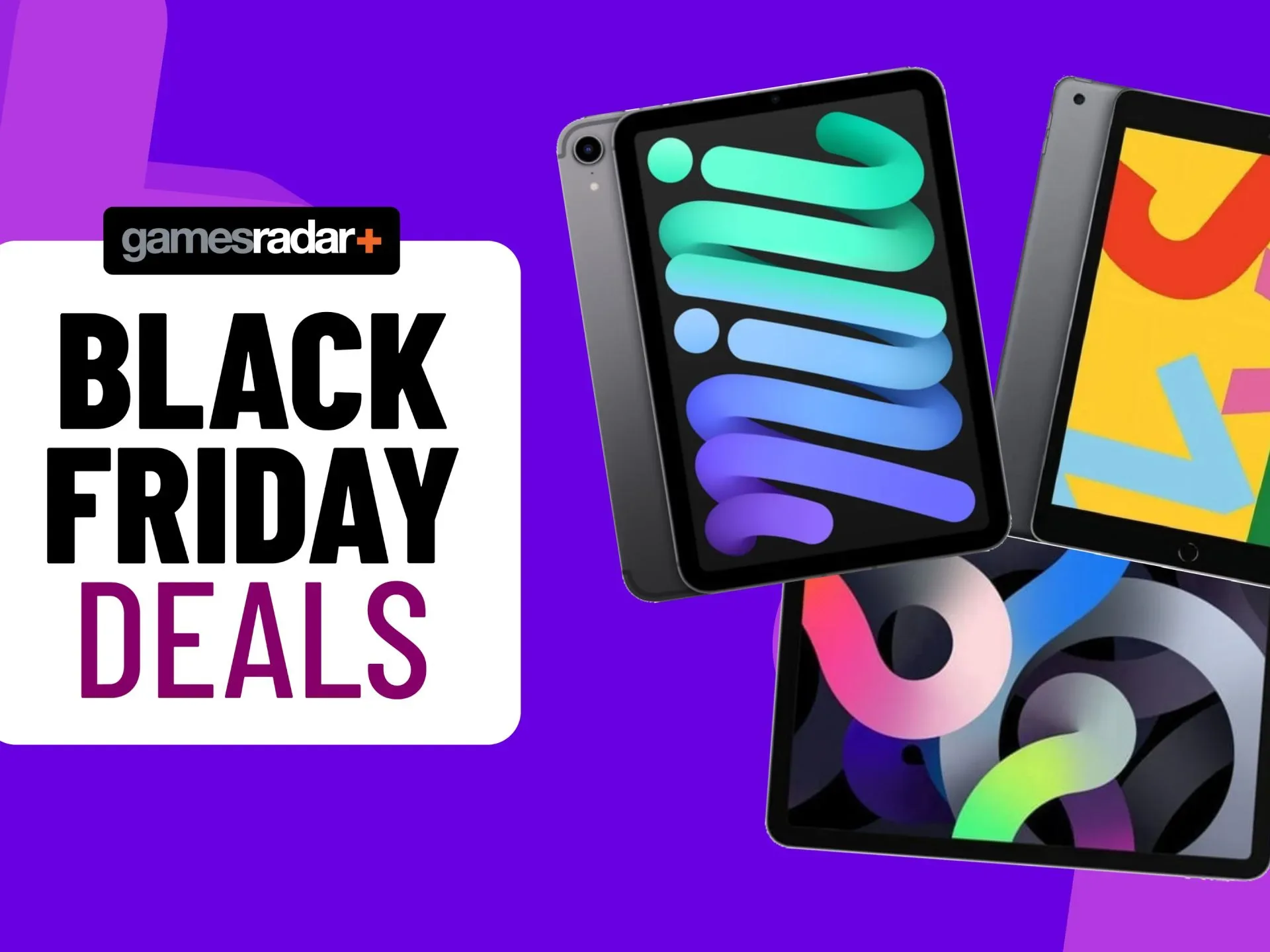
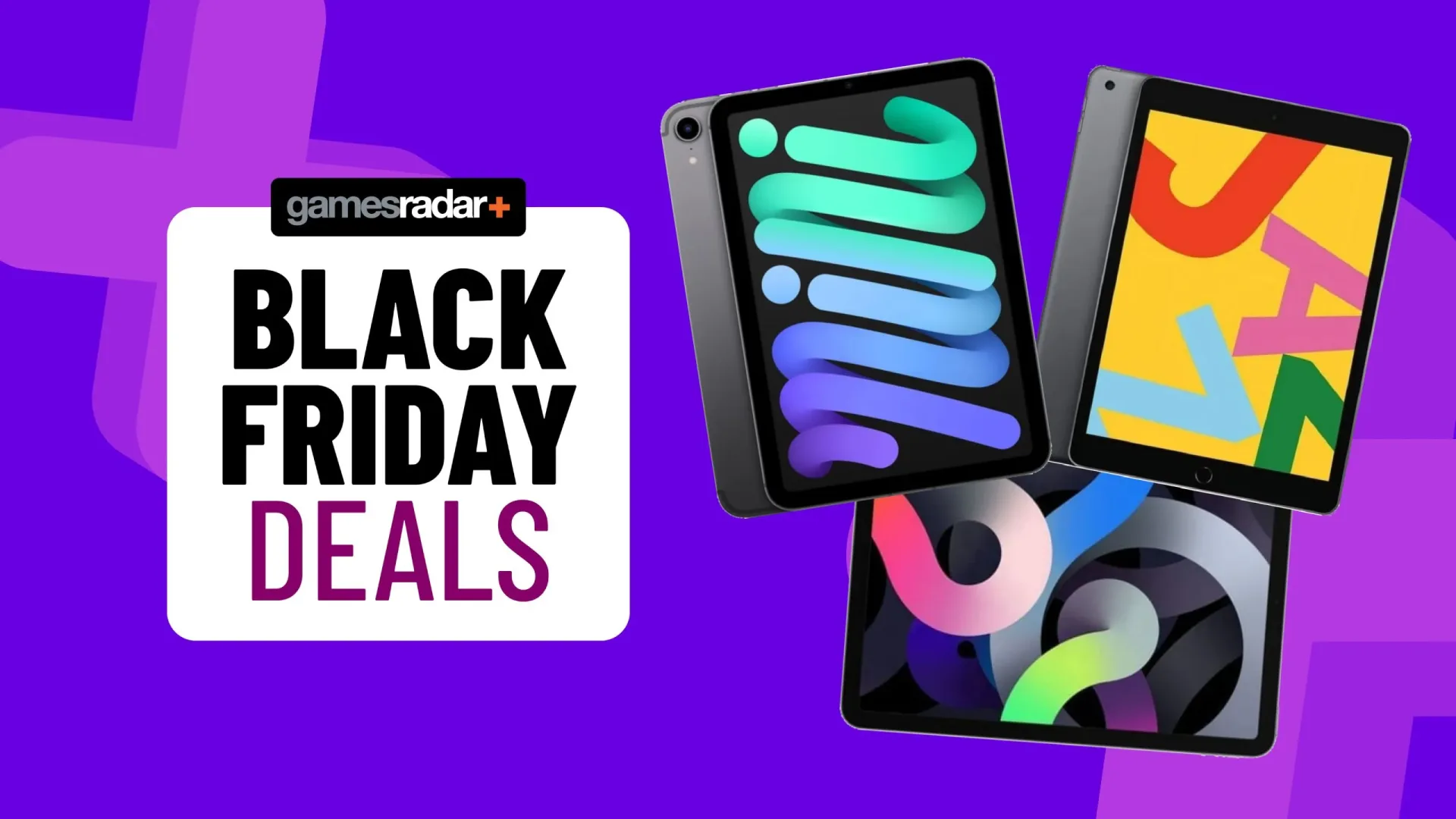
Black Friday iPad shopping usually points buyers toward the newest hardware and the biggest percentage reductions. That can make a refurbished model feel like the compromise option: older, previously owned, and somehow less suited to games. But the refurbished iPad listings at Walmart make a more practical argument. For players who want a large touchscreen, access to mobile games, and a capable all-purpose tablet without paying for the latest silicon, an older iPad can be the purchase worth examining first.
The available deals cover a range of older Apple tablets, including 2020 iPad Pro and iPad Air models, an iPad mini with cellular connectivity, and an older iPad Pro with 128GB of storage. One particularly low-cost older iPad is listed at $140 and includes a protective case and charging cable. The promotions also include iPad Pros below $500, while the newest model generation referenced in the listings dates to 2021.
That does not mean every discounted tablet is automatically the right gaming tablet. It means the buying decision should be based on a few practical limits rather than the assumption that a release year alone decides whether a device is useful. Storage capacity, battery behavior, screen size, price, and the place where somebody expects to play matter more here than chasing a spec-sheet win.
What refurbished means in this context
A refurbished iPad is a second-hand device that has been professionally restored to a near-new condition. That distinction matters because it is not simply a listing for an untouched new tablet at a sale price. Buyers are accepting older hardware in return for a much lower entry cost.
For an everyday tablet, the trade-off can be compelling. Older iPads remain suitable for word processing, streaming video, communications, and straightforward work tasks. Those uses do not necessarily demand the advanced chipsets found in recent models. More intensive work, such as video editing, is where newer hardware is more likely to justify its premium.
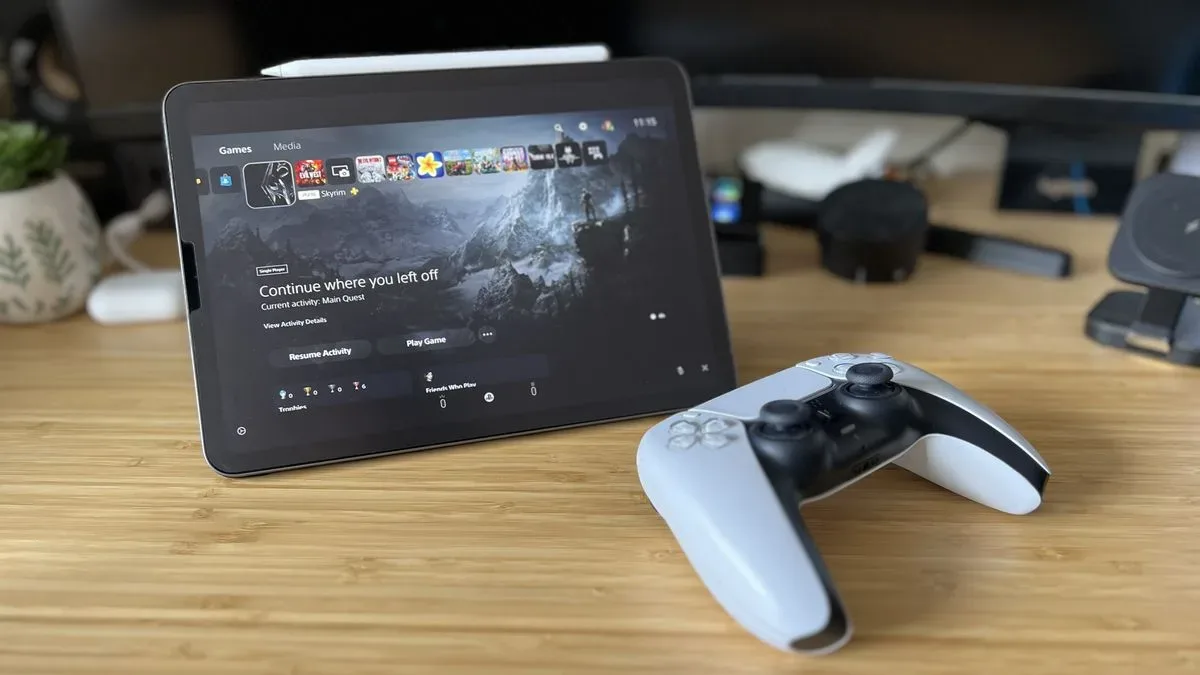
Gaming sits somewhere between those two ends of the spectrum. It can be much more demanding than messaging or streaming, but it is also a market in which developers have a reason to support a broad range of devices. A game maker that excludes everyone with older tablets reduces its possible audience. That incentive helps explain why older iPads can continue to run advanced games well even when they are no longer close to Apple’s current lineup.
“Optimized” does not mean that every game will perform identically across every device. In plain terms, optimization is the work developers do to make software run effectively within the limits of different hardware. A lower-cost older iPad may still be perfectly enjoyable for mobile games, while the latest model may provide more performance headroom for demanding tasks. The important distinction is between needing the newest hardware and merely preferring it.
The listings that stand out
The 2020 large-screen iPad Pro is among the most notable refurbished options because its discount exceeds one-third off. It is not current-generation hardware, but its large display remains the main attraction. A bigger screen can be meaningful in games built around touch controls, densely packed interfaces, text-heavy menus, or strategy-style information. It can also make the same tablet more useful for films, browsing, and work when it is not being used for games.
Related coverage includes Walmart's Refurbished iPads Could Be the Smarter Black Friday Buy for Mobile Gaming.
The iPad mini option goes in the opposite direction. It is a smaller tablet with 64GB of storage and cellular connectivity, and its listed reduction is 40%. Cellular support can make cloud storage more convenient away from Wi-Fi, although cloud storage should not be confused with extra built-in capacity. The 64GB figure still defines how much can be kept locally on the tablet itself.
That local-versus-cloud distinction is especially relevant to gaming. Installed games, updates, and other locally saved material rely on internal storage. Cloud storage can be useful for files and services, but it does not turn a 64GB tablet into a 128GB tablet. Buyers considering a smaller-capacity model should think about how many games, videos, and apps they realistically want installed at once, rather than treating the discounted price as the only number that matters.
There is also an older iPad Pro with 128GB of storage. Its appeal is explicitly its larger screen and capacity rather than modern specifications. For someone who values room for local apps and media, 128GB may be the more practical proposition than a cheaper 64GB alternative. It is a reminder that an older, higher-capacity tablet can sometimes fit a real-world use case better than a newer-looking device with less space.
The 2020 iPad Air is another key option. This is a 64GB model, and its reduced price makes it the least expensive home-button-less tablet among these refurbished listings. “Home-button-less” is chiefly a design description, but it can matter to shoppers who prefer the newer physical layout without moving up to the newest hardware tier.
At the lowest end, the $140 older iPad is difficult to ignore. The device is older, but the price is accompanied by useful bundled basics: a protective case and a charging cable. That bundle does not change what the tablet can do, but it can reduce the immediate need to buy accessories separately. For somebody seeking an inexpensive casual gaming and streaming screen, that is a concrete part of the value equation.
Gaming’s real compromise: battery freedom
The most important caveat for older tablets is not that they suddenly stop being able to play games. It is battery efficiency. Older iPads are less battery-efficient, including refurbished units that typically receive new batteries. A fresh battery can improve the condition of the device, but it does not make an earlier generation of hardware consume power like a newer one.
This becomes more obvious as a game becomes more complex. Lightweight puzzle and word games place a different demand on a tablet than bigger, more graphically intensive games. More demanding play can drain an older iPad quickly, so the intended play location should influence the purchase. A tablet primarily used at home, close to a charger, has a different set of priorities from one meant for long trips, commutes, or other stretches away from power.
That is a useful reframing of the upgrade question. A newer iPad may be a better fit for someone who needs greater battery efficiency when playing away from an outlet. A refurbished older model may be the sensible value choice for someone who mostly plays on a sofa, at a desk, or anywhere charging is easy. Neither approach is universally correct; they solve different problems.
A quick buying checklist
- Start with use, not the discount: decide whether the tablet is mainly for casual mobile games, larger game installs, streaming, work, or a mix of all four.
- Check internal storage: 64GB can be enough for a modest app library, but 128GB provides more room for locally installed games and media.
- Match screen size to play style: the larger iPad Pro options emphasize display space; the iPad mini emphasizes portability.
- Plan around charging: older refurbished tablets can still run advanced games, but complex games can consume battery quickly.
- Count included extras: a case and charging cable, as bundled with the $140 model, can make a low upfront price more useful.
- Remember that listings can change: sale inventory and pricing are not permanent, so verify the exact configuration and included accessories before committing.
Why “older” is not the same as obsolete
The case for a refurbished iPad is ultimately a case for matching technology to the job. Many buyers do not need advanced chipsets for routine tasks, and mobile-game developers have reasons to keep their software running across a wide installed base of devices. That combination gives older hardware a longer useful life than the annual-release cycle can sometimes suggest.
There are still reasons to buy new. Intensive creative work can benefit from stronger modern hardware, and better battery efficiency matters for people who game away from a power supply. But paying more for the latest device is not automatically the best route to a satisfying mobile gaming setup.
The current refurbished options create a particularly clear ladder of choices: a $140 entry point with accessories for budget-conscious buyers; a compact cellular iPad mini for portability; a 2020 iPad Air for a more contemporary home-button-less design; and larger iPad Pro models for people who place a premium on screen size or, in one case, 128GB of storage.
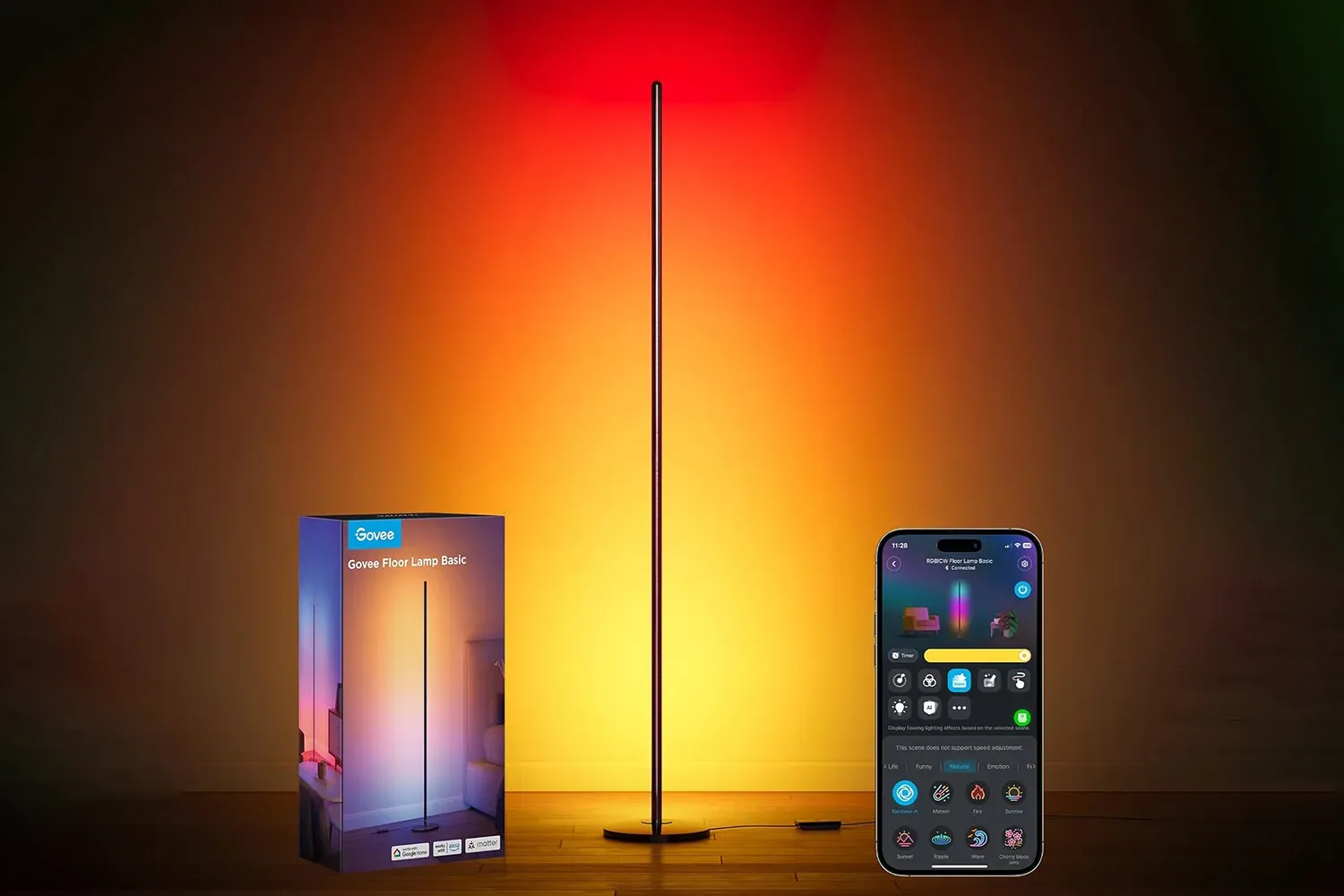
For gamers, the sensible question is not whether a 2020 or 2021 iPad is brand-new. It is whether its screen, storage, price, and battery limitations line up with the way it will actually be used. If most sessions happen near an outlet and the goal is a capable tablet at a lower cost, refurbished hardware deserves a serious look. And for anyone building out that home play space, a discounted audio-synced gaming floor lamp is another current deal aimed more at atmosphere than processing power.