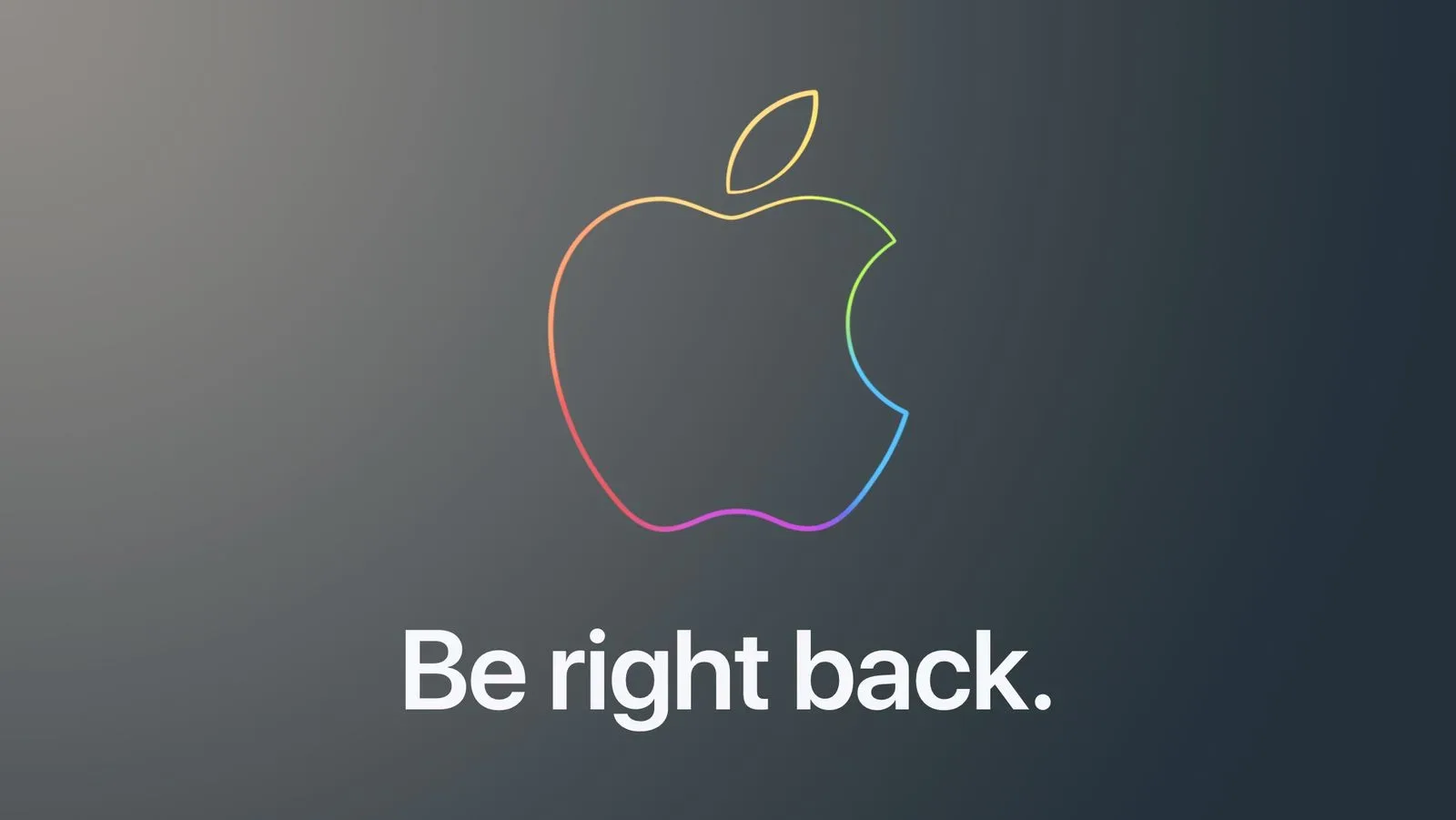
Apple’s online store is going offline for short periods in different countries ahead of Black Friday, beginning with Australia, New Zealand and Thailand before extending to Europe, the United States and Canada. That can look dramatic if someone lands on the storefront expecting to buy a device, but the timing points to a routine seasonal storefront refresh rather than a surprise hardware launch.
The practical reason is Apple’s annual Black Friday promotion: qualifying purchases of selected products can include an Apple gift card. In the United States, the cards are set to be worth up to $300, with the promotion running from November 27 through November 30 in participating countries. Exact eligibility can matter greatly, so “up to” should not be read as a flat $300 benefit on every product.
A familiar retail maintenance window, not a launch countdown
Online-store downtime is easy to overinterpret because a temporarily unavailable storefront is also something shoppers associate with product announcements. In this case, however, Apple regularly takes the store down shortly before Black Friday in order to present its yearly gift-card offer. The rolling country-by-country pattern is consistent with regional store updates, not evidence that a new iPhone, Mac, iPad or accessory is about to appear.
That distinction is useful for anyone delaying a purchase in the hope that the maintenance page is a teaser. The confirmed consumer-facing event here is promotional: selected existing hardware becomes eligible for a gift card for a limited window. The available information does not identify any new products, new configurations or wider changes to Apple’s hardware lineup.
A rolling update simply means the store does not necessarily go down worldwide at the same moment. Different national storefronts can be temporarily unavailable as the offer is prepared for their market. A shopper seeing the outage in one region therefore should not assume it signals a broader product reveal—or even that every country will receive precisely the same terms.
What the U.S. promotion covers
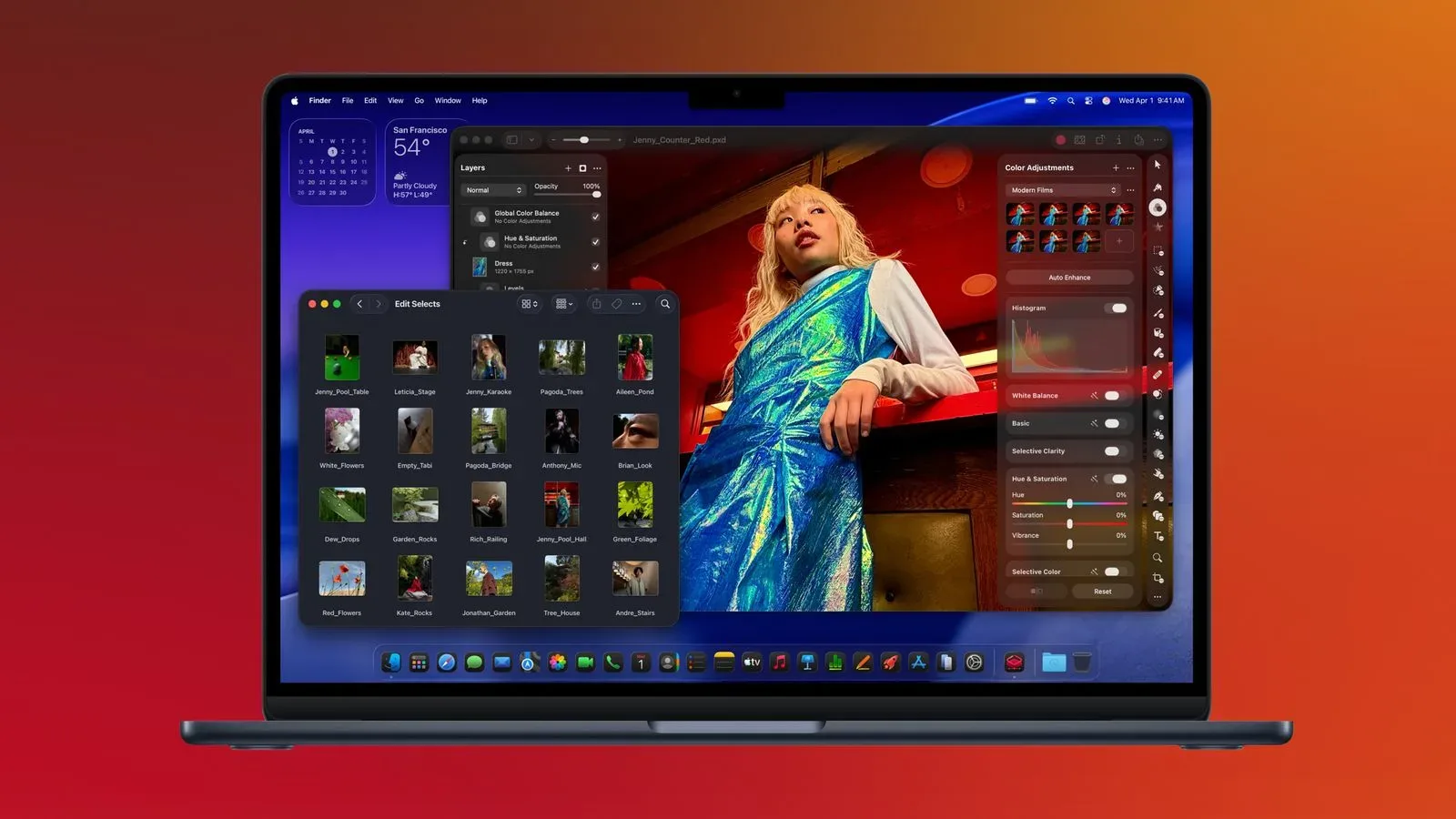
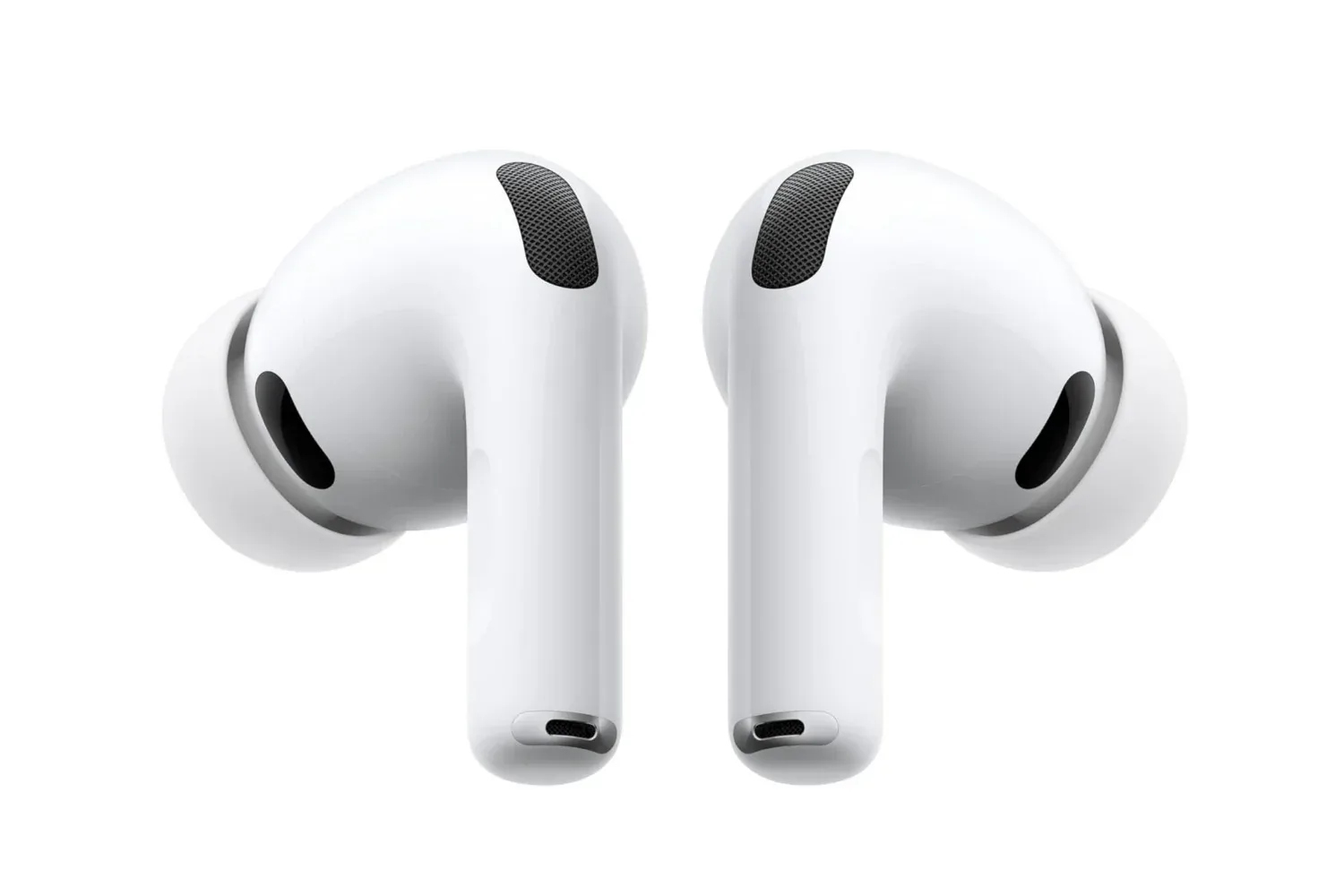
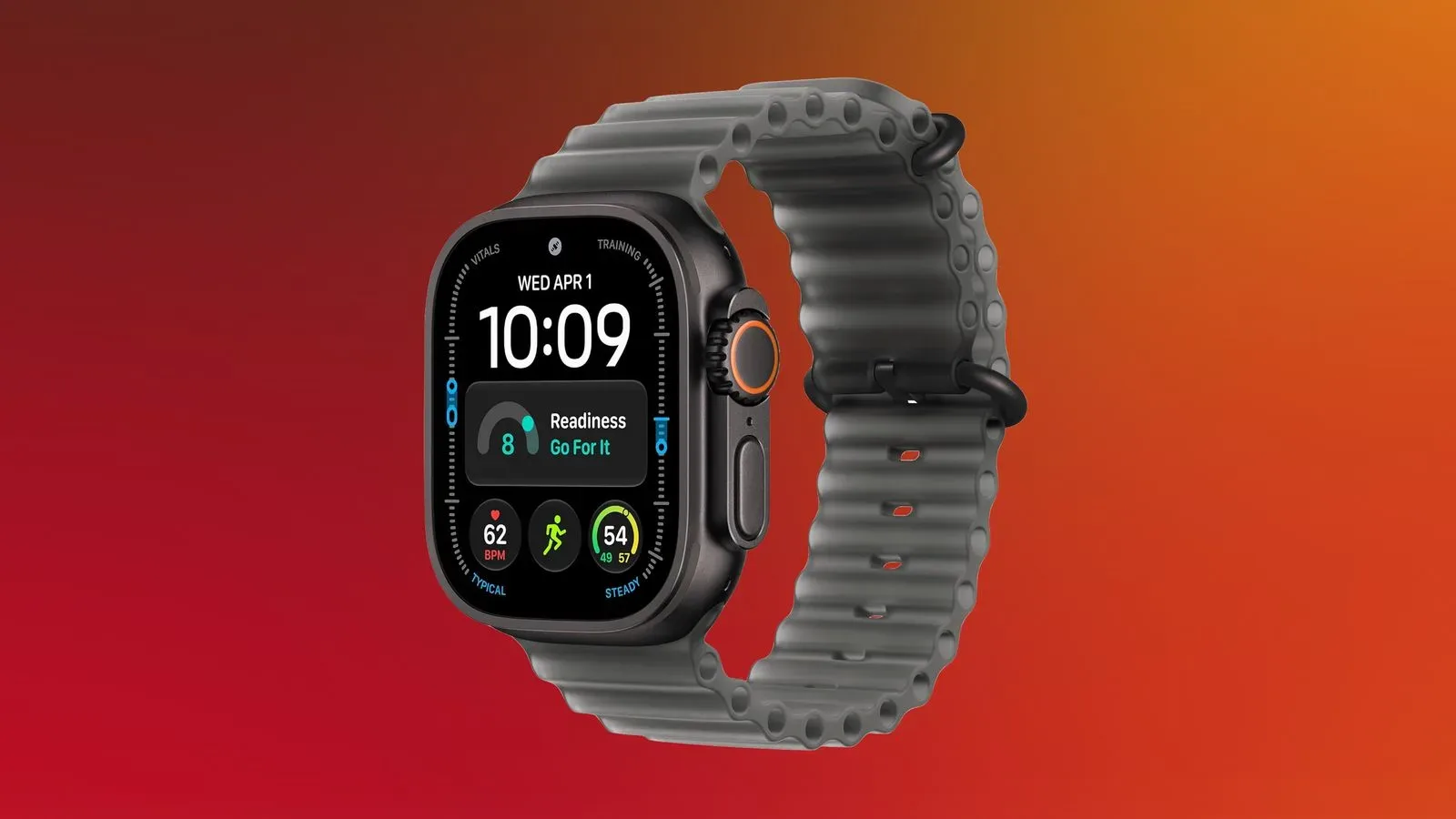
Apple’s U.S. offer applies to eligible purchases across a broad set of product families:
- iPhone
- iPad
- Mac
- Apple Watch
- HomePod
- AirPods
- Beats headphones
- Beats Pill speaker
- Apple Pencil Pro
- Selected other accessories
That list describes product categories rather than a guarantee that every model within each category qualifies. It also does not state which item reaches the $300 maximum, nor does it provide the gift-card amount attached to each eligible product. Shoppers should therefore wait for the live promotional terms before making assumptions based on a category name alone.
“Eligible” is the key retail term. It means a purchase must meet the promotion’s stated conditions, which typically identify the precise products included in an offer. It does not mean an entire brand family automatically receives the top incentive. A buyer interested in a particular Mac, iPhone or accessory should verify that exact item and the associated card value when the storefront returns.
How to read the value of a gift-card deal
A gift card is not the same thing as an immediate price reduction. With a direct discount, the buyer pays less at checkout. With a gift card, the initial purchase price remains the important number, while the promotional value arrives as credit that can be used later. Whether that is effectively equivalent to a discount depends on whether the buyer genuinely expects to spend the credit.
For example, someone who knows they will buy accessories, apps, services or another Apple product may place substantial value on the card. Someone who only wants a single device and has no likely use for Apple credit may reasonably prefer a lower upfront price elsewhere. This is not a criticism of gift cards; it is a useful way to compare offers with different structures.
There is also a timing angle. The Apple promotion runs for four days, November 27 to November 30, in participating countries. A shopper who wants the direct offer should check the relevant local storefront within that period. At the same time, there is no need to treat the temporary store closure itself as a purchasing deadline. The downtime is the setup phase; the dates of the live promotion are the window that matters.
Why comparison shopping is still important
Black Friday is one of the relatively uncommon periods when Apple directly attaches a deal to its products. That makes the official storefront worth checking, especially for buyers who prefer buying directly from Apple or who expect to make good use of the gift card.
But the direct offer is not automatically the best financial deal. Resellers can offer larger straightforward discounts than the value of Apple’s bundled credit. The right comparison is not just “gift card versus no gift card.” It is the total cost of acquiring the same device, plus the realistic value of any credit included.
As an illustration of the principle, a higher-priced direct purchase with a gift card can be less compelling than a lower reseller price if the buyer does not intend to spend the card. Conversely, a direct purchase can make sense even when a reseller’s cash discount looks close, if the buyer already has a planned use for the credit. Shoppers should compare like for like: the same model, storage or configuration where applicable, and the same essential bundled items.
For Mac shoppers in particular, it may be useful to compare the returning Apple offer against current retailer pricing rather than assuming all Black Friday savings look alike. Our coverage of M5 MacBook Air Black Friday prices is an example of why the advertised format of a promotion matters as much as its headline value.
What shoppers can do while the store is unavailable
The short outage need not derail purchase planning. It is a good opportunity to decide what would make the promotion worthwhile before the storefront becomes available again. That means identifying the exact device or accessory wanted, setting a realistic target price and deciding whether Apple credit has value for future purchases.
- Choose the exact item first. Product-family names are not enough when eligibility is limited to selected products.
- Check the gift-card amount for that item. The $300 figure is a ceiling, not a universal payout.
- Decide whether the credit will be used. Treat unused credit as having less practical value than cash off today.
- Compare the final outlay elsewhere. A reseller’s immediate discount may be stronger, even if it does not include store credit.
- Confirm the local terms. The offer is described as operating in participating countries, and regional eligibility may vary.
Those checks are especially helpful for buyers making a larger purchase. A maximum-card headline attracts attention, but the more relevant question is what the specific intended purchase costs, what it includes and what the buyer will realistically do with any gift card.
The main takeaway
Apple’s storefront interruption is a seasonal Black Friday preparation step, not a reliable hint that new hardware is imminent. The expected U.S. promotion offers gift cards of up to $300 on qualifying products across iPhone, iPad, Mac, Apple Watch, HomePod, AirPods, Beats, Apple Pencil Pro and certain accessories, from November 27 through November 30.
For shoppers, the sensible response is neither panic nor launch speculation. Wait for the relevant local store to return, verify the precise eligible model and card amount, then compare that package with competing Black Friday prices. The strongest offer will depend on the exact product and on whether Apple gift-card credit is genuinely as useful to the buyer as money taken off the price at checkout.