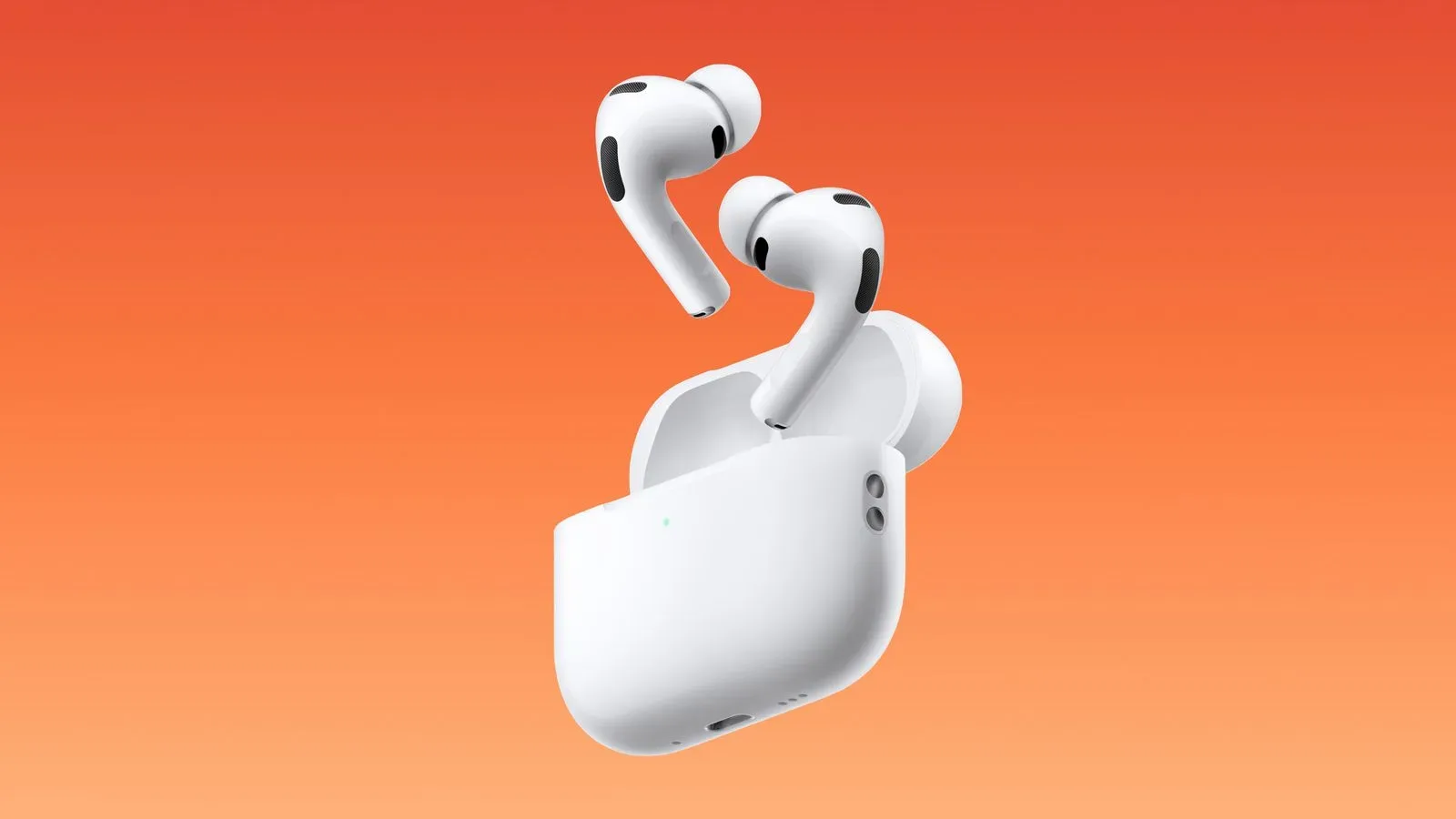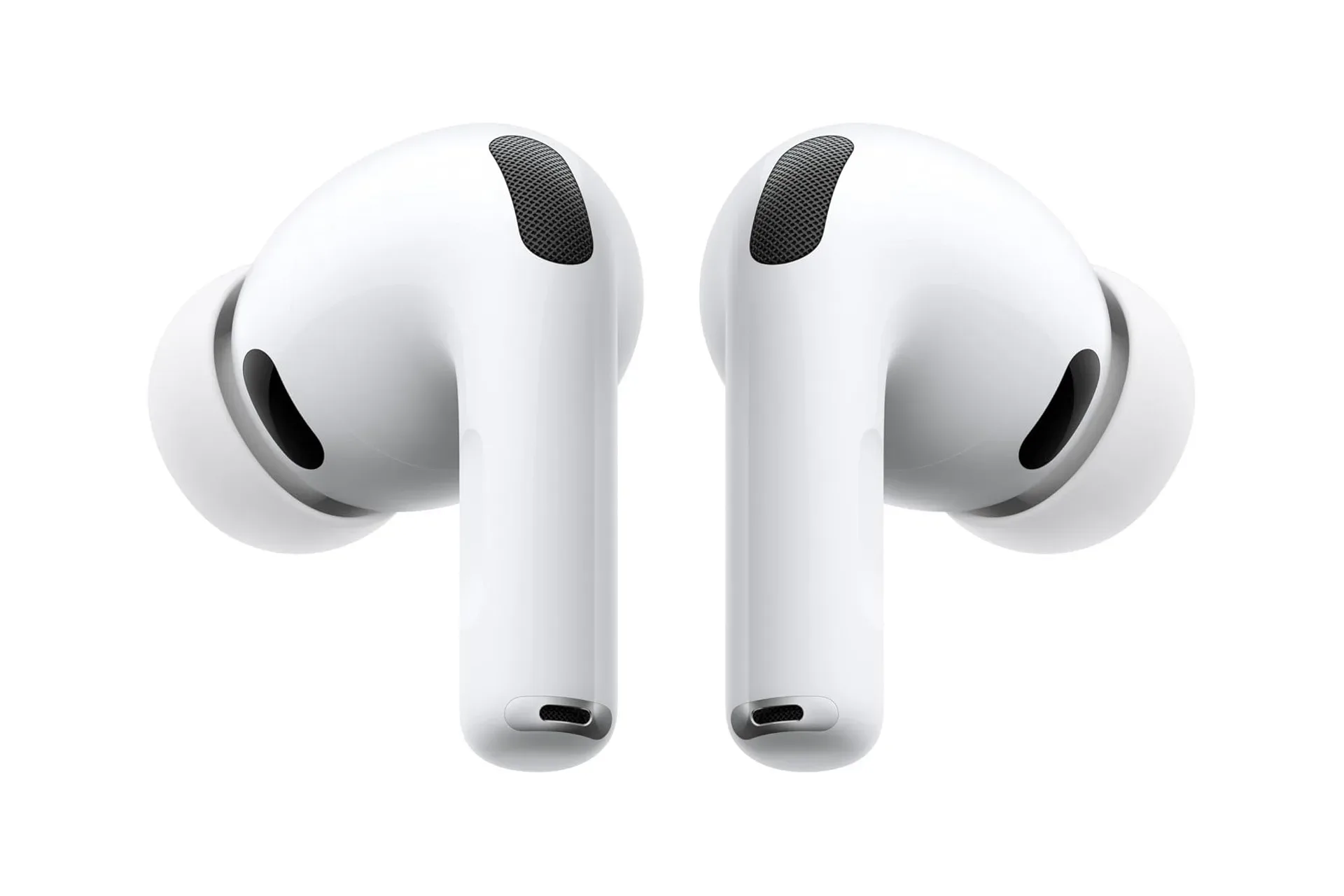
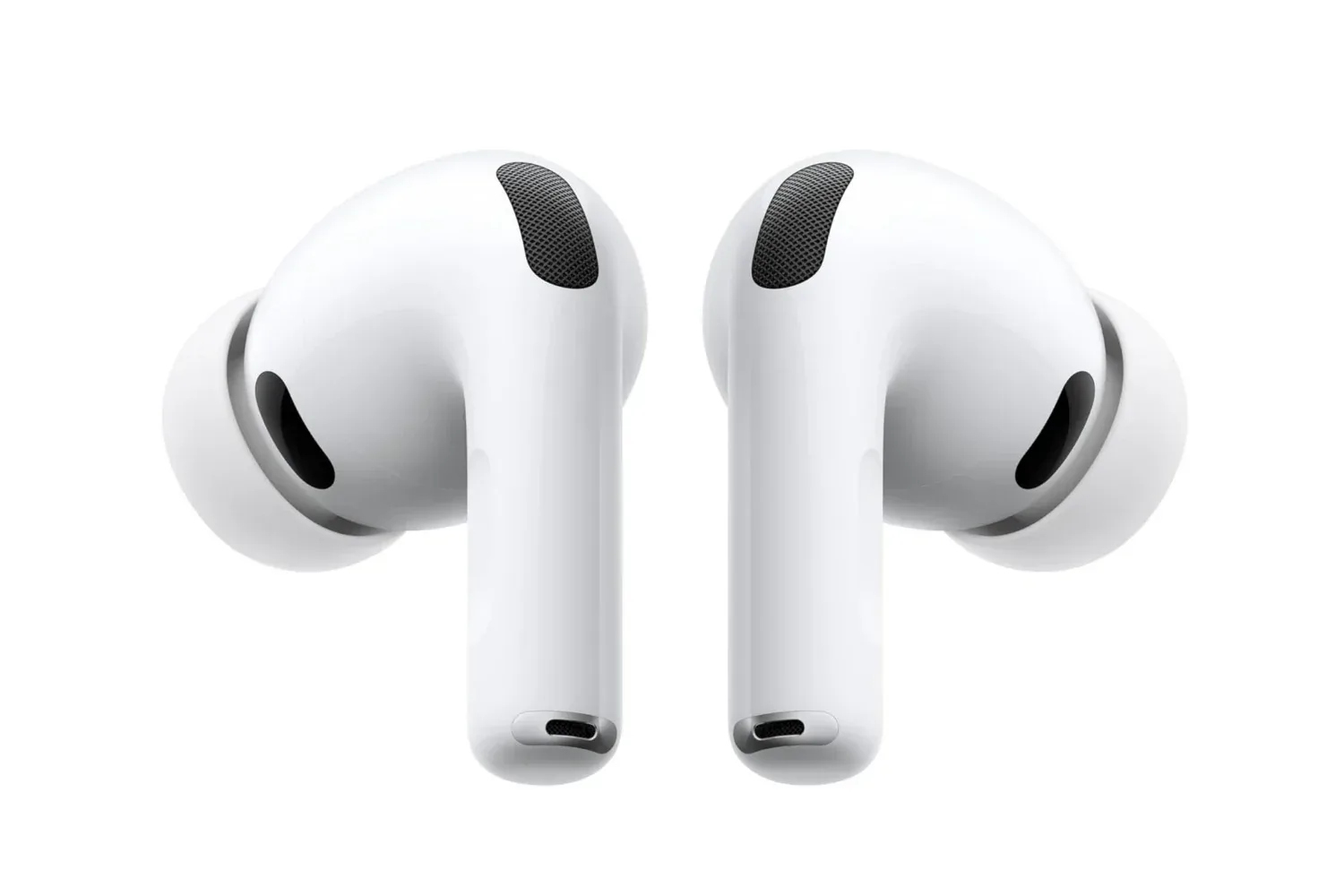
Apple’s AirPods Pro 3 are listed at $169.99 in a Black Friday offer, reduced from $249. That is a $79.01 cut, or roughly 32%, and it places a premium set of wireless earbuds firmly in gift-list territory.
The deal is easy to understand. Working out whether the earbuds are right for the intended recipient takes more thought.
AirPods Pro 3 are designed around Apple’s broader device ecosystem rather than as a platform-neutral pair of earbuds. They can be attractive for an iPhone owner who listens to music, uses multiple Apple devices, exercises, or has an interest in the hearing-related tools Apple advertises. They are a considerably less obvious purchase for somebody on Android, since several of the product’s headline extras require an iPhone.
For buyers deciding between Apple’s current earbud options, our AirPods 5 vs. AirPods Pro 3 comparison breaks down the practical distinctions around fit, active noise cancellation and battery claims.
The price is clear; the sale timing is not a reason to skip the checks
The $169.99 listing is the core fact here. It is presented as a Black Friday price for white AirPods Pro 3, with free returns noted on the listing. A return option is useful when purchasing earbuds for another person because comfort is personal: even a technically strong model can be an unused gift if it does not stay secure or feel comfortable.
The product page also notes that other sellers could offer a lower price without free Prime shipping. That makes the displayed figure a deal worth comparing at checkout, rather than a permanent benchmark for every seller or every listing. Terms can also apply to included promotions and financing options.
Amazon’s listing shows a 4.4-out-of-5 rating based on 18,255 ratings and identifies the model as its top-selling earbud and in-ear-headphone product. Ratings and sales rank can show broad interest, but they do not answer the individual questions that matter most with an earbud purchase: device compatibility, comfort, the recipient’s use case and whether claimed software features operate in their country.
Fit is not a minor spec for in-ear earbuds
AirPods Pro 3 include ear tips in five sizes. Apple says those choices support a more personalized, secure fit and improved audio. That is an especially meaningful inclusion for a gift, since in-ear headphones create a seal in the ear canal. A poor seal can lead to a loose fit, less consistent bass and weaker passive isolation from surrounding sound.
Passive isolation is the noise reduction achieved simply by the physical fit of the ear tips. It is separate from active noise cancellation, often shortened to ANC. ANC uses microphones and processing to counter certain outside sounds. A good seal gives the technology a more stable starting point; an uncomfortable or ill-fitting tip can make the entire experience disappointing no matter what the feature list says.
There is no colour decision to make in this particular listing: it shows white earbuds only. The more consequential question is whether the recipient generally likes in-ear tips. Someone who dislikes that style of fit may value a different headphone design more than any discount.
Noise-cancellation and sound claims need the right context
Apple describes AirPods Pro 3 as having its best in-ear noise cancellation and says they can remove up to twice as much unwanted noise as AirPods Pro 2. Apple’s listing marks those statements with qualifiers tied to its own testing. They should be understood as manufacturer claims, not as a substitute for independent testing under a buyer’s own typical conditions.
Apple also highlights a new acoustic architecture, stronger bass, clearer vocals and Adaptive EQ. Adaptive EQ is Apple’s term for sound adjustment based on the shape of the listener’s ear. In plain language, it is intended to tailor playback rather than deliver exactly the same result to every wearer.
That could be useful for listeners who move between podcasts, voice chat and music, where vocal clarity is important. But it is not a guarantee that every listener will prefer the tuning. Sound preference is subjective, and no specification can predict whether a recipient wants a bass-forward presentation, a more neutral balance or something else entirely.
The biggest dividing line is iPhone ownership
AirPods Pro 3 have built-in heart-rate sensing, with Apple saying they can track heart rate and calories burned across as many as 50 workout types. When paired with an iPhone, the earbuds can also feed into Move ring activity, step counting and Workout Buddy. Apple says Workout Buddy is powered by Apple Intelligence.
Those are not merely decorative app features. They change what the product is: instead of serving solely as audio gear, it can become part of a workout and activity routine. That is potentially compelling for a recipient who runs, goes to the gym or already tracks activity through Apple’s ecosystem.
It is also why the model is a poor fit for an Android user if these are the reasons for buying it. The supplied product information specifically ties those extras to iPhone use. Buyers should not assume that a pair of Bluetooth earbuds offers identical functionality across phones just because basic audio playback works.
Apple’s ecosystem conveniences include Automatic Switching, which moves the earbuds between Apple devices, and Audio Sharing, which lets two sets of AirPods listen to the same audio. Both can be meaningful day-to-day benefits in a household using Apple hardware. They are much less valuable to a person who owns only one compatible device or does not use Apple devices at all.
Hearing features deserve more care than a bullet point
Apple lists an at-home hearing test, a Hearing Aid feature with automatic Conversation Boost, and active Hearing Protection for loud noise. The listing attaches qualifiers to these features and does not identify every place where each is available.
That availability question matters. A hearing-related feature can be the very reason a buyer chooses this model, but a gift buyer should confirm regional support on Apple’s current information for the country where the recipient will use it. A feature described in a product listing is not necessarily offered in every location.
Transparency mode, another relevant term, lets outside sound through instead of prioritizing isolation. Apple rates the earbuds for up to 10 hours in Transparency mode when using the Hearing Aid feature. That differs from the headline listening estimate of up to eight hours with noise cancellation enabled. Neither is a universal promise: “up to” figures depend on how the earbuds are used.
Apple also lists Live Translation as enabled by Apple Intelligence. The concept is straightforward: it is intended to help conversations across a language barrier. But the listing does not specify all supported devices, so this is another case where buyers should verify compatibility rather than treat it as a guaranteed feature for every owner.
Battery and charging: what the listing does and does not say
The stated battery figures are up to eight hours of listening with ANC on a charge, or up to 10 hours in the specified Transparency/Hearing Aid scenario. For many buyers, eight hours is more useful as an indication of a long listening session than as a reason to expect that number in every circumstance. Listening level, enabled functions and other usage conditions can affect real-world longevity.
The charging case uses USB-C. That makes cable sharing convenient for people whose current phone, laptop or accessories already charge through USB-C. It does not mean every buyer receives an identical cable arrangement with every purchase, so the most cautious approach is to check the exact box contents shown at checkout.
The available listing information does not provide a combined total-playback figure for the case and earbuds. That missing number is worth noticing: shoppers comparing this model with another pair should avoid filling in the blank from memory or assuming a total based on a previous generation.
Extras and payment offers are secondary, not the value proposition
The listing includes up to three free months of Apple Arcade, Apple Fitness+ and Apple News+, subject to terms. Those services may add value for a new or eligible Apple customer, but their relevance will vary widely. They should not outweigh whether the earbuds fit, work with the recipient’s phone and offer the features that person will actually use.
For shoppers who need to spread out the cost, the listing presents four interest-free payments of $42.50 every two weeks. It also says approved Amazon Visa applicants can pay $109.99, though approval requirements apply. These are payment options, not further reductions that every buyer automatically receives.
A practical buying checklist for this AirPods Pro 3 deal
- Confirm the phone: The strongest fitness and Apple Intelligence-related functions described here require an iPhone.
- Consider in-ear comfort: Five tip sizes help, but they cannot guarantee that the recipient likes sealed earbuds.
- Separate claims from verified needs: Apple’s ANC and sound comparisons are based on its own testing; read independent assessments if noise control is the priority.
- Check regional support: Do this before buying for the hearing tools or Live Translation.
- Look at the checkout details: Verify the current price, seller, shipping conditions, return terms and any subscription or financing fine print.
- Do not infer omitted specifications: The supplied listing gives per-charge listening estimates, but not total playback from the case.
At $169.99, AirPods Pro 3 are positioned as a substantial discount from the listed $249 price. For the right iPhone owner, the combination of five ear-tip sizes, Apple-device switching, workout-oriented sensors and hearing-related tools makes the package more versatile than a music-only pair of earbuds. For an Android user, someone who dislikes in-ear designs, or a buyer counting on a feature that has not been confirmed for their region, the same price cut is less persuasive.
The best Black Friday purchase is not necessarily the product with the largest percentage removed from its list price. In this case, it is the one where fit, phone and feature availability line up before the return window has to do the work.
Shop the products
Check current price, model and availability at the retailer.