
Apple’s AirPods 5 and AirPods Pro 3 may share the familiar white-earbud look, but they are built around different priorities. The AirPods 5 line is the less expensive route into several modern AirPods features, while AirPods Pro 3 adds a sealing in-ear design, longer claimed playback with Active Noise Cancellation enabled, enhanced lost-item tracking and health-focused functions.
There are three price points in this comparison: a $129 entry AirPods 5 model, a $149 AirPods 5 option and the $249 AirPods Pro 3. That makes the mid-tier AirPods 5 particularly important. It is not merely a different charging bundle: it gains wireless charging, a speaker-equipped case for locating it and on-stem volume swipes, closing some of the gaps with the Pro model.
The largest divide, however, is not the case or the control scheme. It is how each earbud sits in the ear. That choice influences isolation, comfort, the effectiveness of noise cancellation and potentially the consistency of music playback. Shoppers should start there, then decide whether the Pro-only battery and health features justify the extra cost.
At a glance: the AirPods 5 and AirPods Pro 3 split
- AirPods 5, $129: Open-style solid earbuds, ANC, USB-C case charging, up to four hours per charge with ANC, 20 total case hours, and no case speaker or stem volume swipe.
- AirPods 5, $149: The same basic earbud approach, with up to five hours per charge with ANC, 22 total case hours, wireless charging, a case speaker for finding it and stem volume controls.
- AirPods Pro 3, $249: Replaceable silicone tips in five sizes, up to eight hours per charge with ANC, 24 total case hours, wireless and USB-C charging, precise Find My tracking, heart-rate sensing and hearing-related features.
All three products retain a meaningful common foundation. Both AirPods families support Active Noise Cancellation, use Apple’s H2 chip and carry an IP57 durability rating. They also support Personalized Spatial Audio with head tracking, Voice Isolation and studio-quality recording, Adaptive Audio, Conversation Awareness and Live Translation where that feature is available.
Those shared capabilities mean this is not a simple comparison between a basic pair and a feature-rich pair. The decision is more specific: whether the Pro model’s sealed fit, endurance, location precision and health functions address needs the standard AirPods design does not.
Fit is the first major decision
AirPods 5 have a slightly oval solid-bud shape with no ear tips. They are designed to sit in the ear after a gentle twist rather than seal the ear canal. That can be the decisive advantage for someone who dislikes the pressure or more enclosed sensation associated with in-ear tips.
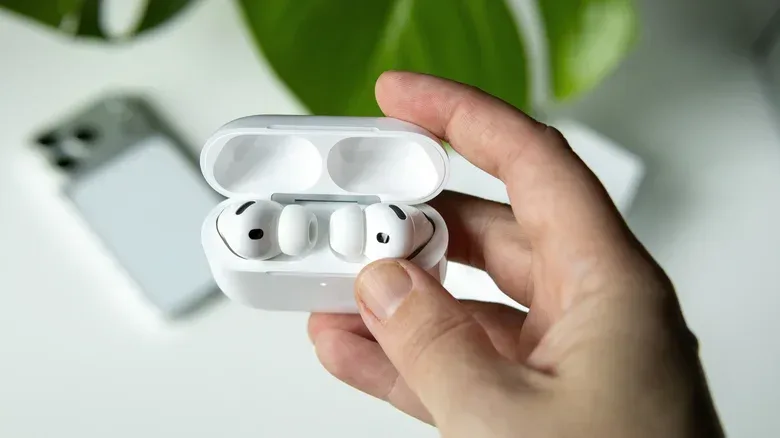
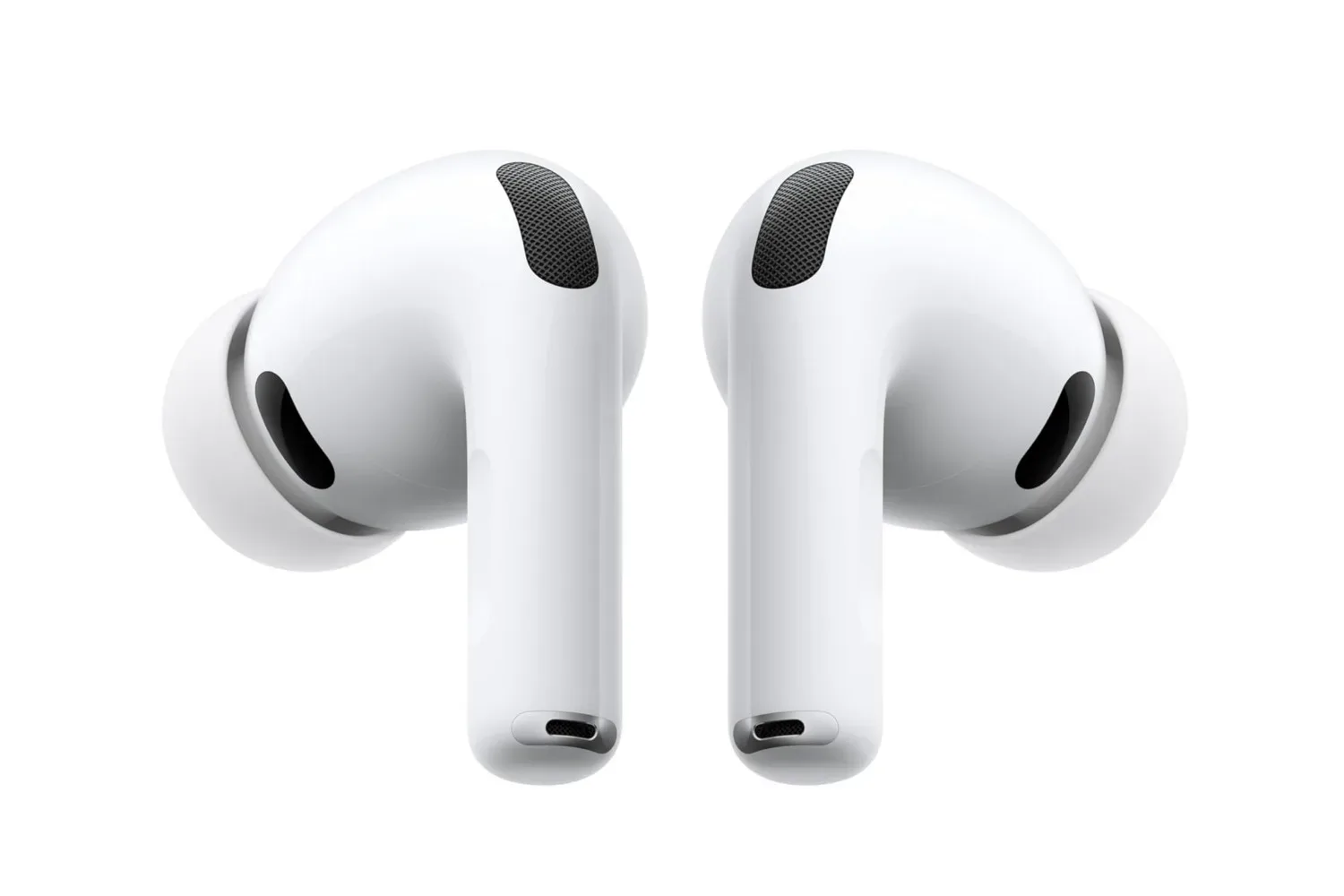
AirPods Pro 3 use replaceable silicone ear tips that create a seal in the ear canal. Five sizes are included. The practical point of supplying multiple sizes is not simply customization: a better seal can both improve the way music is heard and reduce the amount of outside sound that reaches the ear. Other tip choices may be available for people, including those with smaller ears, who need a different fit.
Why a seal changes ANC
Active Noise Cancellation, often shortened to ANC, is the feature that works to suppress external sound. Both AirPods 5 and AirPods Pro 3 have it, so the cheaper models are not excluded from a major contemporary feature.
But ANC is only part of the equation. The Pro model’s silicone tips also physically block some external sound by sealing the ear canal. This passive isolation gives the electronic cancellation system less environmental sound to contend with. In practical terms, Apple positions AirPods Pro 3 as the more effective choice for people whose priority is reducing surrounding noise.
This is also why fit should not be treated as a minor comfort specification. A person who strongly prefers unsealed buds may get more day-to-day use from AirPods 5 even if the Pro design offers stronger isolation. Conversely, somebody buying earbuds specifically to counter external noise is likely to place substantial value on the Pro tips and their seal.
What the H2 chip and shared software features mean
Both lines use Apple’s H2 chip, which supports improved music playback and a broad collection of audio and communication features. The hardware platform is therefore shared even though the physical designs differ.
- Personalized Spatial Audio with head tracking: a spatial listening feature that incorporates head movement.
- Voice Isolation and studio-quality recording: calling and recording-oriented functions intended to prioritize voice capture.
- Adaptive Audio: an audio mode designed to adjust to conditions.
- Conversation Awareness: a feature related to managing audio during conversation.
- Live Translation: supported when available.
The important buying implication is that choosing AirPods 5 does not mean abandoning these headline software capabilities. The Pro premium is instead concentrated in physical isolation, endurance, tracking and health-related additions.
There is also a shared durability claim worth interpreting carefully. IP57 indicates dust resistance and that the earbuds should continue to function after submersion in up to one meter, or 3.3 feet, of fresh water for a short period. It is useful protection for accidental exposure, but it is not the same as a broad promise that the earbuds are suitable for every water activity or prolonged immersion.
Battery life: the widest numerical gap
The difference in claimed playback time with ANC turned on is substantial. Apple lists the $129 AirPods 5 at up to four hours on a single charge. The $149 AirPods 5 rises to up to five hours. AirPods Pro 3 is rated for up to eight hours of music playback with ANC.
That puts the Pro model’s stated per-charge figure four hours above the entry AirPods 5 and three hours above the $149 version. For long sessions away from the case, that may be one of the clearest reasons to consider the Pro model. The claim is specifically framed around music playback with ANC active, which makes it directly relevant to people who expect to use noise cancellation rather than leave it off to maximize runtime.
Every model includes a protective charging case, and a five-minute placement in the case is said to provide an hour of playback. That quick top-up can reduce the inconvenience of shorter earbud endurance when a case and a few spare minutes are available. It does not erase the advantage of a longer single charge for situations where neither is true.
Case capacity and charging choices
The base AirPods 5 case provides 20 hours of battery life and charges over USB-C. The $149 AirPods 5 case increases that to 22 hours and adds wireless charging. AirPods Pro 3 offers 24 hours, plus both wireless and USB-C charging.
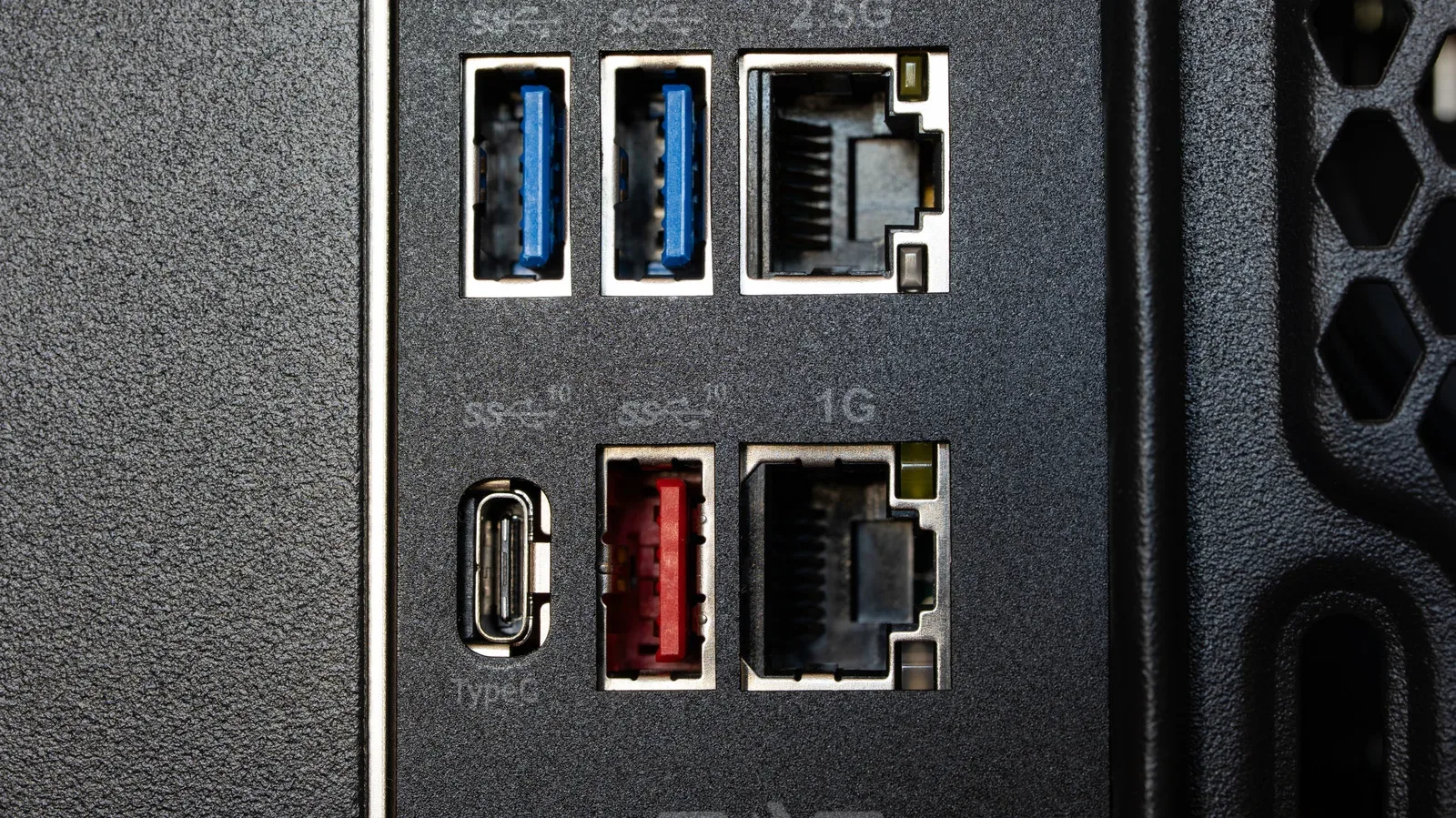
USB-C is the wired charging connection stated for each tier. For readers sorting out cables and ports around a desktop setup, our explainer on what a red USB port can—and cannot—tell you provides related context: connector color alone is not a dependable shorthand for every capability.
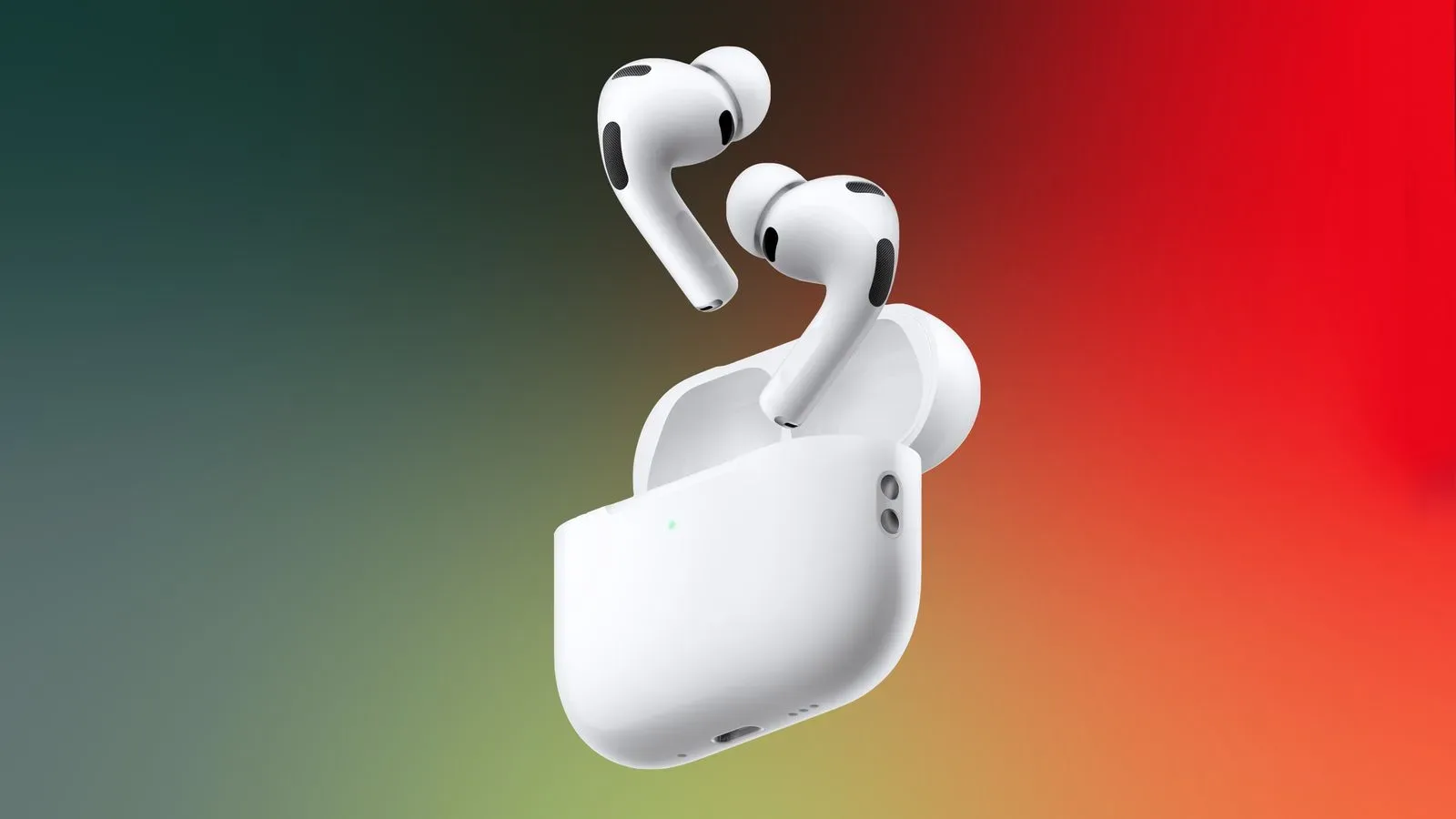
Wireless charging is not only a convenience divider in this lineup. It is linked to the locating experience. Both wireless-charging cases have speakers that can play a sound to help locate a misplaced case. The $129 AirPods 5 case lacks that speaker feature.
Find My: a small case detail with real consequences
A lost earbud case is a particularly frustrating kind of missing accessory because it is both storage and the way the earbuds regain charge. The speaker in the $149 AirPods 5 case and AirPods Pro 3 case can make locating a nearby misplaced case easier.
AirPods Pro 3 goes further with precise tracking through Find My. That is a distinct feature from a case merely making a sound. It gives the Pro model an added advantage for people who frequently misplace small accessories or who value more detailed help narrowing down where to look.
The base AirPods 5 remains compatible with Find My, but its case does not have the wireless charging case’s speaker. Buyers comparing only the $129 sticker price with the $249 Pro price should therefore account for the $149 AirPods 5 option, which restores both wireless charging and audible case location without reaching the Pro price.
Controls: only one AirPods 5 tier gets volume swipes
Apple separates the two AirPods 5 packages in another practical way. Users can swipe the stalk to raise or lower volume on AirPods Pro 3 and the $149 AirPods 5. The $129 AirPods 5 does not have this volume adjustment method.
It is a modest distinction compared with the Pro model’s fit and battery advantages, yet it is the kind of difference that can repeatedly affect use. Someone who wants on-earbud volume adjustment but has no need for silicone tips, health sensors or precise tracking has a clear reason to favor the $149 AirPods 5 over the base version.
Pro-only health features
AirPods Pro 3 adds heart-rate sensing during workouts, a function absent from AirPods 5. It also includes regulatory-approved hearing-related tools. The Hearing Test creates a hearing profile, and the Hearing Aid feature uses that profile to amplify external sound for people with hearing loss.
These features make the Pro model more than a music-and-calls upgrade. They give it a different role for people who want workout heart-rate data or are interested in the provided hearing-related functions. They should not be assumed to exist on either AirPods 5 option simply because the products share the H2 chip and several audio features.
Which AirPods model makes the most sense?
Choose the $129 AirPods 5 when the open, no-tip form is the priority and the goal is the lowest listed price while retaining ANC, H2-powered features, USB-C charging and IP57 protection. The compromises are the shortest stated ANC-on battery life, no wireless charging, no audible case-finding speaker and no stem volume swipe.
Choose the $149 AirPods 5 when the standard AirPods fit is still preferable but wireless charging, case speaker location help, volume swipes and an extra claimed hour of ANC-on playback matter. It is the more complete version of the non-Pro concept based on the supplied specifications.
Choose AirPods Pro 3 when a silicone ear-tip seal is comfortable and stronger noise reduction is the objective. It also has the highest stated playback figures, the largest stated case capacity, precise Find My tracking, heart-rate sensing and the hearing-related feature set.
The cleanest way to approach the lineup is to avoid treating ANC as the sole dividing line: all of these models have it. Instead, determine whether a sealed in-ear fit works for you, then weigh the value of eight-hour claimed ANC playback, health tools and precise tracking against the lower-priced AirPods 5 options. For many prospective buyers, that is the comparison that will matter after the identical white finish stops being the most obvious thing about them.