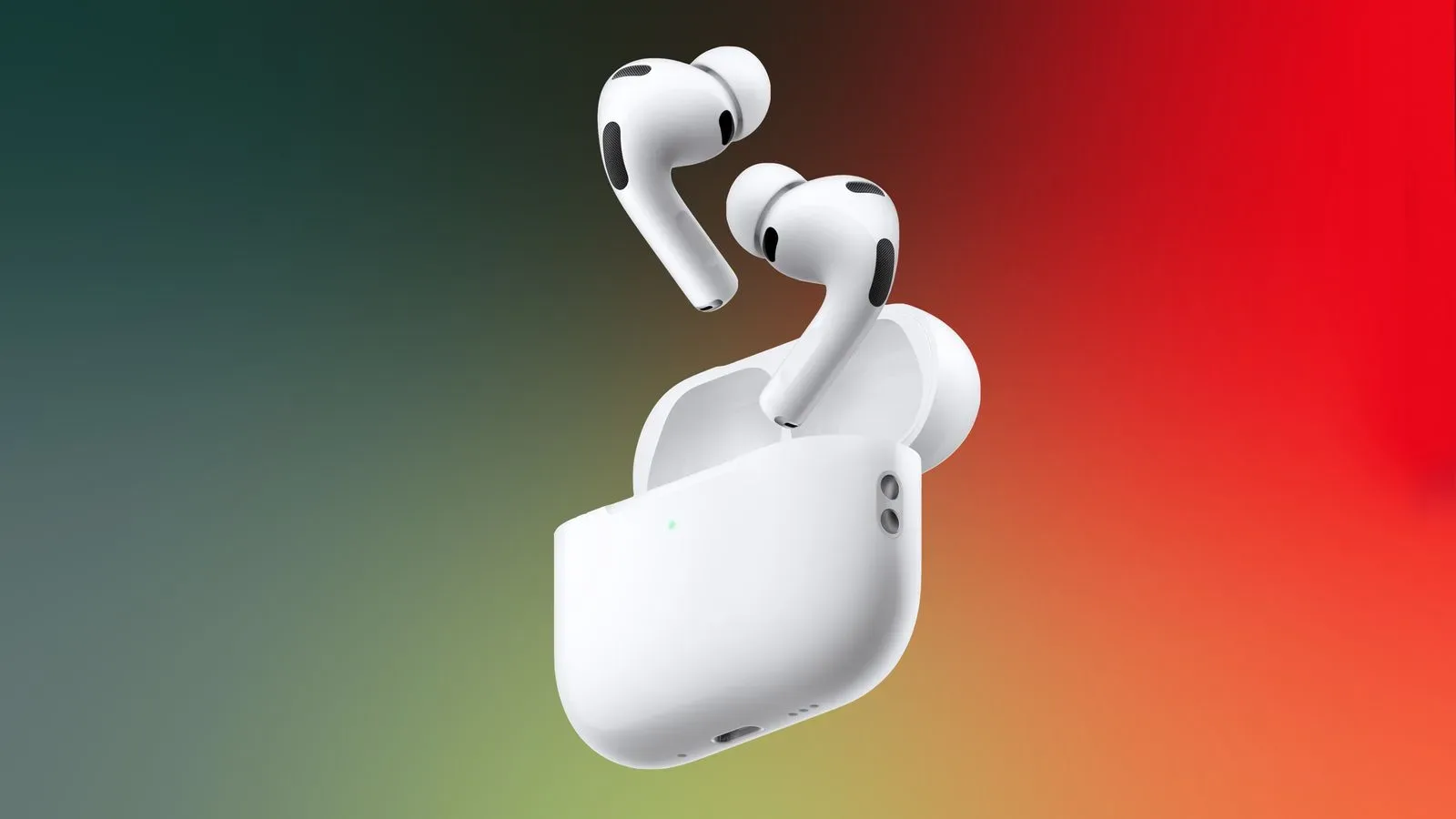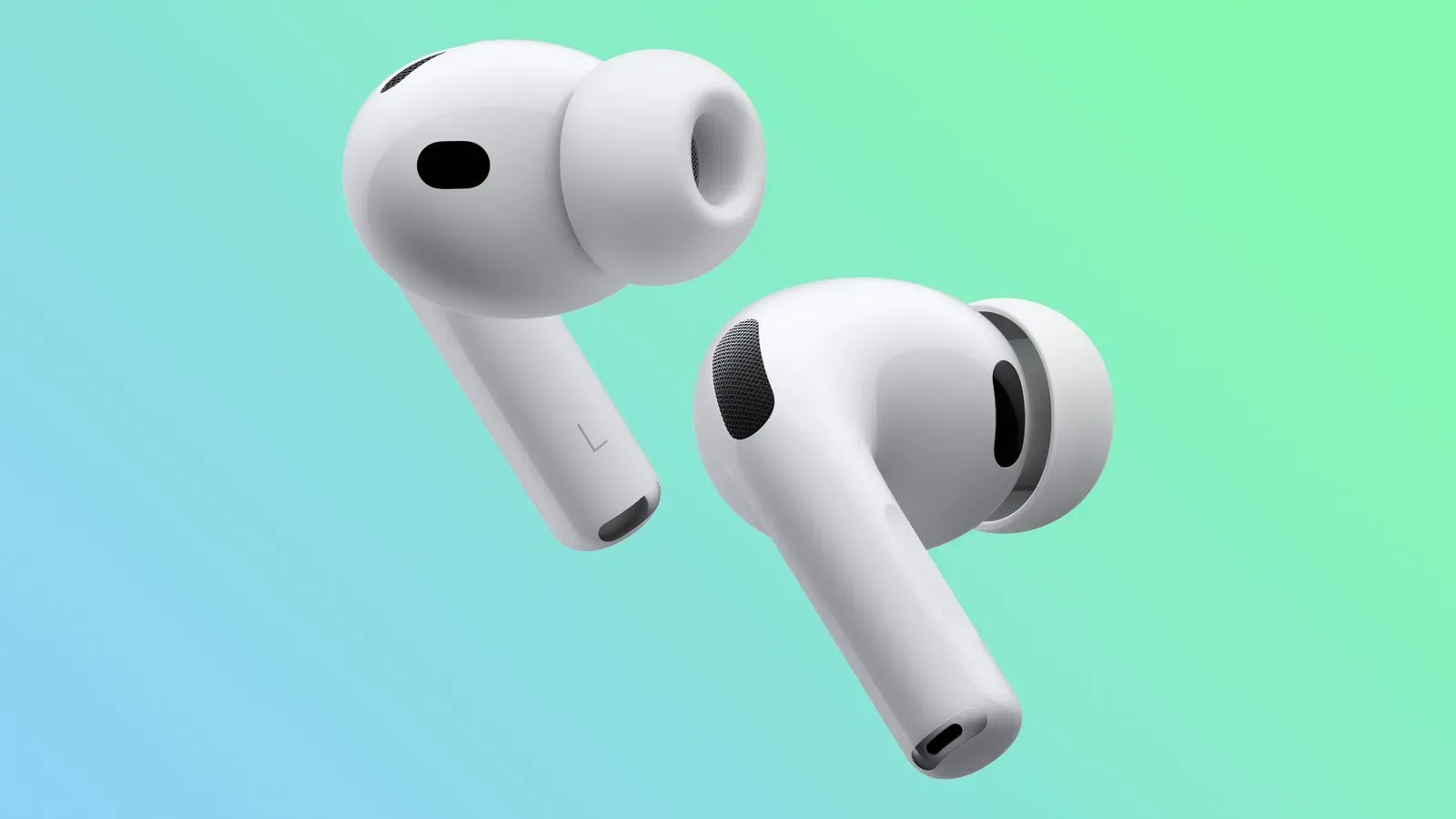
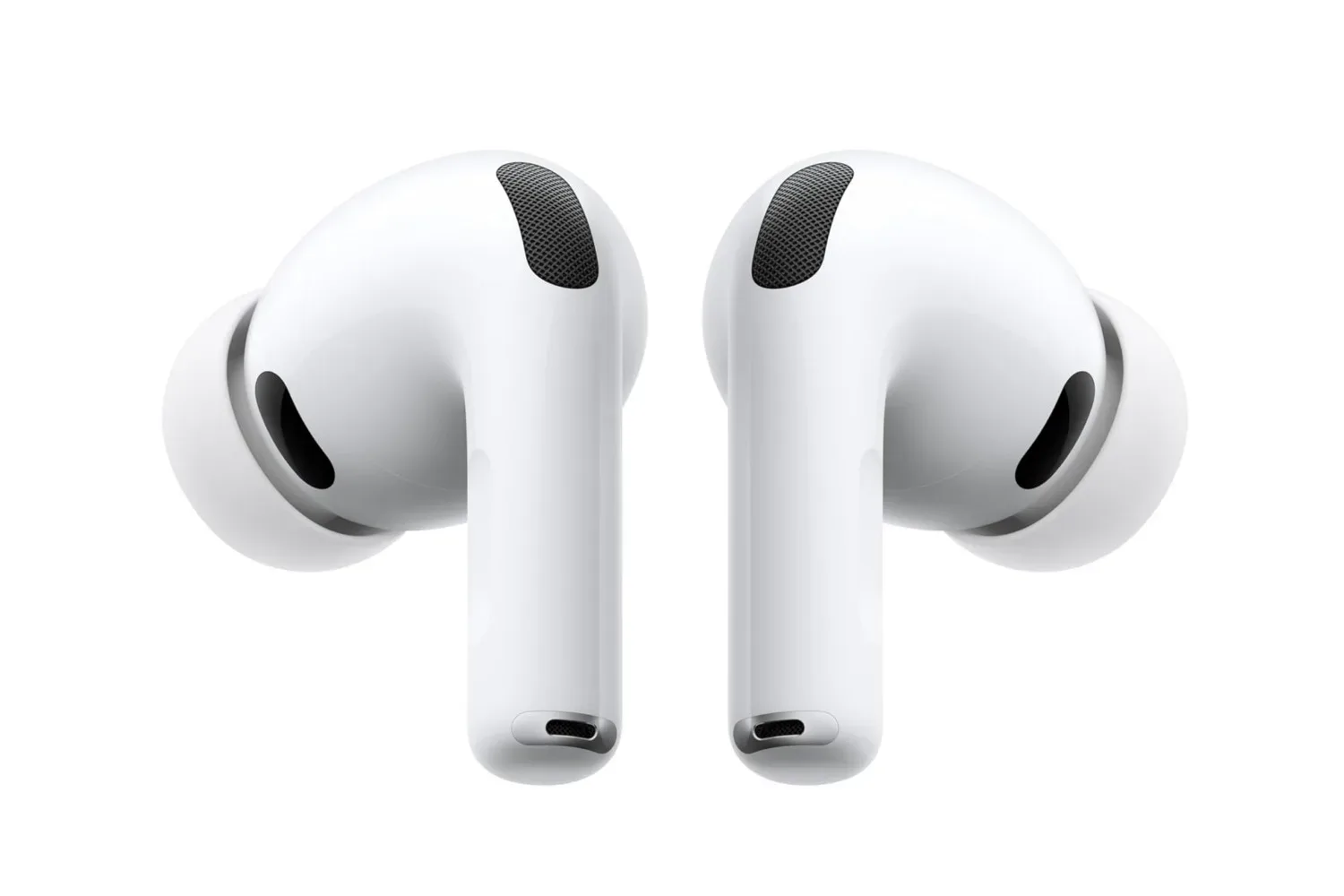
Apple’s AirPods Pro 3 are listed for $179 on Amazon, a $70 reduction from their $249 launch price. That is a 28% cut and matches the earbuds’ stated Black Friday low, putting a meaningful discount on a pair whose headline upgrades center on active noise cancellation, personalized audio and longer listening time.
For players who use earbuds as much for a handheld session, voice-heavy videos and music as for commuting, the practical appeal is less about a single specification than the combination: isolation from a noisy room, quick movement between Apple devices, and a battery claim that can cover an extended play stretch before a recharge. The price is the time-sensitive part of the story; the feature set explains who may find the deal worthwhile.
The deal in plain numbers
- Listed price: $179
- Launch price: $249
- Difference: $70
- Discount: 28%
The AirPods Pro 3 launched at the same $249 price as the preceding AirPods Pro 2. At $179, the newer model is positioned much closer to the price territory where a premium earbud upgrade becomes easier to justify for someone already using an iPhone, iPad, Apple TV or other Apple hardware.
Eligible new users may also receive up to three months of Apple Arcade, Fitness+ and News+. Those offers are an add-on rather than the core value of the hardware discount, and their usefulness will vary considerably by person. Apple Arcade is the most immediately relevant of the three for a gaming audience, while Fitness+ fits more naturally with the earbuds’ workout-oriented heart-rate features.
Noise cancellation is the main upgrade story
Active noise cancellation, often shortened to ANC, uses microphones and audio processing to reduce unwanted external sound before it reaches the listener. It is not a promise of total silence: sudden sounds, nearby speech and imperfect ear-tip fit can still be noticeable. But reducing steady environmental noise can make dialogue, game audio and music easier to hear without turning the volume up as far.
The AirPods Pro 3 are described as removing up to twice as much unwanted noise as AirPods Pro 2. That comparison is particularly relevant in places where headphones have to compete with ambient chatter, transit-like noise or household activity. For portable gaming, it can make a small audio mix feel more legible; for a streamed show or podcast, it can reduce the need to constantly adjust volume as the environment changes.
ANC also has a simple trade-off worth understanding. The earbuds need to run their microphones and processing to perform it, so battery figures are normally quoted separately for cancellation and awareness modes. Here, Apple’s stated listening time reaches up to eight hours with ANC enabled.
Transparency mode is not just ANC turned off
AirPods Pro 3 are rated for up to 10 hours in Transparency mode. Transparency uses the earbuds’ microphones to relay surrounding sound to the wearer. Rather than sealing the world out, its purpose is to help a listener remain aware of speech or nearby activity while still wearing the buds.
That distinction matters for everyday routines. A person may prefer ANC for concentrated listening in a noisy café, then move to Transparency when they expect to be addressed or need awareness of their surroundings. The additional claimed two hours in Transparency versus ANC reflects that these modes are doing different jobs, not simply offering two names for the same setting.
Battery estimates are usage claims, not a guarantee that every session will last exactly the quoted number of hours. Volume, the selected listening mode and other activity can affect real-world endurance. Still, the up-to-eight-hour ANC figure offers a clear baseline when comparing the model with other premium wireless earbuds.
What Apple’s audio processing is meant to do
The AirPods Pro 3 use a new acoustic architecture intended to improve bass response and clarity, including at high volume. Bass refers to lower-frequency sound: the impact in a soundtrack, the body of a music track, or the low rumble that can otherwise be drowned out by outside noise. Clarity is the broader idea of making details easier to distinguish instead of letting different parts of the mix blur together.
They also use Adaptive EQ, a system that tailors sound output to the individual fit and ear geometry. Inward-facing microphones monitor what is playing in the ear and the system makes adjustments in real time. The important implication is convenience: listeners do not need to manually build a sound profile for the earbuds to account for how they sit.
That does not mean every listener will prefer the exact same sound tuning. Audio taste is personal, and fit remains central to both sound quality and cancellation. But adaptive tuning is designed to address one persistent wireless-earbud complication: two people wearing the same model do not necessarily receive precisely the same acoustic result.
Apple ecosystem features may matter as much as the hardware
For households and players already within Apple’s device ecosystem, the supporting features deserve close attention. Automatic Switching lets the earbuds move between Apple devices. In practical terms, that can reduce friction for someone who jumps from an iPhone to an iPad or Apple TV instead of pairing and unpairing manually each time.
Audio Sharing allows content from an iPhone, iPad or Apple TV to be shared between two pairs of headphones. It is a more specific benefit than better cancellation or battery life, but a potentially handy one for two people watching the same video or listening together without filling a room with speaker audio.
Neither feature is a reason to ignore a preferred non-Apple setup. Instead, they are ecosystem conveniences: functions that become more valuable when the devices a person actually uses are the devices named in the feature list. Readers weighing the AirPods Pro 3 against alternatives should treat that compatibility pattern as a core part of the purchase decision, rather than as a footnote.
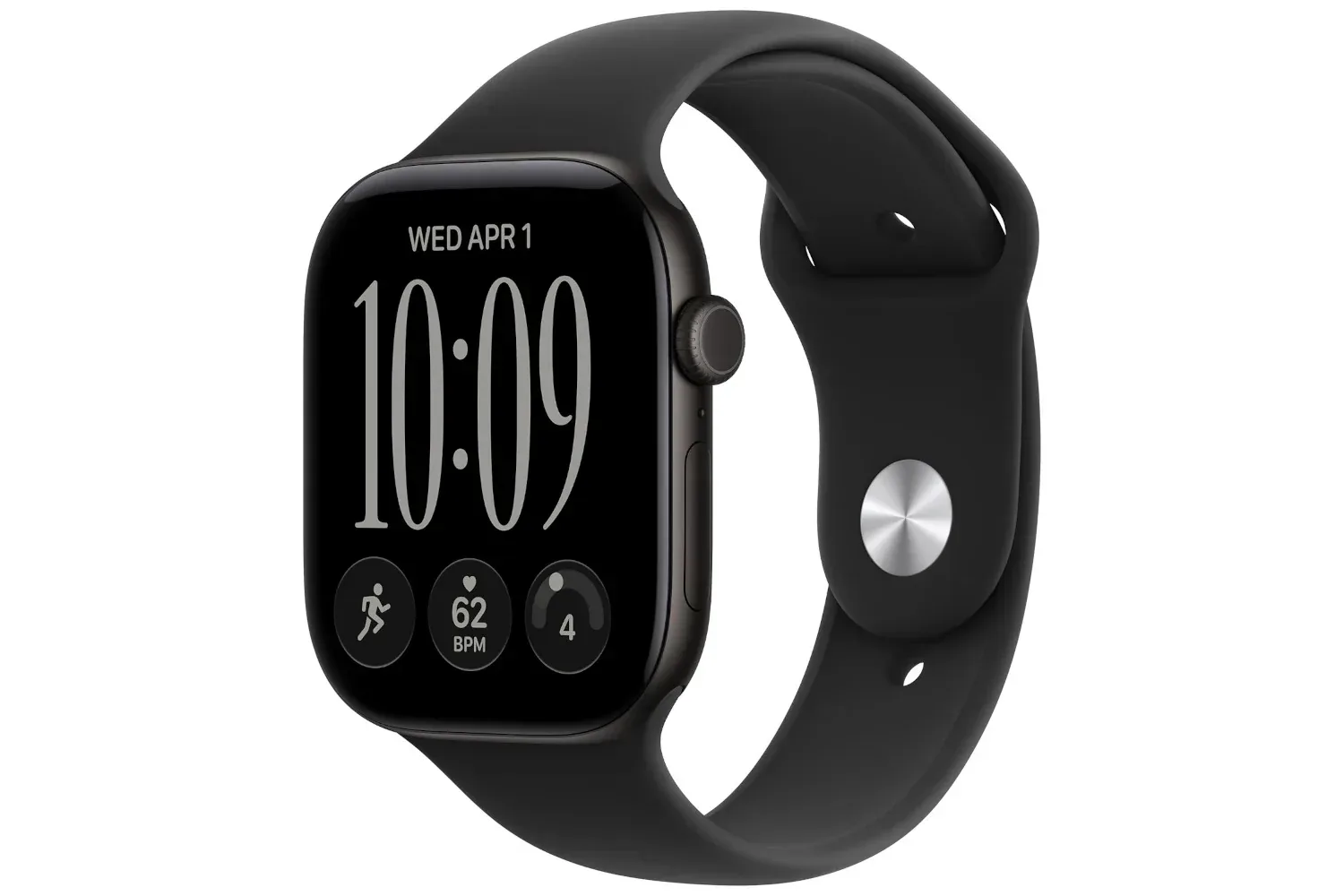
Apple-device owners looking at adjacent hardware deals can also compare this price movement with the Apple Watch Series 12 GPS listing at $379, another recent example of a $70 reduction from the stated regular price.
Fitness and translation broaden the pitch
The earbuds include heart-rate sensing that can monitor heart rate and calories burned across up to 50 workout types. This makes the AirPods Pro 3 more than an audio accessory on paper, especially for someone who wants fitness-related data while using earbuds during exercise. The supplied information does not establish how that data should be used beyond monitoring, so it is best understood as a wellness and workout feature rather than a substitute for medical advice or equipment.
Live Translation is the other major non-audio capability. The earbuds can detect languages and translate into the user’s preferred language, aiming to make communication with speakers of different languages less difficult. It is an ambitious convenience feature, but prospective buyers should think about it in terms of their actual use case. A buyer who primarily wants noise reduction and Apple-device switching may place little value on it; a traveler or multilingual household may view it very differently.
Who the $179 listing suits
The current price makes the most sense for buyers who specifically value several of the following at once:
- Strong active noise cancellation for distracting environments.
- Up to eight hours of stated listening with ANC on, or up to 10 hours in Transparency mode.
- Adaptive EQ and sound processing that adjust around fit and ear geometry.
- Automatic Switching and Audio Sharing across compatible Apple products.
- Heart-rate sensing for workouts and Live Translation as supplementary features.
Conversely, the offer is less compelling if the Apple-specific integration is not useful, if the buyer does not need in-ear noise cancellation, or if the added fitness and translation tools do not change the buying decision. A discount is only a deal when the product itself fits the task.
At $179 rather than $249, however, the AirPods Pro 3 put their strongest argument in a straightforward form: premium Apple earbuds with substantially upgraded noise-reduction claims, adaptive audio and long stated battery life now cost $70 less than launch pricing. Inventory and retail prices can change, so anyone interested should verify the listed price and any eligibility details for the included service trials before checking out.
Shop the products
Check current price, model and availability at the retailer.