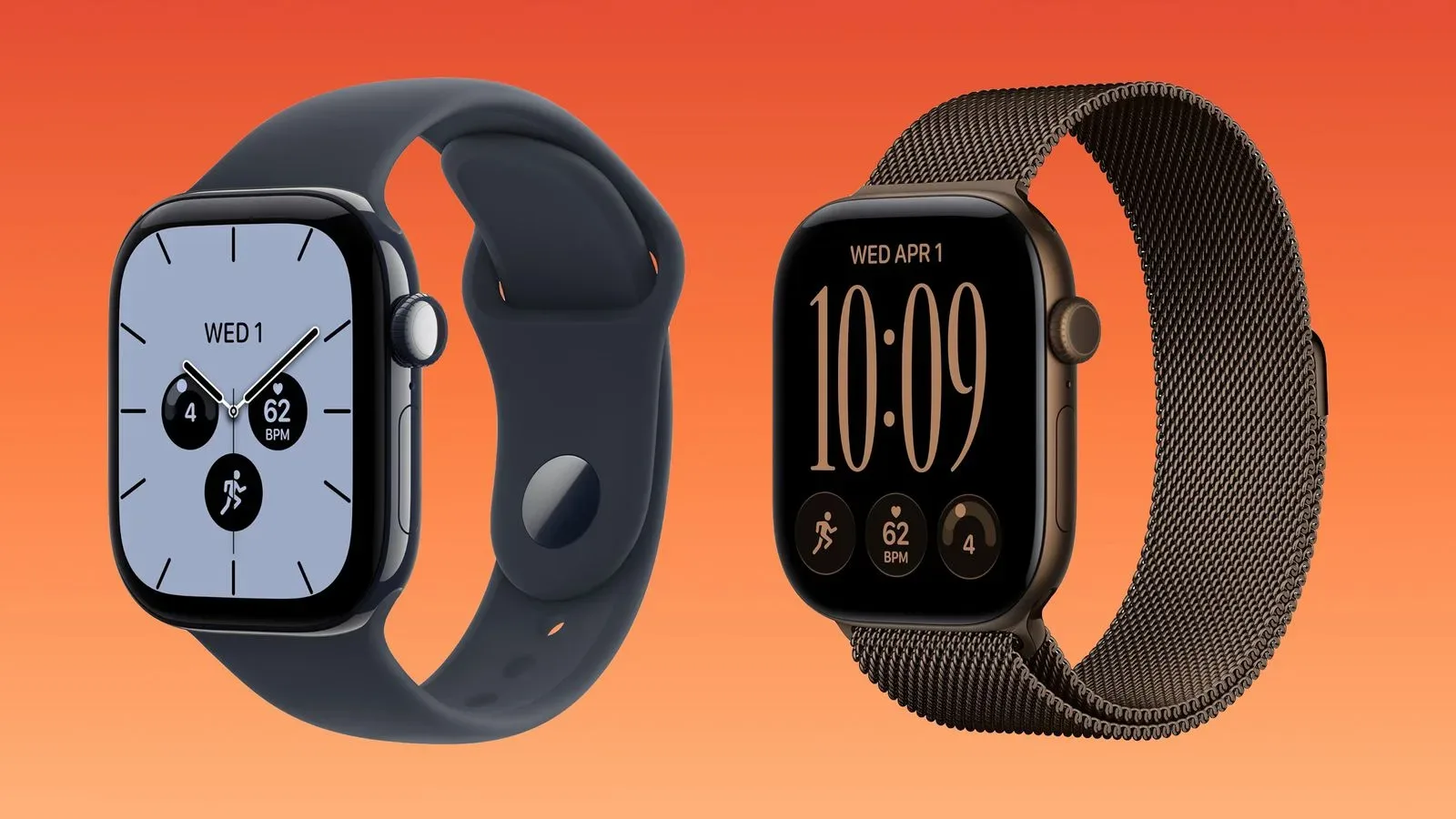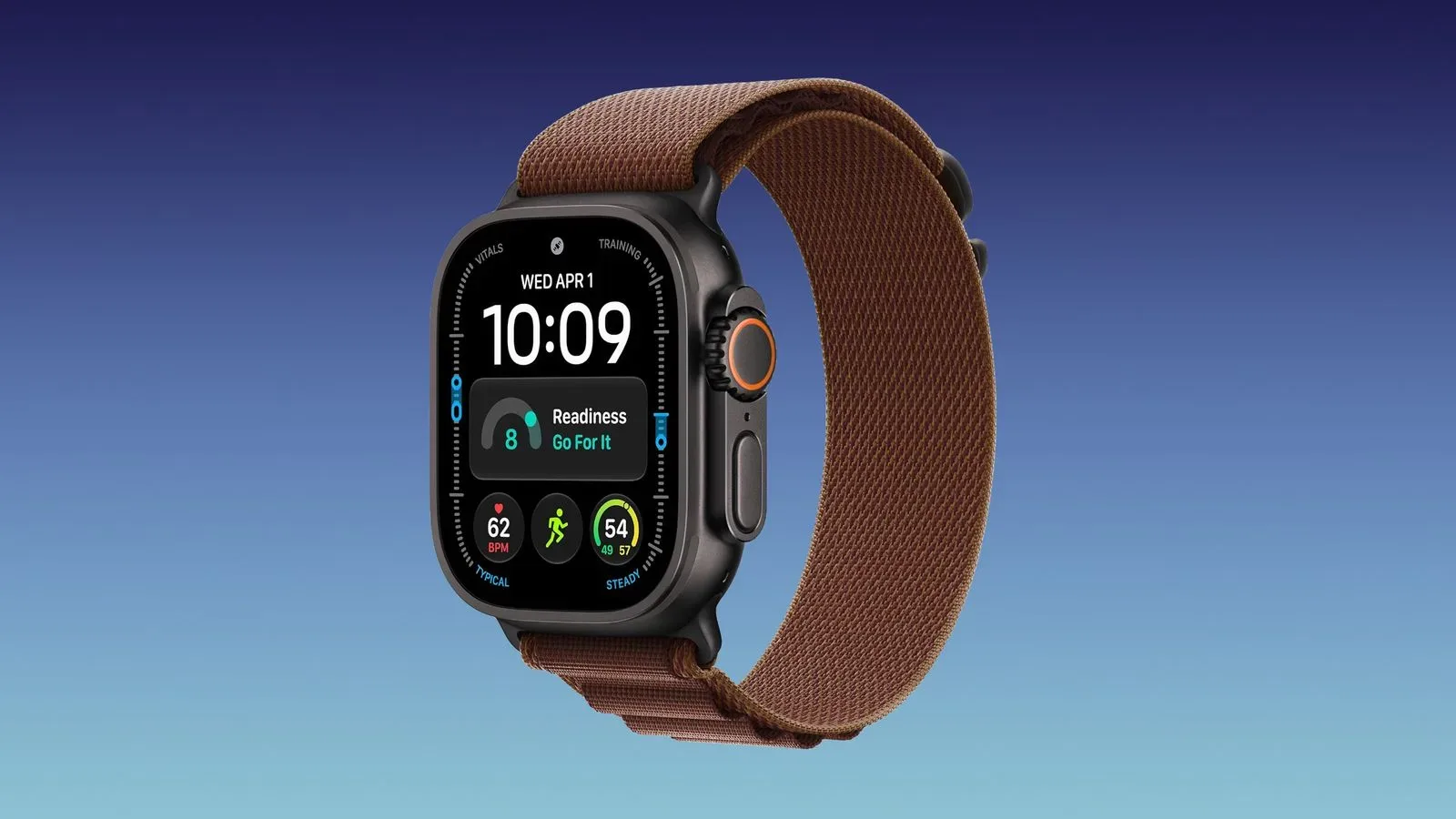
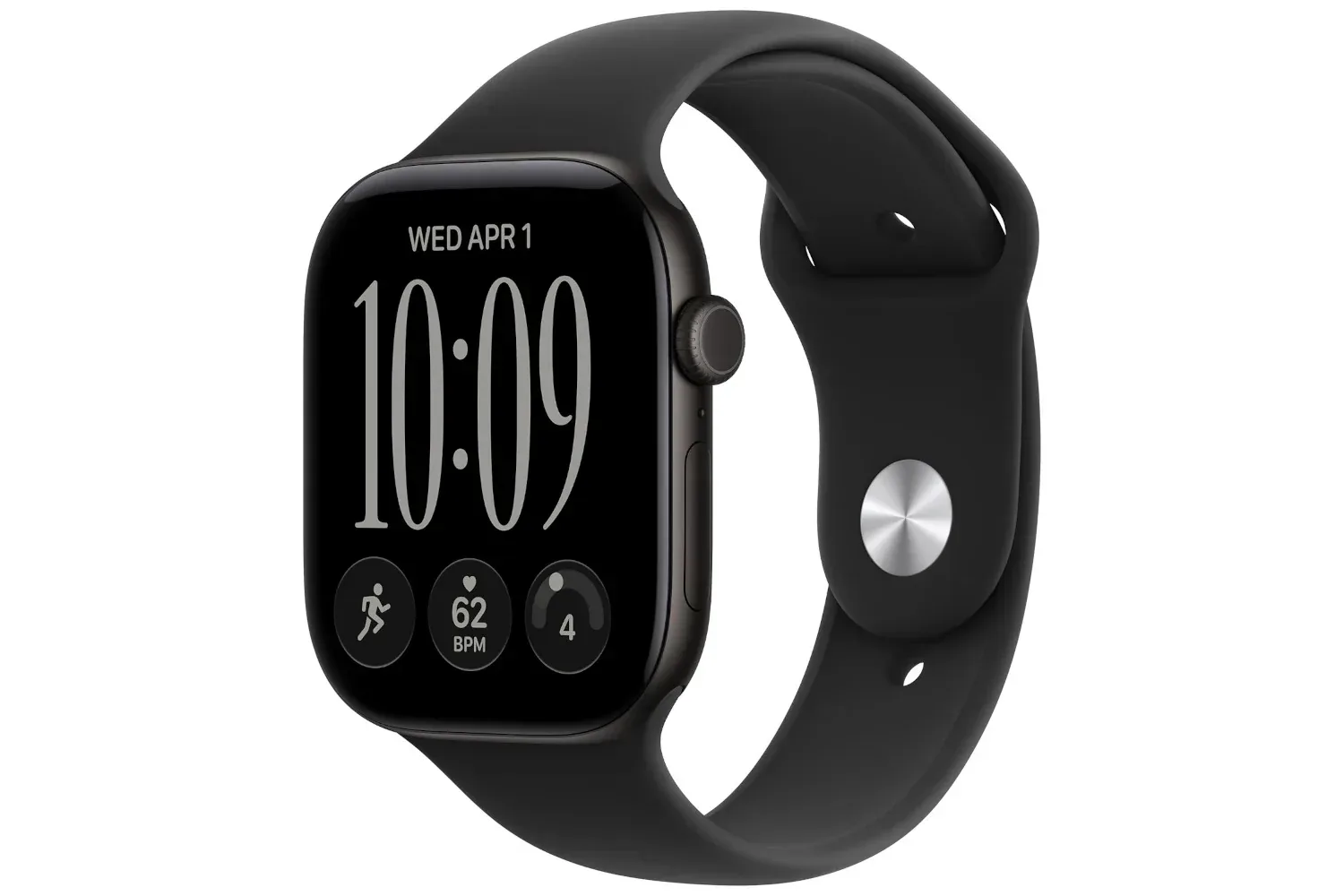
The GPS Apple Watch Series 12 is currently listed at $379, down from a stated regular price of $449. That is a $70 reduction, or roughly 16%, on a smartwatch positioned around iPhone connectivity, at-a-glance information, health-related tracking and GPS-assisted outdoor activity.
For shoppers who already use an iPhone, the important part is not simply the lower sticker price. A smartwatch purchase is usually about whether its everyday functions will meaningfully reduce the number of times someone reaches for their phone. The Series 12 GPS listing emphasizes notifications, the ability to respond to them, weather information and a customizable screen, alongside tools intended for hiking, running and general fitness monitoring.
The price is presented as a limited-time Amazon offer, so it should be treated as a live retail listing rather than a permanent new baseline. Anyone considering it should verify the displayed price, exact configuration and checkout total before buying. Discounts can change, and a headline price does not answer every practical question about a particular shopper’s preferred size, finish or band.
What the $379 price means
A $70 cut is substantial in dollar terms for a $449 device, especially for a product category where discounts are often temporary and configurations can vary. It moves the GPS Apple Watch Series 12 beneath the $400 mark while retaining the features highlighted in the listing.
That does not automatically make it the right purchase for every buyer. The value proposition depends heavily on how a watch fits into someone’s routine. A person who wants a device primarily for timekeeping may not extract much from connected notifications and health features. For an iPhone owner who regularly checks alerts, tracks activity, runs, hikes, or wants a more immediate view of information, the calculation may be different.
It is also worth separating a sale from a declaration of universal value. The available details establish a current $379 price against $449, not how long that price will remain available or whether another configuration is included at the same discount. The sensible approach is to assess the deal against the buyer’s intended use rather than assume that any reduction makes a premium smartwatch essential.
GPS explained: why it matters outdoors
GPS, short for Global Positioning System, is satellite-based positioning technology used to determine location. In a watch, it is especially relevant to activities where distance and route context matter, such as running or hiking. The listed Series 12 is specifically the GPS version, with outdoor use among its stated strengths.
For practical purposes, GPS can make a smartwatch more useful than a simple step counter. A run or hike is not only a duration; it also has a location and a route. Location capability can support outdoor-focused features and offer additional reassurance to people spending time away from home. The supplied product details describe the watch as helping users stay safe in several ways, but do not specify which safety tools are included or how they operate. Buyers should avoid assuming particular emergency or communication functions from that broad description alone.
The GPS designation is also an important configuration detail. Shoppers should ensure the sale page identifies the version they expect, rather than relying on product imagery or a general Series 12 name. That kind of verification is useful with any smartwatch listing, because similarly named versions can have different connectivity arrangements.
Health tracking is data, not a diagnosis
The deal highlights heart-rate tracking, sleep-related insights and blood-oxygen readings. These are among the clearest reasons a connected watch can appeal to people trying to understand daily habits, whether their goal is pushing harder in training or avoiding overdoing it.
Each of those terms warrants a little care:
- Heart-rate tracking refers to monitoring heart beats over time. It can give the wearer a convenient snapshot during activity or at rest.
- Sleep tracking refers to information intended to help the wearer recognize and improve sleep habits. It is most useful when viewed as a pattern-building tool, rather than a single-night verdict.
- Blood-oxygen readings refer to an estimate related to the amount of oxygen carried in the blood. The listing says the watch can take such readings, but does not provide details about their availability, purpose or limitations.
These functions can be valuable as personal wellness information, but they should not be treated as substitutes for professional medical advice, diagnosis or treatment. A wearable can make it easier to notice patterns; it cannot, from the information available here, be characterized as resolving what those patterns medically mean.
The best use case is therefore modest and practical: use the data to inform habits and questions. Someone might notice recurring sleep patterns, compare workout effort over time, or get a clearer picture of daily activity. The device’s usefulness grows when its information prompts sustainable choices rather than anxiety over individual readings.
A screen built for quick checks
The listing also calls out a very bright display. Brightness matters because a smartwatch is designed for short interactions: a glance at an incoming notification, a weather check, a fitness metric or the time. If a display is difficult to read outside, the speed advantage of wearing information on the wrist quickly fades.
Customization is equally relevant. The supplied details say the screen can be adjusted to the wearer’s needs. In plain language, that means a buyer can prioritize the kind of information they use most often instead of treating every wrist glance as an invitation to open their phone. A runner may favor activity details; another person may care more about notifications and weather. The appeal is not merely that the watch can display a lot, but that it can foreground a smaller, more useful selection.
That focus on rapid access is what distinguishes a smartwatch from simply owning a phone. The Series 12 GPS is described as integrating easily with iPhone, allowing the wearer to see, dismiss and answer notifications without pulling out the handset. For people who find frequent phone checking distracting, that may be a meaningful convenience. For others, enabling more notifications on another screen may be the opposite. A buyer should think about whether they want better filtering and triage, or whether they are trying to reduce alerts altogether.
Battery claims need to be matched to routine
The product description characterizes the battery life as strong despite the watch’s features. It does not provide a specific runtime, charging time or test conditions. That means prospective buyers should not infer a precise number of hours or days from the listing alone.
Battery expectations are still a central buying consideration because a watch only tracks sleep, activity and notifications while it is worn and charged. A buyer who wants overnight sleep-related information, for example, should consider when the watch would fit into their charging routine. Someone chiefly using it for daytime notifications may have a different routine and different expectations.
It is also sensible to distinguish between a battery being adequate and it being invisible. Every wearable needs charging. The relevant question is whether that recurring task is manageable for the functions the wearer actually intends to use. The supplied information supports the claim that the device is intended to offer substantial use on a full charge; it does not establish a universal battery result for every activity pattern.
Who should consider the discounted GPS model?
The current price is most straightforwardly relevant to iPhone users who want several of the following in one wrist-worn device: activity-oriented GPS capability, routine health and sleep-related tracking, clear information outdoors, customizable glanceable data and notification handling.
It is less compelling for someone who does not use an iPhone, since the described integration is specifically with Apple’s phone. It may also be unnecessary for a buyer seeking only a basic timepiece. Features become a bargain only when they solve a real need.
For shoppers building or refreshing a desk-and-entertainment setup, it may be worth comparing this personal-device purchase with other active tech discounts, including early holiday deals on gaming monitors, headphones and desk gear. The categories serve very different purposes, but they compete for the same seasonal budget.
What to check before placing an order
- Confirm the live price. The reported offer is $379 from a stated $449 price, but retail pricing can move.
- Confirm it is the GPS version. Configuration is a key part of what is being discounted.
- Check compatibility with your phone. The described notification and response experience is built around iPhone integration.
- Choose based on routine. Decide whether outdoor GPS, health metrics, sleep habits and notification management are functions you will actually use.
- Set realistic expectations for health data and battery. The provided details identify the features, but do not offer medical conclusions or exact endurance figures.
At $379, the Apple Watch Series 12 GPS is a notable reduction from its stated $449 price for buyers who fit that profile. The most useful reason to act is not the urgency of a sale by itself, but the prospect of getting an iPhone-focused GPS and health-tracking smartwatch at a meaningfully lower cost than its listed regular price.
Shop the products
Check current price, model and availability at the retailer.