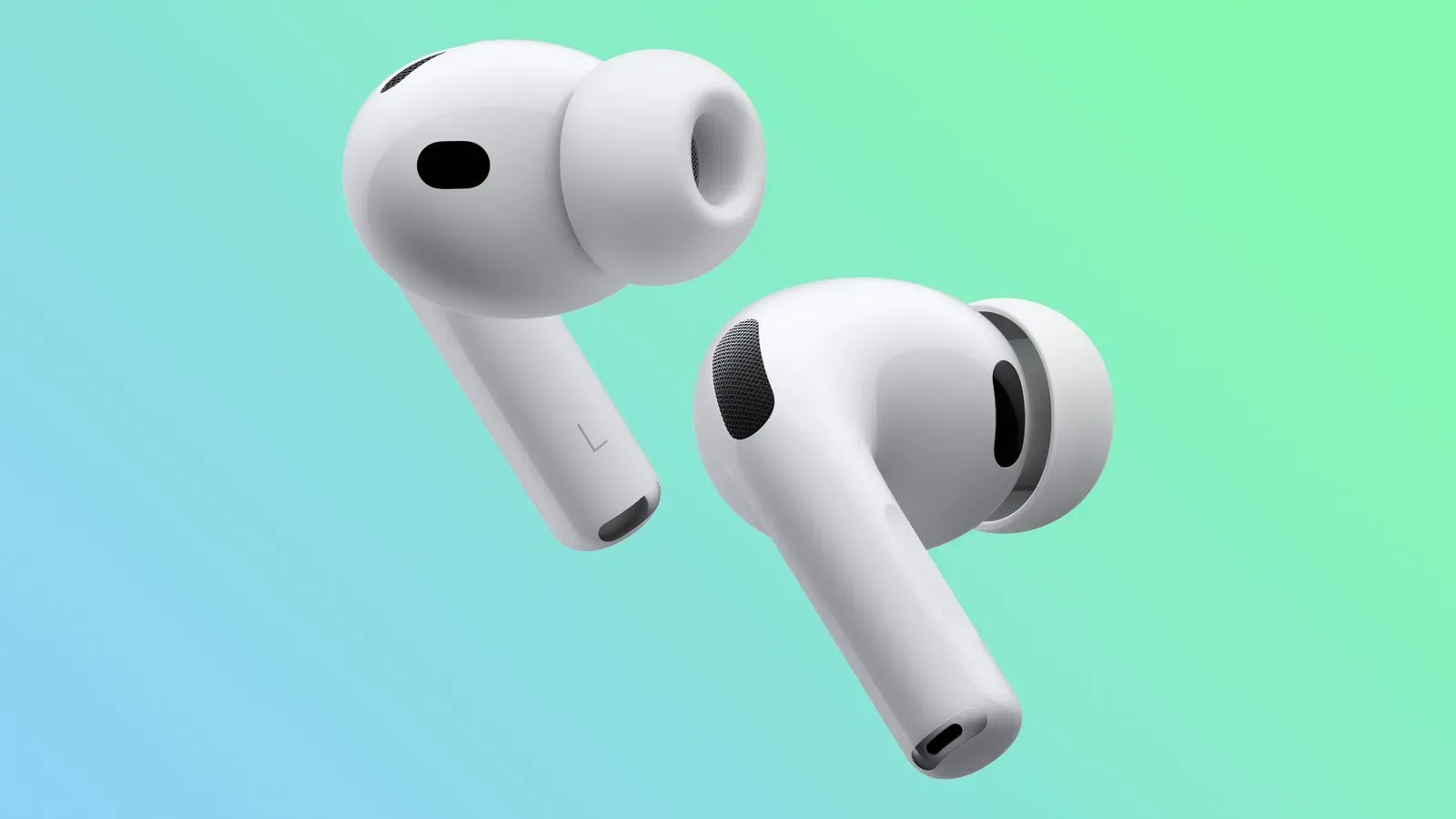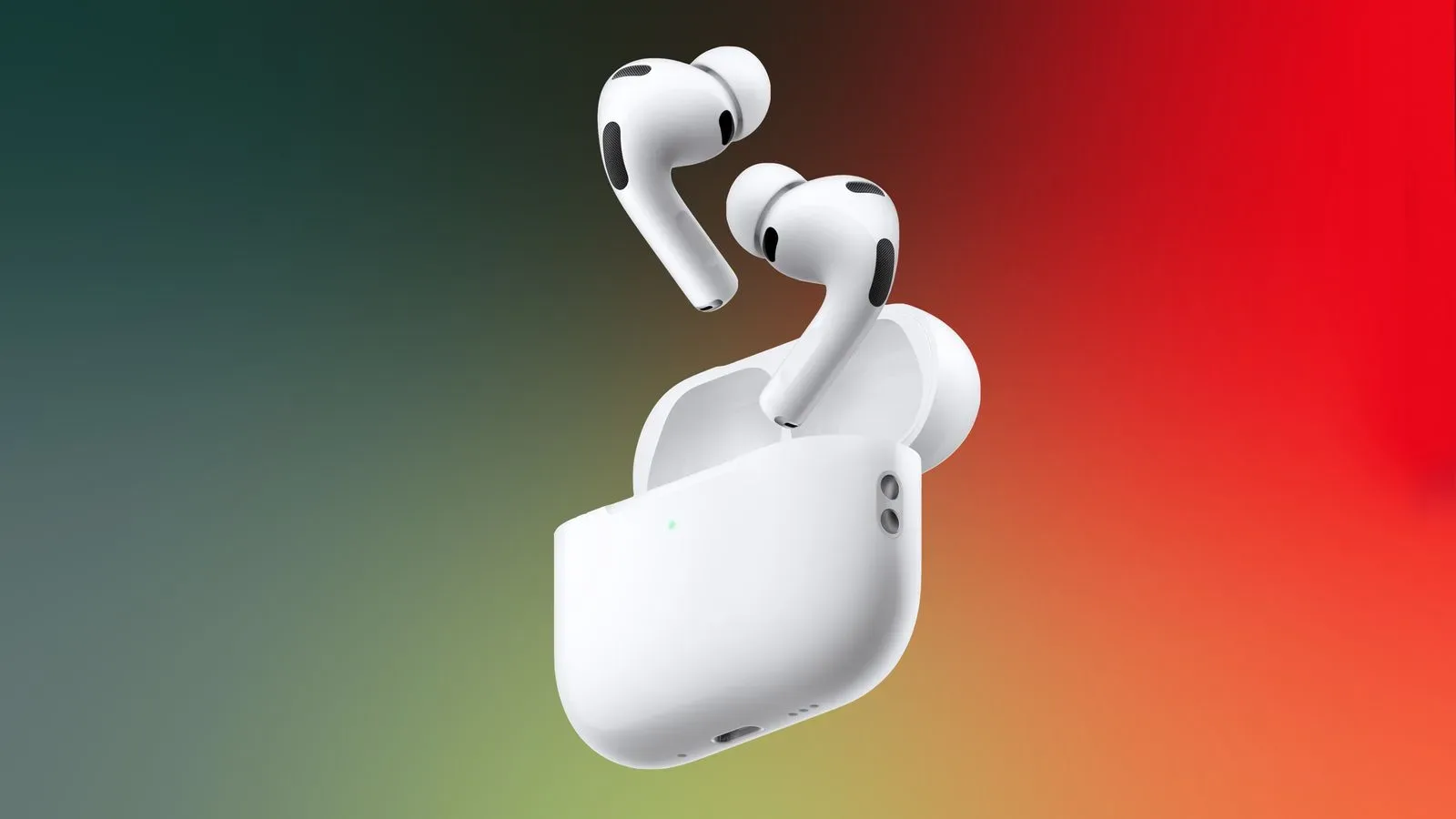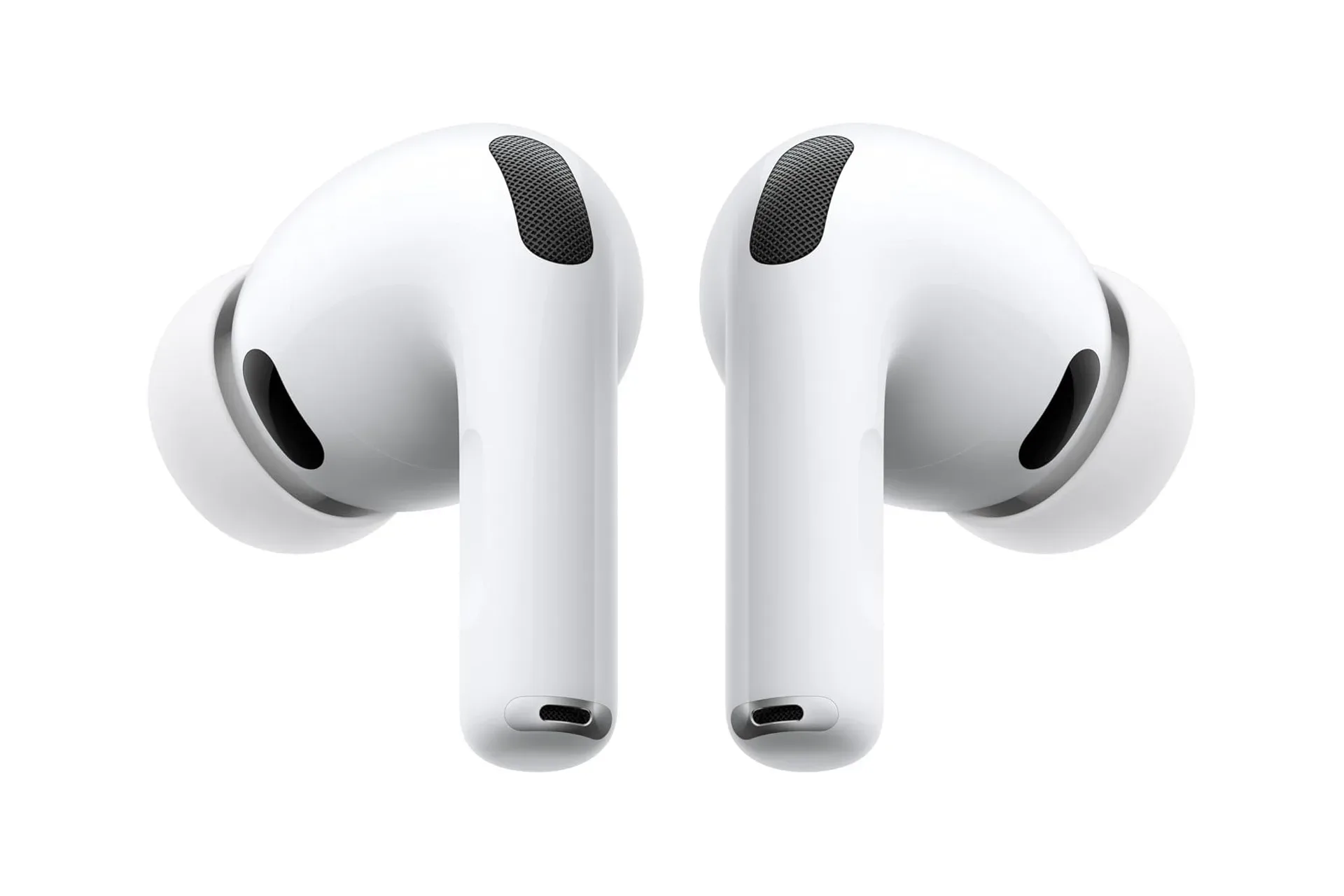
Apple’s AirPods Pro 3 are listed at $199 for a limited time, a $50 reduction from their $249 launch price. That represents a 20% cut for Apple’s third Pro-branded earbud generation, and it arrives outside the usual major discount-event window.
The headline is straightforward: shoppers considering the AirPods Pro 3 should compare the retailer’s $199 listing with Apple’s $249 starting price before purchasing. The lower price does not change the product’s feature set, but it materially changes the value calculation for people who were already looking for Apple earbuds with noise cancellation, workout data features and Find My support.
As with any limited-time retail price, availability and the final listed amount can change. It is worth checking the live product page, confirming the seller and making sure the exact model in the basket is the AirPods Pro 3 before placing an order.
What the $50 reduction means
A $50 saving is sizable against a $249 launch price because it takes the AirPods Pro 3 below the $200 mark. Buyers are still choosing a premium pair of wireless earbuds, but the gap between this model and less expensive alternatives is narrower at $199 than at full price.
That does not automatically make the earbuds the best choice for every listener. The decision still depends on whether their particular upgrades matter. Someone who mostly needs occasional audio playback may prioritize price above all else. For those who commute, work in busier spaces, exercise without a watch, or frequently misplace small accessories, the package described here addresses more specific everyday annoyances.
The practical way to assess the deal is to separate the price cut from the reasons to choose this model in the first place. The AirPods Pro 3’s cited changes center on three areas: reducing unwanted sound, adding health and activity-related data, and making the charging case easier to locate.
Active noise cancellation is the key audio upgrade
Apple says the AirPods Pro 3 can remove up to twice as much unwanted background sound as the AirPods Pro 2. That is a comparative claim rather than a promise that all noise disappears, and real-world results will naturally depend on the surrounding environment and fit. Still, it identifies noise cancellation as one of the major changes between generations.
Active noise cancellation, often shortened to ANC, refers to technology designed to reduce intrusive environmental sound while the listener is wearing the earbuds. In simple terms, its purpose is to make music, podcasts and audiobooks easier to follow in distracting places. It should not be confused with passive isolation, which is the natural sound-blocking effect created by an earbud’s physical seal.
For a player using a handheld, a laptop or a phone in a noisy household, reduced background sound can be useful even when the audio itself is not music. Dialogue-heavy games, spoken instructions and voice chat all benefit when listeners do not need to keep raising volume to compete with the room around them. The source material does not make game-specific latency or microphone-performance claims, so prospective buyers should not read this noise-cancellation improvement as a guarantee about those areas.
The most sensible takeaway is narrower: people who value more isolated listening have a clearer reason to consider the newer model, and the $199 price makes that upgrade less costly than buying at launch price.
Heart-rate monitoring shifts the earbuds beyond audio
The AirPods Pro 3 also add a heart-rate monitor. That gives the earbuds a fitness-oriented role that extends beyond audio playback. The intended benefit is convenience for people who prefer not to wear a watch during a workout, including situations where a wrist-worn device may feel inconvenient, such as weight lifting.
The earbuds can track heart rate and estimate calories burned across up to 50 workouts. The resulting heart-rate and calorie information can be viewed in the Health app on an iPhone.
A heart-rate monitor measures beats per minute, providing a snapshot of how quickly the heart is beating during activity. A calorie figure in this context is an estimate rather than a direct measurement of energy expenditure. Those are useful distinctions: fitness data can help users review activity, but it should be read as consumer wellness information, not as medical advice or a clinical diagnosis.
For buyers already using an iPhone and the Health app, keeping this information in that familiar app is a practical part of the appeal. For buyers without an interest in activity tracking, the sensor may be less important than the noise cancellation or battery figures. It remains an additional capability, not a reason every person needs to upgrade.
Battery estimates: up to 10 hours, or about eight with ANC
Battery life is another area cited as improved. A single full charge is rated for up to 10 hours of music or other audio playback. With active noise cancellation enabled, the estimate is approximately eight hours.
The distinction matters because ANC consumes additional power. Buyers comparing battery claims should always notice which listening mode is attached to a number rather than assuming the maximum estimate applies under every setting. Here, choosing more aggressive background-noise reduction means accepting a shorter per-charge listening figure, even though the cited estimate remains close to a full working day for many use cases.
That can be especially useful for long sessions away from a charger: travel, study, work, extended listening, or gaming on a portable device. Actual runtime can vary with use, but the listed ratings set reasonable expectations for the difference between regular playback and playback with noise cancellation switched on.
A speaker in the charging case serves a practical purpose
The AirPods Pro 3 charging case includes its own built-in speaker for use with Find My. When the earbuds are misplaced, users can ping them through the app, prompting the case to play an audible alert. The idea is simple: follow the sound to locate the case and the earbuds stored inside it.
This is not presented as a speaker intended for listening to music. Its role is location assistance. That is a meaningful distinction because wireless earbuds are compact enough to be left in a bag, behind furniture or under everyday clutter. A case that can audibly respond to a Find My ping provides a more direct recovery method than silently searching likely locations.
Find My is the relevant device-location tool in this feature set. Its value is situational, but it targets a common practical problem: losing the case rather than merely misplacing one earbud. Anyone who regularly carries earbuds between a desk, gym bag and travel bag may find the audible alert more useful than it sounds on a specifications list.
Who should consider the $199 listing?
- Existing Apple users seeking stronger noise reduction: Apple’s claim of up to twice the unwanted-background-sound removal compared with AirPods Pro 2 is the central upgrade for listeners in distracting settings.
- Fitness-minded listeners who dislike wrist wearables: The new heart-rate monitor, calorie estimates and Health app viewing offer an earbud-based route to activity data across up to 50 workouts.
- People who need longer listening between charges: The quoted figures are up to 10 hours per charge, or approximately eight hours with ANC in use.
- Anyone prone to losing the case: The built-in case speaker and Find My ping function are specifically designed to make a misplaced set easier to hear and find.
Conversely, shoppers should be cautious about treating a discount alone as an upgrade mandate. Owners satisfied with their current earbuds and uninterested in these particular features may not gain enough from the new model to justify buying. The better question is whether the combination of ANC, fitness tracking, battery estimates and location assistance solves a real need.
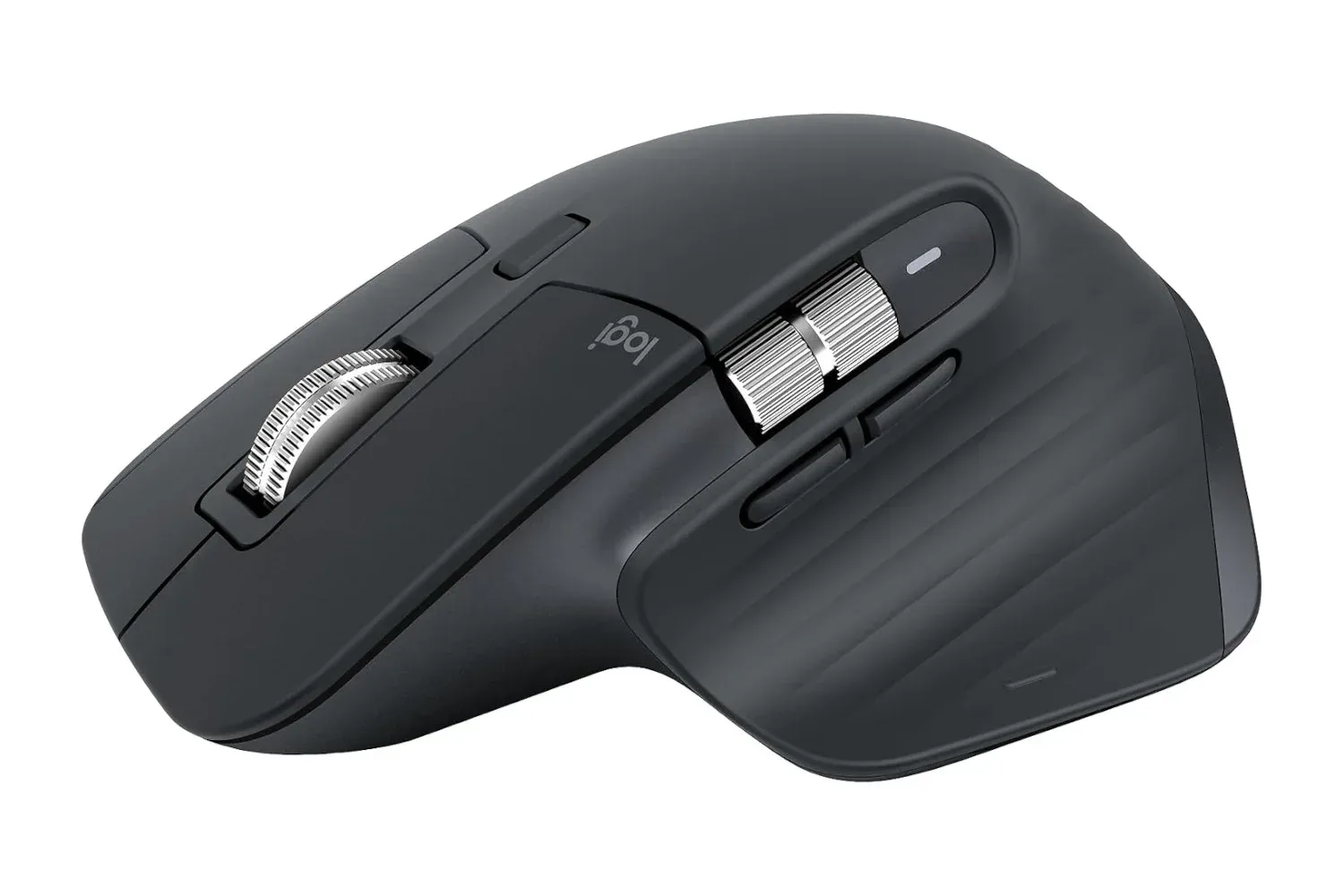
For readers comparing accessory discounts more broadly, Logitech’s MX Master 3S is also listed at a reduced price, though it serves a completely different role as a computer mouse rather than an audio device.
Bottom line on the deal
The AirPods Pro 3 listing at $199 cuts $50 from the $249 launch price without requiring buyers to wait for a major sale period. The value is strongest for listeners who will use the model’s core additions: Apple’s claimed step up in active noise cancellation, the heart-rate monitor and workout-related estimates, the up-to-10-hour playback rating, and the Find My-enabled speaker in the charging case.
Because the reduced price is described as limited time, prospective buyers should verify it at checkout. At $199, though, the discount turns a feature-led upgrade into a more compelling purchase for the right iPhone-focused user.
Shop the products
Check current price, model and availability at the retailer.