Smart glasses are having a moment, even if most of them are not trying to put a tiny science-fiction HUD in front of anyone’s eyes. Worldwide shipments of AI glasses rose 263% year over year in the first half of 2026, while products without displays accounted for 96% of the market. That distinction matters for Apple: its first rumored smart glasses are expected to take the display-free route, concentrating on cameras, audio, Siri and a connection to the iPhone and the wider Apple ecosystem.
That is a notably grounded starting point for a category that is often discussed as though every pair of glasses should immediately become a full augmented-reality computer. The current shipment figures instead suggest that the market is expanding around devices that look more like connected eyewear than face-mounted screens.
A reported late-2027 target means Apple would not be first to that segment. Meta is the extremely large incumbent in the available figures, representing approximately 94% of AI-glasses shipments. Still, the growth of the overall category—and especially of the screenless portion—offers a clear reason why Apple might see an opening rather than a niche too small to bother with.
The important split: AI glasses versus display-equipped glasses
“AI glasses” is a broad label. In this case, it includes eyewear that can combine cameras, microphones, speakers, phone features and AI assistance. It does not necessarily mean the wearer sees text, directions, games or virtual objects in a lens.
Display-less AI glasses have no augmented-reality display. Their functionality can include taking photos, playing audio, making calls and accessing AI features. Ray-Ban Meta glasses are an example of this approach. A wearer can interact through audio and cameras without having a screen in their line of sight.
Display-equipped AI glasses, by contrast, incorporate a display and can therefore pursue augmented reality. Augmented reality, or AR, is the idea of placing digital information or imagery into a user’s view of the physical world. That is the more technically ambitious version of smart glasses, but it remains the much smaller commercial segment in these figures.
During the first half of 2026, display-equipped products made up just 4% of total AI-glasses shipments. Their shipments did rise 449% year over year, a much faster rate than the display-free segment, but that percentage begins from a far smaller base. Rapid growth and mass adoption are not the same thing. For now, the market is principally buying glasses without displays.
Why the current market may fit Apple’s reported first move
The reported Apple device is rumored to omit an AR display. Rather than treating that as an obvious compromise, the latest market split makes it look like a choice aligned with what is actually shipping today. The proposed focus—audio, cameras, Siri and iPhone connectivity—maps to the capabilities associated with the dominant display-free format.
There is a practical logic to this division. Audio can deliver responses without requiring a wearer to look at a display. Cameras can capture photos and give AI features environmental input. Connectivity with a phone can make the glasses part of an existing device setup rather than asking them to carry every task alone. Siri is the named assistant in the reported Apple approach, while the broader category is moving toward context-aware help.
Context-aware, or proactive, assistance refers to AI using information about a user’s surroundings to offer help that fits the moment. The key point is not simply that a person asks a question and gets an answer. It is that cameras and other inputs could allow a device to understand relevant context before or during that request. That is the direction anticipated for the category as Apple, Meta, Google and Samsung invest in it.
Whether that future feels useful will depend on trust as much as technical competence. A device that is aware of its surroundings can potentially be more convenient, but it also raises obvious questions about what it observes, when it does so and how people nearby are informed. The reported possibility that Apple could introduce the glasses at WWDC 2027 with a privacy emphasis is therefore more than a marketing footnote. It addresses one of the category’s central hurdles.
Meta’s scale is the immediate competitive fact
Apple would be entering a market where Meta has already built a formidable lead. Meta accounted for roughly 94% of total AI-glasses shipments in the period covered. Its own volume rose 260% year over year and 22% compared with the preceding six months.
The growth has been supported by more frame styles, broader retail distribution and glasses starting at $299. Those factors matter because smart glasses have to work as glasses before their cameras, microphones and AI functions can become part of someone’s routine. More styles can make the product relevant to more people; retail availability can make it easier to try or buy; and a starting price provides a concrete entry point for the category.
For Apple, Meta’s position means there is no blank slate. The audience already has a major existing product family to compare against, and any Apple offering would need a clear reason to join the conversation. The reported reliance on Siri and iPhone connectivity points to one possible answer: a device designed to fit within an Apple user’s established set of products and services. But the exact user experience, hardware design, features and price remain unconfirmed.
Apple’s position is also different from simply chasing the display-equipped end of the market. The company’s more advanced AR glasses are not expected until 2029 at the earliest. If those timing expectations are correct, a screenless model could serve as an earlier entry into wearable AI without waiting for the more difficult display-led vision.
Growth does not erase the hard problems
The numbers are striking. Display-free AI glasses shipments were up 258% from the first half of 2025 and 22% from the previous six months. Total AI-glasses shipments rose 263% year over year. But a growing category can still face constraints that determine whether its momentum lasts.
One concern is rising semiconductor costs. Semiconductors are the chips that enable the computing, connectivity and AI-related processing used in consumer electronics. Higher component costs can put pressure on product margins, retail pricing or both. That is especially relevant to glasses, where the desired package is both technologically capable and light enough to wear.
The other major obstacle is public discomfort with wearable cameras. Unlike a phone held visibly in someone’s hand, cameras embedded in eyewear can be less immediately obvious to bystanders. That creates a social problem as well as a privacy problem. The question is not only what data the wearer can capture, but whether people around them feel they can understand when a camera is present and active.
No provided detail establishes how any company will solve those issues, and it would be premature to assume that a privacy-led introduction automatically settles them. Still, the tension helps explain why a display-free device is not necessarily the easy option. It sidesteps the engineering and interface challenge of a lens display, yet it puts cameras, microphones, AI and social expectations at the center of the product.
What a late-2027 Apple entry would mean
The reported timeline is late 2027, with a possible WWDC 2027 unveiling. That remains a report, not a confirmed product plan, so the schedule and specifications may change. It nevertheless frames the competitive picture: Apple may arrive after the display-free category has had more time to develop, while its own AR-focused glasses remain further away.
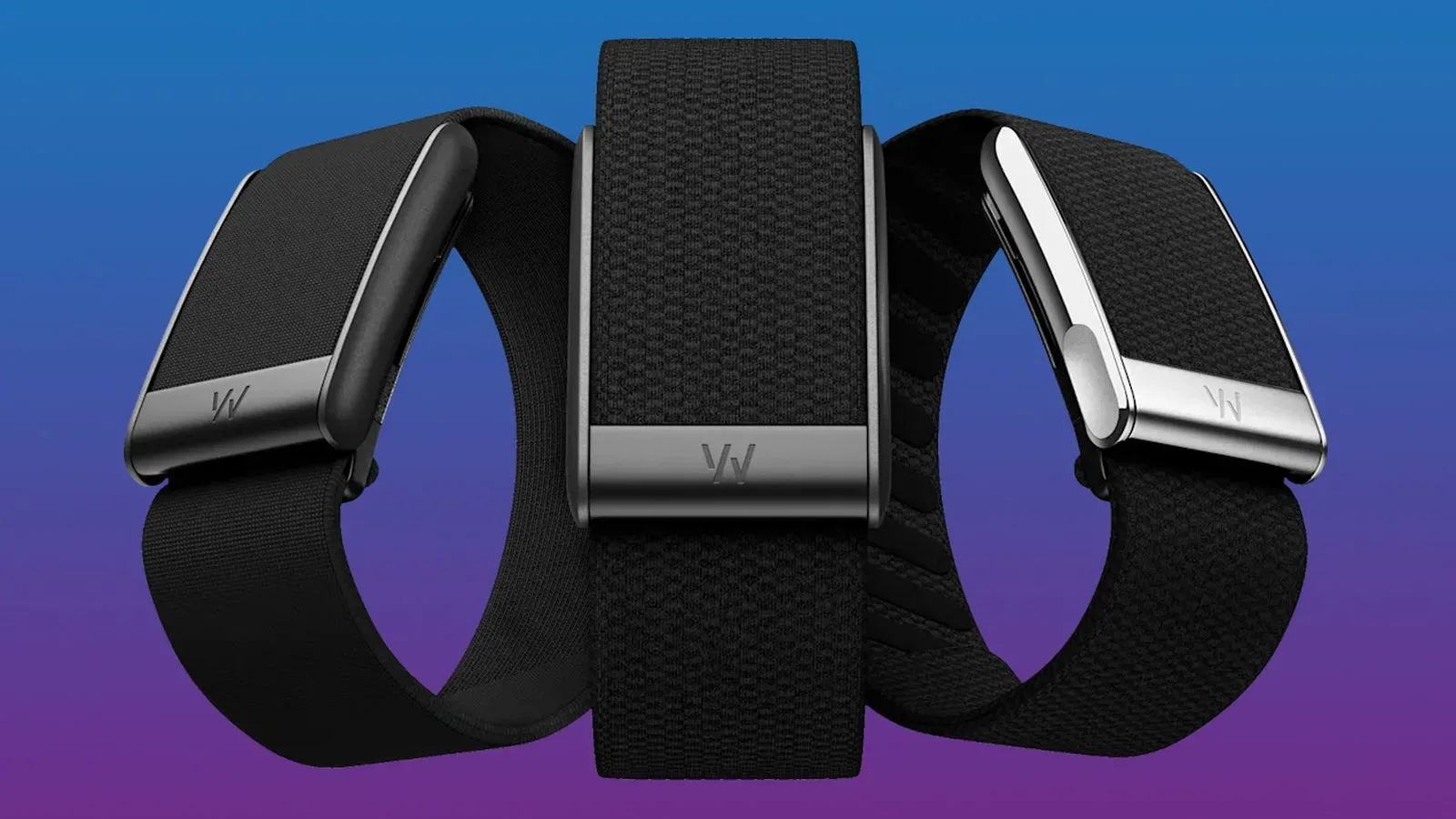
There is an adjacent theme in Apple’s reported hardware direction. The company is also said to be exploring a screenless fitness band, though that prospective launch is far from certain. That rumored screenless fitness-band work underscores how a device does not require a display to be useful, provided its role, controls and connection to other hardware are clear.
For smart glasses, the question is more personal: can useful audio, photography, communication and assistance justify placing connected cameras and microphones on a person’s face? The shipment data says a rapidly increasing number of products are reaching the market, and it says the no-screen form factor is overwhelmingly dominant so far. It does not yet prove that every buyer will make smart glasses a daily device.
Apple’s rumored product would therefore enter at an interesting point. The category has clear commercial momentum, Meta holds a huge shipment share, display-free glasses have become the main format, and the more futuristic AR vision is still a small part of the market. The winner may not be the company that adds the most conspicuous screen. It may be the one that makes smart glasses socially acceptable, technically dependable and genuinely helpful without turning a normal conversation into a suspicious side quest.