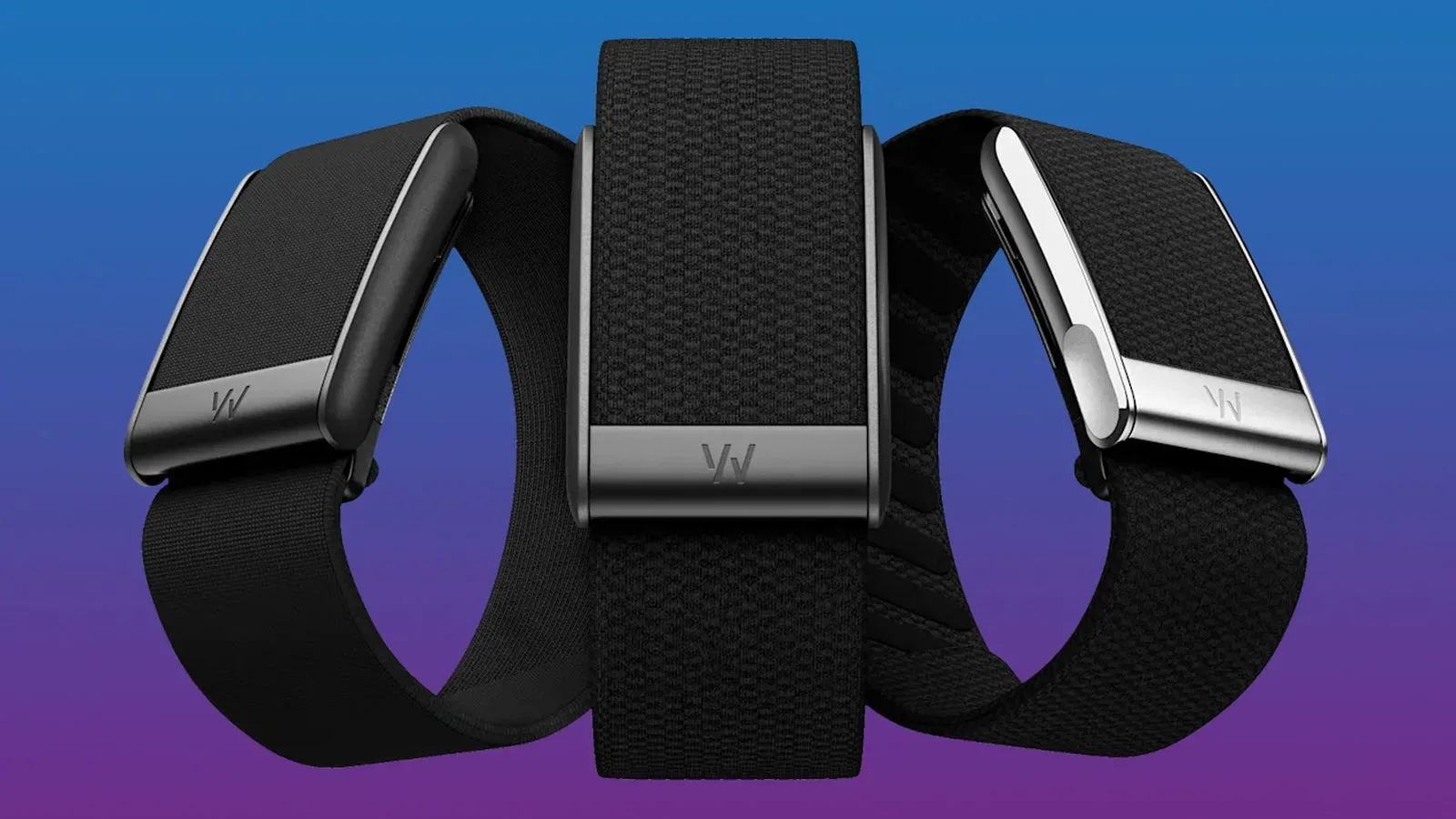
Apple is reportedly exploring a fitness tracker that deliberately leaves out one of the usual wearable features: the screen. The device is said to be in prototype form rather than on a confirmed product roadmap, and it would take the form of a wrist-worn band aimed at continuous health and activity monitoring.
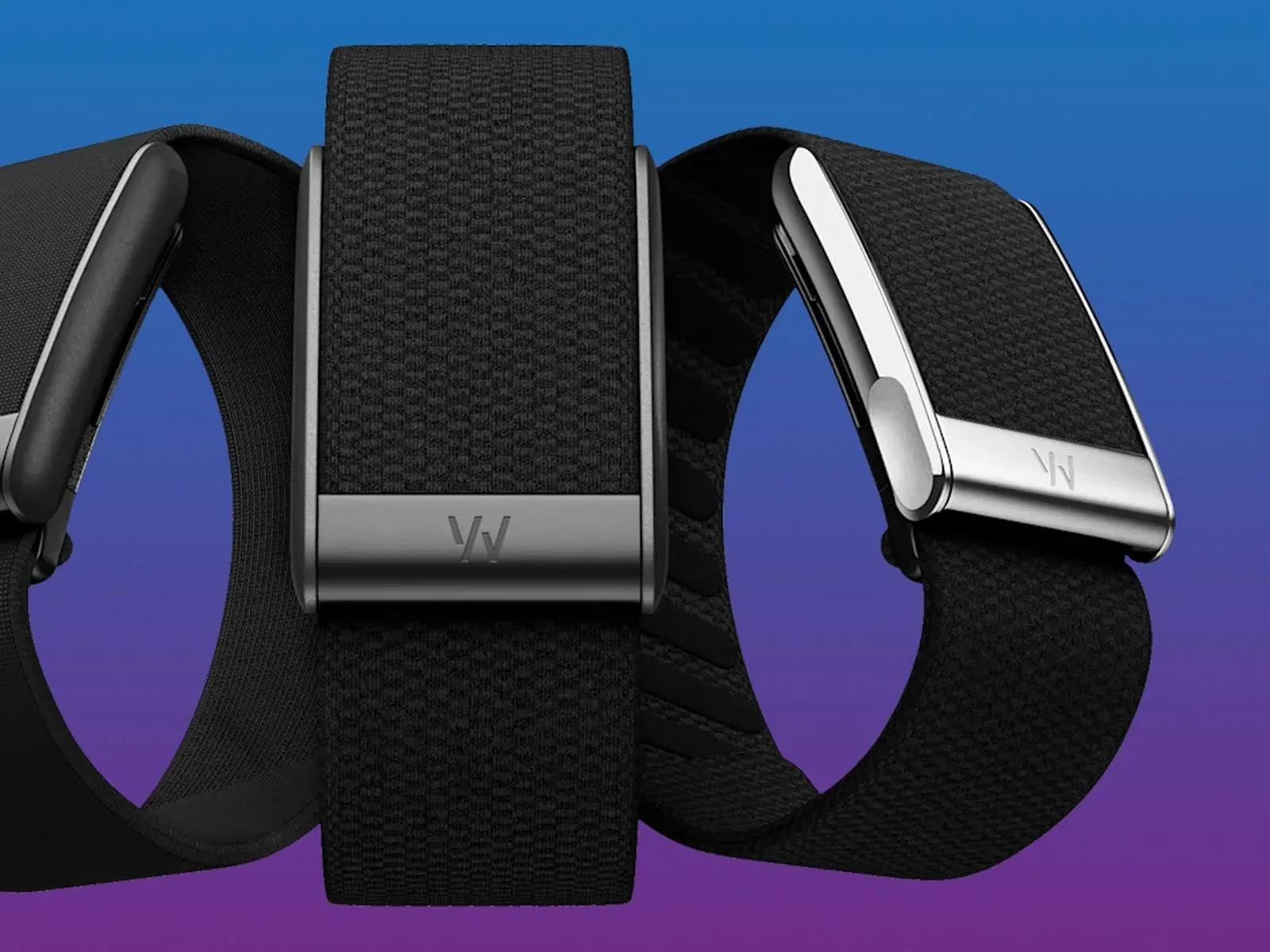
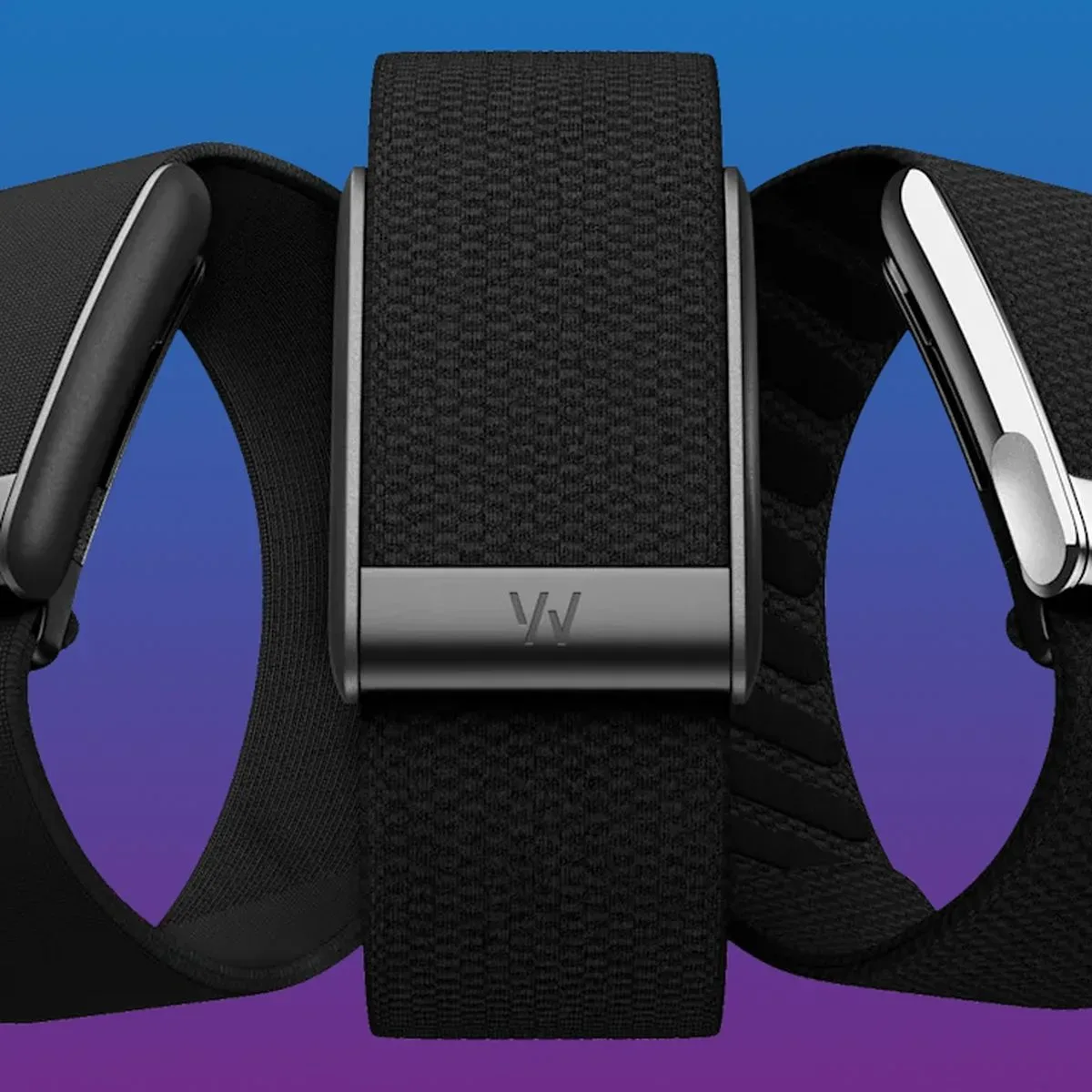
The idea places Apple in the same broad product category as display-free trackers from Whoop and Oura. That is an important distinction from simply making a smaller Apple Watch. A screenless wearable would shift the immediate interaction away from the wrist and toward a companion app, where the device’s readings, trends and recommendations could be reviewed after they are collected.
For now, the most important word is exploring. Apple has reportedly spent months looking at the category and has built prototypes, but has not decided whether the project will become a shipping product. Even if it proceeds, the reported timing suggests it would not arrive before 2028. That makes this an early look at a possible direction, not a reason to treat a release as imminent.
What the reported prototype is said to look like
The prototypes reportedly pair a fabric band with a computing module that sits against the wrist. The module would contain sensors for heart-rate tracking and other health-related measurements, broadly comparable to the sensing role of Apple Watch hardware.
That physical arrangement matters because it explains how a device can be useful without a face full of complications, notifications and controls. The wrist unit can focus on gathering data throughout the day and night, while the interpretation happens elsewhere. In practical terms, the band could prioritize passive measurement over the frequent glances, taps and alerts associated with a smartwatch.
“Screenless” should not be confused with “featureless.” In this context, it means the product would not present information directly on a display attached to the wrist. Its value would depend on the combination of sensor data, software analysis and the way results are communicated through Apple’s wider health software.
Why a simpler interface could be the point
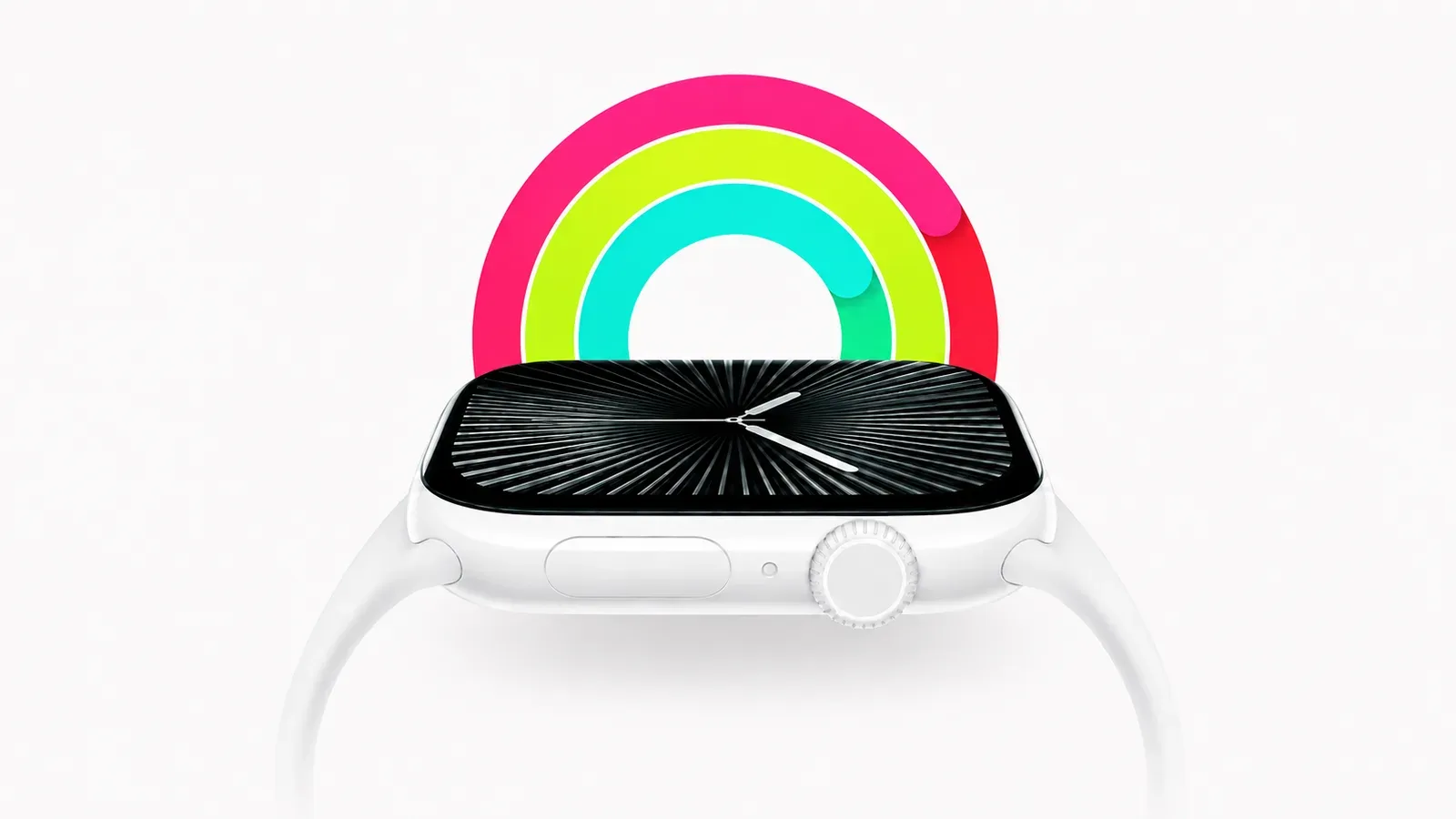
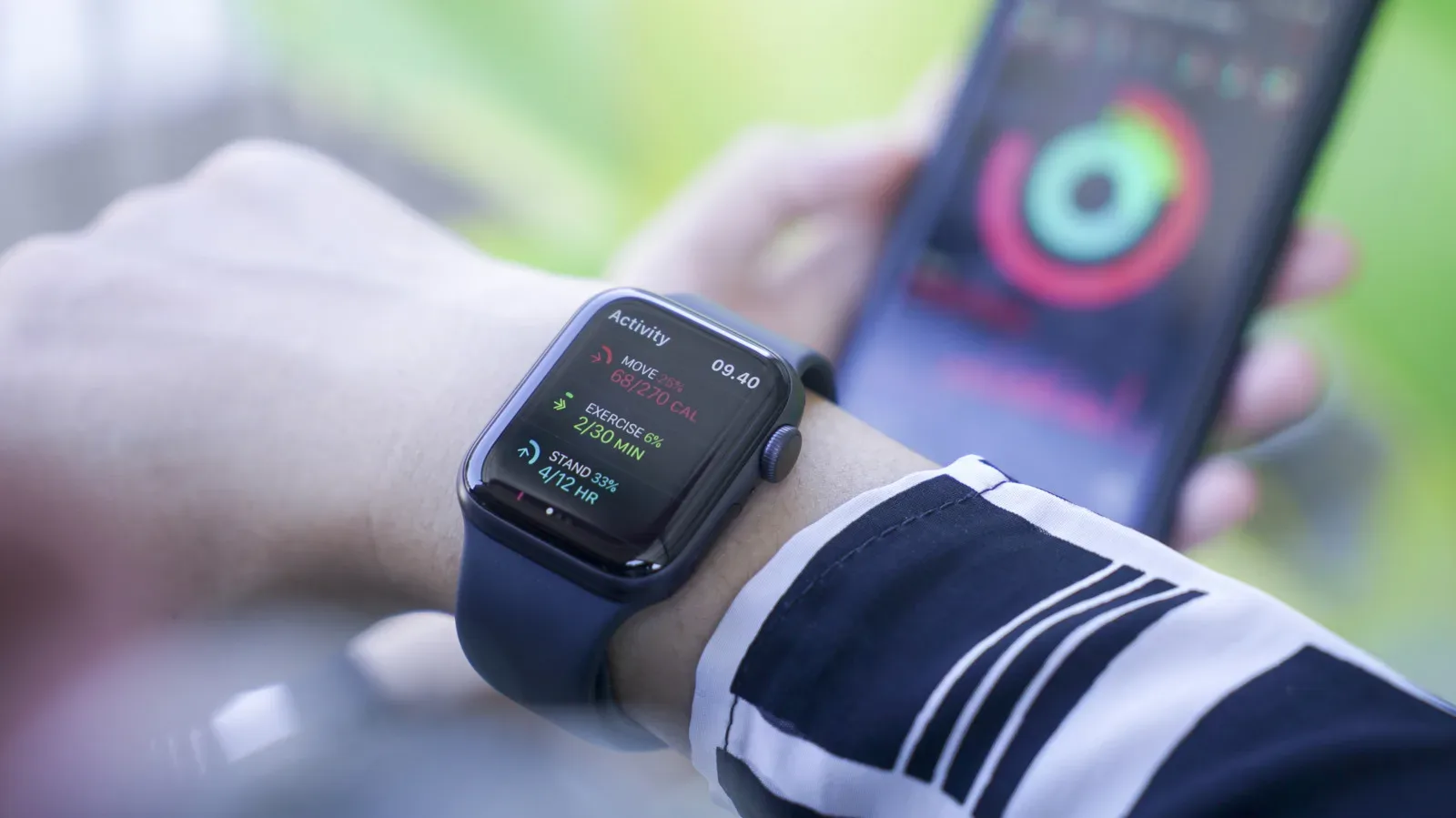
A display-free band comes with clear trade-offs. It would not be the right tool for someone who wants to check the time, read a message, control an app or inspect an exercise stat while moving. Apple Watch is built around that kind of at-a-glance access. Removing the display removes an entire layer of direct convenience.
But it could also make the product’s purpose more focused. A health tracker that does not interrupt its wearer with a screen can be positioned as a background companion: something worn to collect a continuous record, rather than another device asking for attention. The report says Apple chair Tim Cook and services chief Eddy Cue are interested in the concept, with Cue now leading Apple’s health teams and reportedly advocating for wearables with simpler interfaces.
That does not establish final product strategy, but it does make the prototype more notable than a speculative design exercise. It suggests the company is considering whether some customers want a health wearable that does less visibly while still tracking a lot in the background.
The software may matter as much as the band
For a device without a display, the companion experience is central. The latest Apple Watch models already include concepts associated with Whoop and Oura-style products, including an overall readiness score and an estimate of biological age. Those features point toward a health experience that is less about displaying a single raw measurement and more about translating multiple inputs into a broad status or trend.
A readiness score is a summarized indicator intended to help a person understand their current condition in relation to activity and recovery. The supplied information does not detail the precise inputs or calculations used by Apple’s implementation, so it would be wrong to assume exactly how a future band would evaluate its wearer. The bigger takeaway is that Apple has already been incorporating more interpretive health features into its existing wearable ecosystem.
Biological age, likewise, is an estimate rather than a literal replacement for someone’s chronological age. It is designed to express health-related data as an easy-to-understand comparison point. Such summaries can make a complex set of readings less intimidating, but they also put more importance on clear explanation: users need to understand what an estimate means, what it does not mean, and what factors may affect it.
That makes the reported testing of a more approachable Health app in iOS 27.2 particularly relevant. The new interface is described as offering clearer guidance than before. If Apple ever makes a screen-free tracker, a better-organized Health app would not merely be a supporting extra; it could become the place where the product’s purpose is made legible.
Continuous monitoring without a wrist display
Whoop’s bands are identified with 24/7 tracking and no display, and Apple’s reported concept appears to share that general philosophy. Continuous monitoring means data can be gathered across ordinary periods of rest, movement and daily routine rather than only during a workout started manually on a watch.
The practical appeal is straightforward. A person who already wears an Apple Watch may appreciate its instant feedback and apps. Another person may prefer a less conspicuous band that records data but does not create the temptation to check notifications. Those are different habits, not necessarily competing needs.
Apple could also be weighing whether a screenless tracker would complement its existing watch rather than replace it. The reporting does not say how Apple would position the device, whether it would work independently, or how it might fit alongside Apple Watch. Those unanswered questions are substantial. A prototype’s materials and sensor placement do not reveal battery life, charging, app requirements, subscriptions, compatibility, pricing or the eventual set of measurements. None of those details have been reported here, and they should not be filled in with assumptions.
What remains unknown—and why it matters
There is no confirmed product, release plan or finalized design. The reported fabric strap and wrist-mounted module describe prototypes, which can change significantly or disappear entirely. The company reportedly has not yet made the fundamental decision to advance the project.
That uncertainty is especially relevant in health hardware, where the device alone is only part of the equation. Comfort, data consistency, the clarity of the app experience and the usefulness of advice all affect whether people will wear a tracker every day. The question is not simply whether Apple can put sensors in a band; it is whether the company sees enough benefit in a less interactive wearable to bring one to market.
There is also a broader sequencing question. Apple is expected to introduce wearable AI smart glasses and camera-equipped AirPods before any potential screenless fitness band. If that order holds, the company’s near-term wearable attention may be spread across products with very different purposes: visual assistance through glasses, camera-enabled audio hardware, and the possibility of a quieter, health-first wrist device further down the road.
For readers who follow consumer technology through the same lens as gaming hardware, the split is familiar: some devices maximize immediate feedback, while others try to disappear into a routine. Gaming’s calendar still revolves around highly visible moments—such as the Golden Joystick Awards 2026—but a display-free health band would be designed around the opposite instinct. Its success would rely on doing its job quietly enough that the wearer barely thinks about the hardware.
A potential expansion, not an Apple Watch verdict
It would be premature to frame the reported device as evidence that Apple intends to abandon the Apple Watch model. The current watch remains the comparison point for the prototype’s sensing capabilities, and the report only indicates that the band could track heart rate and other metrics in a similar general area.
Instead, the more defensible reading is that Apple may be testing a second approach to wrist-based health technology. One approach puts information and interaction directly on the wrist. The other records health and fitness data with a simpler physical interface, then makes the phone app responsible for turning those measurements into understandable guidance.
Whether that second approach becomes real will depend on a decision Apple has not made publicly. Until then, the reported band is best understood as a prototype exploring a growing wearables category—not a promised product, and not a specification sheet waiting for a launch date.