Apple may be about to give Apple Watch wearers a new way to interpret the stream of health data already landing on their wrists. A reported new app called Readiness is expected to appear during Apple’s “Surprise and Shine” event on Wednesday, alongside the anticipated Apple Watch Series 12 and Apple Watch Ultra 4.
The reported feature sounds less like a new sensor in isolation and more like a new layer of meaning over existing measurements. Rather than asking people to mentally compare last night’s sleep with their heart-rate trends and then decide whether today is a “go for it” or “maybe just stretch” kind of day, Readiness would reportedly aim to express how recovered a wearer is for activity.
That may sound familiar to anyone who has watched the fitness-tech space turn bodily statistics into a daily dashboard. The important wrinkle is that Apple already has a foundation in watchOS: the Vitals app, introduced with watchOS 11. The reported Readiness app is described as a variation on that existing tool, potentially shifting the focus from presenting measurements to helping users interpret what those measurements could mean in practical terms.
From a pile of signals to one daily status
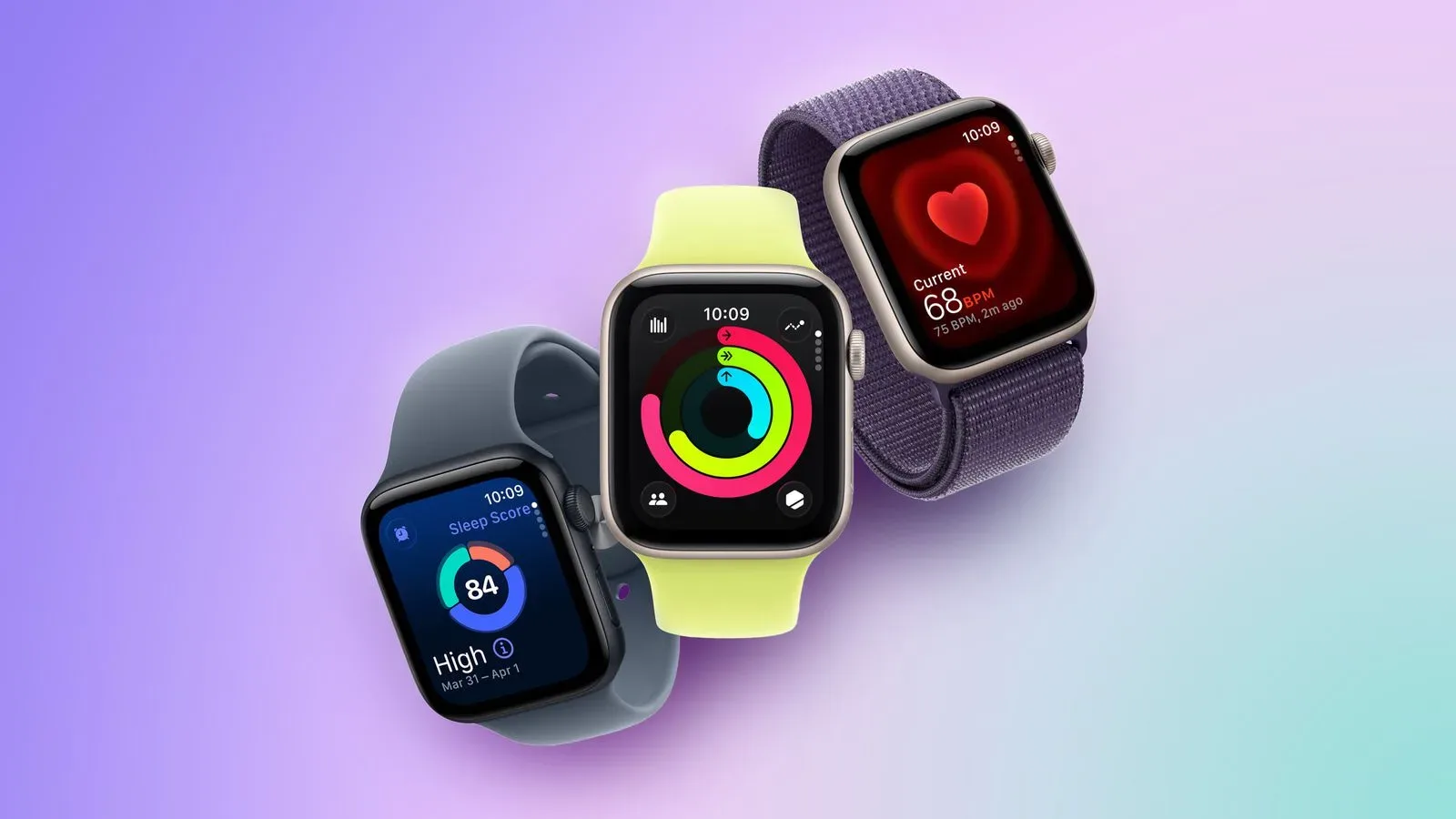
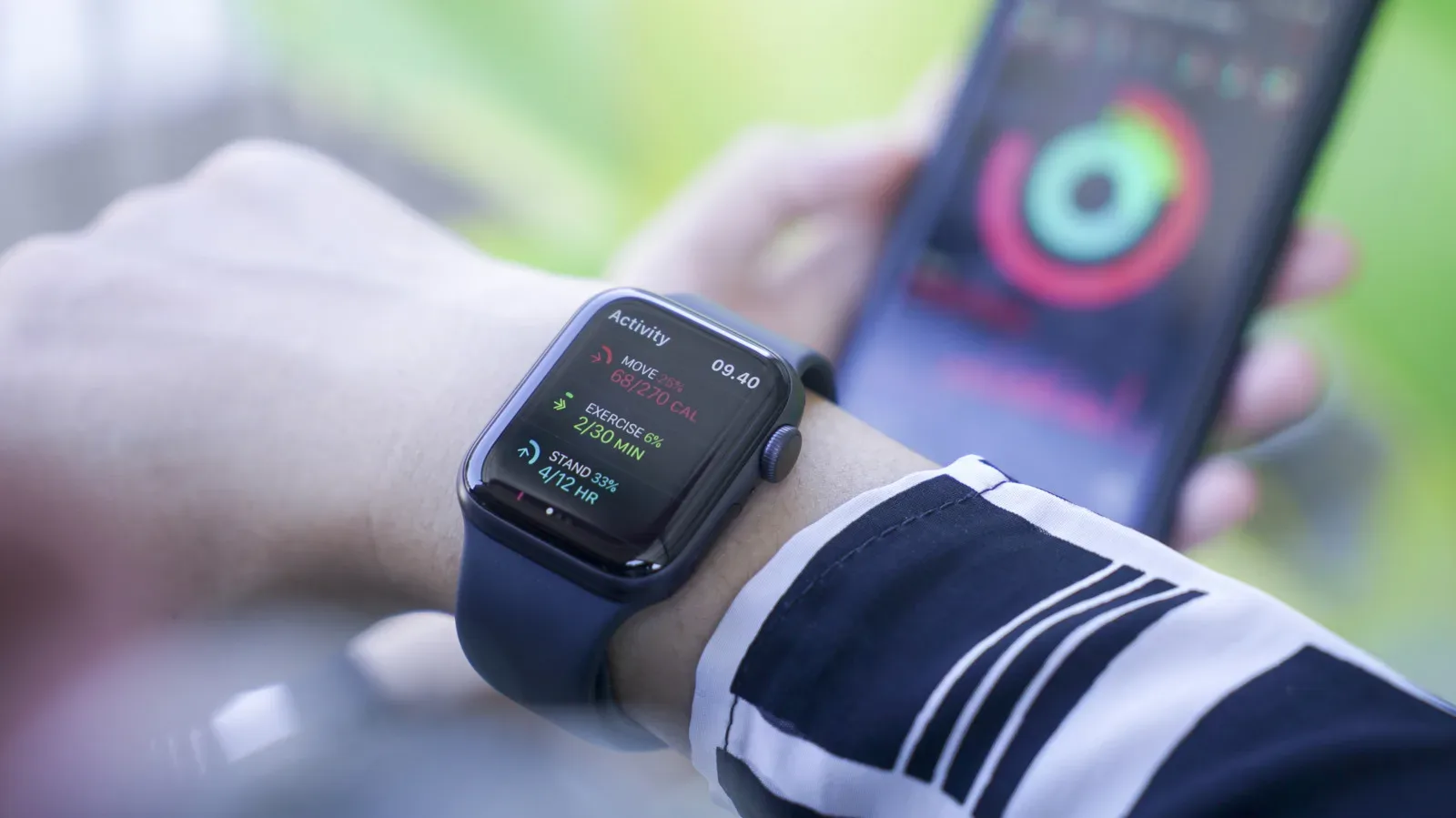
Vitals on Apple Watch brings together several key health metrics. These include average heart rate, respiratory rate, blood oxygen, wrist temperature, and sleep duration from the previous night. Each number can be useful on its own, but a collection of numbers does not automatically provide a simple answer to a common question: how ready is the body for the day ahead?
Readiness appears intended to sit in that gap. The reported idea is that it would draw on many of the same categories tracked by Vitals and use them to indicate recovery for activity. Apple has not formally detailed the app’s interface, scoring method, supported devices, or the exact data points it would weigh, so those specifics remain unknown until and unless the feature is announced.
That uncertainty matters. A readiness feature can mean many things depending on its design. It might offer a straightforward daily signal, a numerical assessment, an explanation of which overnight trends affected a result, or some combination of those approaches. It is also not yet known whether the feature would be limited to forthcoming watches, arrive through a software update for older Apple Watch models, or have different behavior across models.
For now, the clearest reported direction is simple: Apple is expected to make its overnight and baseline health information easier to turn into an activity-recovery readout. In gamer terms, it is the difference between opening the settings menu and being told which sliders changed, versus getting a clear status effect before starting the next session.
A direct response to the readiness-score crowd
The reported Readiness app is also positioned as a competitive move against software offered by Whoop and Oura. Those products have helped establish readiness as a recognizable consumer wellness category: an at-a-glance indicator intended to summarize whether a user may be more or less prepared for exertion.
Oura’s smart rings, for example, provide a daily Readiness Score on a 0-to-100 scale. That example establishes the category Apple is reportedly entering, but it does not confirm that Apple’s own app will use a matching 0-to-100 system. The name “Readiness” suggests a similar goal, not necessarily an identical score or presentation.
The distinction is worth making because an Apple Watch has a different starting point from a ring or a purpose-built fitness wearable. The Watch already serves as a notifications screen, communications device, workout companion, and health-data hub. A Readiness feature could make the device’s existing metrics more immediately useful to people who do not want to spend time decoding individual overnight changes. But the official feature set, including how Apple describes any wellness limitations, has not yet been disclosed.
For people whose exercise habits are structured around planned workouts, a recovery-oriented signal could be especially easy to understand. A hard training day, short sleep, or an unusual collection of overnight readings may influence whether someone pushes forward, chooses a lighter activity, or simply pays closer attention to how they feel. That is the appeal of the category: not replacing judgment, but organizing the signals that often get lost in a menu of charts.
Vitals is the likely foundation
Since Readiness is reportedly a variant of Vitals, watchOS 11’s existing app is the most useful lens for understanding what Apple may be building. Vitals consolidates health measurements that can otherwise feel scattered across different screens and contexts. Average heart rate and respiratory rate can point toward changes from a wearer’s usual pattern. Wrist temperature and blood oxygen contribute additional physiological context, while sleep duration provides an obvious piece of the recovery puzzle.
Put together, those measurements are well suited to a feature trying to evaluate readiness after a night of rest. Still, the exact relationship between Vitals and Readiness is not confirmed. It is not known whether Readiness would merely summarize the Vitals data, introduce an additional calculation, or provide a more guided explanation of deviations from a wearer’s trends.
Apple Watch users may already recognize why the framing matters. Raw data is valuable, but it can be intimidating or easy to overinterpret. A recovery-oriented presentation could make the information more approachable for casual users while preserving Vitals as the place to inspect the underlying metrics. Whether Apple strikes that balance, and what degree of detail it exposes, will be one of the more interesting details to watch for at the event.
There is also a broader product-design question. Fitness platforms often succeed when they make a routine feel sustainable rather than demanding users become amateur analysts every morning. An app called Readiness could be Apple’s attempt to make health tracking feel less like spreadsheet maintenance and more like a glanceable check-in before a commute, gym visit, walk, or long day at a desk.
New Apple Watches reportedly bring continuous heart-rate sensing
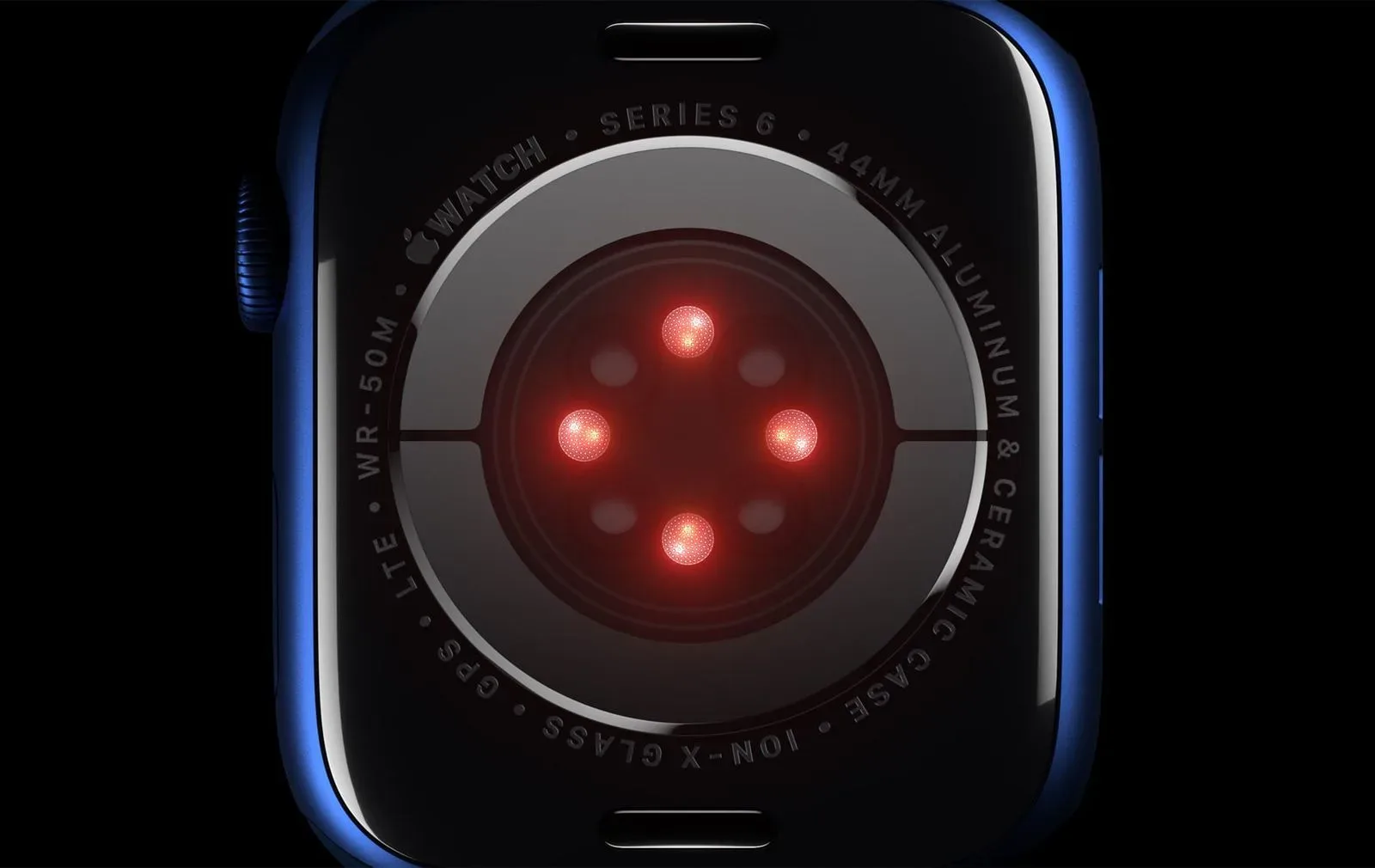
The expected Readiness app is reportedly set to debut alongside two new watches: Apple Watch Series 12 and Apple Watch Ultra 4. Both models are also reported to feature continuous heart-rate sensing even when the wearer is not actively exercising.
That reported change could be a meaningful companion to a recovery-focused app. Heart-rate information is already one of the metrics included in Vitals, and a more continuous approach outside workout sessions could potentially give Apple more consistent data around everyday activity and rest. Apple has not yet explained how continuous sensing on these reported models would work, how it would affect battery life, or how it would integrate with Readiness.
Those open questions are especially relevant because the value of any readiness view depends on context. A single measurement can be noisy; trends and patterns are usually more useful. A device that can gather heart-rate information continuously outside a formal exercise session may be better positioned to build a fuller picture, but the practical impact will depend on Apple’s implementation and the information it chooses to show users.
The event could also clarify whether Readiness is being presented as a central reason to upgrade, a watchOS-level quality-of-life addition, or an early component of a wider Apple health strategy. With no official announcement yet, it is too soon to assume compatibility, rollout timing, or a complete feature list.
What to watch for on Wednesday
If Apple unveils Readiness, several details will determine how substantial the addition really is:
- How the result is displayed: a score, a status, a set of recommendations, or a blend of all three would each create a different experience.
- Which measurements are considered: Vitals currently collects average heart rate, respiratory rate, blood oxygen, wrist temperature, and prior-night sleep duration, but Apple has not confirmed the Readiness formula.
- Device and software compatibility: the app is expected alongside Series 12 and Ultra 4, yet support for earlier Apple Watch generations is unknown.
- How continuous heart-rate sensing fits in: the reported feature for the two new watches may have implications for the breadth and consistency of the data available.
- Whether Apple explains changes: a simple daily label is convenient, but the ability to see what drove it can be just as important.
Apple’s Wednesday presentation arrives with attention already on its watch lineup. Ahead of the event, Apple Watch SE 3 listings went unavailable, adding to the sense that the company’s wearable plans are about to move from rumor to product detail.
Readiness, if announced as reported, would not make the Apple Watch a different category of device. Instead, it could refine a familiar promise: collecting health signals is useful, but understanding them in the flow of an ordinary day is more useful still. The full answer—features, compatibility, presentation, and the role of the Apple Watch Series 12 and Apple Watch Ultra 4—will have to wait for the “Surprise and Shine” event.