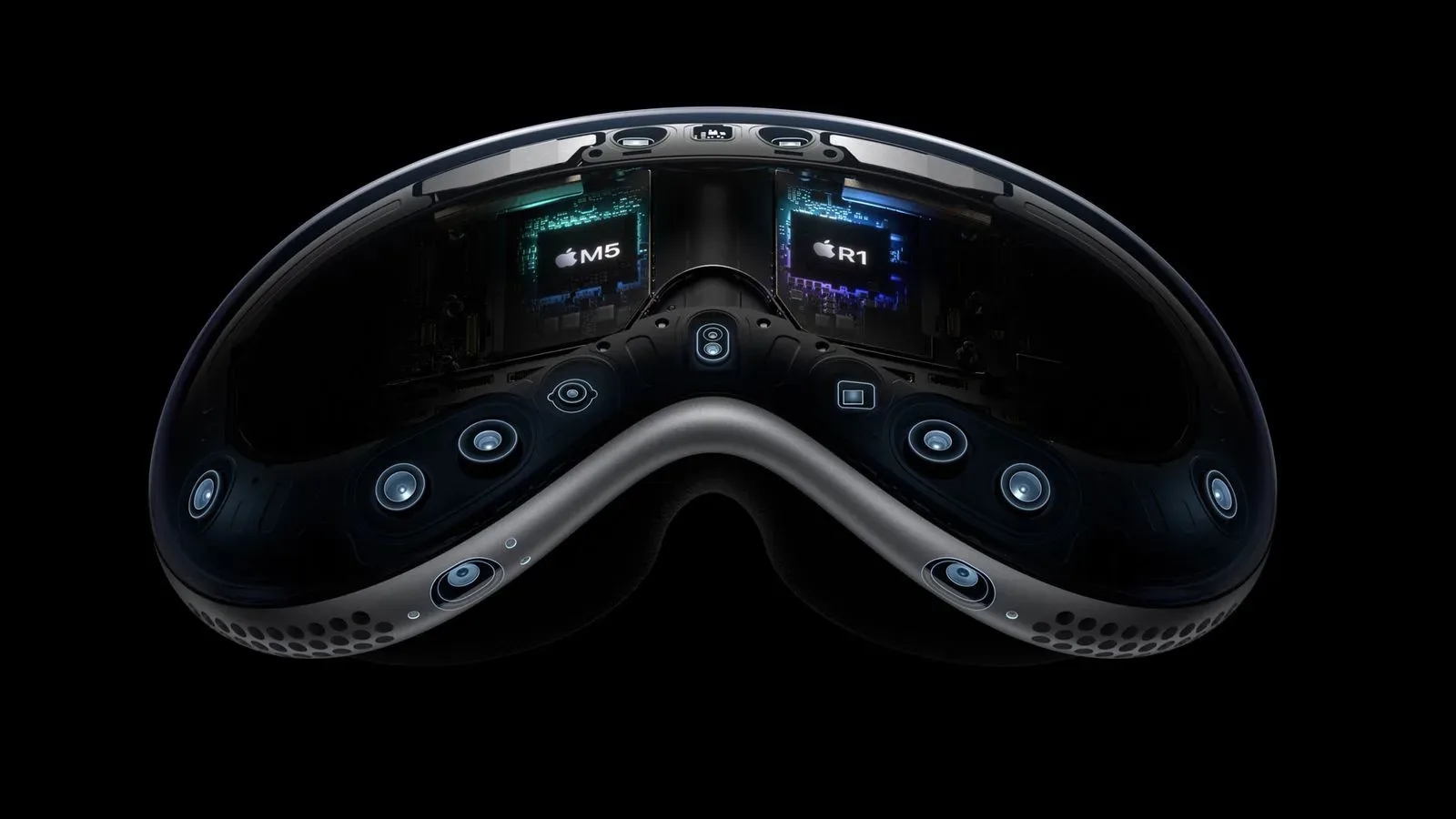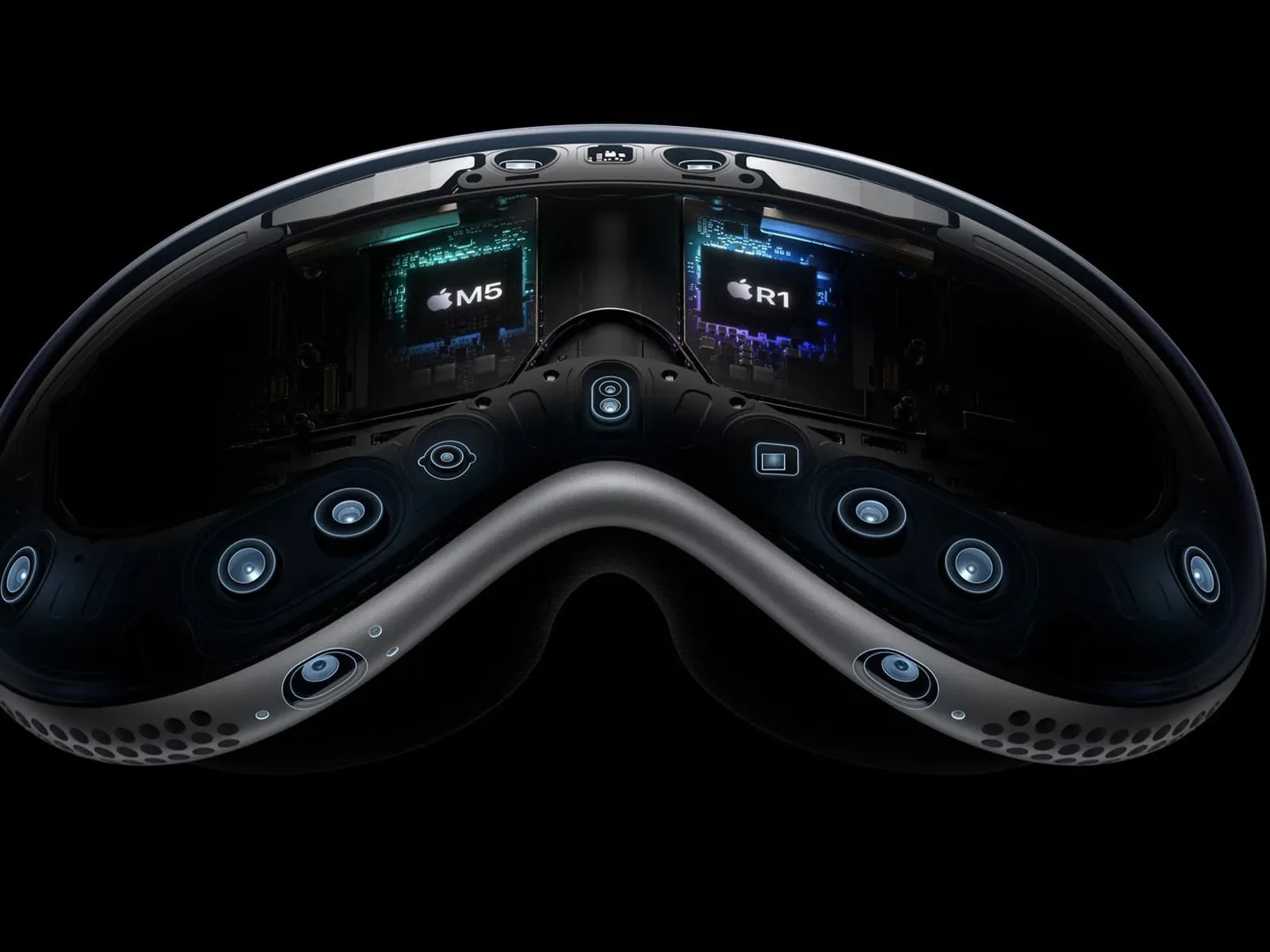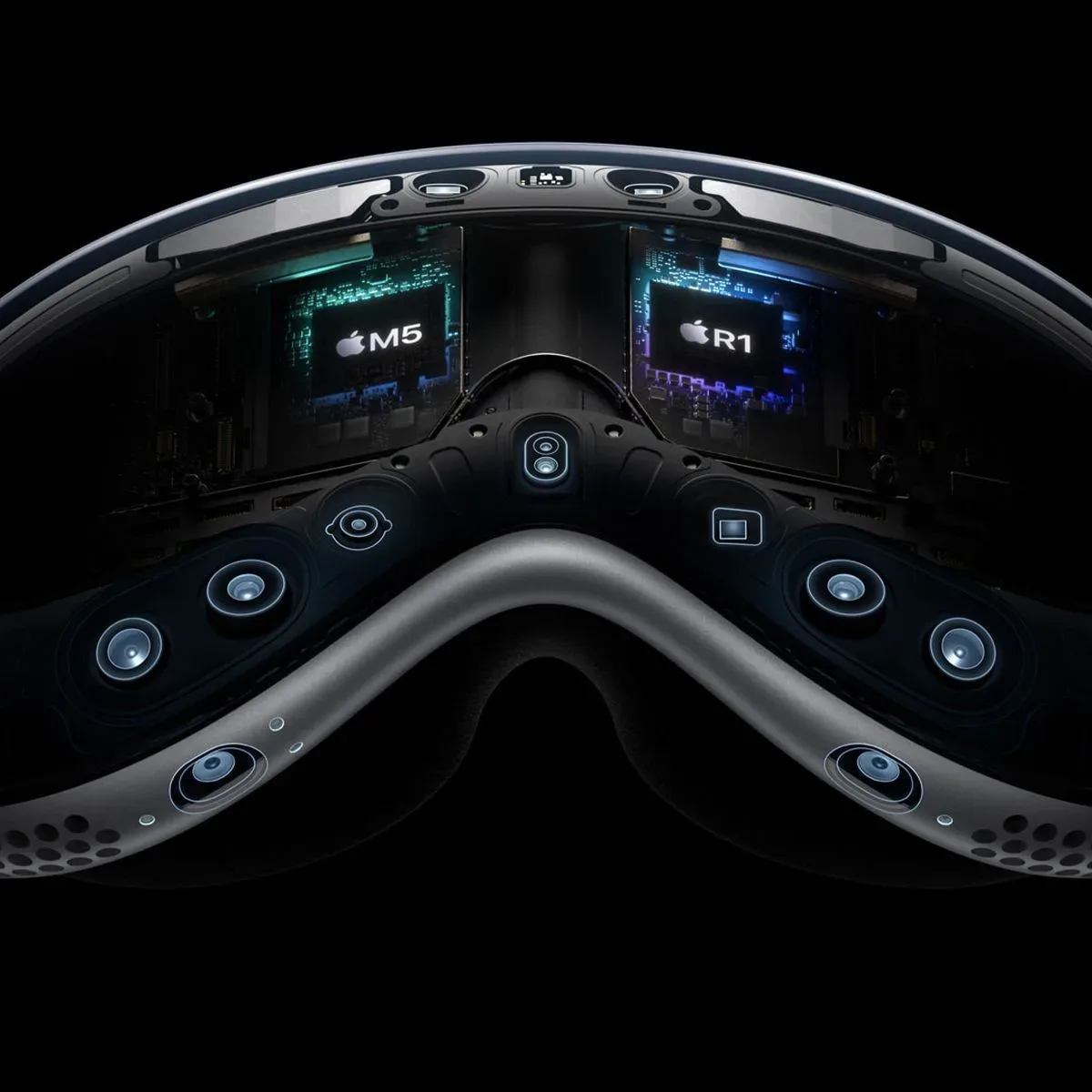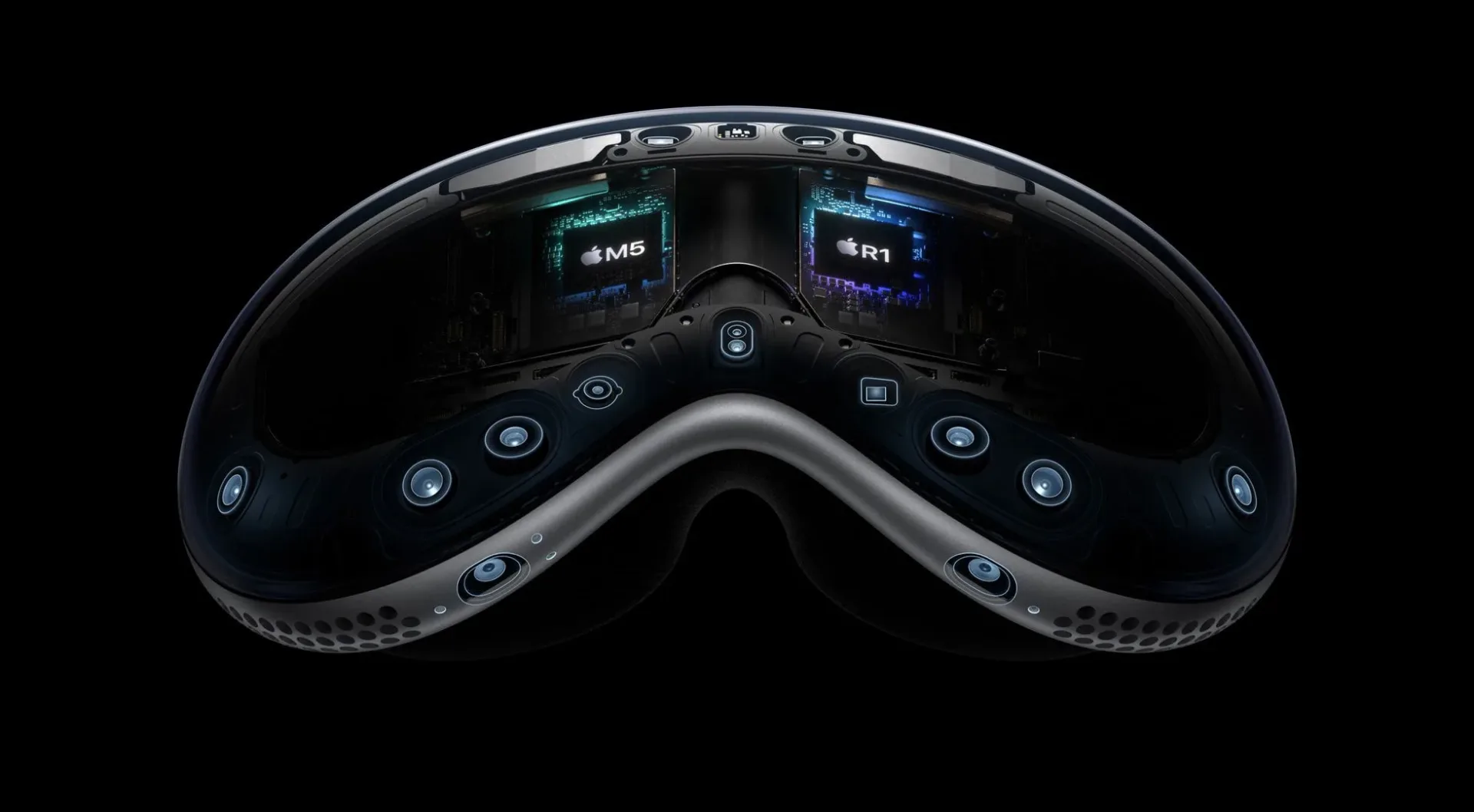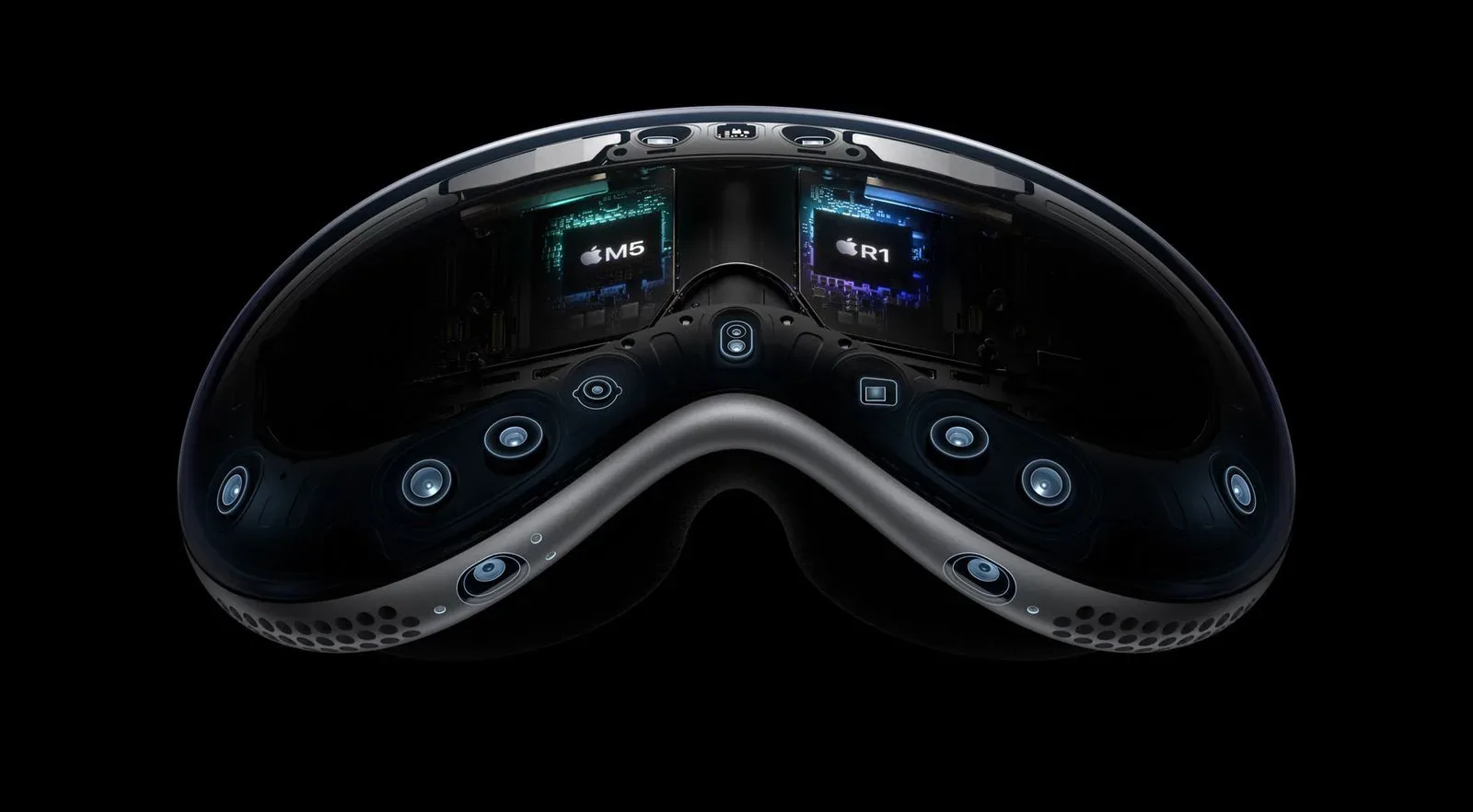
Apple is reportedly exploring four possible directions for a substantially redesigned Vision Pro headset, a project described as unlikely to arrive before late 2028 or early 2029 if it reaches consumers at all. The central problem is straightforward, even if the engineering is not: make a headset that is cheaper, lighter and simpler without turning the hardware needed to run it into a new inconvenience.
The reported project, codenamed N224, is not presented as a locked product plan. It is a set of concepts under examination by Apple’s Vision team. One of them would shift major components out of the headset and into an external module, while other approaches apparently remain under consideration. Internal support for the wider headset effort is also uncertain, as Apple is said to be putting greater emphasis on smart glasses targeted for late 2027.
Four concepts are being explored, not four announced products
It is important to separate exploratory hardware work from a launch roadmap. The report says there are four concepts, but does not describe each one or claim that any particular model has been selected. It also does not establish final specifications, a price, a release commitment or even a guarantee that a follow-up Vision Pro will ship.
That distinction matters because early product exploration can involve competing solutions to the same design problem. A team might test different materials, internal layouts and component placements precisely because none has yet satisfied the intended balance of comfort, capability and usability. The existence of a codename and multiple concepts indicates active work; it does not turn the work into a confirmed product announcement.
The reported timetable is similarly tentative. A release would not be expected before late 2028 or early 2029, placing this effort well beyond the immediate hardware cycle. Between now and then, the design could change sharply, be delayed or be abandoned.
The external-compute idea: less weight on the face, more to carry elsewhere
One reported N224 concept resembles the division of components used by Meta’s upcoming VR glasses. Rather than placing every major part inside or directly on the headset, the device would offload the main processor and battery to an external computing module that clips to a user’s waist.
In plain terms, this is an attempt to move some mass away from the face and head. For a headset, that is a meaningful ergonomic objective. Weight carried on the head can affect comfort over time, while an external pack relocates part of the physical burden to clothing or a belt area. The trade-off is that the user now has another object to wear, position and manage.
The referenced external module is said to be similar in size and weight to the present Vision Pro battery pack, with a grippy exterior. It would contain both the battery and the main processor. A module of this type is often called a compute puck: a compact external unit that handles processing and power so the display-and-sensor portion can potentially be made lighter.
That label should not obscure the practical question. An external puck is not simply a battery accessory. When it houses the main processor as well, it becomes an essential part of using the headset. Its placement, cable routing, attachment method and day-to-day handling all become central to the experience.
Why the concept is reportedly controversial inside Apple
Senior Apple decision-makers reportedly see the external-puck approach as a poor user experience and would prefer something closer to an all-in-one design. An all-in-one headset is one that integrates its primary computing hardware into the device itself rather than requiring a separate waist-mounted computer.
The concern is easy to understand as product design analysis, even though the report does not detail Apple’s internal reasoning. A self-contained device can feel simpler: put it on and use it. A separate module introduces another step and another physical relationship to manage. It may be clipped incorrectly, tug on a cable, be awkward with certain clothes or simply make the system feel less spontaneous to use.
On the other hand, an all-in-one approach must solve the weight issue without outsourcing the most substantial components. That is why the external-module idea remains relevant: it may offer a direct route to reducing head-borne weight, but it risks replacing one point of friction with another. Apple is reportedly evaluating that compromise rather than embracing it outright.
Cheaper and lighter remain the reported goals
A lower-cost, lighter successor to Vision Pro has been reported previously, and this new work is described as part of the same broader search for a more viable headset design. The hardware is said to be distinct from the long-rumored “Vision Air,” which was reportedly cancelled last year.
The reported experimentation with plastic, titanium, other metals and various materials shows that weight reduction is not being treated as a single-component fix. Materials affect several parts of the decision at once:
- Mass: Lighter materials can reduce the amount of weight a wearer supports on their face and head.
- Structure: A headset still needs a rigid, durable body that can support its components and remain stable while worn.
- Manufacturing and cost: Different materials can change how a device is produced and how expensive its construction may be.
- Feel and fit: The surface, balance and perceived quality of a headset are part of comfort, not merely cosmetic decisions.
None of that establishes that any named material will be used in a shipping product. It does, however, underline the scale of the challenge. “Make it lighter” is not just a matter of picking a lighter shell. The design has to account for the processor, battery, displays, sensors and the physical form that holds them together.
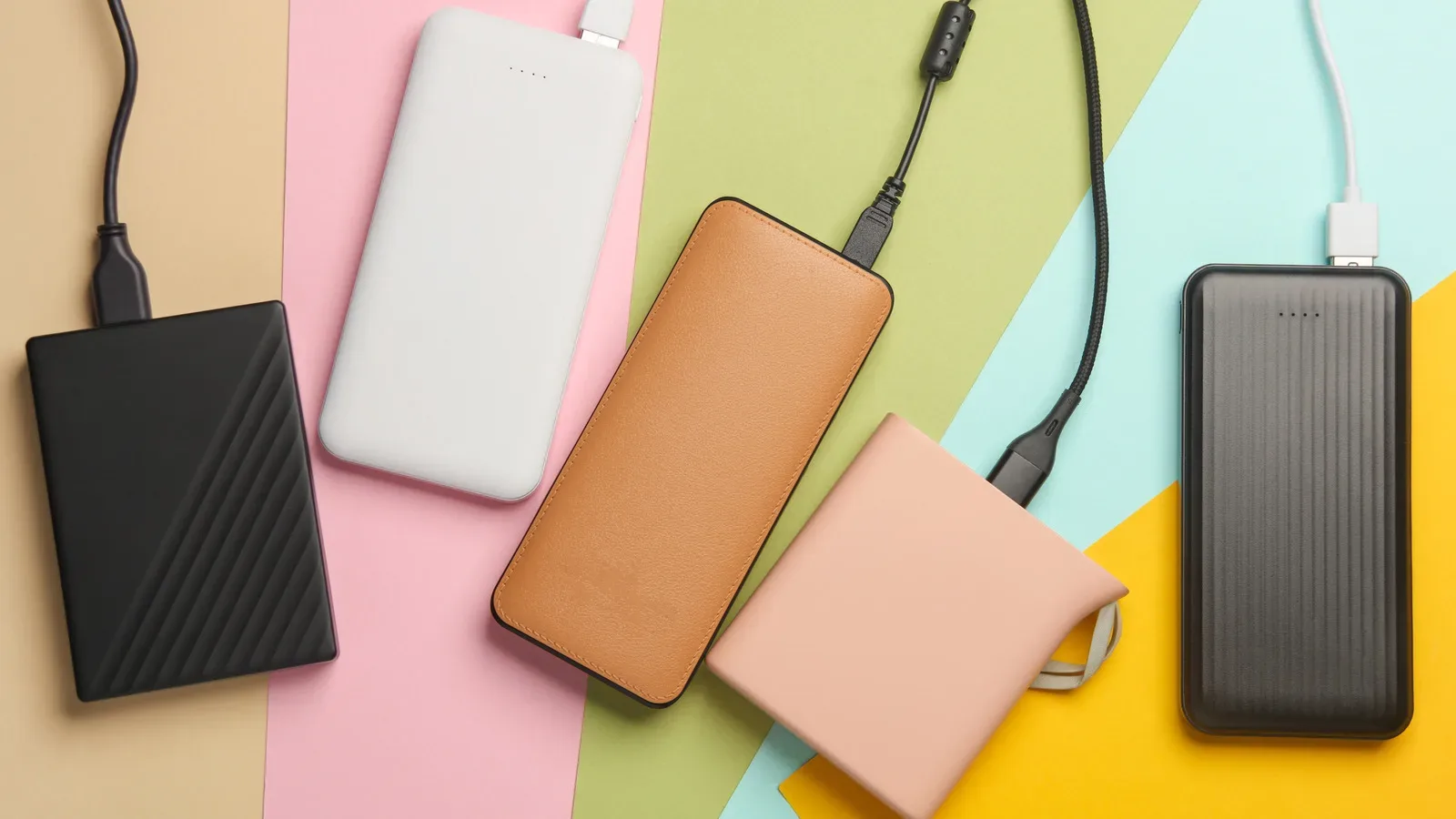
Power remains tied to the question, too. Battery capacity, processing demands and wearable comfort pull in different directions. Anyone weighing portable-device power needs more generally may find our breakdown of how a 20,000 mAh power bank really lasts across phones, Steam Deck and laptops useful context, though a headset’s own power design and usage profile are separate matters.
Smart glasses may be getting the nearer-term attention
The major complication for the reported Vision Pro redesign is priority. The work is described as being on “life support” while Apple shifts more focus toward smart glasses planned for late 2027. That does not mean the Vision effort has definitively ended; senior leaders associated with Vision are reportedly trying to keep the category funded and growing. But it does mean the next major headset cannot be treated as inevitable.
Smart glasses and a Vision Pro-style headset should not be treated as interchangeable labels. In the report, they are separate product directions with different apparent timelines and levels of corporate focus. The supplied details do not provide feature lists for the glasses, so it would be premature to assume their exact capabilities or how they would compare with a future headset.
What can be said is that Apple may be deciding where a wearable-computing category has the best chance to progress. A redesigned headset would have to demonstrate that it can become more comfortable, more approachable and less cumbersome. The smart-glasses effort, meanwhile, is said to have a nearer release target. Those parallel paths create a real possibility that the company’s eventual emphasis will not be on another Vision Pro-shaped device.
What gamers and immersive-tech watchers should take from this
For people interested in games, virtual reality and mixed-reality hardware, this report is more useful as a look at design constraints than as a purchase signal. There is no confirmed new Apple headset to wait for, no published game plan and no announced compatibility details. The report supports caution rather than a countdown.
It does highlight a familiar hurdle for immersive devices: performance has to live somewhere. Put the processor and battery in the headset, and the wearer may feel more weight. Move them outside the headset, and the system gains a module and a connection that can complicate the experience. Reduce material weight, and the manufacturer still has to preserve fit, strength and the space for internal technology.
Those tensions apply especially to longer sessions, where comfort and convenience can become as important as visual fidelity or processing capability. Apple’s reported willingness to consider both an external module and a more integrated design suggests there is not yet a single obvious answer.
What remains unknown
The report leaves many of the decisions that matter most unanswered. There is no indication of which of the four concepts is leading, whether the external compute module is likely to survive internal review, what exact materials will be chosen, or what a lighter and cheaper target would mean in practice. There is also no assurance that N224 will become a commercial product.
The cleanest read is therefore a cautious one: Apple is reportedly still investigating ways to reinvent its high-end headset, but it has not settled on a design and may ultimately direct its energy elsewhere. The next few years could produce a fundamentally altered Vision Pro, a different wearable priority, or no successor at all. For now, the most concrete story is the design dilemma itself—less weight, lower cost and fewer hassles, all without asking users to wear a computer on their waist just to make the computer on their face more bearable.