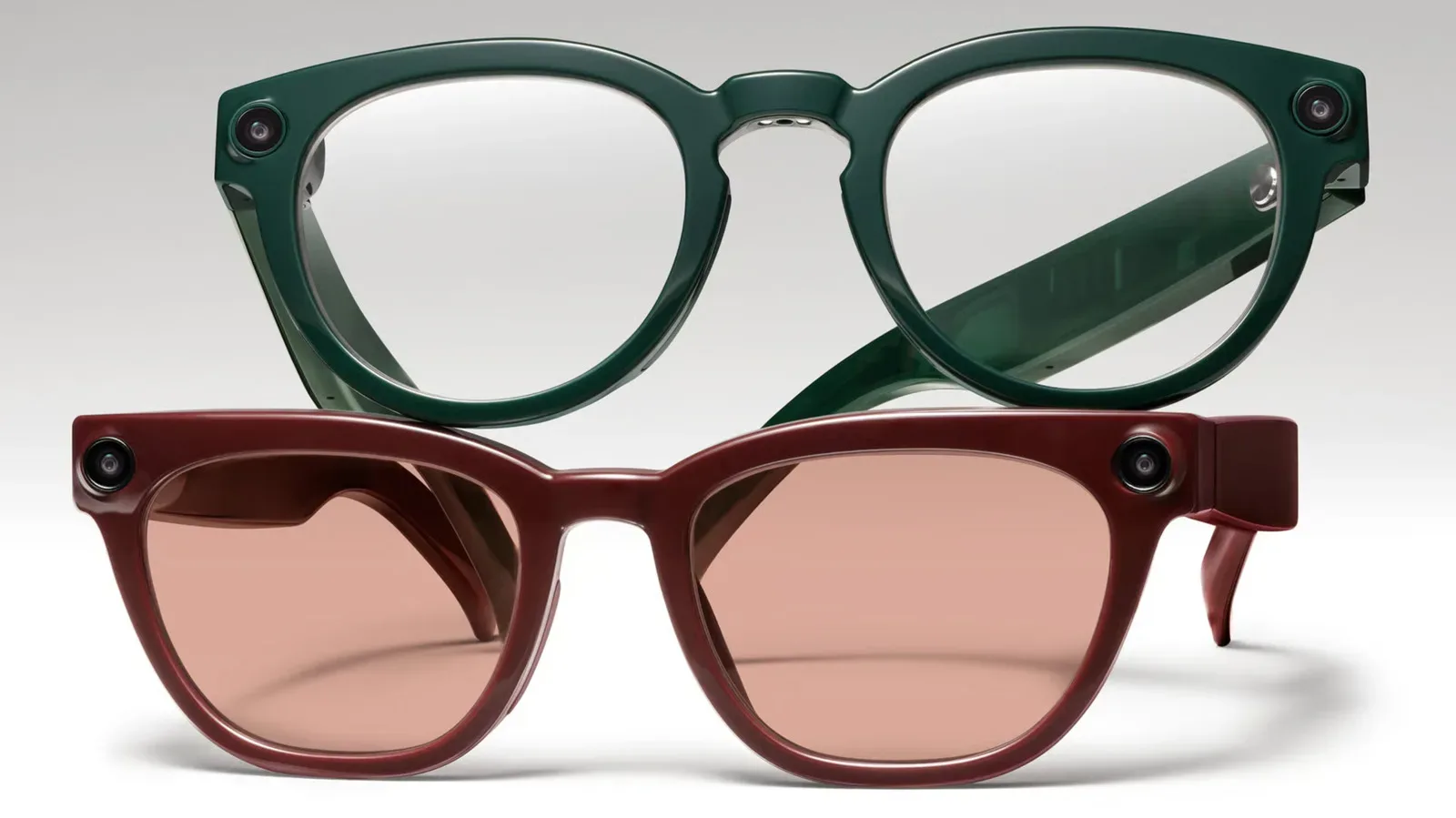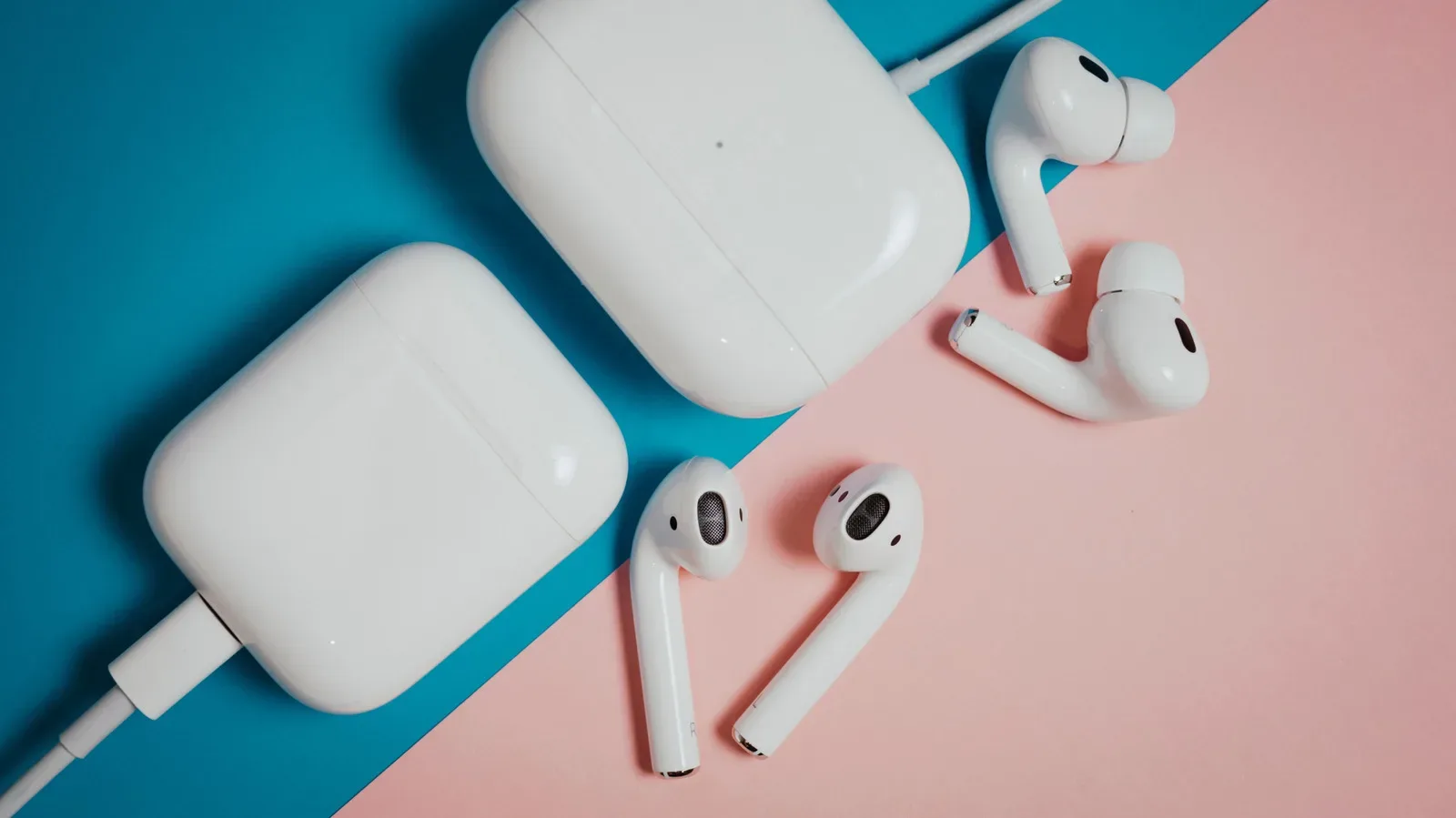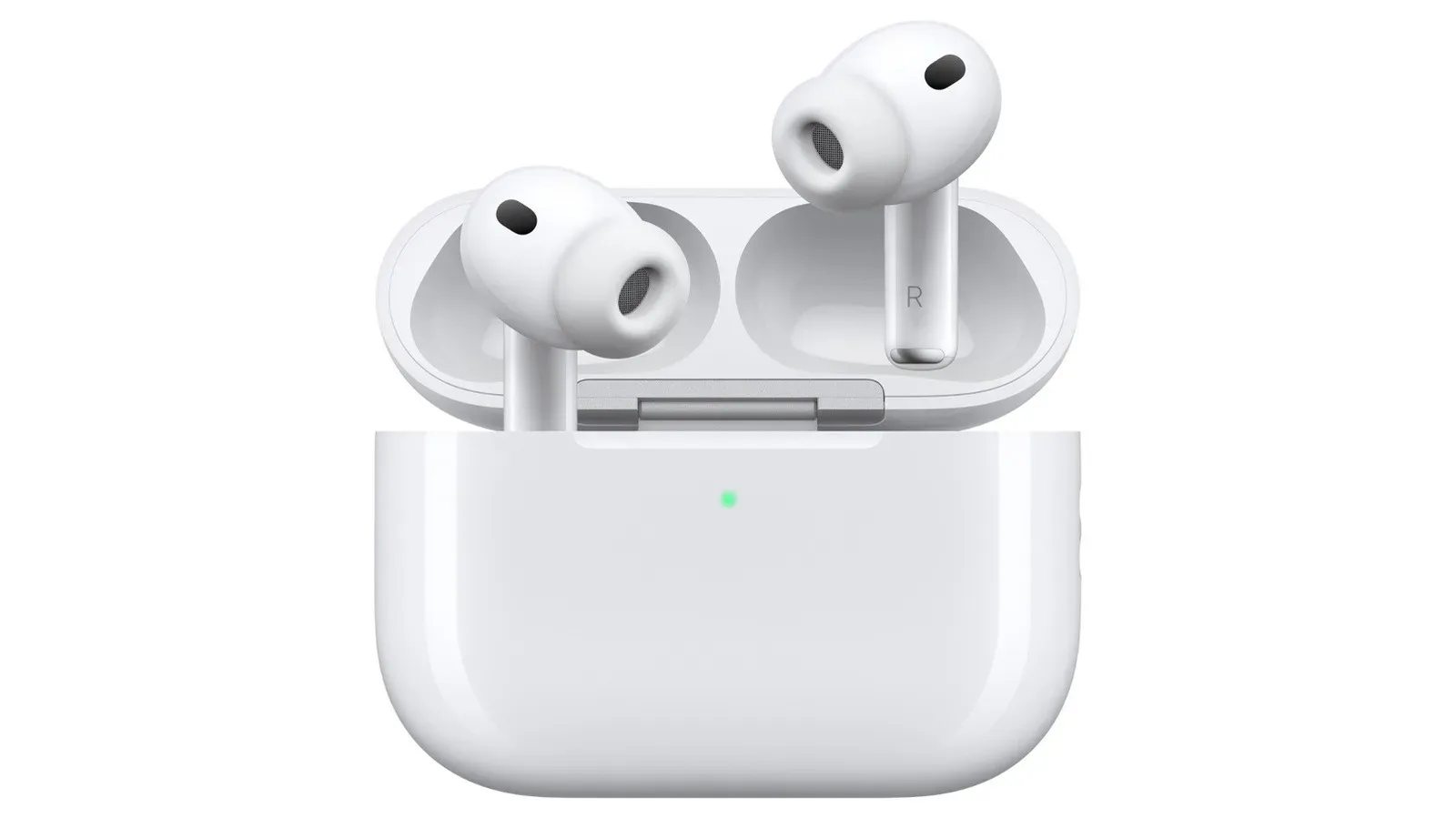

A supplier-side remark has added a new, carefully qualified wrinkle to reports that Apple is working on smart glasses and a new kind of AirPods. During a quarterly earnings briefing, Chinese manufacturing equipment supplier Quick Intelligent Equipment said it had participated in projects described as Apple’s “AI glasses” and “new smart earphones.”
That language is notable because it appears to connect two product categories that have already surfaced in separate reports: Apple smart glasses, said to be aimed at a late 2027 launch, and AirPods that include cameras and are expected to arrive alongside the 20th-anniversary iPhone.
It is not, however, a product announcement. Apple has not confirmed either device in the information at hand, and a supplier’s reference does not establish a final product name, feature list, release schedule, or even guarantee that a project will reach consumers. The briefing nevertheless offers a potentially meaningful look at the industrial side of products that remain rumored.
What the supplier actually said
Quick Intelligent Equipment described its role in terms of machine vision inspection equipment, saying its involvement in the Apple projects could increase demand for that equipment.
Machine vision inspection is a manufacturing quality-control process in which camera-based systems inspect products or components for faults, consistency, placement, or other visual issues. In this case, the supplier’s comment is not a description of what the rumored consumer products can do. It concerns the systems used to examine parts or assemblies during production.
That distinction matters. A company that makes inspection equipment can be connected to manufacturing work without revealing the eventual design, software, user experience, or commercial timing of the device being inspected. Still, naming both glasses and earphones in an Apple context is more specific than broad speculation about a future wearable category.
The key takeaway is not that two products are now confirmed. It is that a manufacturing supplier has publicly linked Apple to projects matching two persistent hardware rumors.
Why the wording points toward two separate rumors
The supplier’s phrasing splits the projects into “AI glasses” and “new smart earphones.” That maps cleanly, though not conclusively, to the rumored Apple smart glasses and the reported camera-equipped AirPods.
Apple’s first smart glasses are reportedly being targeted for late 2027. Their stated purpose would include answering questions about what a wearer is seeing in their surroundings and translating languages. Those use cases suggest a wearable built around context: the glasses would need to understand something about the user’s environment before an assistant could offer a useful response, while translation would need to turn language encountered by the wearer into an understandable result.
The report does not say exactly how those capabilities would work, what hardware the glasses would contain, whether they would require another Apple device, or what form their answers would take. It would be premature to fill in those blanks. “Smart glasses” covers a broad idea, and the available details only support the surrounding-question and language-translation ambitions.
The earphone reference is equally important because it aligns with the separate claim that Apple is developing AirPods with cameras. Cameras on earphones would represent a substantial conceptual change from conventional audio-focused earbuds, but no practical details are provided here about their purpose, controls, privacy handling, image processing, or design.
What “AI glasses” means here—and what it does not
“AI glasses” is the supplier’s label, not a confirmed Apple product name. In this context, it should be read as shorthand for rumored smart glasses with assistance based on visual surroundings and language translation, rather than evidence of a defined branding strategy or feature specification.
Artificial intelligence, or AI, is a broad term for systems that process information to identify patterns, generate responses, translate material, or perform related tasks. For a wearable that can answer questions about a user’s surroundings, the central challenge is not merely producing an answer. The device or its connected systems would first need adequate context about the scene or object in question. For translation, the system would need to interpret language and present a result in a way the wearer can use.
Those are useful descriptions of the reported goals, but they are not confirmation of any particular implementation. Nothing in the available information establishes which languages would be supported, whether translation would be spoken or shown visually, how quickly responses would arrive, or whether the functions would work without a network connection.
The 2027 timing remains a report, not a date on the calendar
The late 2027 window attached to the smart-glasses rumor is worth treating with restraint. Product development can change, particularly with new hardware categories, and the supplier’s remarks do not independently confirm that target. They also do not clarify when its own involvement began, how extensive it is, or whether its work relates to a product intended for launch rather than earlier development.
Likewise, the claim that camera-equipped AirPods are set to arrive alongside the 20th-anniversary iPhone remains a reported plan. The supplier’s mention of “new smart earphones” may be consistent with it, but it does not provide a launch date or identify AirPods by name.
Readers tracking Apple’s wider phone roadmap may also want to see our coverage of recent iPhone battery testing, though that testing is separate from these unconfirmed wearable projects.
Why a production-equipment comment can matter
Supplier disclosures are often watched closely because they can reveal that work is happening somewhere within a manufacturing chain before a consumer company says anything publicly. The value of the comment here is its specificity: it identifies Apple and uses terms that resemble ongoing reports about glasses and earphones.
But there are firm limits to what can be inferred. A supplier may be involved in prototypes, tooling, validation, limited manufacturing work, or a project that later changes direction. Its earnings briefing also has a different purpose from a detailed product presentation: it is explaining business activity and potential demand for its own inspection equipment.
As a result, the claim should be treated as corroborative context, not a substitute for a formal Apple reveal. It supports the possibility that Apple-related work in these categories is active, while leaving the consumer-facing questions unanswered.
Practical implications for prospective buyers
There is no purchase decision to make yet. No price, compatibility list, battery expectation, regional rollout, or confirmed availability has been provided for either rumored device. Anyone considering an upgrade to current headphones or waiting for smart glasses should avoid treating this briefing as a reason to delay or buy anything solely on the expectation of a near-term launch.
The clearest practical signal is simply that the rumors now have an additional supplier-related reference. For the smart glasses, the stated late 2027 target means the reported timeline is still distant. For the earphones, the proposed tie-in with the 20th-anniversary iPhone gives the rumor a possible launch association, but not a confirmed calendar commitment.
- Confirmed by the available information: Quick Intelligent Equipment says it has been involved in projects it described as Apple AI glasses and new smart earphones.
- Reported, but unconfirmed: Apple is targeting a late 2027 launch for smart glasses that could answer questions about surroundings and translate languages.
- Also reported, but unconfirmed: Apple is developing AirPods with cameras for release alongside the 20th-anniversary iPhone.
- Still unknown: product names, designs, pricing, precise launch timing, features, and whether the projects will ship in the described form.
For now, the supplier briefing is best understood as another data point in a developing story. It makes the rumored glasses-and-earphones pairing more interesting, particularly because it comes from the manufacturing side, but it does not turn either device into an announced Apple product.