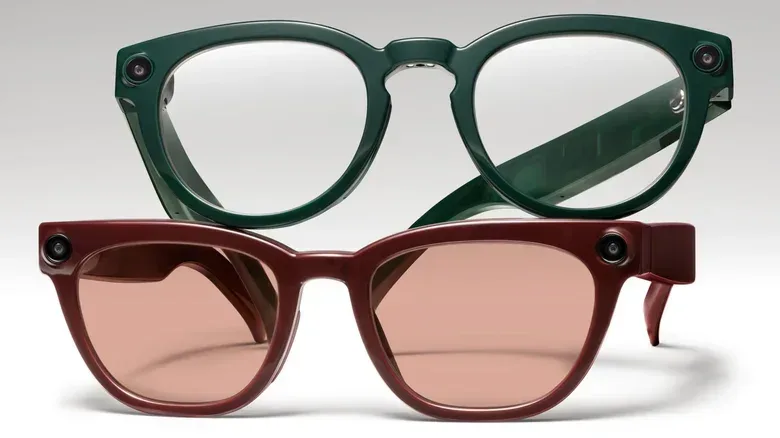
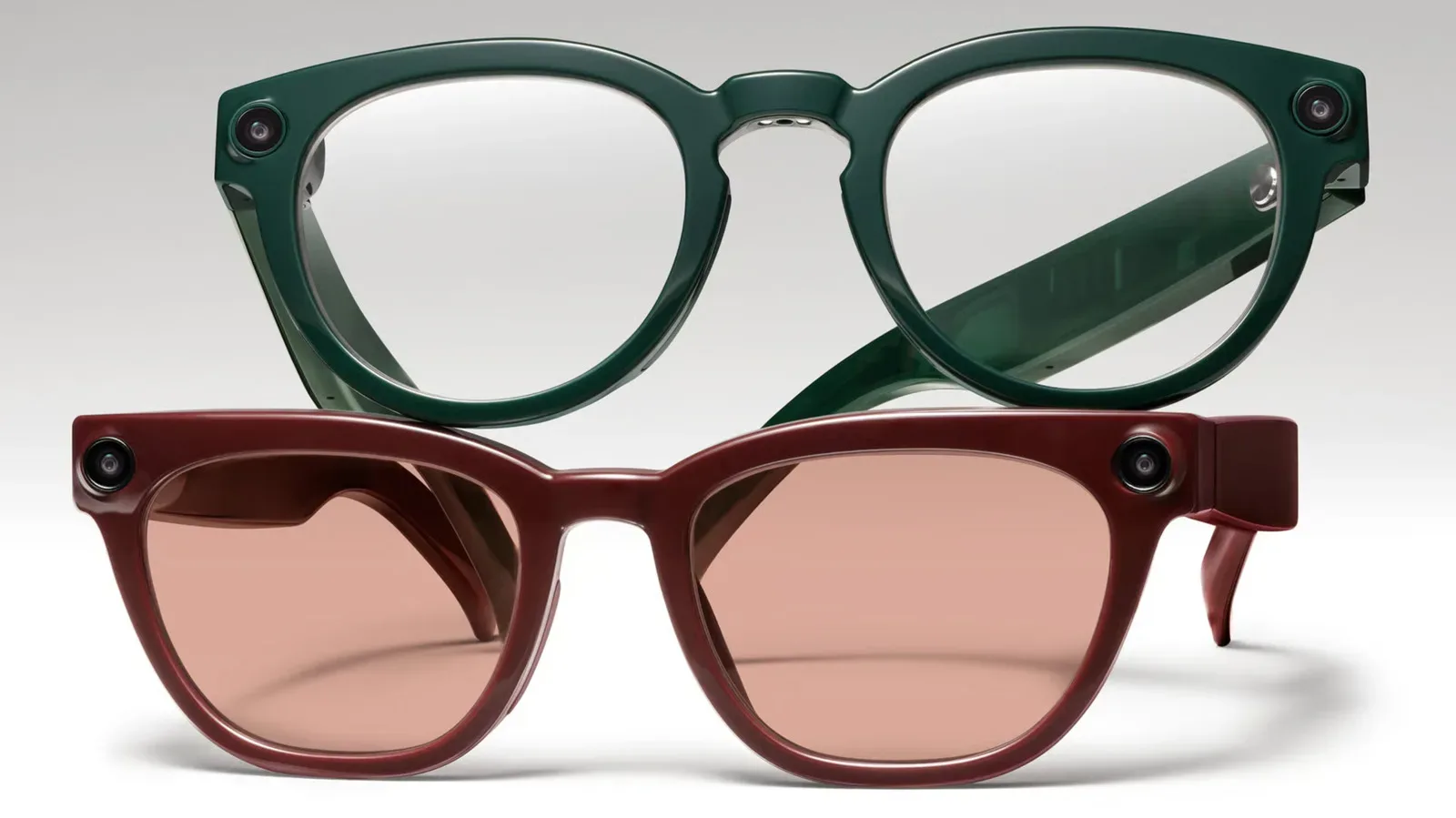
Warby Parker has supplied the clearest timing yet for the first wave of Google-linked Android XR smart glasses. In its third-quarter earnings release, the eyewear company said pre-orders for its first “Intelligent Eyewear” collection will begin on November 12, with customer orders expected to be delivered during the holiday season.
The detail matters because Google has previously outlined the partnership and demonstrated the direction of the products, but the Warby Parker statement puts a specific ordering date on one part of the launch. Pricing has not been disclosed. People interested in seeing the glasses before committing can already reserve in-store demo time slots through Warby Parker.
What is confirmed for the Warby Parker collection
Warby Parker co-founder and co-CEO Dave Gilboa said the company will start taking pre-orders on November 12. The statement describes the launch as the company’s first Intelligent Eyewear collection and sets an expectation of holiday-season fulfillment. That is a meaningful distinction from a broad product tease: pre-orders and deliveries are separate milestones, and the information available so far gives a date only for the former plus a seasonal delivery window for the latter.
Important practical details remain absent. There is no stated price, no confirmed breakdown of individual Warby Parker frame styles, and no complete specification sheet in the available information. Prospective buyers should therefore avoid treating the pre-order date as confirmation of every configuration, feature limit or regional availability detail.
Warby Parker is one of several partners Google named in 2025 alongside Samsung and Gentle Monster. Gentle Monster is also expected to sell Intelligent Eyewear, but its availability has only been described as coming in the fall. It is not yet clear whether its designs will become available on the same November 12 schedule.
An audio-first use of Android XR
The glasses are set to use an audio-focused version of Android XR, Google’s platform for augmented reality and virtual reality products. In this context, “audio-focused” is crucial. It suggests that the early glasses are designed around listening and speaking interactions rather than a full visual display layered across the wearer’s field of view.
The launch models are expected to include cameras and straightforward access to Gemini, Google’s AI assistant. That combination establishes the basic product category: eyewear that can capture what is in front of the wearer, provide audio output, and accept or support assistant-driven interactions. It is not the same thing as the more elaborate form of augmented reality often imagined in games and science fiction, where digital objects appear anchored in the real world through visible lenses.
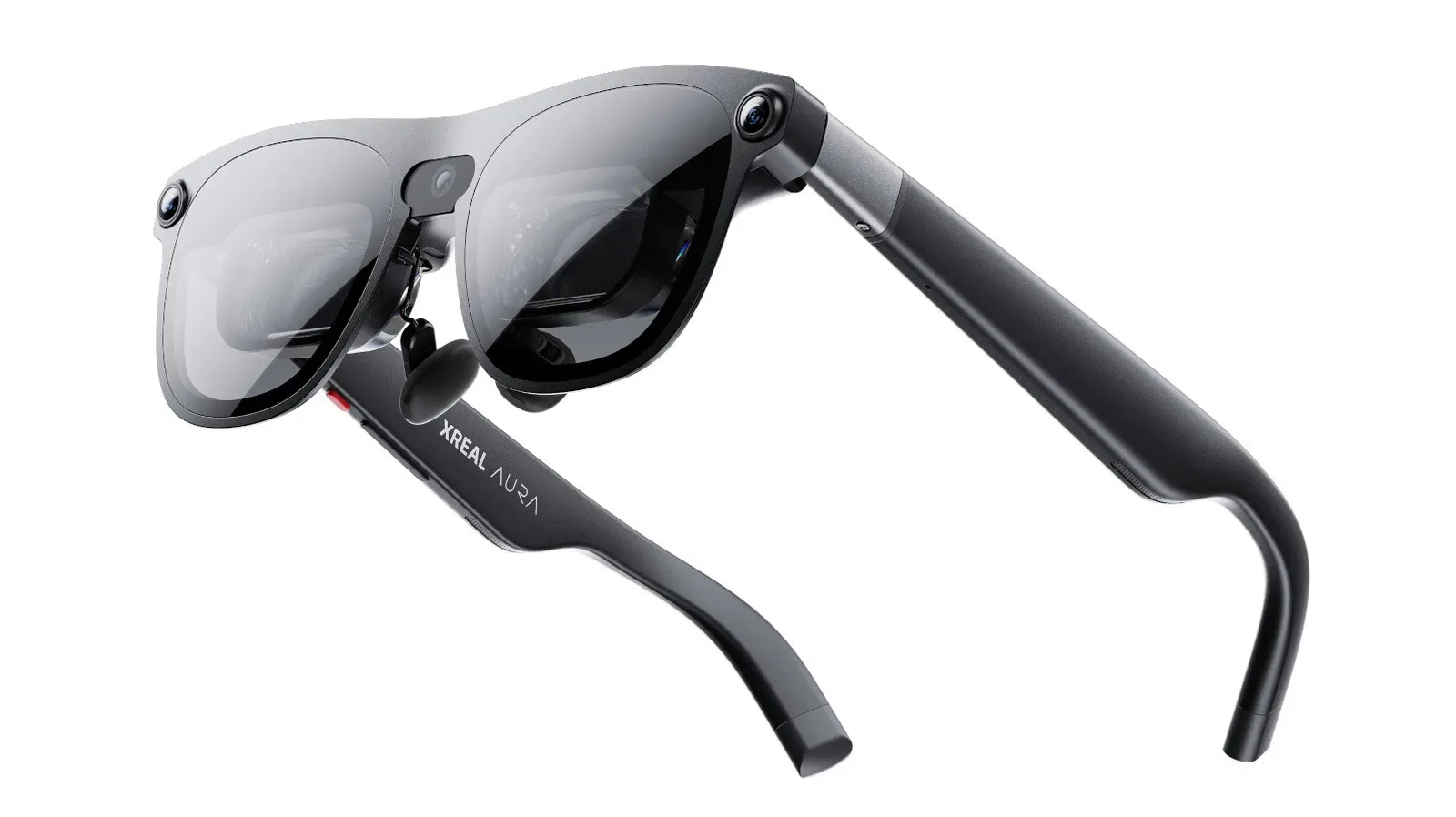
Augmented reality, or AR, generally means digital information is presented in relation to a real-world view. Mixed reality is often used for devices that combine physical surroundings and digital elements in more immersive ways. Google has demonstrated more fully AR-capable glasses, but there is no clear indication that those versions are close to release. The available launch information points instead to a more restrained, audio-led product with camera and AI-assistant capabilities.
That distinction is useful for anyone comparing the glasses with Samsung’s Galaxy XR. Android XR technically arrived on the Galaxy XR in 2025, but that headset was designed for mixed-reality experiences in the style of a Vision Pro-class device. A face-worn headset and everyday-looking glasses may share an underlying platform without feeling remotely alike in actual use. Form factor changes the likely interaction model, the social setting and the expectations people bring to the device.
Why the eyewear partnerships matter
Google’s choice to work with eyewear brands speaks to a central challenge of smart glasses: the product must work as technology, but it also has to function as something people are comfortable wearing on their face. Warby Parker and Gentle Monster bring frame-design identities to a platform that Google is trying to establish beyond a single headset.
For the technology industry, the partnership approach also means Android XR is being positioned as more than one device category. Samsung’s Galaxy XR represents a headset-oriented entry point; the Intelligent Eyewear line is a move toward a lighter, more publicly worn format. Google’s 2025 collaboration announcement and its subsequent I/O showcase made clear that the company intended for both paths to exist, even if their capabilities and immediate uses differ.
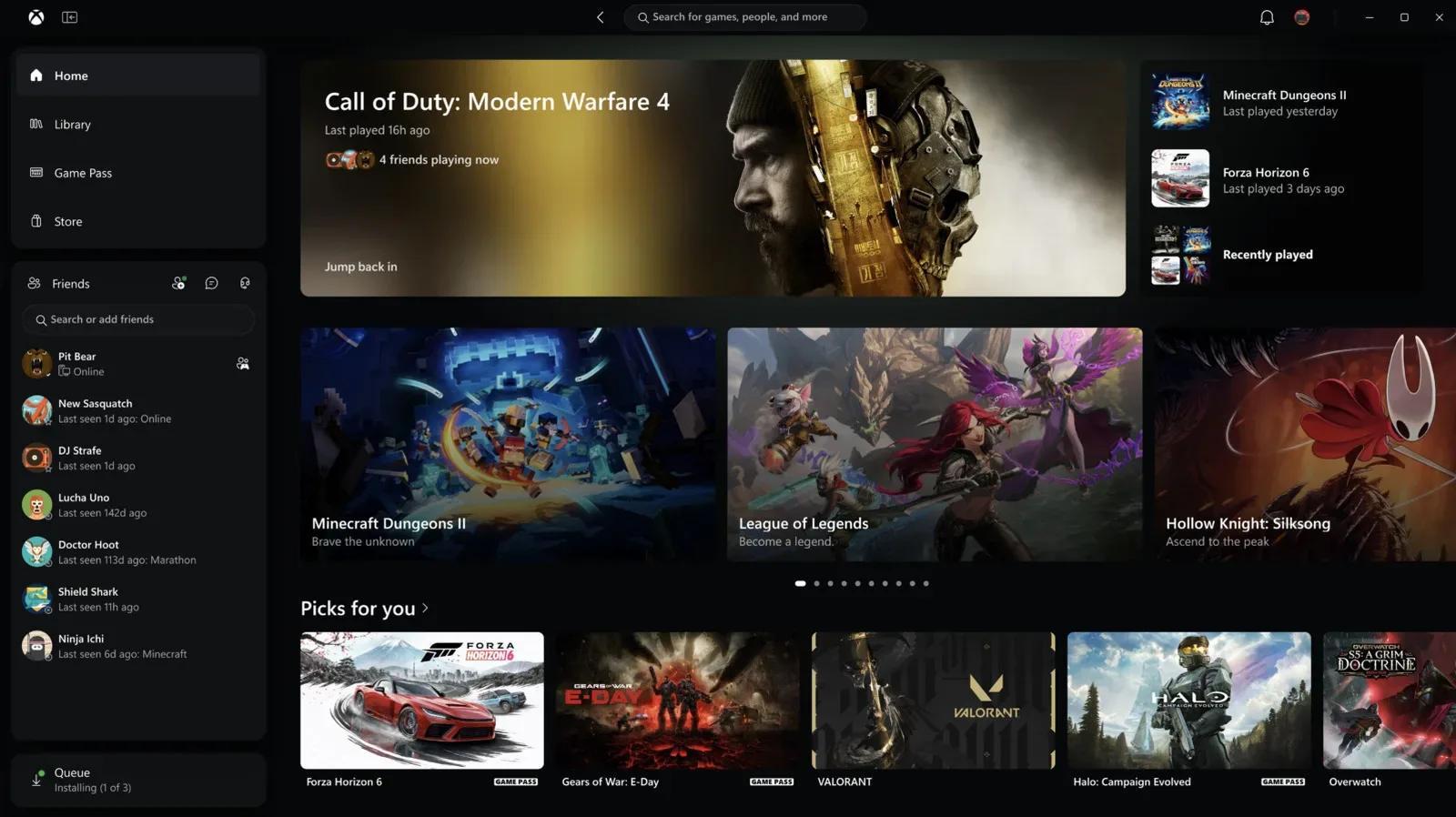
That broader platform thinking resembles the constant pressure facing gaming and app ecosystems: a platform only becomes compelling when hardware, software and interfaces meet people where they actually want to use them. The goal of making software feel faster and less intrusive is familiar elsewhere in gaming technology too, including efforts such as this Xbox PC app update focused on quicker launches and a cleaner game library. Smart glasses introduce a much tougher version of that interface problem because the interface is worn in everyday social spaces rather than opened on a monitor.
Cameras are the central trust problem
The potential obstacle is not only whether the glasses look fashionable or whether an assistant can answer questions. It is whether people around the wearer feel comfortable with a camera that can be used at close range in ordinary environments.
Recent misuses involving Ray-Ban Meta Smart Glasses have contributed to greater skepticism around camera-equipped eyewear. Meta has attempted to address issues through software updates, but the broader concern remains: people may not know when a camera is active, what is being captured, or how the resulting material could be used. Google’s planned glasses have a substantially similar social challenge because they, too, combine familiar eyewear with cameras.
This is where technical capability and public acceptance can pull in different directions. Cameras make contextual assistance more possible: a system can potentially understand what is in view rather than relying only on a spoken prompt. Yet that same capacity can make bystanders feel observed. An audio-first design may avoid the visual complexity of full AR displays, but it does not remove the privacy questions created by face-worn cameras.
For buyers, an in-store demo can answer some basic questions about comfort, appearance and interaction flow. It cannot by itself resolve the social rules that develop around a device category. Those rules depend on clear user behavior, recognizable recording signals, product policies and the willingness of people nearby to accept the technology. The source information does not establish how the incoming models will handle every one of those issues, so expectations should remain measured until fuller product details are available.
What to watch between now and pre-orders
November 12 is the key date for Warby Parker’s pre-orders, but it is only the beginning of the information buyers will need. The remaining questions are unusually consequential for a wearable product:
- Price: Warby Parker has not announced what the Intelligent Eyewear models will cost.
- Frame selection: The precise styles and configurations offered at pre-order have not been detailed here.
- Gentle Monster timing: Its fall availability window has been stated, but a November 12 launch match has not been confirmed.
- Everyday behavior: The glasses are expected to have cameras, audio functions and Gemini access, while the exact experience and safeguards will matter greatly in public settings.
- Display expectations: Google has shown more advanced AR concepts, but buyers should not assume those capabilities are part of the imminent audio-focused collection.
In short, the forthcoming Warby Parker collection appears to be an important first retail step for Android XR beyond headsets, not proof that full-display AR glasses are ready to arrive. The company’s November 12 pre-order plan provides a concrete launch marker. The unanswered questions—especially price, configurations, partner timing and public-facing camera concerns—will determine how much clearer the picture becomes when orders open.