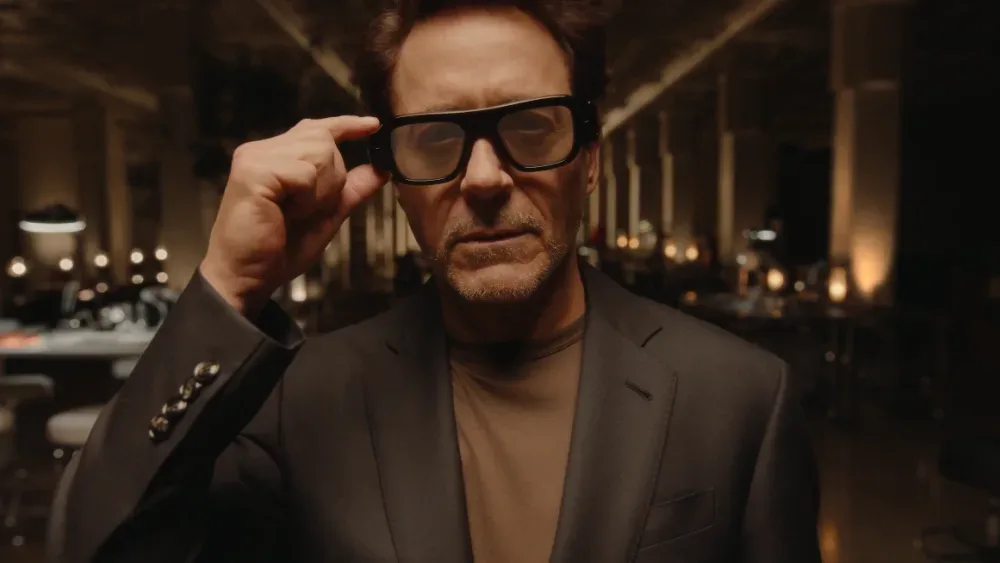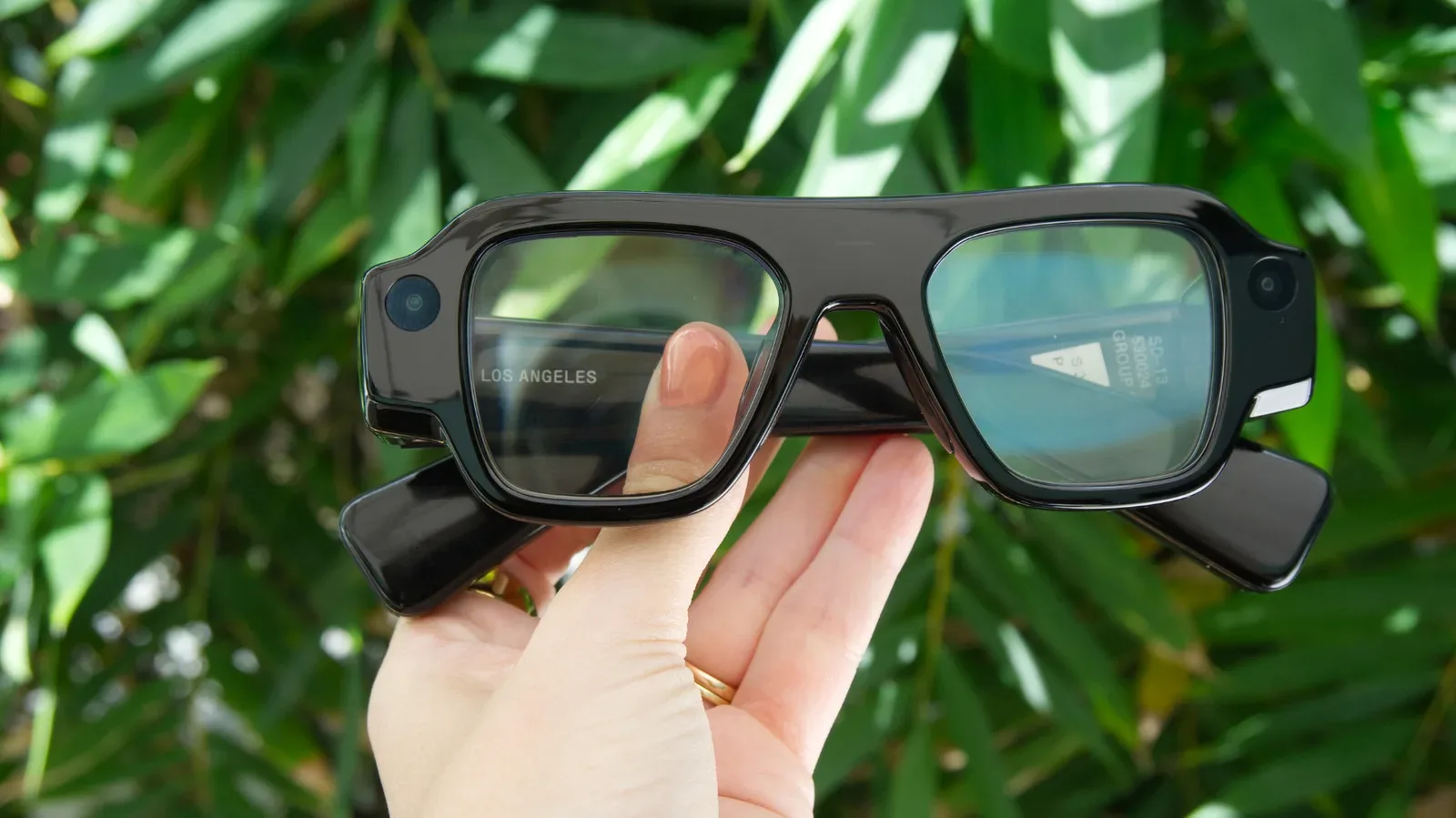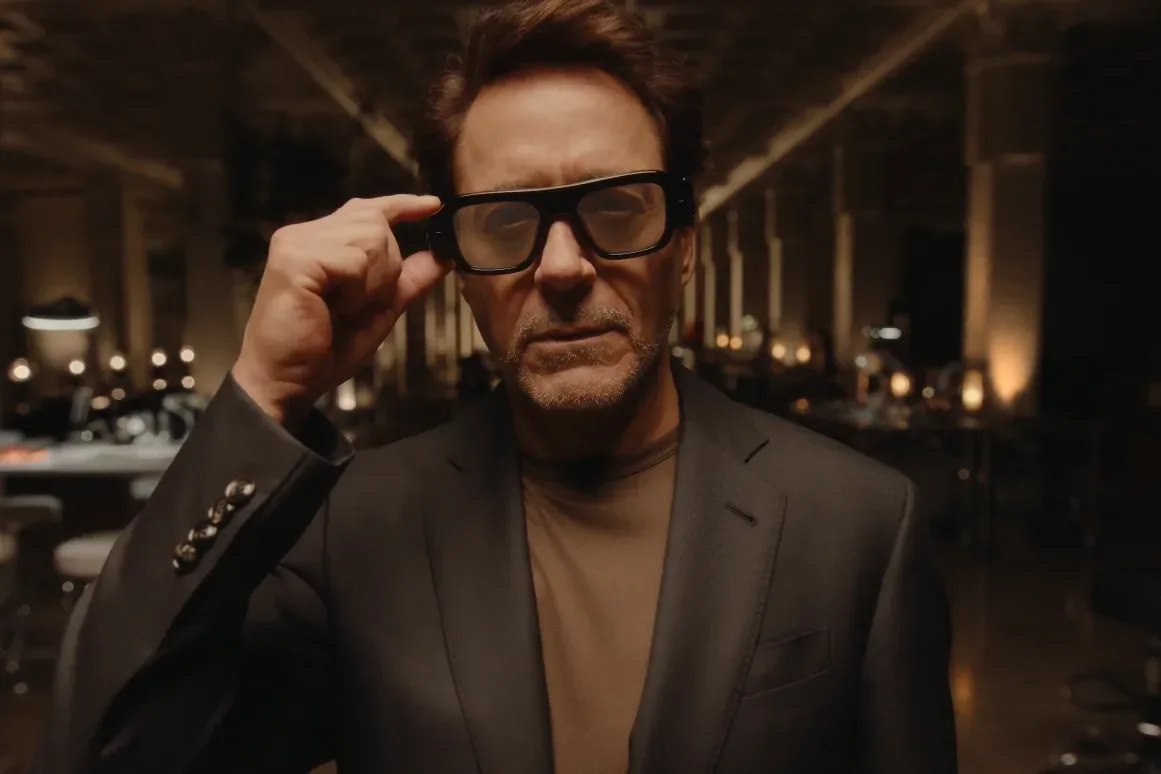
Robert Downey Jr. has a new tech-facing role that makes the Iron Man association all but unavoidable: he is now the lead spokesman for Snap’s Specs augmented-reality glasses. But the partnership is framed as more than a familiar celebrity-device campaign. Snap has given Downey the honorary title of Chief Customer Experience Officer, or CCEO, and says he will contribute to Lens experiences, content, hardware discussions and in-person experiences connected to Specs.
That blend of marketing, creative development and public-facing product advocacy is the notable part. Downey’s long-running association with cinematic high-tech armor supplies immediate shorthand for a pair of advanced glasses, but Snap is positioning him as somebody who will help imagine what people do with the device—not simply appear alongside it.
Specs are due to begin shipping later this fall. Pre-orders start at $2,195 for the WiFi-only model and $2,395 for a Verizon 5G-connected version. Those figures place the glasses firmly in premium, early-adopter territory, and make Snap’s effort to explain their everyday use as important as the hardware itself.
A campaign built around ordinary situations
The partnership has started with a series of original episodes in which Downey uses Specs in routine settings: working, golfing, watching television and developing artistic skills. That setup matters because augmented reality is often easiest to describe in broad futuristic terms and harder to understand as a product people would choose to wear regularly.
Augmented reality, generally shortened to AR, refers to digital material presented in relation to the user’s real surroundings. In the case of Specs, Snap says the glasses can interact with apps and the world around the wearer through voice commands and hand gestures. That means the campaign is not only selling a screen near the user’s eyes. It is selling an interface intended to be operated without a conventional controller, phone screen or keyboard occupying the user’s hands.
Voice commands are instructions spoken to the device. Hand gestures are movements recognized as controls. The practical promise of these inputs is immediacy: look at what is in front of you, ask for something or make a gesture, and receive a response through the glasses. Whether that proves useful depends on the experiences available and how reliably they work, questions the supplied details do not answer. Still, Snap’s decision to put the demonstrations in work, leisure and creative scenarios indicates the company wants the technology understood as part of daily activity rather than as an occasional novelty.
The initial videos can be watched on the Specs site and YouTube. The campaign will also receive major broadcast exposure. Its first TV placement is scheduled for Tuesday night during the New York Knicks versus Philadelphia 76ers NBA tip-off game. Another original episode in the Downey series is set to air during Game 1 of the World Series on Friday, October 23.
Those placements create a very broad introduction for a product with a comparatively narrow initial price range. A national sports audience may not be the same as an immediate pool of buyers for a $2,195 pair of glasses. It is, however, an audience large enough to establish the name Specs and the idea that Snap wants AR glasses to be a mainstream consumer category.
Related coverage includes Robert Downey Jr. Takes Specs Role for Snap’s AR Glasses.
What Snap says Downey will do
Snap says Downey will work across the Specs organization to explore capabilities, shape new Lens experiences and develop original content. He is also expected to collaborate on hardware and physical experiences.
In Snap’s terminology, a Lens is an experience built for its platform. The supplied information does not specify which new Lenses Downey may help create, nor does it identify product features beyond voice and gesture interaction. The distinction is worth keeping clear: the announcement signals participation in designing and promoting experiences, but it does not confirm a particular app, game or software feature tied to his involvement.
Likewise, the CCEO label is described as honorary. It should not be mistaken for a standard executive appointment or proof that Downey is taking over the conventional operational duties of a chief customer officer. Based on Snap’s description, the title is a tailored role that joins public advocacy with product and experience collaboration.
Downey said he has tried most wearable technology that has reached the market over the last two decades and had usually come away unimpressed. He said Specs won him over within 40 seconds of trying them and called their possible applications limitless. That is an enthusiastic endorsement from the campaign’s new spokesman, not an independent assessment of the device—and readers should treat it accordingly.
“Trying is believing,” Downey said, adding that he was “absolutely sold on Specs within 40 seconds.”
Snap chief executive Evan Spiegel said Downey has been imagining the potential of this technology for nearly 20 years and that the company is honored to work with him to realize that vision.
Why the Iron Man connection is useful—and limited
Downey’s portrayal of Tony Stark in Marvel’s Iron Man films is the obvious cultural bridge for the campaign. Stark’s technology was fantastical and cinematic; Specs are a consumer product being offered in WiFi-only and cellular-connected configurations. The association gives Snap an instantly recognizable image of wearable computing, but it should not blur the boundary between fiction and product details.
Nothing in the available information suggests Specs recreate the fictional capabilities of Iron Man’s suit. Snap’s stated controls are voice commands and hand gestures, and the content series emphasizes everyday scenarios. The grounded pitch is arguably the more interesting one: rather than sell superhero fantasy outright, Snap is using an actor closely tied to it to demonstrate working, recreational and creative possibilities.
For buyers, the important questions are therefore practical. Which version makes sense depends in part on whether the user values built-in Verizon 5G connectivity enough to justify the $200 difference from the WiFi-only model. “WiFi-only” means the model relies on WiFi connectivity rather than including the stated 5G option. The 5G version is described as having Verizon connectivity; no additional terms, coverage details, plan requirements or other service specifics are provided here.
Potential customers should also separate confirmed information from aspirations. Confirmed details include the pre-order prices, the two connectivity options, Snap’s plan to ship later this fall, and its claim that the glasses use voice and gesture input to work with apps and the surrounding world. The wider range of possible uses remains an ambition Snap and Downey intend to explore through future Lenses, content and hardware collaboration.
A visibility play before shipment
The timing is straightforward: Snap is building public familiarity before the glasses start shipping. Original web videos offer room to show specific situations; NBA and World Series placements offer scale; Downey gives the campaign a recognizable personality who can connect a futuristic premise to a familiar entertainment image.
It also puts customer experience at the center of the message. A device can have technically ambitious inputs, but a consumer must be able to understand why those inputs matter. Snap’s CCEO framing suggests that the company sees content, Lenses and real-world demonstrations as part of that answer.
There is a wider relevance for games and entertainment technology, even though Snap has not announced game-specific Specs details in this information. The continuing debate around how technology companies explain emerging tools is visible elsewhere in the industry; recent discussion around what studios mean when they say they are using AI shows why clear language about capabilities, limits and actual use cases matters. For Specs, the immediate evidence is not a distant promise of fiction becoming real. It is a high-priced AR device being introduced through demonstrations of ordinary life, with Downey as both its most visible advocate and a stated collaborator on what comes next.