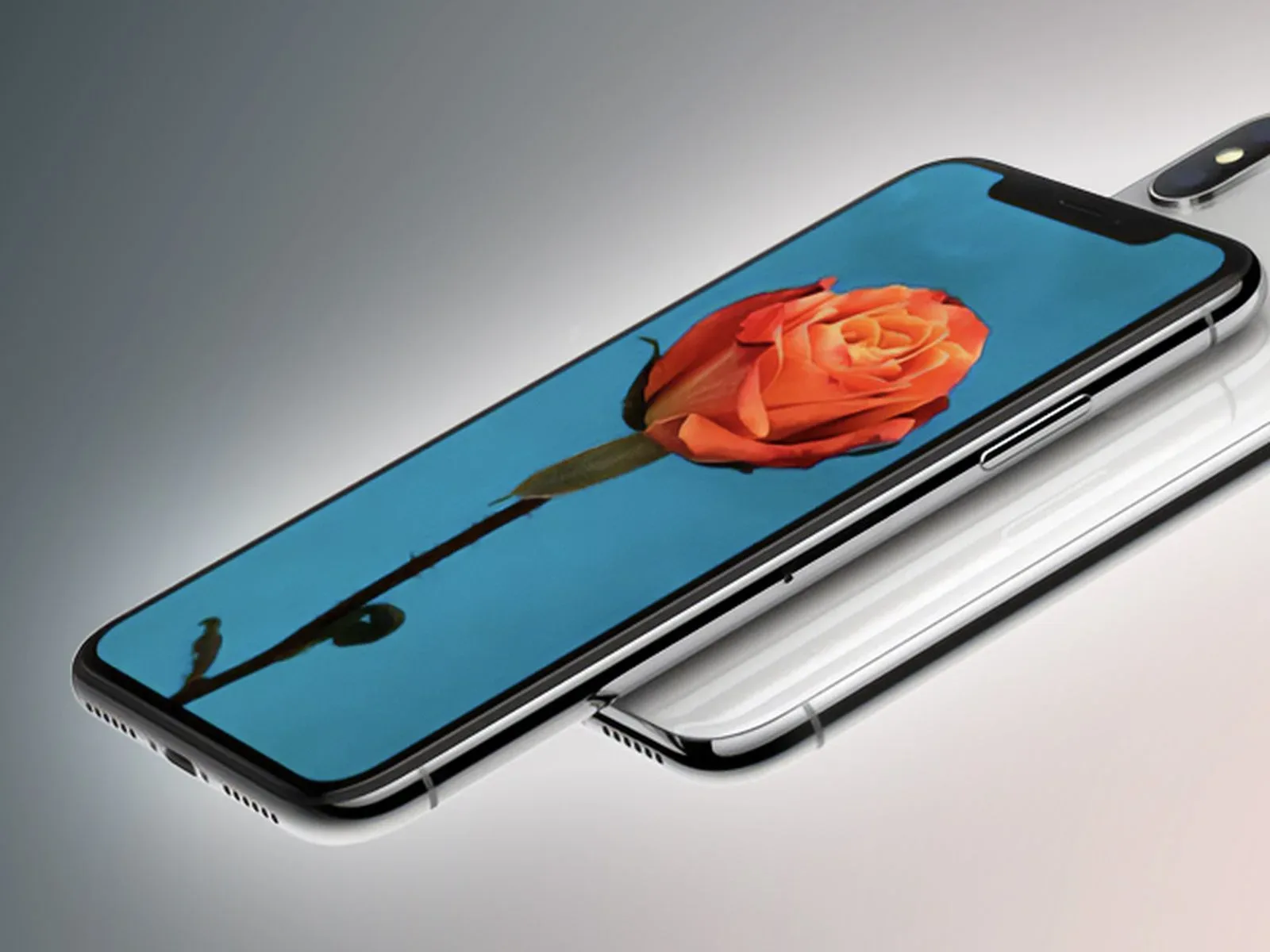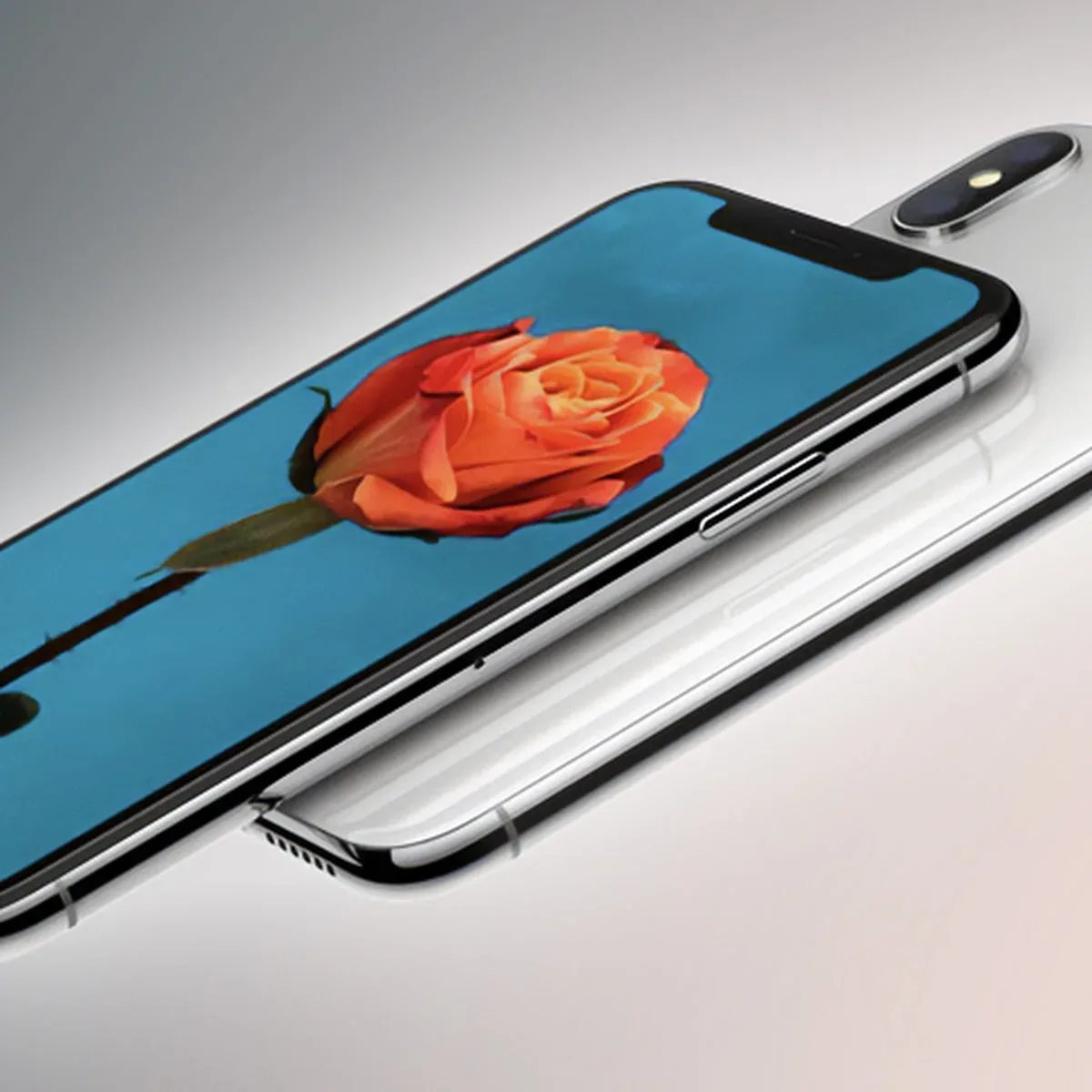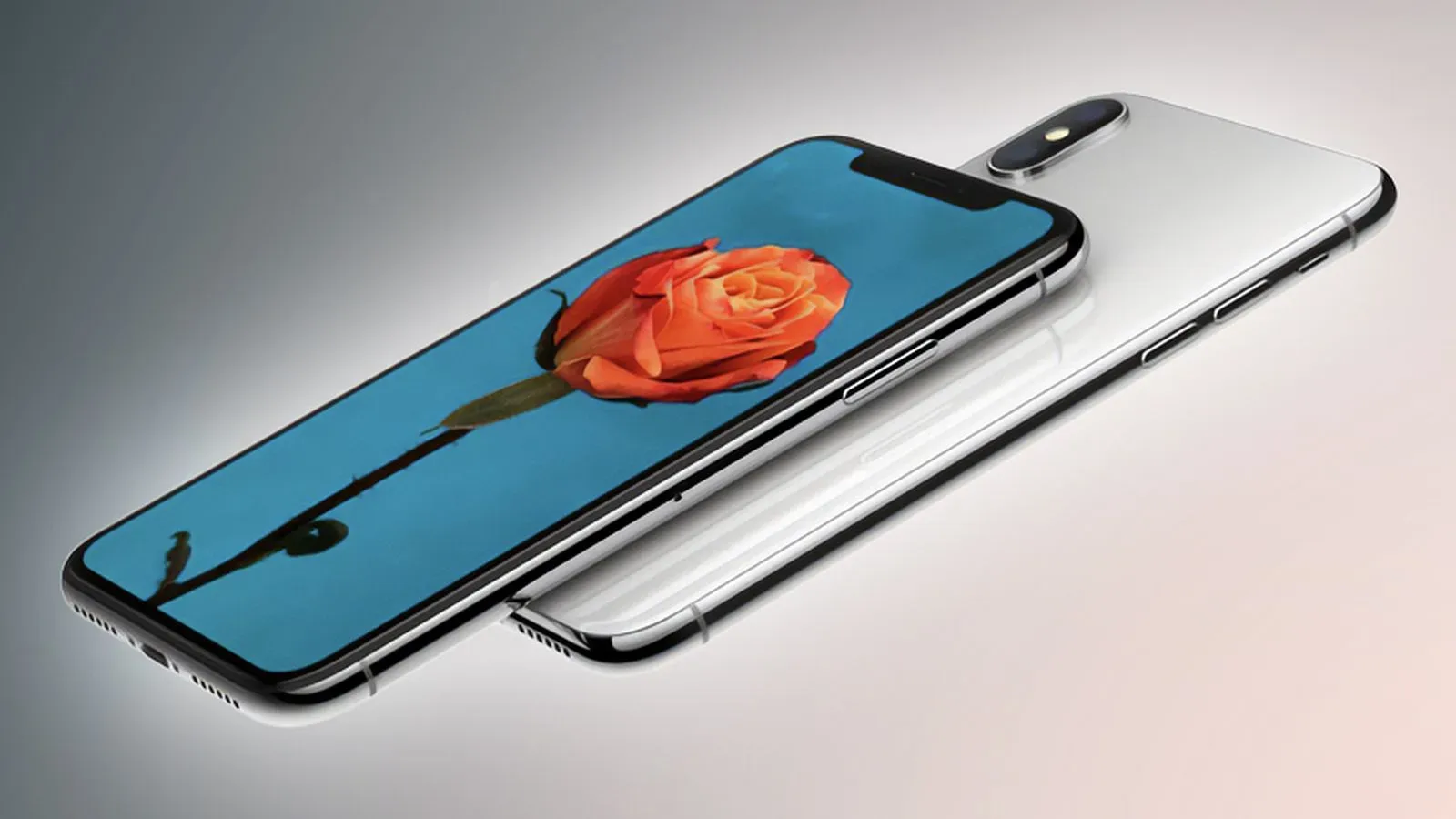
November 3 marks nine years since the iPhone X went on sale in 2017, and it remains one of the clearest dividing lines in recent phone design. Built as Apple’s 10th-anniversary iPhone, it arrived with an OLED display that occupied nearly the entire front, removed the familiar Home button, and made gesture navigation the central way to move through the interface.
Those decisions were bigger than a cosmetic refresh. The iPhone X asked users to abandon a physical control that had defined the iPhone experience for years, then supplied a new visual and behavioral language in its place. A swipe replaced a press. Face ID replaced Touch ID on this model. The screen became the dominant hardware feature rather than a display framed by a button-driven front panel.
That combination helped establish the direction of flagship iPhones that followed. Nine years later, the iPhone X is officially vintage, a status Apple applied in 2024, but its core ideas are much less dated than that label might imply.
The iPhone X’s genuinely consequential changes
The most visible change was the all-screen OLED display. OLED, short for organic light-emitting diode, is a display technology in which pixels emit their own light. In practical design terms, that allowed the iPhone X’s front to be organized around the display rather than a substantial border and Home button beneath it.
“All-screen” should be understood here as a product-design description, not a claim that the front had no camera or sensor area. The iPhone X used a TrueDepth camera system at the top of the screen. That hardware supported Face ID, the device’s facial-authentication system, and created the distinctive interruption in the display silhouette. The trade-off was central to the phone’s identity: more display space and a radically changed front design, paired with a dedicated area for the technology needed to recognize a user’s face.
The missing Home button was arguably the more demanding adjustment. Before the iPhone X, that physical button gave iPhone users an immediate, tactile route home and served as the place for Touch ID authentication on compatible devices. Removing it meant that the operating system had to make navigation understandable without the old hardware landmark.
Apple’s solution was gesture navigation. Instead of relying on a button press to return to the home screen, the interface used screen-edge swipes. That is a deceptively simple shift. A physical button is always present and physically distinct; a gesture depends on the user knowing where to begin and what motion to make. The iPhone X therefore was not merely a new handset body. It was a revised interaction model built around direct manipulation of the screen.
Face ID, TrueDepth and the authentication handoff
The iPhone X introduced Face ID through its TrueDepth camera. In plain terms, Face ID is biometric authentication: it uses a person’s physical characteristics to verify identity, rather than requiring only a password or passcode. On the iPhone X, it took the place of Touch ID, Apple’s fingerprint-based authentication method.
That distinction matters because the move to Face ID tied security and unlocking directly to the phone’s new full-screen structure. With no Home button available for a fingerprint reader, the TrueDepth hardware performed both an architectural and interaction role. It was the foundation for a new method of authentication while the rest of the interface transitioned away from a button-centered design.
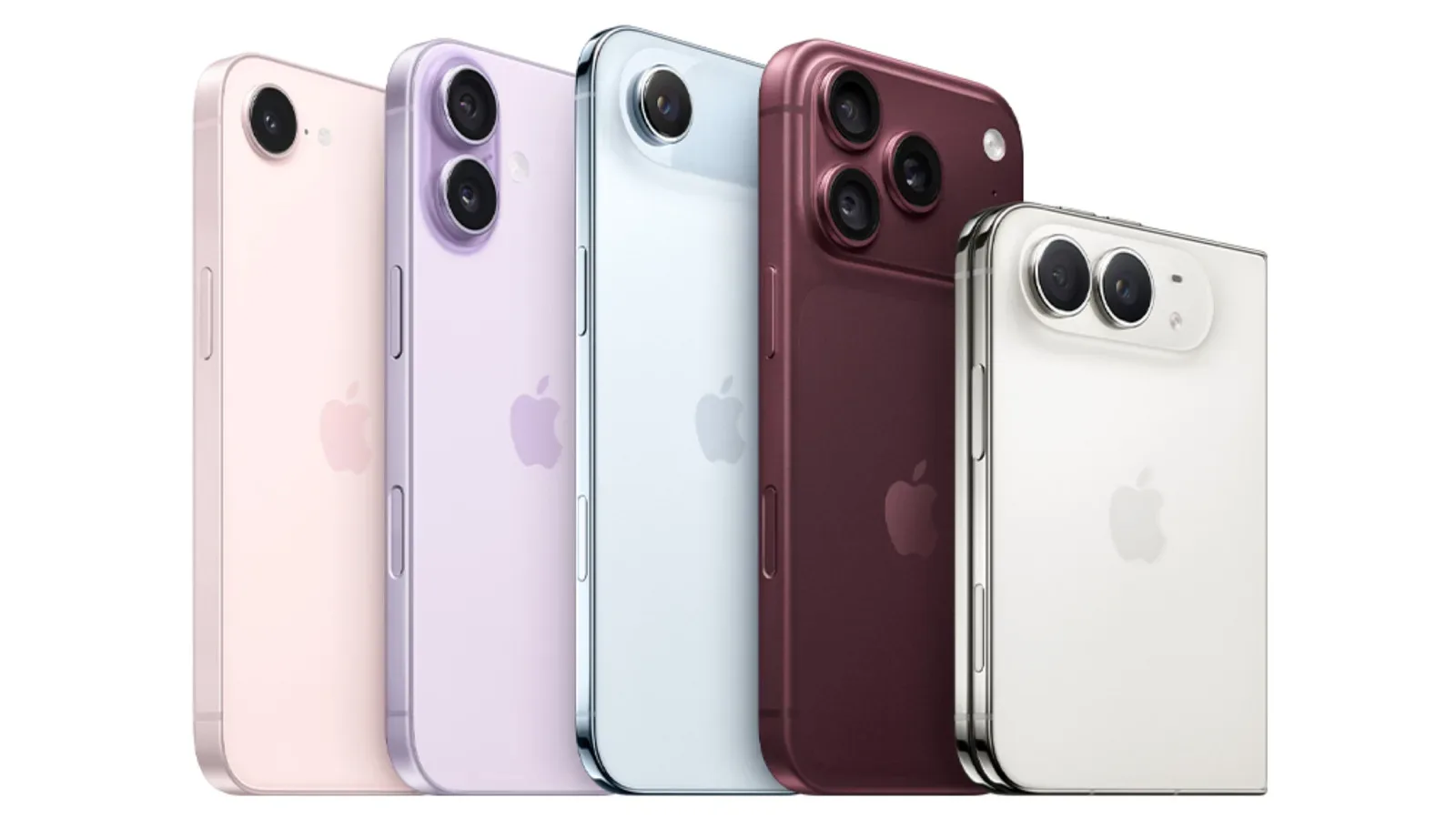
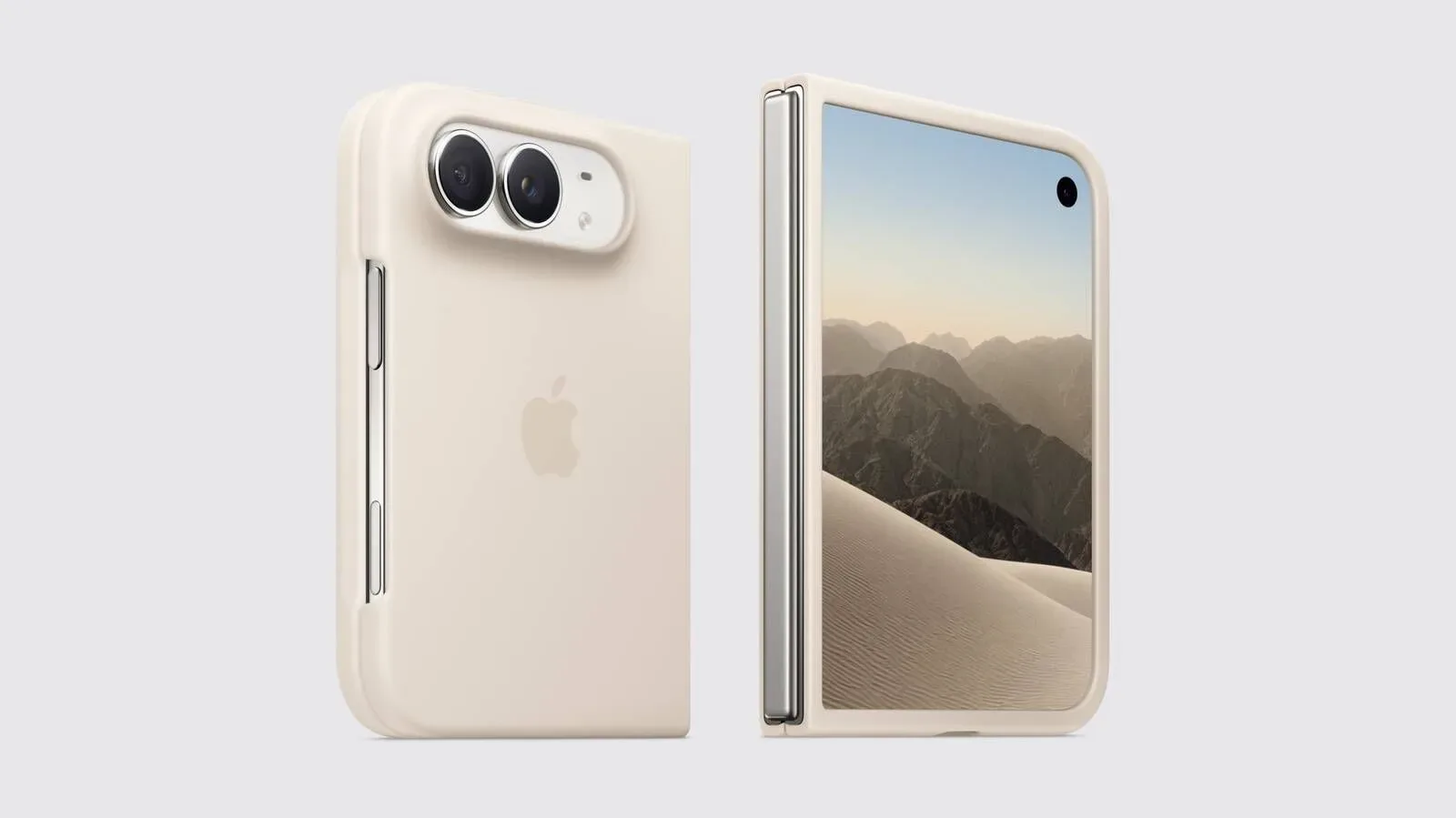
The subsequent history has not been a simple case of one method permanently erasing the other. Touch ID has recently returned to iPhones with the iPhone Duo. For readers following that newer device, the iPhone Duo’s place in Apple’s current phone conversation underlines an important point: biometric methods can be product-specific choices, not a straight ladder where every later model must discard what came before.
That does not weaken the iPhone X’s importance. Rather, it shows why the model deserves to be remembered as a turning point in flagship design rather than as the origin of a permanently fixed feature list. Face ID and gesture navigation shaped the flagship iPhones that followed, while Touch ID’s later reappearance demonstrates that design priorities can change across devices.
A new price landmark, backed by A11 Bionic
The iPhone X was powered by the A11 Bionic chip and was Apple’s first iPhone to begin at $999. Both details frame the device as an intentionally premium anniversary model. The A11 Bionic was the phone’s main processor, handling the computing work behind the device’s software and features. Its inclusion placed the iPhone X’s redesigned exterior alongside a new generation of internal hardware.
The $999 starting price was just as notable because it created a new headline point for an iPhone launch. The price did not define the iPhone X by itself, but it is inseparable from the model’s position as a high-end, technologically ambitious device. Buyers were being offered several significant changes at once: a new kind of display presentation, button-free front design, gesture controls, facial authentication, and a new chip.
It is tempting to treat an anniversary product as a commemorative detour. The iPhone X stands out because its ideas were carried into later flagship iPhones. In that sense, the device did not only celebrate ten years of iPhone history; it established much of the visual and interaction vocabulary for the next stretch of it.
What “vintage” means—and what it does not
Apple classified the iPhone X as vintage in 2024. That status is important for owners because it identifies the model as an older product in Apple’s support lifecycle. It should not be confused with a verdict on historical value, technical influence, or day-to-day desirability for every owner. “Vintage” in this context is a service classification, while the phone’s influence is a separate question.
For anyone still holding an iPhone X, the practical takeaway is to distinguish between those two things. The device is an important milestone in smartphone design, but its vintage classification means owners should be attentive to Apple’s current support options and device condition if they are making decisions about continued use. Historical significance does not itself guarantee repairability or modern software support.
For collectors and technology-history enthusiasts, the case for the iPhone X is clearer: it represents a visible pivot in the iPhone line. Its importance is readily legible even without opening the device. The edge-to-edge OLED approach, the absence of the Home button, and the TrueDepth camera area all signal the transition it introduced. It is a piece of consumer technology whose exterior tells the story of the interaction changes inside it.
Why the ninth anniversary is worth noting
The iPhone X was announced on September 12, 2017, before going on sale on November 3, 2017. The gap between announcement and release is a useful reminder that this was a clearly framed product moment: a 10th-anniversary model designed to set itself apart. Nine years on, that framing has held up because the device’s changes were structural rather than superficial.
A display change alone can be superseded quickly. A new authentication option can remain limited to one model. A revised navigation scheme can be ignored in a later redesign. The iPhone X combined all three kinds of change in a single product, then its gesture navigation and Face ID informed the flagship iPhones that followed. That is why it still has explanatory power for anyone looking at a modern flagship iPhone.
Apple is expected to introduce a redesigned 20th-anniversary iPhone in late 2027. That expectation naturally invites comparisons with the iPhone X, but the comparison should remain measured. The available information identifies a redesign and an anticipated timing, not the future device’s features, specifications, price, or final name. What can be said now is that the iPhone X set a high bar for what an anniversary iPhone can represent: not simply a numbered occasion, but a chance to redirect the product line’s design and interaction model.
That makes the iPhone X more than a nostalgic object. Its 2017 release marked the moment Apple’s flagship iPhone moved from the Home-button era into an all-screen, gesture-led, Face ID-centered identity. Even with Touch ID now appearing again on the iPhone Duo, the iPhone X remains the model that made that transition unmistakable.