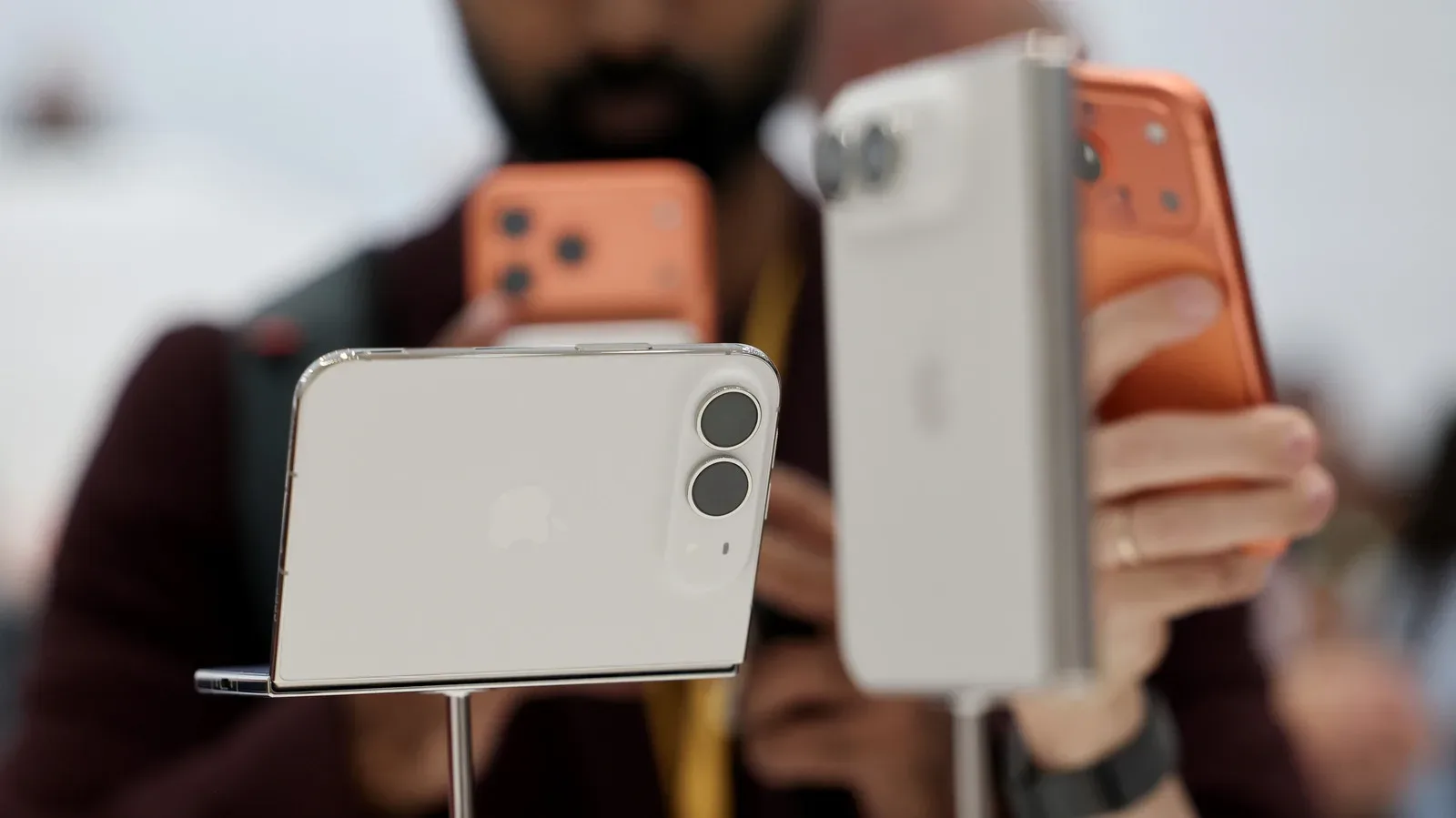
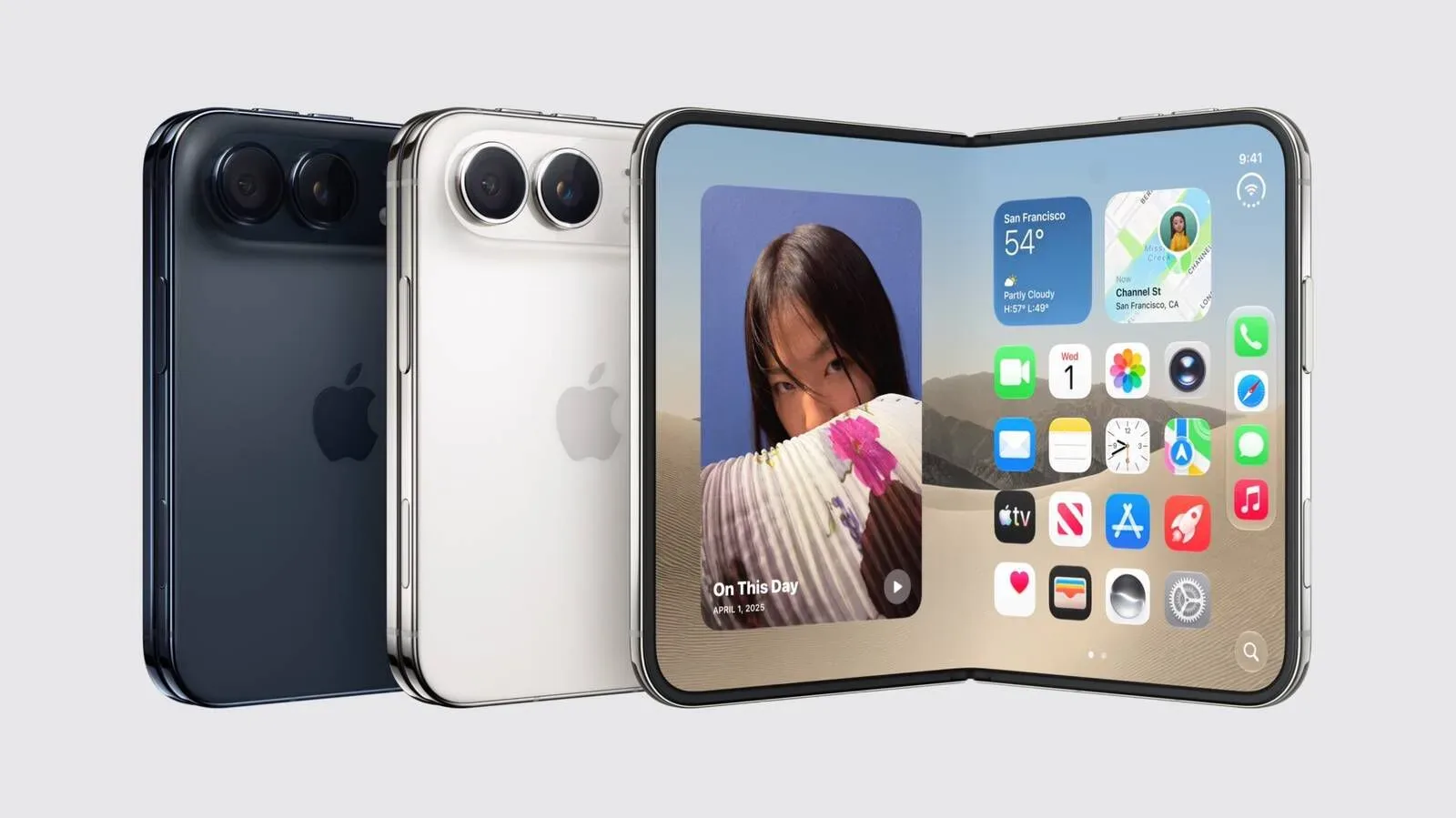
Marques Brownlee has moved back to Apple’s iPhone 18 Pro after spending more than two weeks using the iPhone Duo, the company’s first foldable iPhone. In a recent episode of Waveform, Brownlee pointed to the iPhone 18 Pro’s cameras and Face ID as features he missed during his time with the Duo.
It is not a blanket dismissal of the foldable concept. Brownlee also highlighted exactly what he expects to miss about the iPhone Duo: opening the device, using it in portrait orientation, and reading on its larger screen. That split verdict is arguably the most useful takeaway. The Duo appears to make a strong case for a larger, more adaptable phone display, while the Pro remains the better fit for someone who prioritizes familiar flagship hardware tools.
The foldable trade-off is unusually clear
Apple’s iPhone Duo arrived with strong initial demand, but it makes several hardware concessions relative to the iPhone 18 Pro. Most notably, it has no dedicated Telephoto camera, no Face ID, and no Action button.
Those omissions matter because they affect repeated, everyday actions rather than an obscure specification-sheet contest. A dedicated Telephoto camera is a separate camera designed for more distant subjects. For people who often shoot concerts, sports, travel details, pets from across the room, or any scene where physically stepping closer is not possible, that capability can change what photos are practical to take.
Face ID, meanwhile, is Apple’s facial-authentication system. Its absence means the iPhone Duo does not offer the same face-based unlocking and authentication approach available on the iPhone 18 Pro. That may sound like a small difference until it is encountered throughout a day: unlocking the phone, approving an app action, or confirming a purchase. Brownlee’s decision suggests that convenience remains a major part of the Pro model’s value, even beside the appeal of a folding display.
The Action button is a physical control intended to provide a quick shortcut. Although it is less foundational than a camera system or biometric authentication, leaving it out is another example of how a first-generation foldable may prioritize its central design challenge over the full collection of convenience hardware found on a conventional flagship.
Why the Duo’s big screen still has a persuasive case
The iPhone Duo’s advantage is not simply that it is larger. Its defining proposition is that it can be compact when closed and become a more expansive device when opened. Brownlee specifically called out portrait use and reading, two cases that show why foldables have appeal even when they cannot match every feature of a non-folding Pro phone.
Reading is particularly revealing. A larger screen can make articles, documents, chats, web pages, and long-form text feel less constrained than they do on a standard phone-sized panel. Opening a device to gain that space is a different habit from carrying a separate tablet, and that flexibility is the key attraction—not just raw screen area.
For game players, the same basic logic may be appealing. More display room can make touch controls less crowded and can provide more breathing room for interfaces, maps, inventories, dialogue windows, and streamed game video. But screen size alone does not determine whether a foldable is the right gaming device. Buyers should distinguish between the appeal of a roomy unfolded display and the camera, authentication, and physical-control priorities that led Brownlee back to the iPhone 18 Pro.
There is also an important difference between appreciating a device and choosing it as a daily phone. Brownlee’s remarks leave room for both: the iPhone Duo seems to offer an experience he will miss, yet its trade-offs were significant enough that he returned to the Pro. That is a more informative result than treating either device as an automatic winner.
What prospective buyers should take from this
The choice between these two iPhones is best framed around habits, not novelty. The iPhone Duo’s folding form factor may have special value for people who routinely read, use a phone in portrait on a larger canvas, or simply enjoy the transformation from a compact device into a bigger display. The iPhone 18 Pro’s strengths are clearer for those who consider camera versatility and Face ID essential parts of the phone experience.
- Prioritize the iPhone 18 Pro’s approach if: a dedicated Telephoto camera, Face ID, and the Action button are features you would notice losing.
- Consider the iPhone Duo’s approach if: opening a phone into a larger screen would materially improve how you read and use apps in portrait.
- Do not reduce the decision to “new versus old”: the Duo is a different form factor with real benefits, but its design entails feature compromises compared with the Pro.
That last point is particularly relevant to first-generation hardware. A new category can be exciting precisely because it enables a new behavior—in this case, unfolding a phone for a larger viewing area. It does not follow that it will satisfy every use case better than an established flagship design. Brownlee’s switch back illustrates how quickly the missing tools become visible when the device is used as a primary phone rather than sampled briefly.
A useful reminder for gaming and media use
Consumers often evaluate mobile devices through one standout feature: a screen, a camera, a design, or a new interaction. The iPhone Duo’s larger unfolded display is the obvious headline feature, and it has a credible use in reading and potentially in media or games. Yet a phone is also the device used for photographs, security checks, shortcuts, messaging, and countless other small routines.
For players who already use Apple hardware alongside tablets or computers, the distinction is worth keeping in mind. A foldable can potentially handle more of the “larger screen” role on the move, while a Pro phone may remain preferable for people who value the complete camera and authentication toolkit in their pocket. Apple’s wider device strategy remains relevant here as well: the company has said it does not intend to merge iPadOS and macOS, as covered in its stated position on iPadOS and macOS. Different Apple devices and form factors are still being positioned around different kinds of use, rather than as interchangeable versions of one machine.
Brownlee’s experience does not establish a universal answer for the iPhone Duo. It does, however, identify the practical question that matters most: is the benefit of a fold-out larger display worth giving up the Pro hardware features you use most? For him, after more than two weeks, the answer was no—despite finding plenty to like about the Duo’s reading experience and foldable design.