
Newsmax has filed an antitrust lawsuit seeking to block Fox’s acquisition of Roku, arguing that the completed transaction hands Fox unlawful power over free ad-supported streaming television and places a competing news outlet’s distribution at risk.
The complaint, filed in the Northern District of California, follows Fox’s closure earlier this month of its $22 billion Roku acquisition. The Department of Justice cleared the transaction on the same day it closed, with Fox making commitments intended to preserve Roku as an “open and neutral” platform. Newsmax’s central objection is that those commitments do not provide an enforceable safeguard against a platform owner disadvantaging a rival.
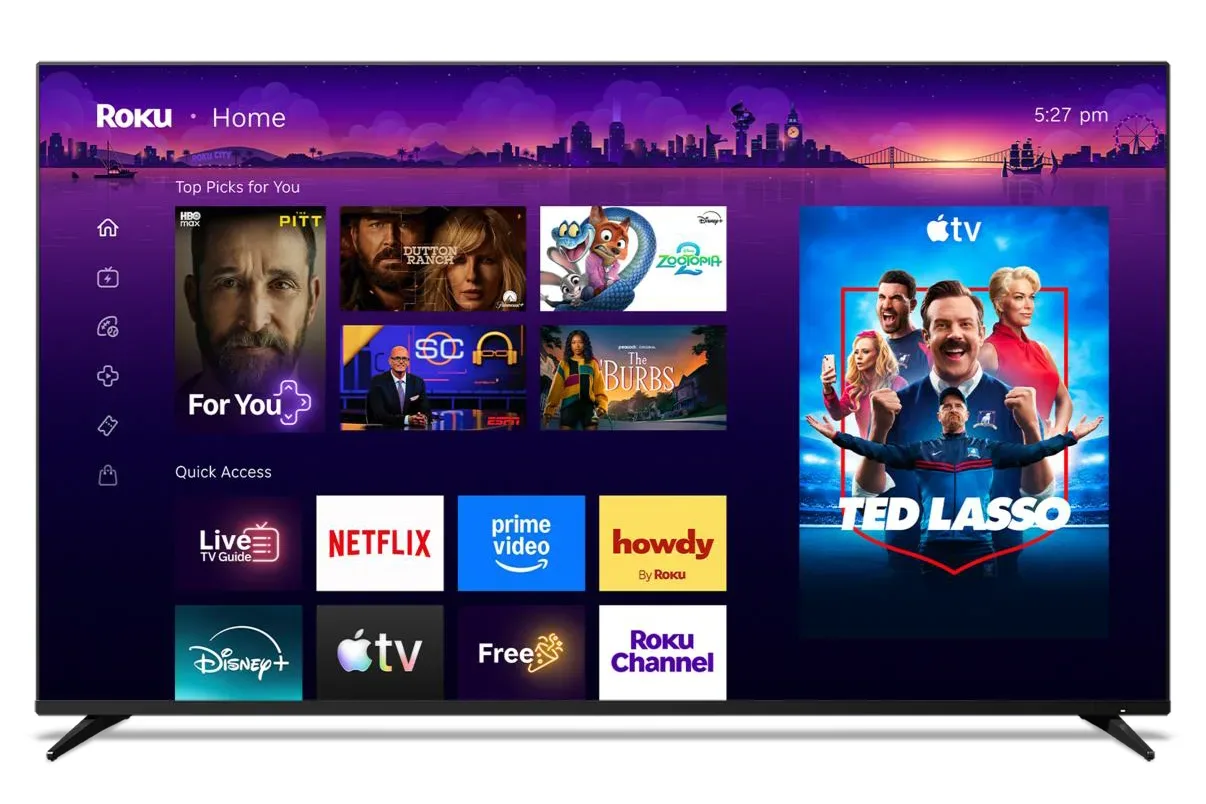
For gaming and broader entertainment audiences, the dispute is fundamentally about the gatekeeping power behind the screen. Roku is not simply another individual streaming service in Newsmax’s argument: it is a platform and a route through which viewers discover, install and watch many services. Tubi and The Roku Channel, meanwhile, are free, advertising-supported destinations in their own right. Combining a device-and-platform business with major viewing destinations is the overlap that Newsmax says creates the competitive problem.
What Newsmax is asking a court to do
Newsmax is attempting to stop the merger through private antitrust litigation after the acquisition has already closed. That procedural fact matters. The company is not merely voicing concern about a possible deal; it is asking a federal court to intervene in a transaction that regulators already allowed to proceed and that Fox says it has begun integrating.
Newsmax alleges that Fox will control roughly 70% of the free, ad-supported streaming TV market through Roku and Tubi. That is an allegation in its complaint, not a market-share finding established by a court in the material available so far. The percentage will be an important point of contention if the case progresses, because antitrust claims generally depend heavily on how the relevant market is defined and whether a company actually has the power attributed to it in that market.
The company’s concern is especially direct: Newsmax says Fox already does not carry it on Tubi, Fox’s free streaming service. With Roku now under Fox ownership, Newsmax argues that its access to a further important distribution channel could be degraded.
“No single media company should have the power to determine which news voices Americans can see or hear,” Newsmax CEO Christopher Ruddy said in a statement.
Ruddy also argued that Fox’s existing position in cable news, combined with ownership of technologies and platforms used to reach viewers, gives the company too much control over access to news and information.
FAST, explained: the market at the heart of the complaint
The litigation concerns what is commonly called FAST: free ad-supported streaming television. In this model, viewers can watch programming without a traditional subscription fee, while advertising finances the service. The free component is significant because it distinguishes these offerings from paid streaming subscriptions, just as the advertising component distinguishes them from services supported mainly by monthly memberships.
Newsmax’s framing places Roku and Tubi in the same competitive picture. Roku can be understood in two roles relevant to the case: a platform through which users reach apps and channels, and an owner of The Roku Channel. Tubi is Fox’s free streaming service. Newsmax says that bringing those operations under one corporate owner makes Fox an outsized force in the FAST space.
The case is not based only on whether Fox owns popular destinations. It is also about whether ownership of a route to those destinations could influence competition. In practical terms, a distributor or platform can matter to a publisher because it affects whether viewers can find and receive that publisher’s programming. Newsmax contends that Fox’s new ownership gives it a greater ability and incentive to harm a competitor’s reach.
That distinction is useful beyond news programming. Distribution questions increasingly affect every kind of screen-based entertainment, including the services that carry games, video programming and live content. A consumer may think of an app, a channel or a service as the product they chose. A competition dispute can instead turn on the machinery that determines how readily that product gets to the viewer.
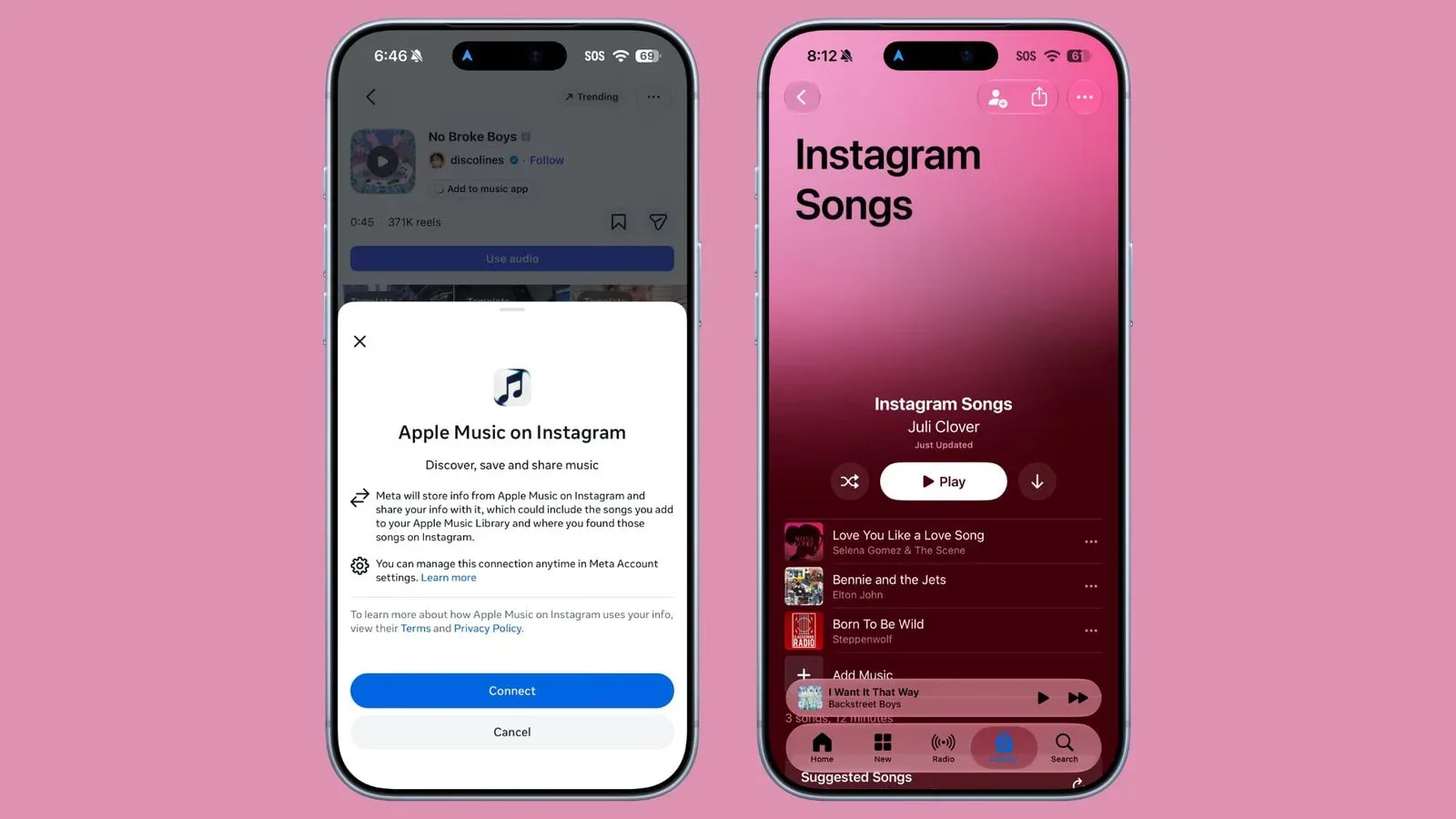
The broader technology industry has plenty of reasons to watch how platforms shape user choice. Recent platform integrations and partnerships can alter how media moves between services; for another example of a platform-to-platform feature change, see Instagram’s option to save songs directly to Apple Music playlists. The Fox-Roku case is far more legally consequential, but both illustrate why access points and integrations can be strategically important.
Newsmax’s theory of harm
Newsmax alleges a history of anticompetitive conduct by Fox toward the company. The complaint specifically points to Tubi’s lack of Newsmax carriage. It argues that Fox’s ownership of Roku and The Roku Channel raises a clear risk that Newsmax content will receive worse distribution treatment.
In antitrust language, the concern is not simply that the parties are competitors. Newsmax argues that a company with a major position in the relevant free-streaming market may gain the capacity to limit a competitor’s access to customers. The claimed harm, as laid out by Newsmax, is the prospect that a rival news voice becomes harder for consumers to obtain through services and technology now controlled by Fox.
The lawsuit also challenges the practical value of the commitments made when the Justice Department cleared the acquisition. Regulators said Fox had made commitments to keep Roku “open and neutral.” Newsmax’s filing alleges those promises are unenforceable. That claim goes to the remedy rather than just the merger’s scale: even if a company promises non-discriminatory platform treatment, a challenger may argue that the promise is insufficient if it cannot effectively be enforced.
It is important to separate those claims from proven facts. The complaint sets out Newsmax’s allegations and anticipated risks. The supplied information does not establish that Roku has already restricted Newsmax following the acquisition, nor does it describe specific terms of Fox’s commitments or how they might be policed. Whether Newsmax can substantiate its market definition, its 70% estimate, its theory of exclusion and the inadequacy of the commitments will be core questions for the court.
Fox says the deal was rigorously reviewed and approved
Fox rejects the suit. A company spokesperson said the complaint lacks merit, emphasizing that regulatory agencies conducted a rigorous review before approval. Fox also said that, after closing the acquisition, it began actively integrating the transaction for the benefit of consumers, partners and other stakeholders.
That response underscores the immediate tension in the case. On one side, Newsmax says approval and corporate commitments do not eliminate the danger that Fox can control a key distribution route for a rival. On the other, Fox points to the completed regulatory process and its integration work as evidence that the deal has already received the necessary scrutiny.
Regulatory clearance is plainly important context, but it does not itself resolve the private lawsuit. Newsmax is bringing its own challenge in federal court. At the same time, the fact that the Justice Department permitted the deal to close gives Fox a significant argument that the transaction underwent review and was allowed to proceed with stated commitments.
A separate Newsmax-Fox case remains unresolved
The new action arrives while another antitrust dispute between the two companies remains active procedurally. Last year, Newsmax sued Fox in federal court in Florida, accusing Fox of using unlawful, aggressive negotiating tactics to limit Newsmax’s ability to obtain broader cable and satellite carriage.
That earlier complaint was quickly dismissed by Judge Aileen Cannon as an impermissible “shotgun” pleading. The phrase refers to a pleading problem in which claims and allegations are presented in a manner that makes it difficult to identify precisely which facts support which legal claim. A dismissal on that basis does not amount to a court finding that the underlying competitive allegations are true or false; it means the complaint was inadequate in its form.
Newsmax later refiled the separate lawsuit in Wisconsin. A judge granted Fox’s request to transfer the action back to Florida. Discovery is currently on hold while a motion to dismiss is pending.
That history does not decide the new challenge to the Roku transaction, which has been filed in California and concerns a different set of alleged harms. It does, however, show that the companies’ dispute extends beyond FAST streaming. The earlier action concerns cable and satellite distribution negotiations, while the newer case is focused on the consequences of Fox owning Roku along with its existing Tubi business.
What to watch next
The immediate legal question is whether Newsmax can move past the initial stages of the case and support its assertion that the combined company has monopoly power in a properly defined free ad-supported streaming market. Its allegation of approximately 70% control through Roku and Tubi will likely be central, as will the court’s assessment of what services belong in that market.
The case will also put attention on the difference between owning content, owning a free streaming destination and owning the platform that gets services in front of viewers. Newsmax’s lawsuit treats those roles as mutually reinforcing. Fox’s response, so far, stresses that the acquisition was reviewed and approved, and that integration is underway.
No outcome has been determined. The transaction has closed, the Justice Department cleared it with open-and-neutral commitments, and Newsmax is now seeking judicial intervention on the grounds that those protections are not enforceable and that the combination threatens its access to viewers. For anyone following the economics of streaming platforms, it is a high-stakes test of how much control a company may hold across both content destinations and the channels people use to reach them.