Fox’s proposed acquisition of Roku has cleared a major corporate hurdle: shareholders of both companies have voted in favor of the transaction. The deal values Roku at approximately $22 billion and, if it receives the remaining regulatory approvals, would put a major TV-focused media company in control of one of the most prominent streaming-platform businesses.
The shareholder votes do not mean the acquisition is complete. Fox currently expects the transaction to close in the first half of calendar 2027, but that timetable remains dependent on review by the U.S. Department of Justice and other regulators. Final vote totals are expected to appear in regulatory filings.
Under the agreement announced in June, Fox would pay Roku shareholders $160 per share. The consideration is structured as roughly $14.2 billion in cash, with the remaining value delivered in Fox Class A common stock. That mix matters because a stock component ties part of the consideration to Fox shares rather than making the entire payment an immediate cash purchase.
What the shareholder approvals actually settle
In a public-company acquisition, shareholder approval is the owners’ formal authorization for the company to proceed under the terms presented to them. Fox and Roku held separate special meetings, and a majority of the shares represented by each company’s investors supported the deal.
That clears the internal ownership vote, but it is distinct from government review. Regulators assess whether a merger could harm competition, while shareholders are deciding whether to approve the transaction as a corporate matter. A favorable vote therefore moves the deal forward without removing the possibility of conditions, delay or a blocked deal during the regulatory process.
For Fox, the vote confirms support for a sizable strategic expansion beyond its existing media operations. For Roku, it approves a path from a standalone streaming-platform company to part of a larger combined business, assuming the transaction can close.
The DOJ’s second request and the waiting period
The Justice Department has issued a second request for information and documents. In plain terms, that is a deeper information-gathering step in an antitrust review. It asks the companies to provide more material before the government decides whether it has competition concerns that need further action.
The request extends the waiting period under the Hart-Scott-Rodino antitrust process. After Fox and Roku have substantially complied with the request, there is an additional 30-day period in which the parties are barred from completing the acquisition. That does not itself say the deal will be rejected or approved. It means the review remains active and the companies cannot close immediately once they respond.
Related coverage includes Fox and Roku Shareholders Approve $22 Billion Acquisition.
Hart-Scott-Rodino is the U.S. pre-merger notification framework that gives antitrust authorities time to review certain large transactions before they are finalized. The essential practical point for viewers, partners and investors is that the shareholder vote is one checkpoint, while the federal review is another—and the latter still controls whether the expected first-half 2027 completion date is achievable.
Why Roku changes the shape of Fox’s streaming business
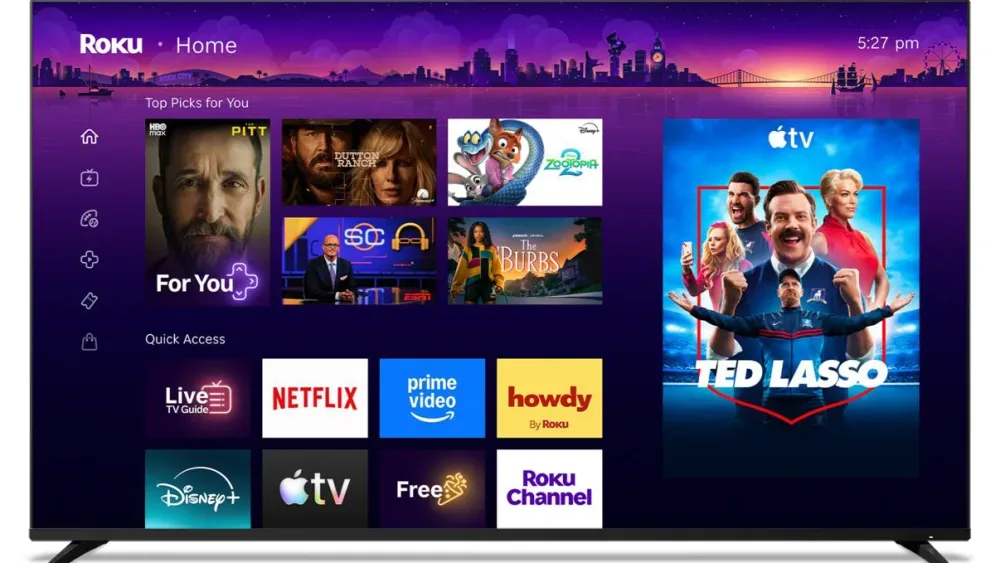
The transaction would substantially broaden Fox’s position in streaming video. Fox already operates Tubi, while Roku operates both a TV-centric platform and the Roku Channel. Together, those pieces would give the combined company a larger presence in free, ad-supported streaming television as well as digital video advertising and premium subscription video-on-demand distribution.
Free ad-supported streaming, often shortened to FAST, refers to video programming that viewers can watch without a traditional subscription fee, with advertising supporting the service. The significance here is scale: bringing Tubi and the Roku Channel under the same corporate umbrella could give Fox more reach across advertising-supported viewing.
The deal is also about distribution, not just about individual streaming services. Roku’s business sits close to the television interface through its streaming platform, while the Roku Channel is a viewer-facing destination. In broad terms, that means Fox is seeking a larger role in how video is presented, monetized and distributed across connected-TV viewing.
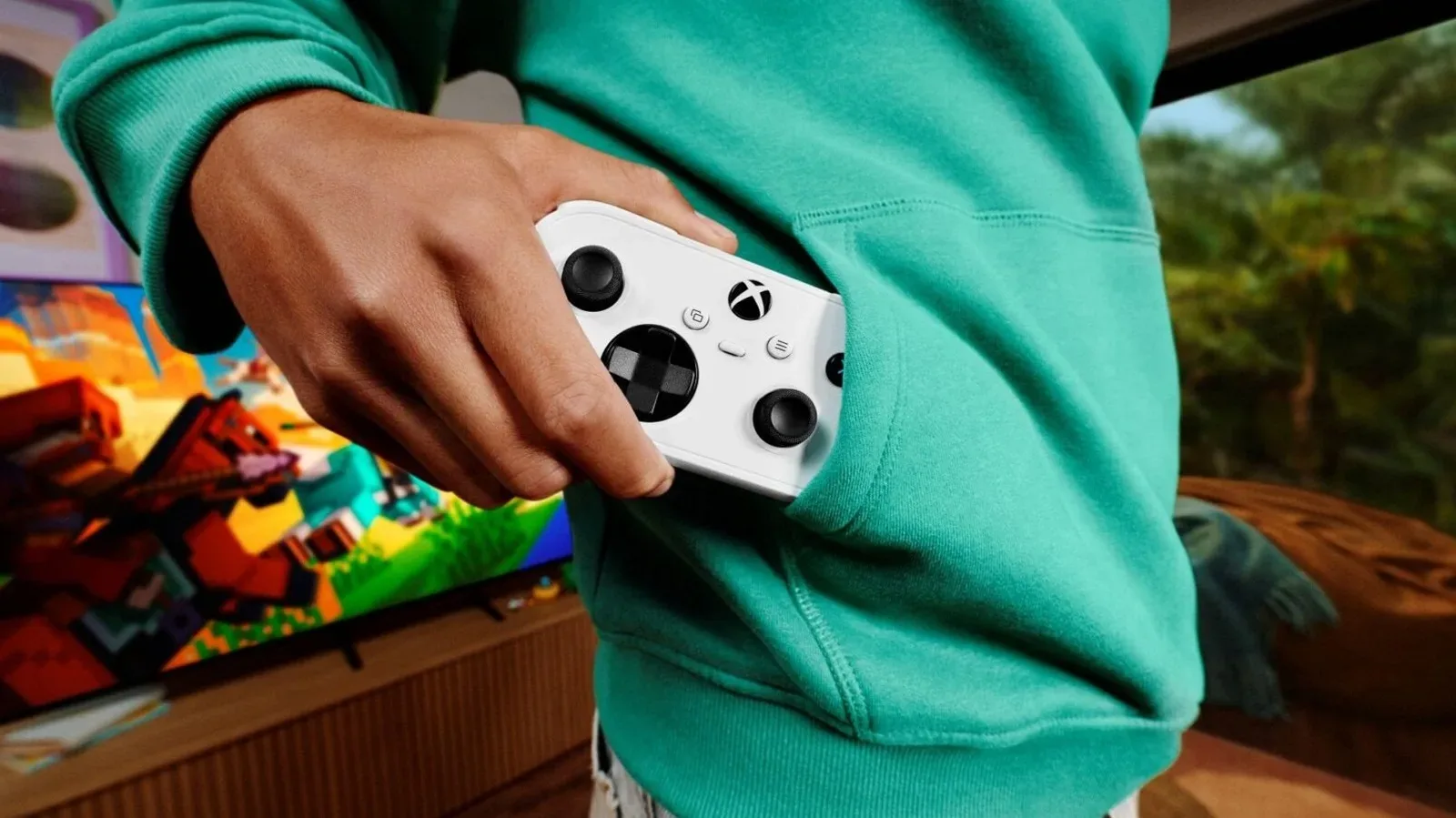
That connected-TV role intersects with a larger living-room technology landscape that also includes game hardware and accessories designed for TV play. For another example of how companies are framing the television as a flexible gaming endpoint, see the Xbox Nano Controller’s focus on phones and TVs. The Fox-Roku transaction is a media-business story rather than a gaming hardware announcement, but both point toward continued competition for attention on the biggest screen in the home.
Open platform promise will be closely watched
Fox has said it intends to continue operating Roku as an open, partner-friendly platform. That commitment is important because a platform business connects viewers with many outside services and commercial partners, not just with programming owned by its parent company.
An open platform in this context means a service that continues to accommodate a broad range of partners rather than functioning solely as a channel for the owner’s own entertainment products. The supplied information does not establish what specific operational commitments Fox will make after closing, nor does it describe any changes to the Roku experience. Still, the stated intention provides an early standard against which the combined company’s future decisions can be measured.
The question is particularly relevant because Fox would have incentives on several fronts at once: expanding Tubi’s position, developing the Roku Channel, growing digital video advertising and participating in subscription-video distribution. Maintaining a partner-friendly platform while pursuing those businesses would be a central balancing act, not a minor detail of the acquisition.
Leadership and the remaining checkpoints
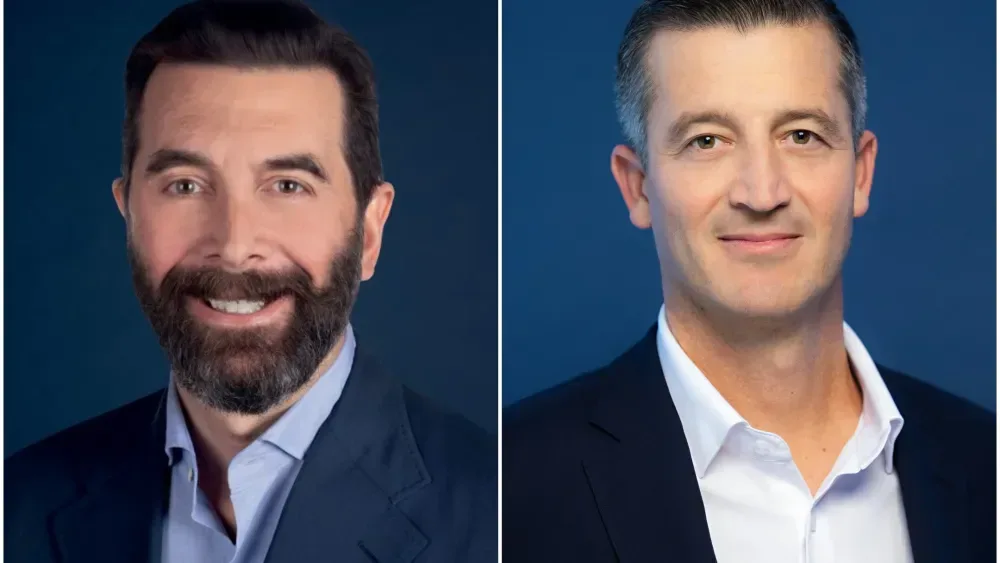
Roku founder and CEO Anthony Wood is expected to retain an ongoing role at the combined company. Fox CEO Lachlan Murdoch has described the acquisition as a move into high-growth areas and a step change in the company’s growth profile.
Those goals explain the logic of the transaction, but they are not the same as completed outcomes. The record so far establishes the proposed price, the shareholder endorsements, the ongoing government review and Fox’s stated operating intentions. It does not establish post-close product changes, programming plans, advertising changes, partner arrangements or the exact role Wood will hold.
For now, the most accurate reading is straightforward: corporate owners on both sides have approved the $22 billion deal, while the legal and regulatory process remains unfinished. The next meaningful milestone will be the outcome of the required government clearances and whether they allow Fox and Roku to meet their current first-half 2027 target.