Fox has named Paul Cheesbrough co-chair and CEO of Fox Digital Platforms, a newly organized division that will contain Roku operations alongside Tubi, Red Seat Ventures and other digital businesses following Fox’s $22 billion purchase of Roku. Roku founder Anthony Wood will join Fox’s board and serve as co-chair of the unit with Cheesbrough.
The leadership arrangement puts a longtime digital-media and technology executive at the center of Fox’s effort to connect a major connected-TV platform with streaming services, live sports and news programming, advertising operations, and a group of adjacent digital businesses. It is a consequential reorganization because Roku is not simply another streaming app: it is a consumer gateway used to reach programming over streaming and broadband connections.
For audiences, advertisers and media companies, the practical significance lies in the potential combination of distribution, programming and advertising under one corporate roof. Fox is framing the new structure around a connected-TV platform, direct-to-consumer services and a broader technology operation. The company has also made clear that some decisions remain unresolved as its combined operation takes shape.
What Fox Digital Platforms will oversee
The new division will be structured around several leadership groups. Mustafa Ozgen will lead Roku as CEO. Pete Distad will lead Fox’s direct-to-consumer portfolio, which includes Tubi, Fox One and Frndly TV. Chris Balfe will continue to lead Red Seat Ventures, while Robert Humann will lead financial-technology company Credible.
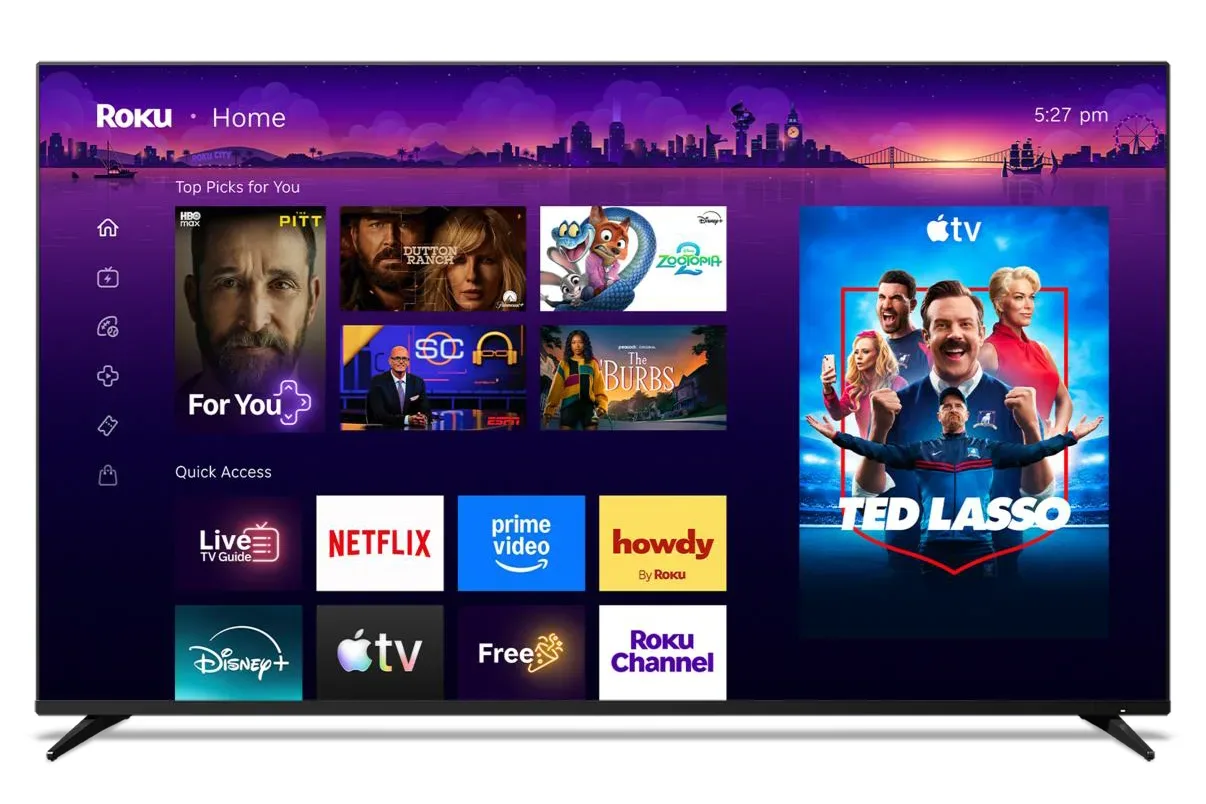
That design distinguishes between a platform business and content services, even as both are housed within the same broader division. A connected-TV platform is the software and service layer through which users find, launch and watch programming on internet-connected televisions and related devices. In this case, Roku’s role is central because it serves as one of the portals consumers use to access programming.
Direct-to-consumer, often shortened to DTC, refers to a media company making a service available directly to viewers rather than relying only on traditional distributors. Tubi, Fox One and Frndly TV therefore sit in a different operational lane from Roku, while still being closely relevant to a strategy built around online viewing.
The setup also gives Distad a sizable set of responsibilities. Mike Bidgoli has been promoted to president of Tubi and will report to Distad. Frndly TV co-founder and CEO Andy Karofsky will also report to him, as will Lisa Holme, head of content for The Roku Channel. Those reporting lines suggest an effort to coordinate the content and service side of the digital portfolio without changing the stated leadership of Roku itself.
Cheesbrough and Wood share the top role
Cheesbrough’s appointment builds on a career that began in software engineering at IBM and later included digital-product work at the BBC and Telegraph Media Group. Before this expanded role, he had served as Fox’s chief technology officer and president of digital. His work at Fox has included a methodical move toward direct-to-consumer businesses and content agreements with independent hosts.
Related coverage includes Paul Cheesbrough Named CEO of Fox Digital Platforms After Roku Deal.
Wood brings the Roku perspective to the co-chair position. As Roku’s founder and former chairman and CEO, he will become a Fox board member in addition to working alongside Cheesbrough. The dual leadership model places the executive associated with Roku’s development beside an executive whose Fox career has focused on technology and digital expansion.
“Together we have premium live sports and news, a growing streaming portfolio, and a leading connected TV platform,” Cheesbrough and Wood said in a message to employees. “More importantly, we have talented teams who know how to build, innovate, and deliver for viewers, partners, and advertisers.”
The statement matters because it identifies the three pillars Fox sees in the combined company: programming with particular emphasis on sports and news; a group of streaming products; and Roku’s connected-TV presence. Those pieces have different customers and economics, but they intersect around the living-room screen and advertising.
Leadership departures accompany the integration
The reorganization also includes several high-profile exits. Anjali Sud, Tubi’s CEO, is leaving for a role outside the company but will assist during a transition period. Charlie Collier, president of Roku Media, is departing as well. Collier had worked on Roku’s original-content and advertising operations.
Chris Handman, Roku’s general counsel, and Robyn Peterson, executive vice president at connected-TV technology platform AdRise, are also leaving the combined company. Elsewhere, Jeff Dow, Fox’s executive vice president of platform and media technology, will retire at the end of the fiscal year.
Not every technology leadership post is changing. Melody Hildebrandt will remain chief technology officer. Fox’s advertising sales organization will report to Jeff Collins, the company’s president of ad sales. Taken together, the moves show both consolidation and continuity: leaders have been assigned over the major operating groups, while some existing technology and sales responsibilities remain in place.
Why the Roku piece is especially important
The most important distinction in the new organization is between owning programming and owning a route through which viewers discover programming. Tubi, Fox One and Frndly TV are services viewers may choose to watch. Roku, by contrast, operates a primary access point that helps consumers reach favorite programming across streaming and broadband connections.
That is why connected TV has become such a meaningful term in the media business. It is not merely a description of a television set being online. It describes an environment where software interfaces, apps, content discovery, advertising and viewing behavior meet. For a company with sports, news and entertainment offerings, a major platform can potentially bring distribution and ad technology closer to its own streaming ambitions.
The supplied details do not describe product changes, app integrations, programming commitments or advertising packages that viewers should expect. It would therefore be premature to treat the corporate structure itself as a promised change to what appears on a Roku device or inside a Fox-owned streaming service. What has been announced is the management framework: Roku has a CEO in Ozgen; the DTC group is led by Distad; and Cheesbrough and Wood are jointly leading the larger Fox Digital Platforms division.
That distinction is useful for anyone following digital entertainment. An acquisition and executive reshuffle can establish the authority to pursue new product or content strategies, but it does not automatically reveal which of those strategies will be chosen. The executives acknowledged that uncertainty directly.
“We won’t have every answer on Day 1,” Cheesbrough and Wood said. “We’ll share decisions as they’re made, be clear about what’s still open, and keep moving.”
What it could mean for viewers, partners and advertisers
Fox’s stated priorities are to build products, serve viewers and partners, and support staff through the transition. The intended audiences are broader than subscribers alone. A platform operator needs to account for viewers navigating to content, programming partners seeking distribution, and advertisers seeking ways to reach people in connected-TV environments.
For viewers, the immediate confirmed change is organizational rather than a new feature or service. The deal brings a platform that people use to access programming together with Fox’s streaming portfolio and established live sports and news assets. Whether that leads to visible changes in discovery, promotions, content availability or ad experiences has not been specified.
For industry partners, the arrangement combines multiple points in the streaming ecosystem. Roku provides a route to audiences; Tubi, Fox One and Frndly TV represent direct consumer services; The Roku Channel has content leadership reporting into the DTC group; and Fox’s ad sales operation has a defined reporting destination under Collins. The value of the model will depend on how those units work together after the transition, not merely on their placement in an org chart.
For advertisers, the combination highlights why connected TV is a strategic battleground. Streaming services carry video programming, while a platform can be involved earlier in the viewer’s journey as they browse and select what to watch. Fox has not detailed new advertising offerings, but its decision to have ad sales report to its existing president of ad sales indicates that advertising remains a company-level priority during the integration.
Analysis: a platform-first expansion with unanswered execution questions
The clearest read on Fox’s new structure is that it is trying to organize its digital future around more than any single channel or app. Roku is the centerpiece, but it sits alongside a portfolio that includes free streaming through Tubi, Fox One, Frndly TV, The Roku Channel’s content operation, Red Seat Ventures and Credible.
Cheesbrough’s technology background makes his elevation notable. Fox is handing its new digital division to an executive with experience in software, digital products and the company’s move toward direct-to-consumer services. Wood’s role preserves direct founder-level participation from Roku inside the new parent company. The co-chair arrangement can offer continuity during a major change, although Fox has not provided a fuller division of day-to-day responsibilities beyond the operating CEOs it named.
The announced departures underline that integration is not only about combining assets. It also changes who will guide areas including streaming leadership, Roku Media, legal affairs and connected-TV technology. Bidgoli’s promotion at Tubi, Holme’s reporting line to Distad, and Hildebrandt’s continued role as CTO provide some of the clearest signals of where Fox is retaining operational continuity.
The gaming audience is already familiar with how much the screen in front of a player can be shaped by platforms, storefronts and discovery systems, rather than content alone. Streaming television has a comparable platform layer. For a separate example of how product releases are communicated across digital ecosystems, see our coverage of Dice Have No Eyes reaching 1.0 on PC.
For now, the confirmed story is a leadership map. Cheesbrough will lead Fox Digital Platforms as CEO and co-chair; Wood will join him as co-chair and become a Fox board member; Ozgen leads Roku; Distad leads the direct-to-consumer grouping; and Fox is navigating executive transitions as it combines the businesses. The next meaningful developments will be the decisions the company says are still open—and whether its platform, content and advertising teams can turn the new structure into products and experiences that are clear to consumers.