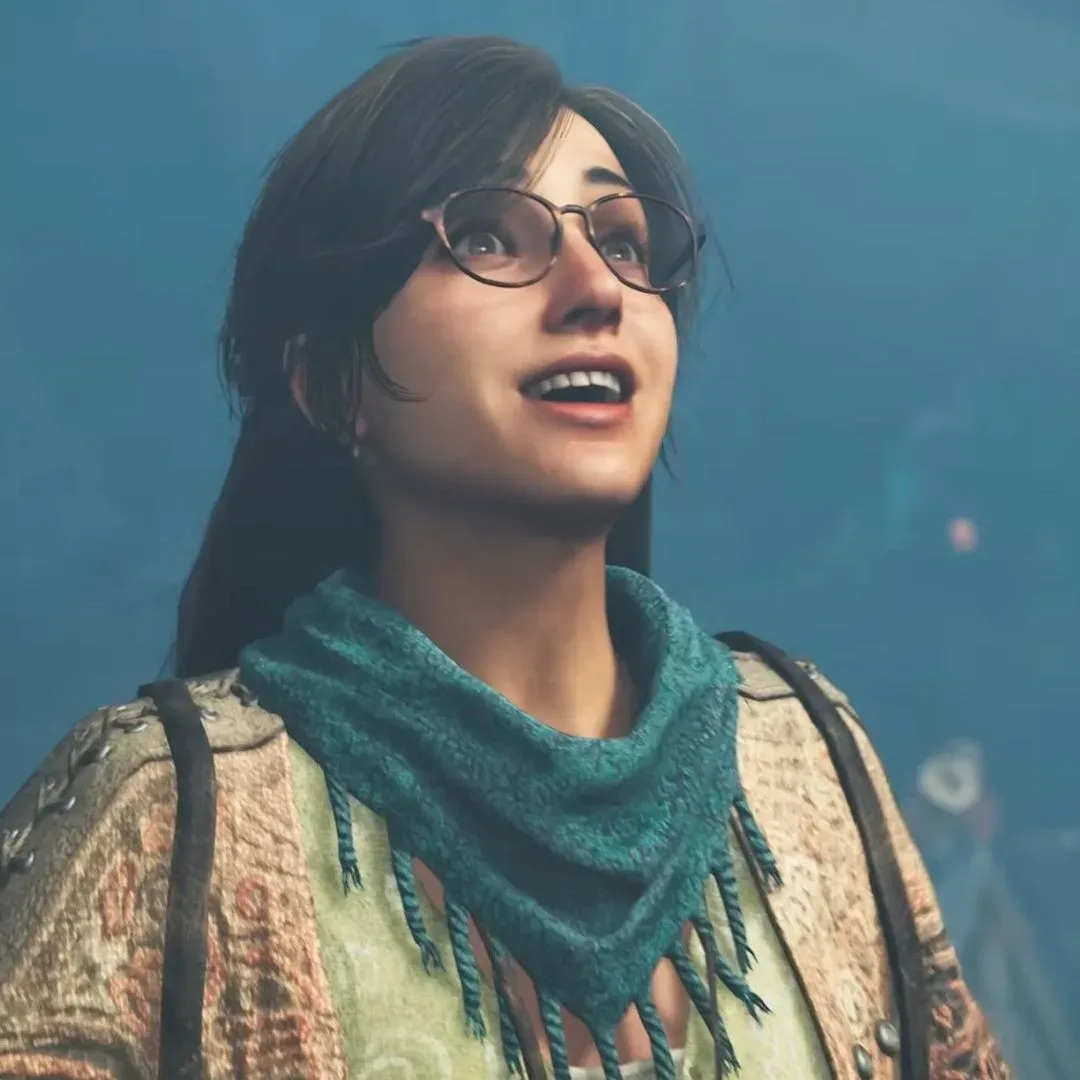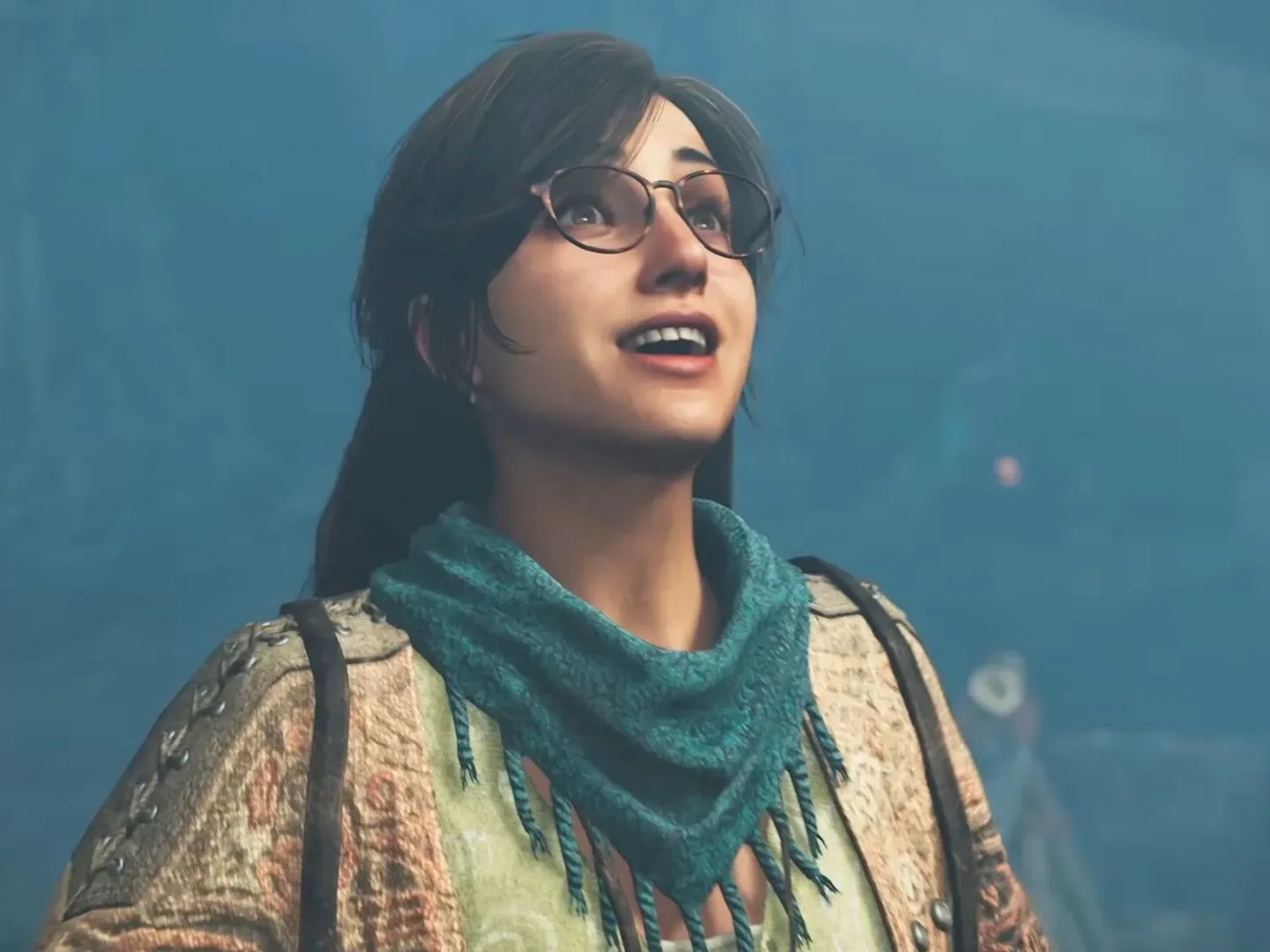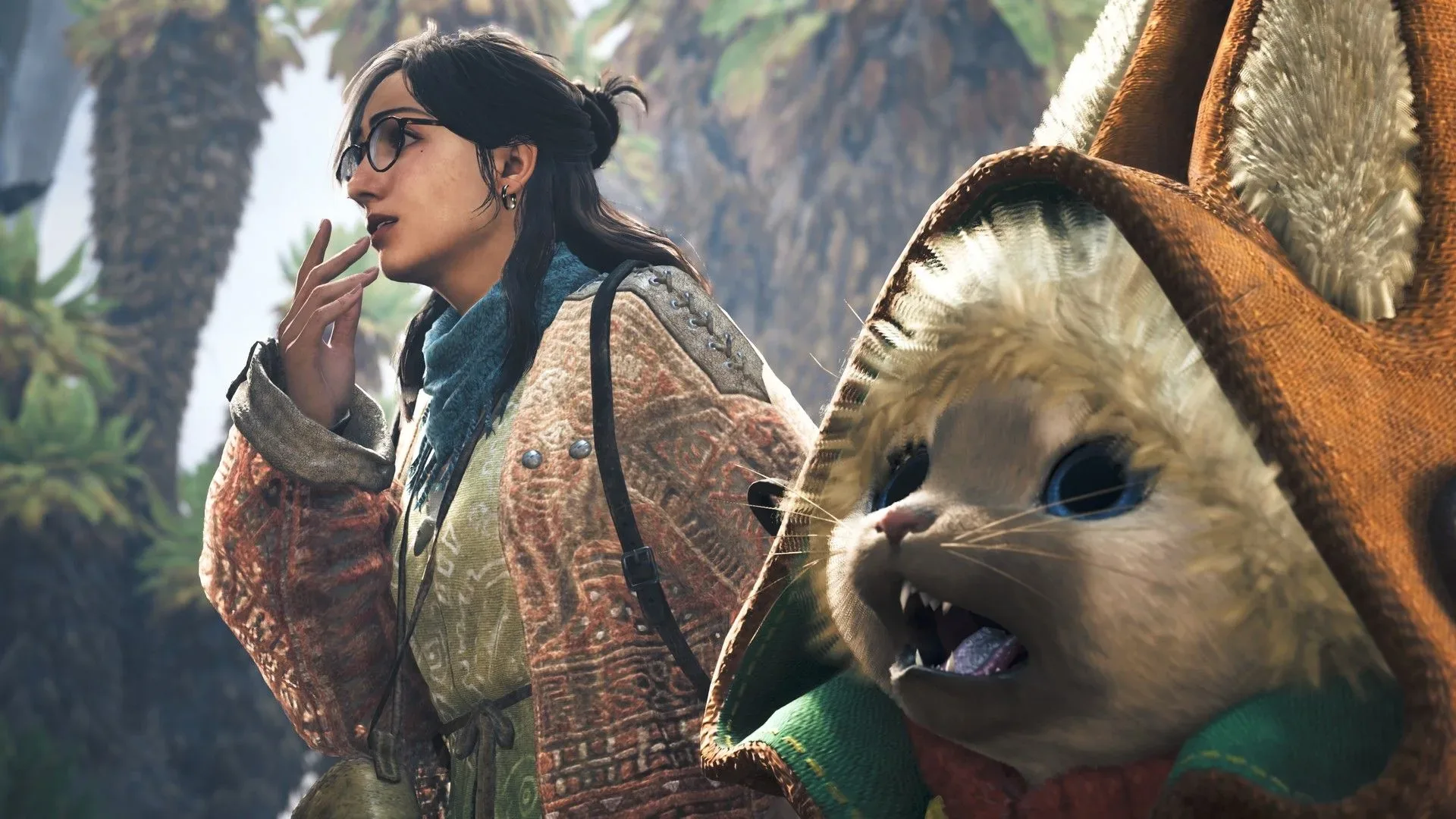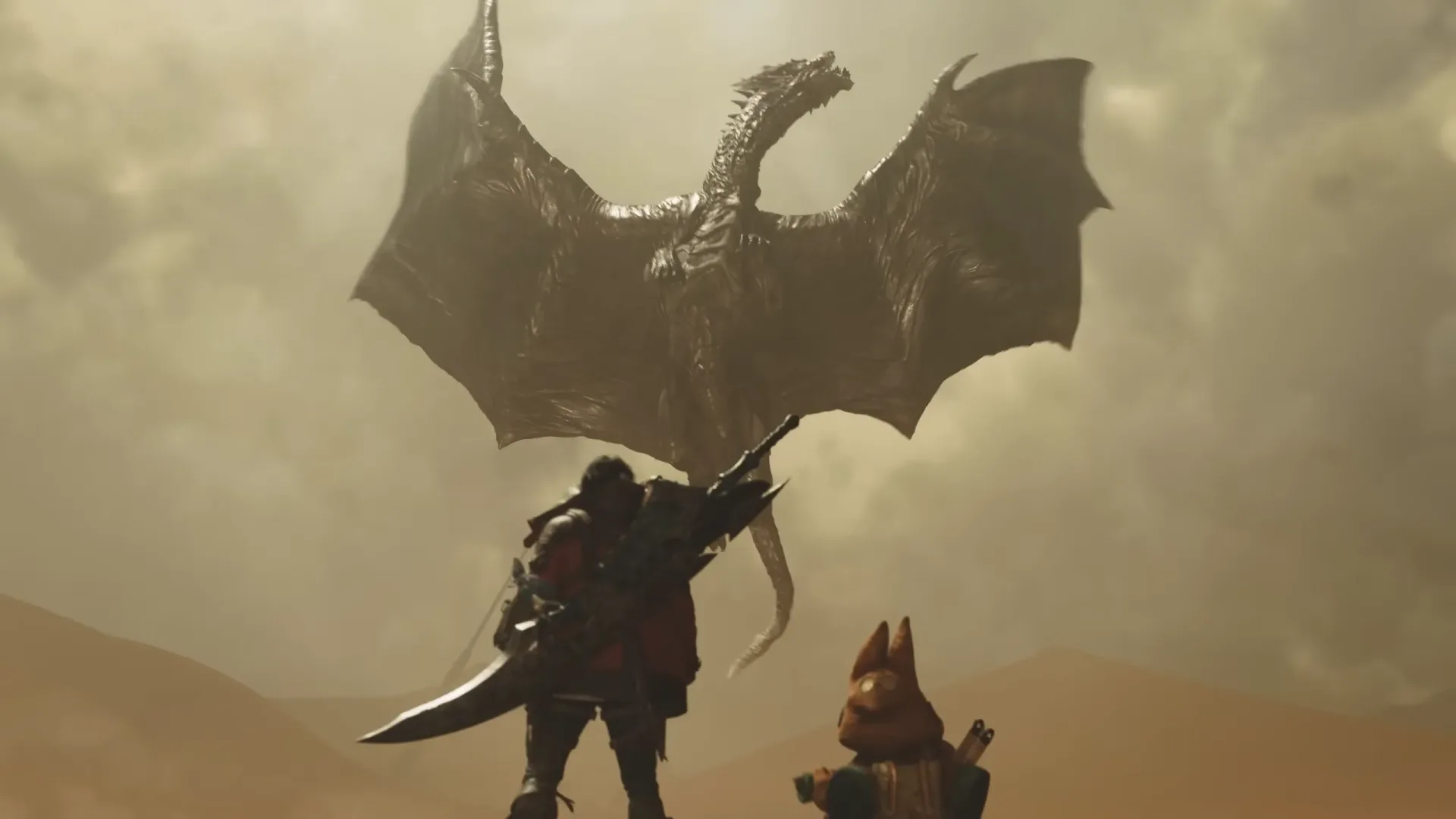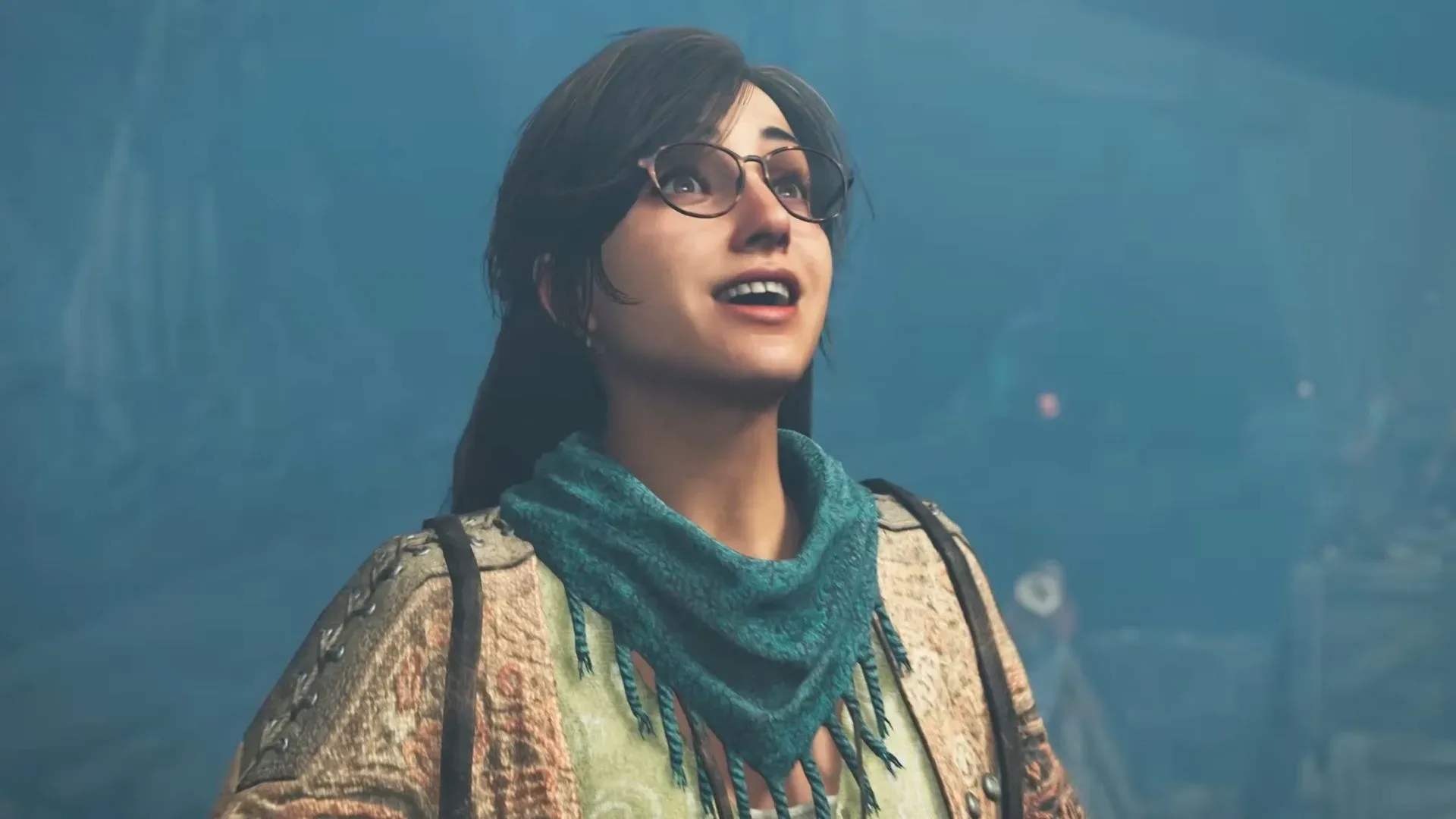
Monster Hunter Wilds is preparing to put one of its most unpopular paid systems on the carving table. Capcom says that, with Monster Hunter Wilds: Ascendance arriving in 2027, players will be able to change the appearance of both their hunter and Palico as often as they wish, without paying for Character Edit Vouchers.
The vouchers are due to disappear from sale on December 3. Until the Ascendance change takes effect, players will receive 10 character and Palico edit vouchers to use for customization. The eventual result is straightforward: appearance edits for the player character and feline companion will no longer require a consumable paid item.
It is a welcome reversal, even if it arrives alongside an expansion rather than as an immediate baseline change. For a series built around long-term characters, changing a face, hairstyle, makeup choice, voice, or other visual detail can be less like buying a new cosmetic and more like correcting a decision made dozens of hunting hours ago. Players can also simply want a new look. Treating that flexibility as a metered purchase has long made the feature a lightning rod.
What Character Edit Vouchers actually restricted
A Character Edit Voucher is not gear, a hunt reward, or a gameplay power-up. It is a limited-use entitlement that permits a player to revisit a character creator and make broader alterations to an existing hunter or Palico. That distinction is central to the criticism.
Paid cosmetic items are often debated on their own merits: a new outfit, gesture, pendant, or other optional visual addition can be understood as extra content. A voucher instead places a limit on access to a character-creation function. The player already has a hunter and Palico, and the desired outcome is not necessarily a new purchasable object. It is the ability to revise what they already made.
That model can feel especially awkward in a game where the hunter is the player’s persistent on-screen identity and the Palico is a constant companion. Character creators are inherently iterative. A look that seems right in a creation screen may land differently in cutscenes, under different in-game lighting, or after a player has spent more time with the character. Tastes also change. The friction is not that every player will want endless revisions; it is that an ordinary correction or creative impulse can trigger a purchase decision.
On PC, mods have offered some players a way around that restriction, but mods are not a universal answer. They are platform-specific in this case, can be unsuitable for players who prefer an unmodified game, and do not resolve the policy for the wider player base. Capcom’s stated 2027 change matters because it makes free re-editing an official option for all players.
The timing: vouchers leave sale before the free-edit system arrives
There are two separate dates in the plan. Character Edit Vouchers leave sale on December 3. Unlimited free edits are tied to the launch of Monster Hunter Wilds: Ascendance in 2027. The supplied information does not specify Ascendance’s release date beyond the year, so players should not treat speculation around a particular month as confirmation.
Between those milestones, Capcom says it will grant 10 character and Palico edit vouchers. In practical terms, that is a temporary bridge rather than the permanent policy change. Players who expect to alter their hunter or Palico before Ascendance arrives should have a finite number of edits available; once the expansion launches, the stated plan is for those edits to become unlimited and free.
The clearest consumer takeaway is equally simple: with the voucher system scheduled for removal and a free alternative promised for 2027, there is little reason to purchase new vouchers before they disappear. A soon-to-be-retired restriction is an especially poor candidate for a last-minute microtransaction.
A small thank-you item raises an obvious question
Capcom also plans a “token of appreciation” for players who previously paid for vouchers. Players who purchased the three-voucher character, Palico, or combo packs will receive a Special Thank-You Pendant Set.
A pendant is a visual accessory, not a refund and not an additional supply of appearance changes. That means the gesture may be appreciated as a recognition item, but it does not erase the reason many players objected to the underlying system. The company’s plan answers the future-facing issue—free repeat edits after Ascendance—but offers a cosmetic acknowledgement rather than monetary restitution for qualifying past purchases.
There is also an unavoidable tonal mismatch in celebrating the removal of a restriction that players felt should never have been monetized. The announcement is still good news: it removes a point of friction from the game’s future. But it also underlines how strongly players distinguish between selling optional cosmetics and charging to revisit a foundational part of an avatar-based game.
Why the reaction has been so sharp
Monster Hunter players have broadly greeted the decision with relief, mixed with the argument that paid editing should not have existed in the first place. That reaction is less about demanding every cosmetic item be free and more about where the line is drawn.
In an ongoing game, customization is part of expression. It can be silly, serious, role-playing focused, or simply practical: a player may notice a feature they dislike after seeing their character in motion. Limiting revision creates a recurring cost around a function that affects no hunt’s difficulty, grants no competitive advantage, and does not add new game systems. The objection is therefore a matter of design philosophy as much as price.
Microtransaction is the broad term for a smaller purchase made within or alongside a game, generally for digital content or access. The word covers very different practices, from a clearly labeled outfit to currency, conveniences, and consumable permissions. Character edit vouchers have attracted particular frustration because they sit in the last category: a paid permission to use an existing feature again.
Monster Hunter Wilds has a substantial DLC presence, which makes this decision notable without establishing that all paid additions are being reconsidered. The announcement specifically addresses Character Edit Vouchers. It should not be read as confirmation that every piece of optional DLC will be removed, changed, or made free.
What this means for Wilds and the next Monster Hunter
For Wilds players, the promised outcome is a better long-term customization setup. Once Ascendance is available, a hunter or Palico can be reworked without needing to count vouchers or reach for a payment method. The interim grant should cover some changes before then, but it is not identical to the permanent unlimited system.
For Capcom, the more important question may be whether this is a one-game correction or a precedent. The announcement gives the company a clear opportunity to show that unrestricted character re-editing is now considered a standard feature rather than a premium convenience. If a future Monster Hunter returns to paid edit permissions, the reaction is likely to be immediate because the objection has now been stated—and addressed—so plainly.
Ascendance is positioned as the point where Wilds gets this new customization policy, alongside its larger expansion role. That makes the launch meaningful beyond monsters and quests: it is also the moment a much-disliked layer of monetization is scheduled to end. For players who have wanted to reshape a hunter or Palico without treating the character creator like a ticket booth, that is a genuinely material quality-of-life change.
For more current console release coverage, see our report on Dungeons & Degenerate Gamblers’ PS5 and Switch release plans.