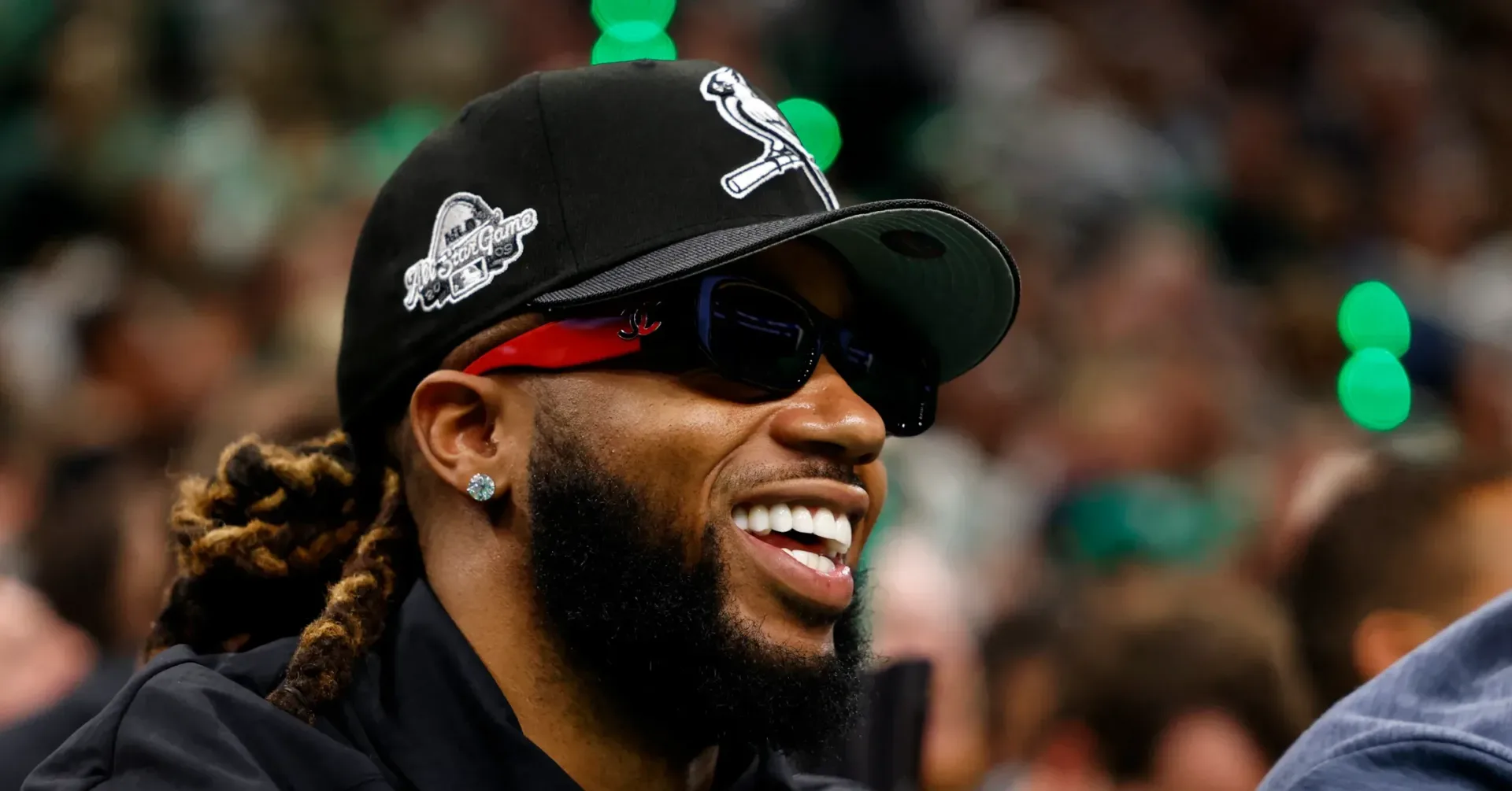
OnlyHands, the upcoming fighting game built around hip-hop artist avatars, has added Metro Boomin to its playable lineup ahead of a planned New York Comic Con debut on October 8. The producer joins an announced group that includes Kodak Black, Denzel Curry, NLE Choppa and Boosie Badazz, while Tay-K is also expected to be playable.
The project is scheduled to appear on the opening day of New York Comic Con, which runs October 8 through October 11 at the Javits Center. That gives the game a high-profile setting for a roster reveal and a broader introduction, but it does not by itself answer the questions players will care about most: where OnlyHands will be available, when it will release, how its fighting systems work, and whether the event will include public hands-on access. Those details have not been established here.
A producer steps into the character-select screen
Metro Boomin’s inclusion is notable because OnlyHands is not limiting its virtual fighters to performers best known for being on the mic. He is a producer whose role in the game’s lineup widens the basic premise: recognizable figures from across hip-hop can be translated into combatants, with their public-facing identities informing the appeal of the character.
That distinction matters in a licensed celebrity fighting game. A playable character is more than an image in promotional material; it means a player can select that avatar for matches. What remains unclear is how individual fighters will differ in play. Fighting games usually separate their rosters through attributes such as movement, attack range, damage output, defensive options and special moves. OnlyHands has been described as building combat around artists’ personalities, but no detailed move lists, mechanics or balance information are included in the available material.
For now, the news is primarily about the game’s growing identity. Metro Boomin brings a major producer name to an artist-centered roster already populated by rappers with distinct public profiles. It also creates an obvious talking point for a game whose pitch depends on players recognizing who is in the fight before the round starts.
What OnlyHands has confirmed so far
OnlyHands is a fighting game developed around playable artist avatars. Republic Records partnered with Nothing Projects Interactive on the project, which had been building toward its public debut since late last year. The game’s official site promises a roster of more than 20 fighters, and some players have already received early access ahead of the larger rollout.
- Confirmed direction: a combat game centered on hip-hop personalities represented as fighters.
- Roster target: more than 20 fighters are promised on the official site.
- Names attached to the lineup: Metro Boomin, Kodak Black, Denzel Curry, NLE Choppa and Boosie Badazz; Tay-K is also expected to be playable.
- Event plan: a New York Comic Con debut is planned for October 8, the convention’s opening day.
- Early-access status: certain players have received access ahead of the wider rollout.
Just as important is what the present information does not confirm. There is no platform list, release date, pricing detail or specific account of game modes in the supplied material. A roster promise is not the same as a finalized launch roster, and early access does not necessarily describe the shape, timing or availability of a full release. Players should treat the Comic Con appearance as an opportunity for clarity rather than proof that all remaining details are settled.
Why the Def Jam comparison is unavoidable
OnlyHands has already drawn comparisons to Def Jam Vendetta and Def Jam: Fight for NY. The connection is straightforward: both the older games and OnlyHands use hip-hop figures as the center of a fighting-game fantasy. Sauce Walka was among the early artists promoting OnlyHands and invoked those earlier titles when describing the project’s spirit.
Related coverage includes Metro Boomin Joins OnlyHands Roster Ahead of New York Comic Con Debut.
That is a useful reference point, but it should not be mistaken for a formal relationship. OnlyHands is not being presented as a continuation of the Def Jam series. The comparison describes a familiar appeal rather than confirming shared developers, mechanics, story elements, licensing or continuity.
For players unfamiliar with the earlier games, their relevance is cultural as much as mechanical. They demonstrated why celebrity-driven combat can be memorable when the licenses feel integrated into the game rather than pasted onto a generic fighter. The artists are not merely menu decorations; their personas, visual presentation and rivalries become part of the premise. OnlyHands is clearly reaching for a contemporary variation on that attraction.
The difficult part will be translating recognition into a game that stands on its own. A recognizable roster can bring attention to a reveal, but fighting games live or die on readability and repeatability. Readability means players can understand what attacks, animations and defensive choices are doing in the moment. Repeatability means the game gives people a reason to return after the novelty of selecting a familiar name wears off. Neither quality can be judged solely from roster announcements or promotional footage.
What a convention debut can accomplish
New York Comic Con is a fitting venue for a project built on identity, fandom and recognizable faces. The event can put OnlyHands in front of a broad audience that includes gaming and pop-culture fans, while the named roster gives attendees an immediate reason to investigate. Featuring the game on opening day also gives the project several days of convention attention if it has more to show.
For the development and publishing side, the presentation is a chance to define the game on its own terms before comparisons do all the work. The most useful information would be concrete: how matches are structured, whether every named figure is available in the same build, how combat styles differ, and what the early-access path means for players outside that group.
It is also a reminder that high-profile game news can be very specific in one area and incomplete in another. Metro Boomin’s participation is a clear, material addition to OnlyHands. The broader release picture remains less clear. That is normal for a project using a staged rollout, but it makes precision especially valuable as the game seeks an audience beyond fans of any one performer.
The practical takeaway for fighting-game fans
OnlyHands now has an increasingly visible pitch: a rap-heavy fighting roster, more than 20 promised fighters, and a major convention debut led by a newly announced Metro Boomin avatar. The names involved will inevitably invite nostalgia for the Def Jam fighting games, yet the newer project needs to demonstrate its own combat identity rather than rely on that association.
Until more is shown, the sensible expectations are narrow. The game is headed to New York Comic Con on October 8, it has selected artists attached to the roster, and it is pursuing a wider rollout after some early access. Details such as supported systems, release timing and complete gameplay structure are still open questions. Readers tracking forthcoming releases can also keep an eye on broader game-industry release news as platform and distribution details become a larger part of how new projects are evaluated.
For now, Metro Boomin is the latest reason to watch the character-select screen. The Comic Con showing will be the more meaningful test: whether OnlyHands can turn a compelling roster concept into a fighting game with enough personality and clarity to keep players coming back.