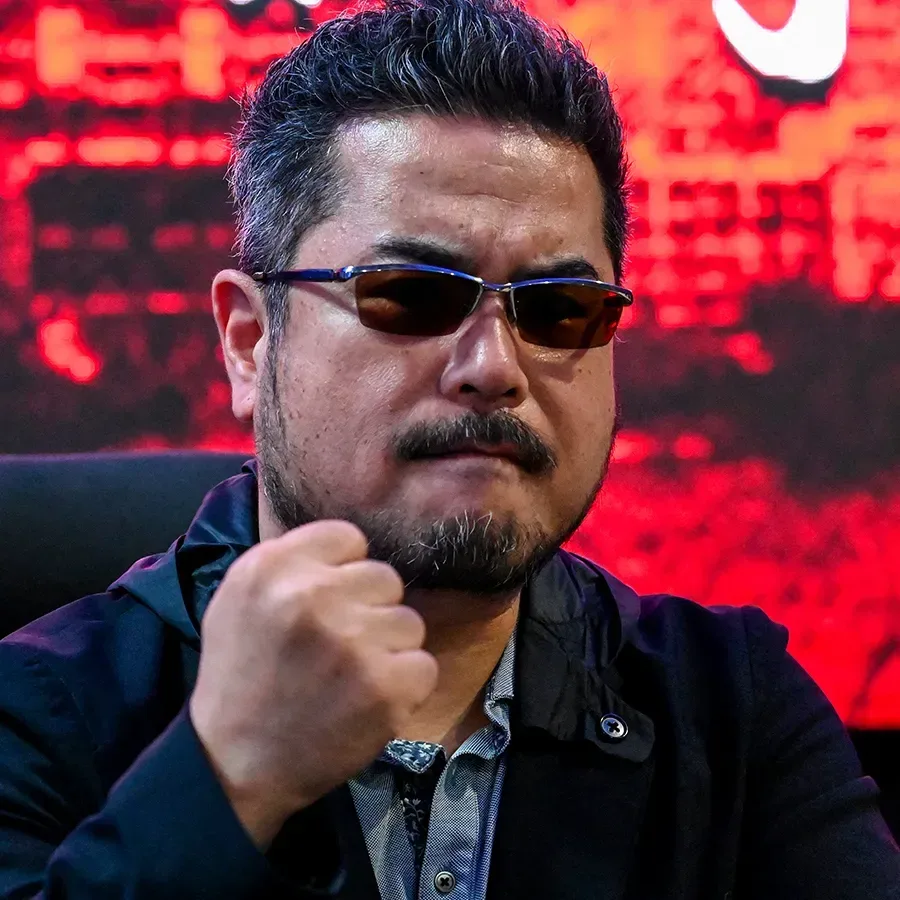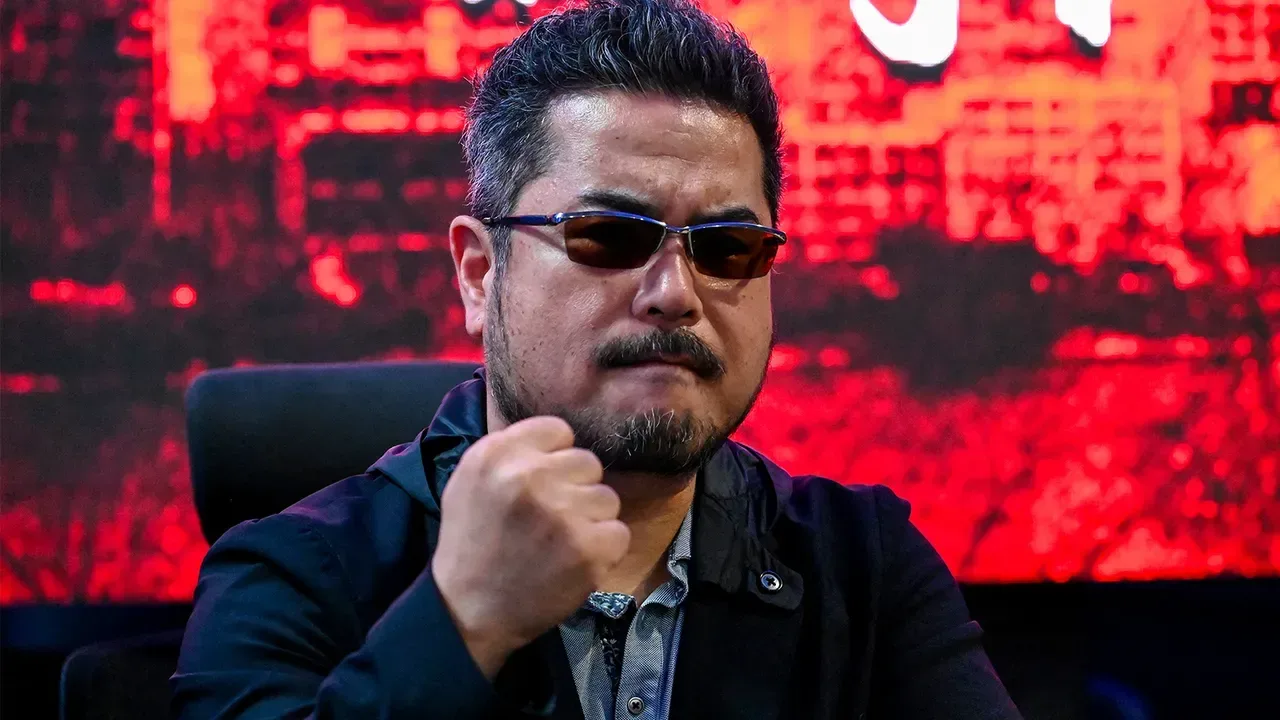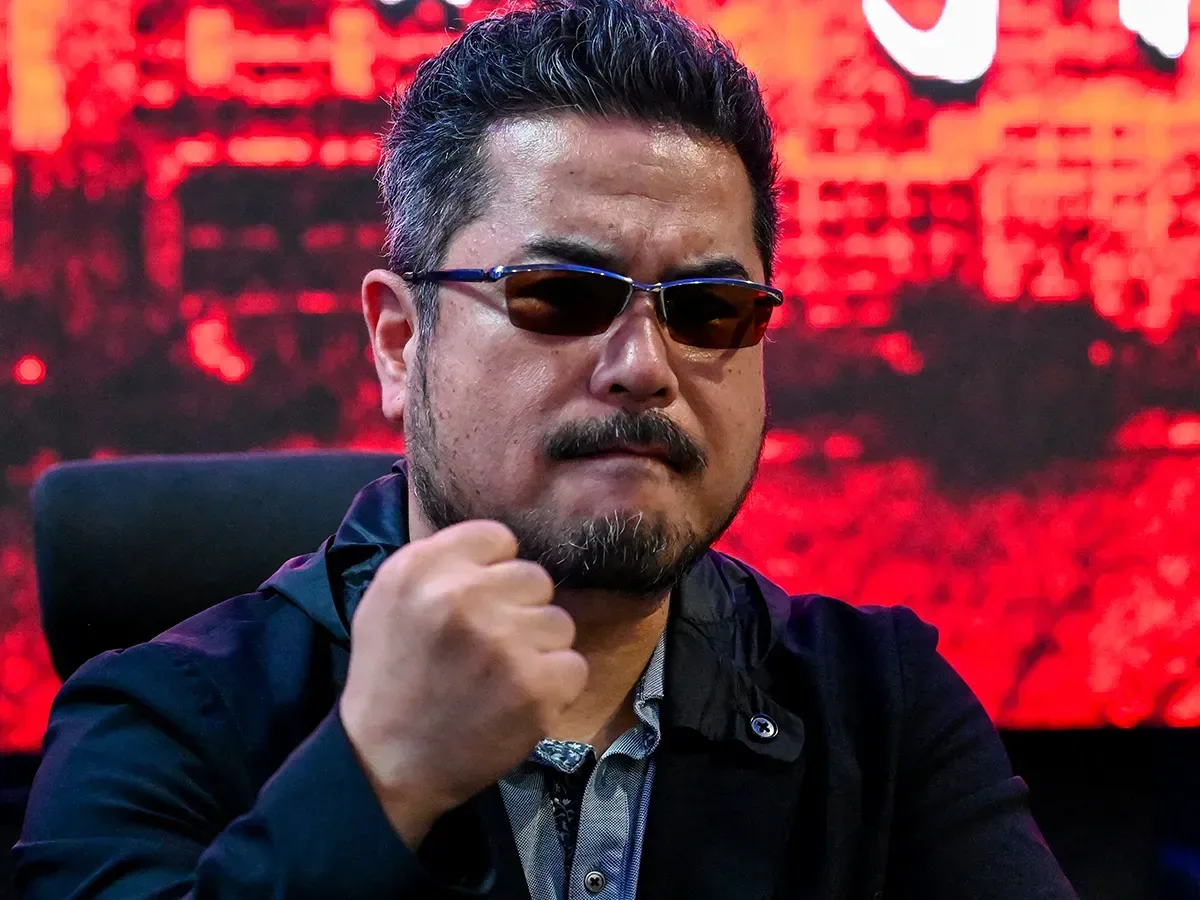
Katsuhiro Harada has offered a carefully limited clue about the first unannounced game in development at VS Studio: it is intended to be a surprise, but not one that abandons the expectations of the audience that has followed his work.
The former Tekken leader left Bandai Namco earlier in 2026 after a decades-long run with the series and is now building VS Studio, an independent development house that operates as an SNK subsidiary. The studio has added several people who previously worked on key Tekken development staff, although Harada stressed that those moves were voluntary. The project itself remains undisclosed, and there is no confirmed title, platform, release window, roster, gameplay footage, or formal genre announcement.
That last point matters. A statement designed to reassure existing fans is not a reveal, and it should not be treated as proof of a specific game. Still, Harada’s wording makes one conclusion reasonable: whatever VS Studio is making, he does not want it to feel disconnected from the skills, tastes, and player expectations associated with his past work.
What Harada actually confirmed
When asked whether VS Studio would make a fighting game or operate without attachment to any one genre, Harada did not identify the game’s genre. Instead, he said the title had not been disclosed and explained that he did not want to betray fans’ expectations. He described the project as a surprise that would remain within those expectations.
“The game that we’re developing will be some kind of surprise, but rest assured, it is not something that is outside of expectations,” Harada said.
It is a deliberately broad answer, but it establishes two useful boundaries. First, VS Studio is not ready to disclose the project directly. Second, Harada sees value in continuity with the audience that knows his work. That continuity could mean genre, design philosophy, a particular competitive focus, or simply the kind of large-scale action-game experience people associate with his career. The available information does not narrow it further.
There is nevertheless a reason fighting-game fans are watching this especially closely. Harada had previously said he wanted to develop a new fighting game following the announcement of VS Studio. Combined with his longstanding association with Tekken and the arrival of former Tekken staff at the new studio, a fighting game is a plausible reading of the hint. It remains speculation until VS Studio or SNK says so.
Why the wording leaves room for more than one path
SNK chief publishing officer Ozan Kocoglu said the company does not see Harada’s role as restricted to either original projects or existing intellectual property. In games, IP—short for intellectual property—generally refers to an established brand, its characters, settings, and the rights associated with creating new work under that brand.
Related coverage includes Katsuhiro Harada Teases a Surprise New Game From VS Studio That Will Still Meet Fan Expectations.
Kocoglu’s position is that both approaches can have a place. Harada could contribute experience to the growth or next stage of existing SNK properties alongside internal development leaders, while also helping establish new IP that expands the company’s portfolio. That is not confirmation that VS Studio is handling a particular SNK franchise, nor is it a declaration that its debut will be an entirely new brand. It is an outline of the options SNK believes the studio can pursue.
The distinction is meaningful for a new studio. An established property arrives with name recognition and a pre-existing fan base, but it also carries expectations about identity and direction. A new IP gives a team a chance to define its own world and systems, while facing the tougher task of explaining why players should invest in something unfamiliar. Kocoglu’s comments indicate that SNK views Harada as capable of working across those different challenges rather than as a one-purpose hire.
Harada has likewise described VS Studio as having a very high degree of freedom to create what it wants. Yet he paired that freedom with a clear constraint: the team must remain attentive to players’ expectations and should build a close collaboration with SNK. In practical terms, that suggests creative independence does not mean isolation. The studio can draw on its own expertise while working within SNK’s broader goals.
SNK’s growth plans provide the broader context
Kocoglu characterized SNK as being in a period of aggressive growth and said the company needs fresh perspectives as it moves forward. He also indicated that VS Studio is not meant to be a one-off experiment. His comments point to a broader interest in identifying opportunities in the market and potentially bringing in creators for action-related projects on a case-by-case basis.
That does not reveal a slate of future games. It does, however, frame VS Studio as part of a larger organizational strategy rather than merely a personal next step for Harada. SNK sees its own DNA as particularly strong in action-related games, and it believes Harada’s experience can complement that direction.
For fans, the practical takeaway is patience over prediction. There is enough in the public comments to make a fighting-game project an understandable expectation, but not enough to establish whether VS Studio’s first release is a new series, work on an existing SNK property, or something that combines familiar expertise with a different format. The word “surprise” is doing important work here: Harada is promising some element the audience may not immediately anticipate, while telling them not to expect a complete break from his strengths.
What this means for Tekken’s future
Harada also addressed the series he left behind, making an important distinction between mentorship and current authority. He said he has no knowledge of Tekken’s plans after his departure and that questions about what comes next should go to Bandai Namco. In other words, he is not presenting himself as a source for unannounced Tekken plans.
He did say he had worked hard to mentor the existing Tekken team and expressed confidence that its members have grown and evolved. Harada said he is looking forward to the franchise’s future as a fan. That is a vote of confidence in the people continuing the work, but it is not a teaser for an upcoming game, update, or character.
Tekken 8 is separately set to add Baki character Yujiro Hanma in early 2027. The planned guest character shows that the current Tekken team continues to pursue its own roster plans, independent of the still-secret game taking shape at VS Studio. Players should avoid reading that addition as a connection to Harada’s new studio; none has been established.
For more on how staffing, leadership, and workplace culture can shape game development conversations, see our report on Bulkhead’s Joe Brammer and anti-crunch hiring posts.
The most accurate expectation right now
VS Studio has personnel with Tekken experience, an experienced director known for fighting games, support from SNK, and a stated desire to meet audience expectations. Those are significant signals, but they are not a product reveal. The strongest confirmed picture is of a studio aiming to use familiar expertise without simply spelling out its hand in advance.
Until the team names the project, the safest interpretation is straightforward: Harada is making a game intended to resonate with the fans who know what he does best, and SNK is keeping the door open to both original and established properties. Everything more specific—including the assumption that it is definitely a fighting game—must remain in the realm of informed speculation.