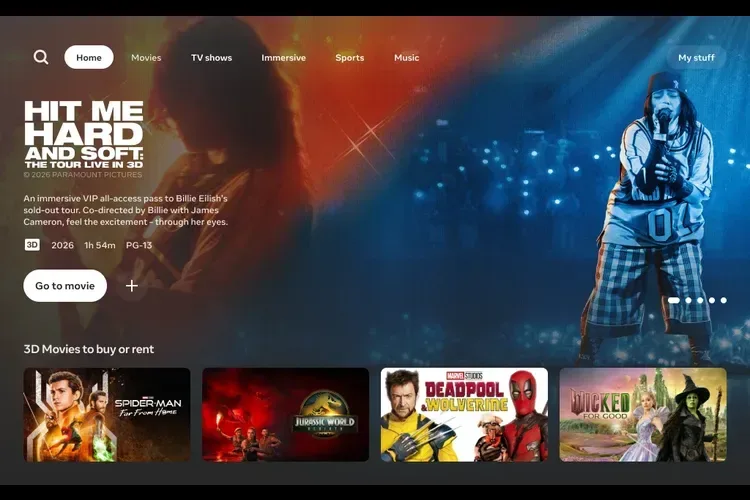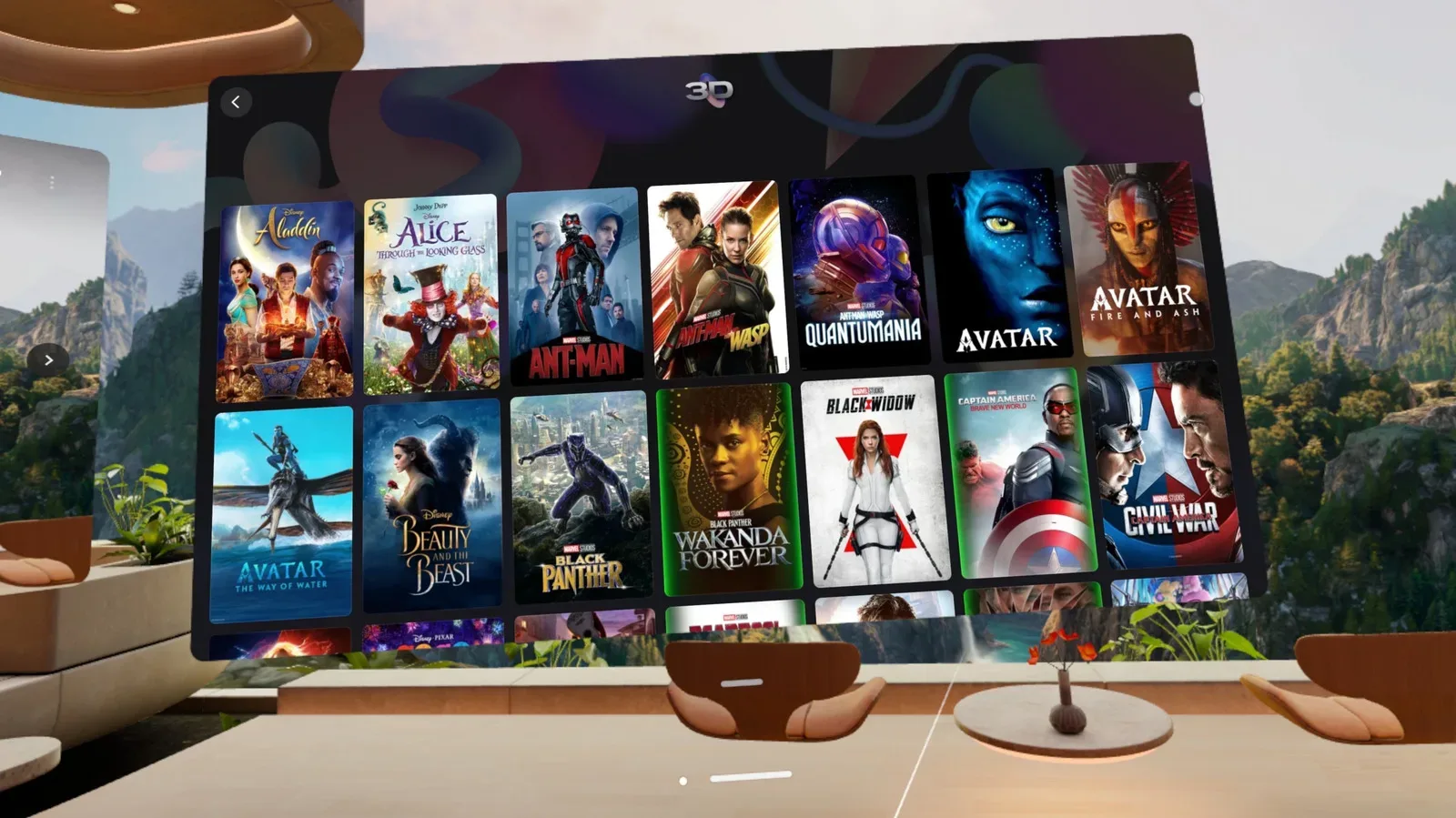
Meta has added 3D movie rentals and purchases to the TV app on Meta Quest 3 and Meta Quest 3S, giving the company’s current headsets a more direct route to feature-length stereoscopic entertainment. The change matters less as a single storefront tweak than as a signal: Meta is building a catalog model around 3D viewing rather than leaving the format dependent solely on third-party subscription apps.
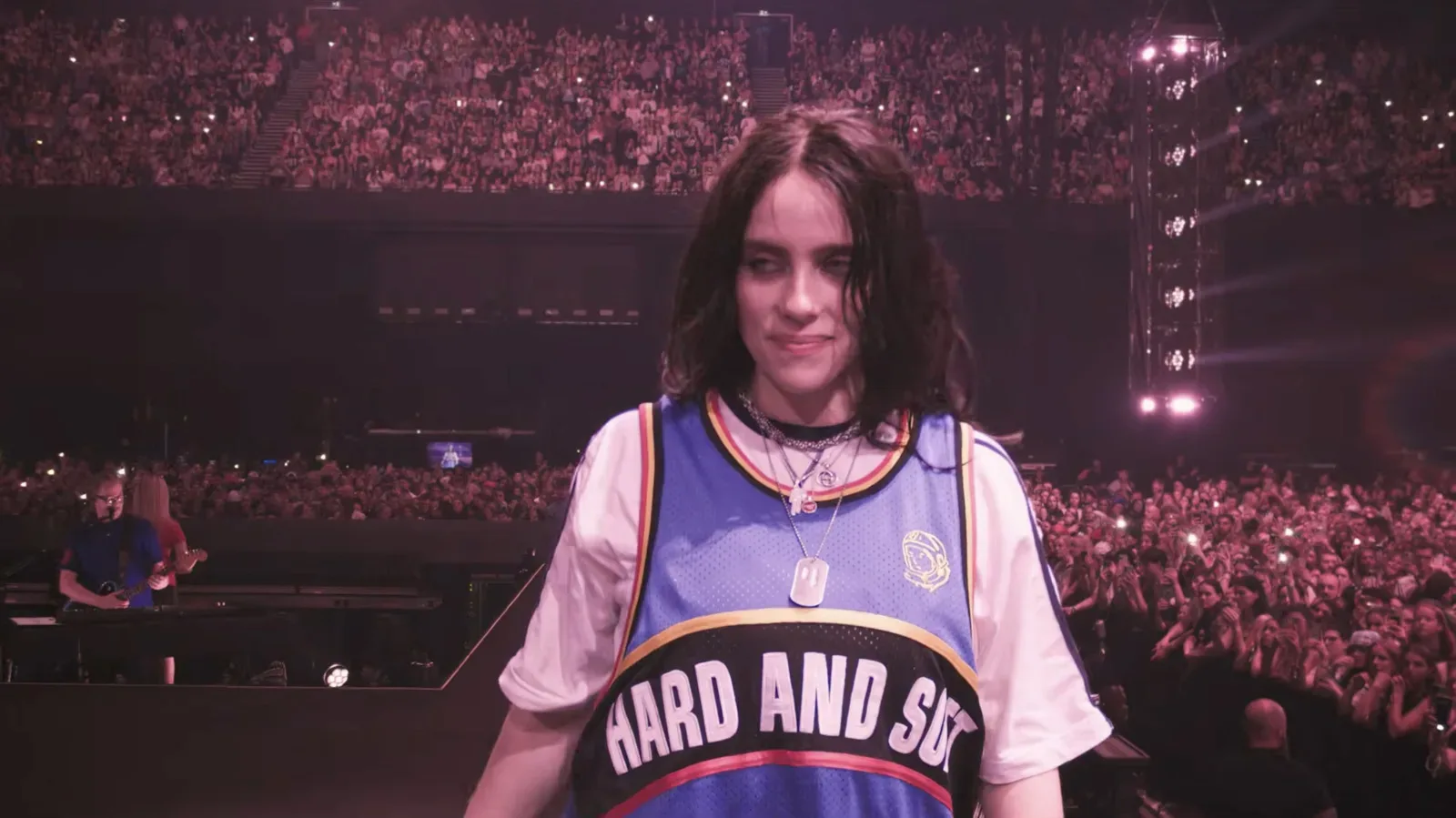
The standout title is HIT ME HARD AND SOFT: THE TOUR (LIVE IN 3D), a Billie Eilish concert film co-directed by Eilish and James Cameron. Meta Quest is the exclusive home for the film’s 3D version through December 31. That limited exclusivity gives the platform a prominent, purpose-built showcase for what headset-based movie viewing can offer when the material is produced specifically with depth in mind.
A storefront addition with a clearer purpose
Quest headsets are best known as gaming hardware, but a 3D rental and purchase option frames them as personal cinema devices, too. Instead of treating 3D video as an occasional bonus found inside an individual streaming service, the TV app can now act as a place to acquire films directly.
In practical terms, Quest 3 and Quest 3S owners can use the TV app to rent a compatible title for temporary access or buy it for longer-term access within Meta’s service. The report does not detail pricing, regions currently supported, the full opening lineup, video specifications, or whether every purchased film will have matching 2D options. Those are meaningful considerations for prospective viewers, but they have not been established here.
What is clear is that the new option is limited to the Quest 3 and Quest 3S in this rollout. Owners of those headsets have a new pathway to paid 3D films inside the same wider ecosystem used for immersive video and entertainment.
What “3D” means in a headset
3D video, often called stereoscopic video, presents slightly different images to each eye. The brain combines those views into an impression of depth. A VR headset is naturally equipped for this approach because it already sends separate imagery to the wearer’s left and right eyes.
That does not turn every scene into a theme-park ride, nor does it make a conventional flat movie identical to being physically present. The effect depends on the way a title was photographed, edited and presented. At its best, stereoscopic filming can give performers, sets and foreground details distinct spatial separation. For a concert film, that can make the gap between a singer, band equipment, stage architecture and audience feel more legible than it does in a single flat image.
The Eilish project appears intended to make that advantage central rather than incidental. It was filmed with a custom system designed to capture 3D imagery from a distance. The stated goal was to avoid disrupting the live audience with cameras while still giving home viewers the sense of sharing the stage with Eilish.
Related coverage includes Meta Quest 3 and Quest 3S Add 3D Movie Rentals and Purchases in TV App.
That production detail is important. Concert coverage must solve a balancing act: cameras need close, expressive views, but an intrusive rig can alter the atmosphere of the performance for the ticket-buying crowd. A system capable of filming at range aims to preserve the event itself while still supplying the image information needed for a 3D presentation.
Why the Billie Eilish film is a notable test case
HIT ME HARD AND SOFT: THE TOUR (LIVE IN 3D) arrives with an unusually visible creative pairing. Cameron has long been associated with ambitious 3D filmmaking, while Eilish is both the featured artist and a co-director. The result is positioned as a large-scale concert experience rather than simply a standard tour recording converted into another format.
For Meta, that makes the movie an effective demonstration title. It has recognizable musical appeal, an explicit 3D identity and a production method tailored around the tensions of live performance. In other words, it provides viewers a reason to test the new store beyond curiosity about the feature itself.
The exclusive period also means that people seeking the 3D version have a defined reason to use Quest during that window. Exclusives can be useful for platforms, but viewers should distinguish the limited hosting arrangement from any broader claim about the availability of the concert film in other formats or services. The reported exclusivity applies specifically to its 3D version on Meta Quest through December 31.
Disney’s 3D library adds another route into Quest
The store update follows another step for 3D entertainment on the hardware: Disney began making its library of 3D films available on Meta Quest through the Disney+ app earlier in the month. The two developments are complementary, although they operate differently.
- Disney+ on Quest offers access to a participating service’s 3D library through its own app.
- Meta Quest TV now offers rentals and purchases directly through Meta’s TV app on Quest 3 and Quest 3S.
That distinction is more than menu placement. Subscription streaming and transactional video answer different needs. A subscription app can make a catalog available as part of an ongoing membership, while rentals and purchases let viewers choose individual titles. Neither approach is automatically better; a viewer’s preference may depend on what is included in a subscription, which films are offered for separate purchase, and which platform holds the desired 3D version.
Having both models on Quest potentially gives 3D movie fans more options than a single service could provide. It may also make the headset ecosystem easier to understand for people who do not want all entertainment to sit behind one subscription. The broader business of streaming, emerging formats and fan-focused entertainment is increasingly intertwined, a topic also reflected in the agenda for the CES Entertainment Summit.
What Meta has said about the catalog ahead
Meta says the TV app will continue to add content, with thousands of titles and international availability planned alongside the launch of Meta VR Glasses in spring 2027. This is a forward-looking plan, not a current catalog promise. It does not establish which titles will be offered, what territories will be added first, how the VR Glasses platform will relate to Quest hardware, or whether every future title will be presented in 3D.
Still, the wording suggests a larger ambition than a one-film promotion. Catalog breadth is particularly important for paid rentals and purchases. A storefront may have a compelling flagship, but lasting value depends on whether viewers can regularly find the genres, artists and films they actually want to watch.
International availability is equally consequential. Digital movie rights are frequently managed by territory, so a service can differ substantially from one country to another. Meta’s reference to future international expansion recognizes that a major media offering cannot be judged exclusively by its availability in one market. For now, audiences should treat access as dependent on the territories and titles currently supported by the app.
What Quest owners should take from the update
The immediate takeaway is straightforward: Quest 3 and Quest 3S now have a native option to rent or buy 3D movies through the TV app, with Billie Eilish’s new concert project at the front of the lineup. The update is especially relevant to viewers who value stereoscopic films but have found the format limited by the shrinking number of conventional 3D home-viewing routes.
It is also a reminder that VR hardware can have an entertainment role that does not require motion controls, multiplayer sessions or a large open play area. A film does not become a game because it is watched in a headset, and 3D is not the same as fully immersive VR. The distinction is worth keeping clear: this is movie viewing with stereoscopic depth, not an interactive or room-scale concert simulation.
Even so, the format can offer a distinct presentation for material designed around it. The Eilish film’s distant custom capture system and onstage perspective point toward an approach in which 3D is part of the creative design, not simply a technical label on a store page. If Meta follows through with a deeper catalog, the new TV app option could become a more durable complement to Quest’s games and apps rather than a novelty built around a single release.