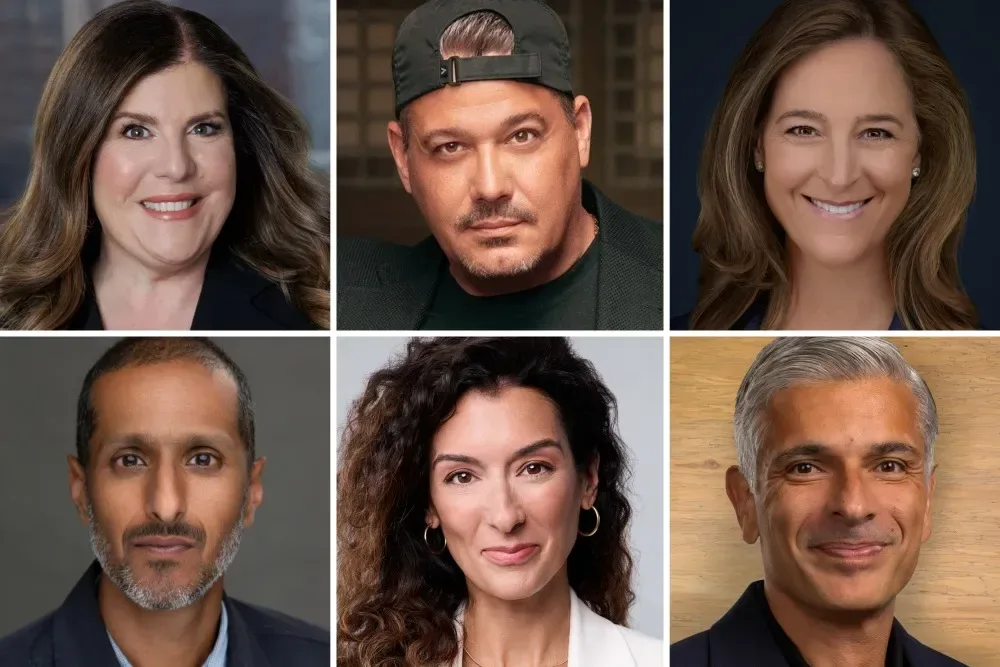
Entertainment’s biggest arguments are heading to a ballroom in Las Vegas: how to make streaming pay over the long run, how advertising fits into every screen, what artificial intelligence changes behind the scenes, and how fandom becomes something more durable than a brief spike on a trending page.
An annual entertainment summit at CES is scheduled for Jan. 7 at Aria Las Vegas. It will be open to CES registrants without an additional charge. The agenda brings executives and creative-business leaders from film, television, streaming, social platforms, advertising, technology, live entertainment, sports, licensing and consumer brands into the same program.
That breadth is the point. The current entertainment conversation is not framed as a single question about what people watch. It is a linked set of questions about discovery, audience attention, advertising, intellectual property, technology and loyalty. In less polite terms: everyone is trying to find out who gets to own the remote when the remote has become a feed, a storefront, a comment section and, occasionally, a very confident algorithm.
A headline conversation on making fandom break through
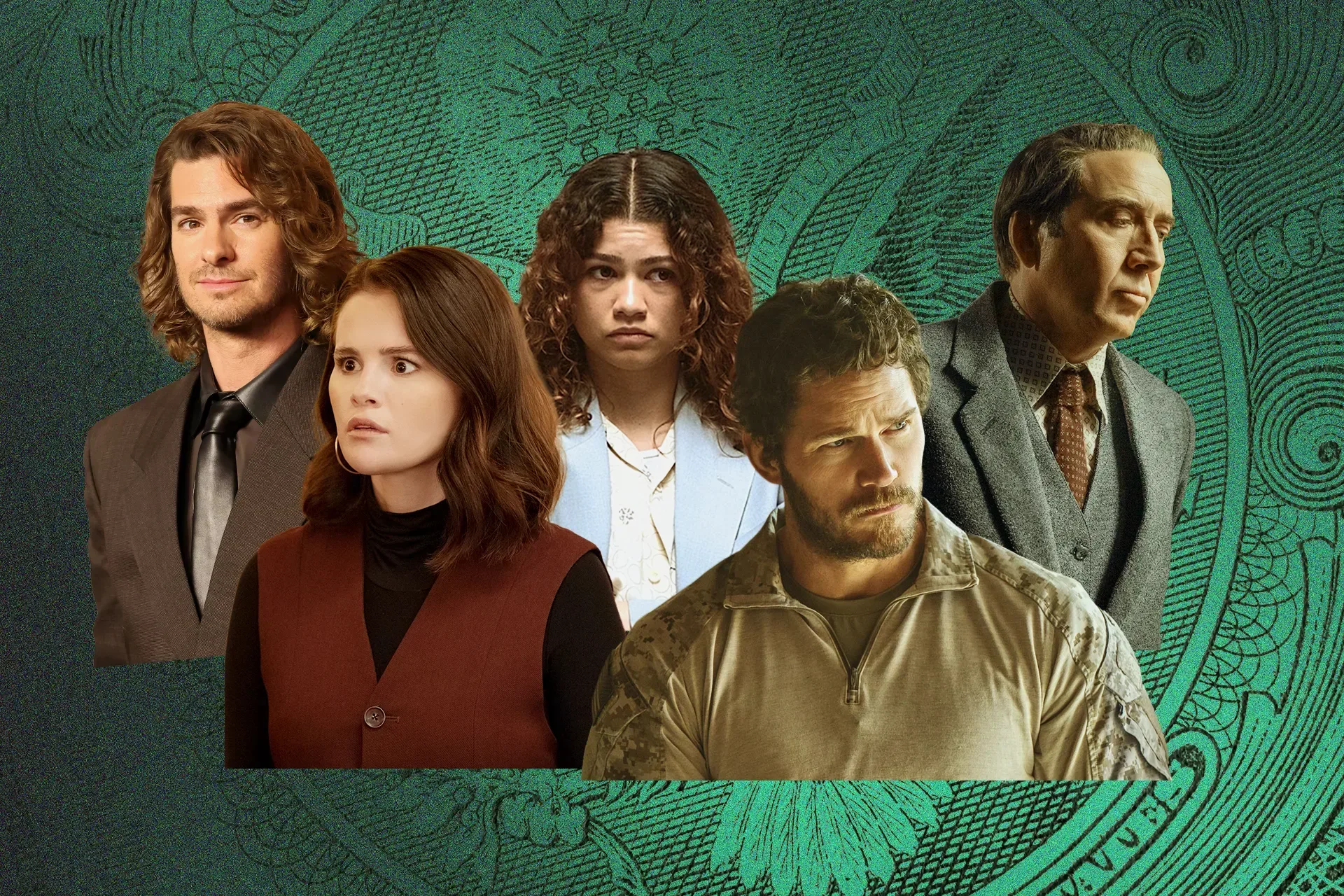
Jenny Storms, chief marketing officer of NBCUniversal Television & Streaming, and television personality and podcaster Boston Rob are slated for a headlining discussion centered on The Traitors. The session is expected to examine the show’s cultural profile and the role marketing plays in reaching audiences across platforms and developing committed fans.
That focus is notable because it treats marketing as part of the entertainment experience rather than a final step that happens after a program is finished. A show can be watched in one place, discussed somewhere else, clipped or remixed on another service, and followed through podcasts and social channels. The summit’s framing suggests that the journey between those points matters as much as the initial invitation to press play.
Fandom, in this context, means more than raw audience size. It is the sustained attention that encourages people to discuss a property, identify with it, share it and return to it. That is not a promise that every popular series will become a sprawling franchise machine. It does, however, explain why entertainment companies increasingly care about conversations and communities alongside viewing itself.
Streaming moves from expansion to staying power
One planned session is titled Streaming’s Next Act: From Land Grab to Lifetime Value, featuring Owl & Co. founder Hernan Lopez. The title offers a concise outline of the business question: growth is no longer only about being present in as many homes, devices or markets as possible. The harder objective is to maintain a valuable relationship with an audience over time.
Lifetime value is a business term for the total value associated with a customer relationship over its duration, rather than a single transaction. Applied to entertainment, it points toward retention and recurring engagement. The session title does not specify a particular strategy or outcome, but it signals an emphasis on the long-term economics of streaming rather than an all-out race for scale.
Related coverage includes CES Entertainment Summit Sets Jan. 7 Agenda Around Streaming, AI and Fandom.
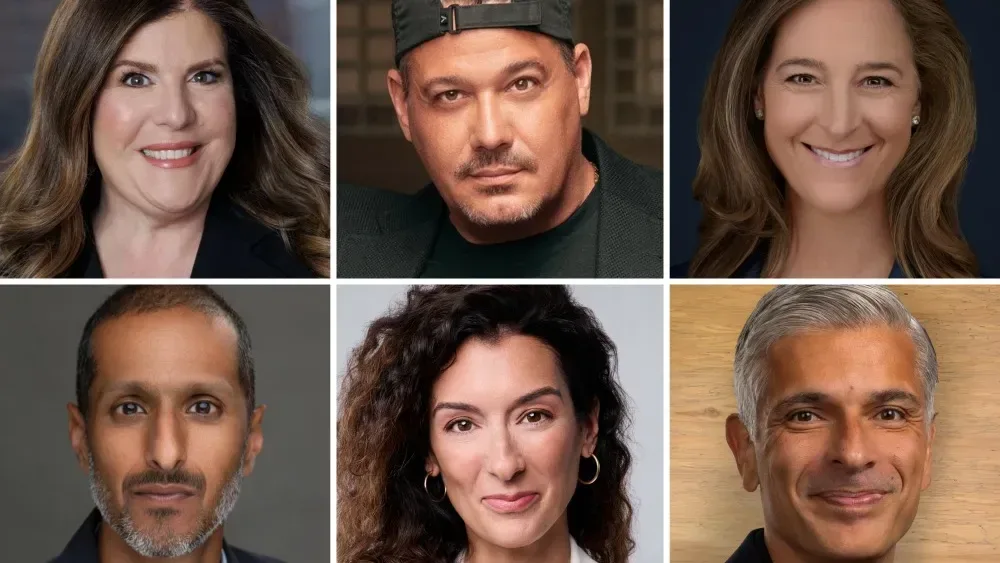
That issue sits next to a substantial advertising-focused panel, The Power Players: Business of Media Unlocked. Scheduled participants include Mark Marshall of NBCUniversal, Rita Ferro of Disney, Jay Askinasi of Skydance, Amy Reinhard of Netflix, Jeff Collins of Fox Corporation and Rahul Gautam of EY.
The list matters because it puts advertising leadership from several major entertainment businesses in the same discussion. Advertising is not a side quest on this program; it is treated as a central component of the media business. The panel’s combination of broadcasters, studios, a streaming company and consulting leadership should make it a useful place to compare priorities, even if the public agenda does not yet detail specific subjects or announcements.
Content discovery is not confined to one app
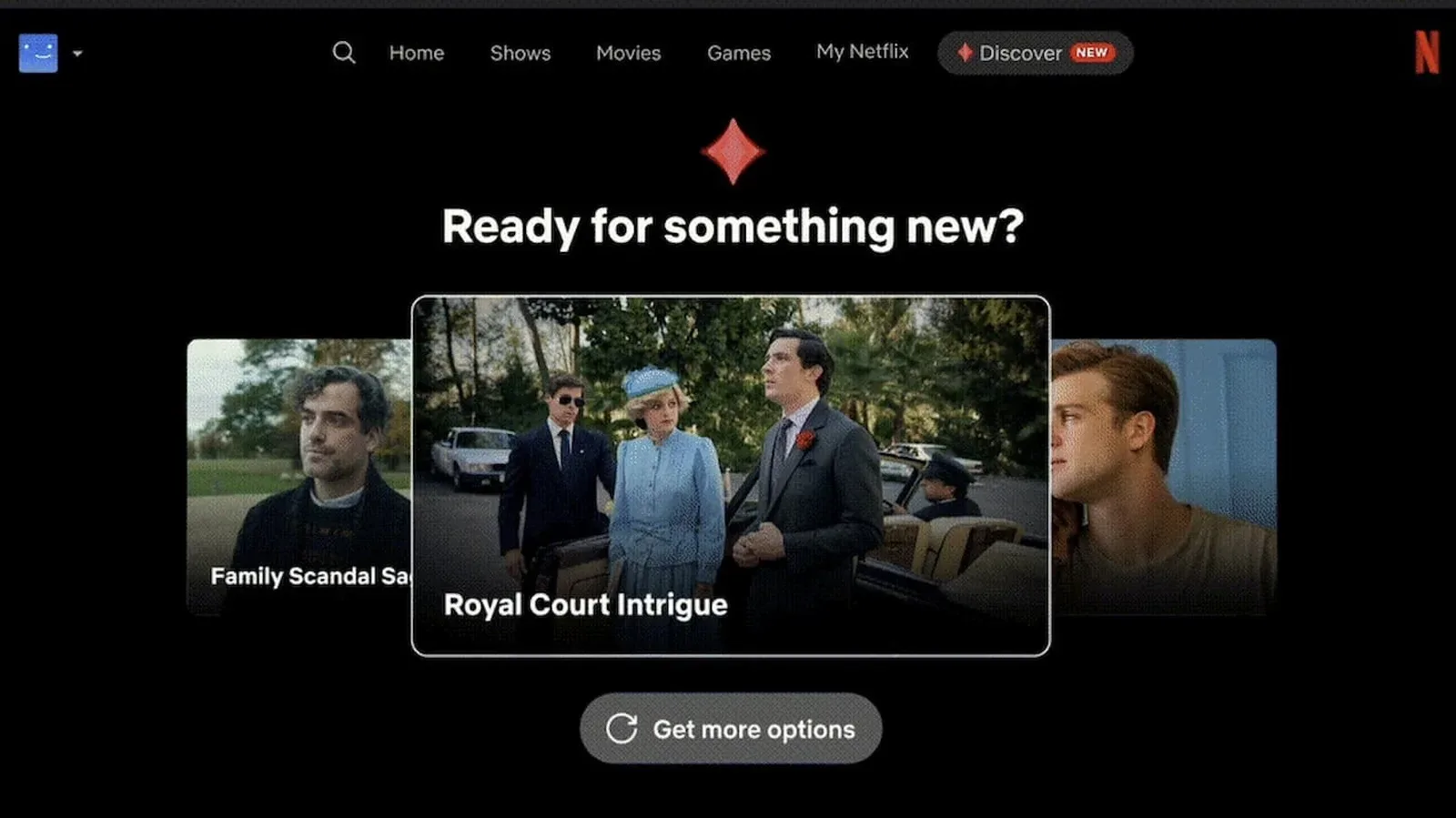
The New Storytelling Elite panel is set to feature Dennis Papirowski, global head of content at TikTok; Mansi Patel, vice president of new content experiences at Netflix; and David Brinker, global head of content at Pinterest. Their inclusion makes the summit’s cross-platform premise especially clear.
“New content experiences” is broad language, and no individual products or features are specified. Still, the panel joins a video service with platforms built around short-form video and visual discovery. That setup puts attention on the different ways people encounter stories, creators and ideas online.
For audiences, the practical implication is straightforward: discovering a series, film, personality or cultural moment may happen far from the service where that work is ultimately viewed. For companies, that makes the pathway to an audience more complicated. The discussion is likely to be less about one destination winning and more about how entertainment is introduced, surfaced and carried between destinations.
Executives from studios, talent and licensing join the agenda
The Future of the Entertainment Industry will include Thunder Road Films founder and producer Basil Iwanyk, Blumhouse Atomic president Abhijay Prakash, Sony Pictures Entertainment consumer platforms and services executive vice president Pete Wood, Versant Media entertainment president Val Boreland, and Deloitte Consulting’s U.S. entertainment leader and principal Stephanie Dolan.
Those participants span production, studio operations, platforms, media and consulting. The event description does not identify a narrow thesis for the panel, so it would be premature to assign one. Its value is in the range of perspectives represented: the people helping make entertainment, distribute it and assess the business environment are not always asking the same questions.
A separate C-suite conversation will feature Banijay Americas CEO Ben Samek; Brillstein Entertainment Partners chairman and co-CEO Jon Liebman; Fox Entertainment CEO Rob Wade; Xperi CEO Jon Kirchner; and Hasbro president of licensing and entertainment Kim Boyd. This group links entertainment production and talent representation with connected-media technology and licensing.
Licensing is the permission to use a brand, character, story or other intellectual property under agreed terms. Its presence on the agenda is a reminder that a successful property can have a life beyond its original format. The supplied program does not point to any specific deal, product or franchise expansion, but it does place licensing among the executive-level issues under discussion.
Mining fandom, without confusing it for a mine
The summit’s most cheerfully blunt title may be Eureka! The Future of Mining Fandom. The panel is due to include Sphere president Jennifer Koester; Reddit chief marketing officer Jim Squires; Formula 1 chief commercial officer and Formula 1 Las Vegas Experience president Emily Prazer; Meta Reality Labs senior director of global marketing Dave Kaufman; Spotify global head of thought leadership Jenny Haggard.
Despite the title’s prospecting metaphor, the scheduled participants suggest a conversation about finding and serving communities through venues, discussion platforms, sports and live experiences, immersive technology and audio. It is a diverse group that reflects how modern fan engagement can occur at an event, through a social conversation, inside a technology ecosystem or around an ongoing cultural interest.
For players and broader entertainment audiences, this is the panel most likely to overlap with the feeling that a hobby increasingly travels through multiple media channels. That does not mean every fan wants every interaction turned into a business opportunity. It means the organizations represented at the summit are plainly interested in understanding where sustained enthusiasm forms and how it can be supported—or, depending on one’s tolerance for corporate vocabulary, harvested with a carefully branded shovel.
AI discussion spans creative, technical and enterprise perspectives
Artificial intelligence receives its own session, Navigating the Industry AI Mic Drop. Participants are scheduled to include Wonder Project founder and chief creative officer Jon Erwin, Fox Corporation chief technology officer Melody Hildebrandt, Hasbro AI Studio’s Sixth Wall CEO Roberta Thomson, Salesforce president of enterprise and AI Joe Inzerillo, and entrepreneur and investor Jozy Altidore.
The panel title should not be mistaken for a list of announced AI initiatives. The program provides no such details. What it does establish is that AI will be examined from creative leadership, corporate technology, a dedicated studio, enterprise software and investment viewpoints.
Enterprise AI generally refers to artificial-intelligence systems deployed by organizations to support business operations, rather than tools aimed only at individual consumers. In an entertainment setting, the broad category can touch many areas, but the scheduled program does not define precisely which use cases the participants will discuss. Readers should therefore treat the session as a conversation about navigating AI, not evidence of a specific production practice, product launch or policy change.
AI also remains a live concern across games and entertainment workplaces. The wider industry discussion intersects with labor and job-security anxieties, as reflected in recent concerns raised by Rockstar staff about layoffs and AI. The CES agenda does not connect its panel to that situation, but the overlap illustrates why a leadership discussion of AI is unlikely to stay purely technical.
Brands want a seat at the entertainment table
The New Rules of Engagement – CMO Roundtable broadens the program beyond traditional media companies. Chipotle chief brand officer Fernando Machado, Liquid Death chief media and digital commerce officer Benoit Vatere, Slack chief marketing officer and Salesforce executive vice president Ryan Gavin, Waymo chief marketing officer Suzanne Philion, Marriott International executive vice president and chief customer officer Peggy Roe, and Hinge chief marketing and communications officer Tamika Young are listed.
CMO means chief marketing officer: the executive responsible for guiding a company’s marketing strategy. The inclusion of CMOs from food, beverages, workplace software, autonomous-driving technology, hospitality and dating services reinforces the summit’s central theme. Entertainment and culture are not being discussed as a self-contained business. They are a field in which many consumer brands seek relevance and attention.
Dea Lawrence, co-president and publisher of the summit’s organizer, described CES as a meeting point for leaders working where technology and entertainment meet, and said the event is intended to spotlight ideas, innovation and emerging trends shaping the year ahead.
The program also lists Screenvision, The Trade Desk and Walmart Connect as premier partners; Owl & Co. as official sponsor; and EY, Salesforce, Xperi and Deloitte as supporting partners. Additional speakers and programming are still expected to be announced.
For CES registrants, the practical detail is simple: the Jan. 7 program at Aria Las Vegas does not require an additional summit fee. For everyone watching from outside the room, its real significance will lie in whether these panels produce concrete details—or simply confirm that streaming, ads, AI and fandom will continue sharing one extremely crowded stage.