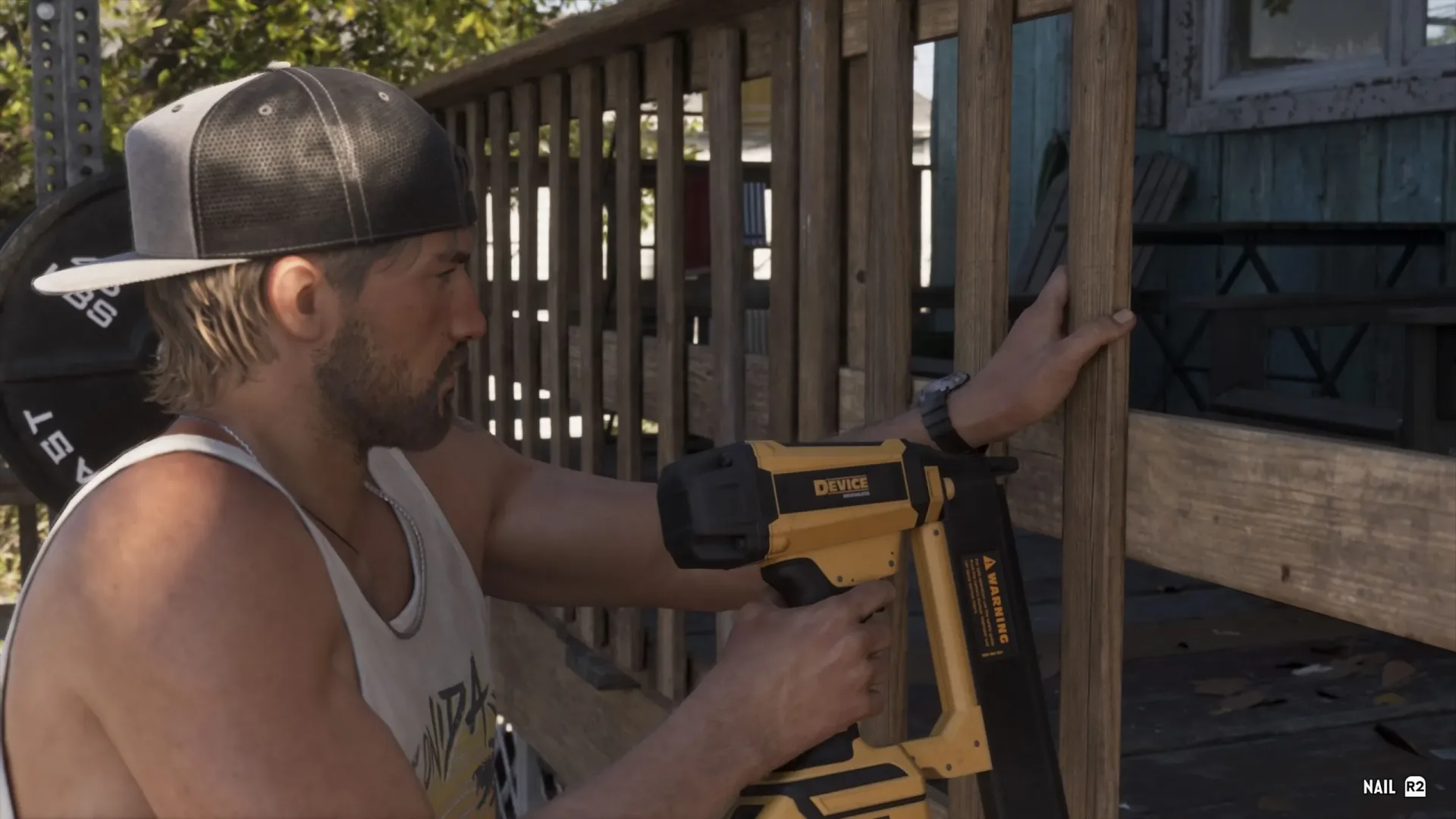

GTA 6’s enormous launch has not removed a familiar concern for the people who helped make it: what happens after the celebration fades. Rockstar animation programmer Nestor Uriarte has described anxiety among staff about potential layoffs following the release, while also making the case that a recognized union could give workers a formal role in discussions about job security, working conditions and the use of artificial intelligence.
The tension is striking because the game has arrived with exceptional visibility. GTA 6 is described as tied with The Legend of Zelda: Ocarina of Time for the best-reviewed game of all time, and it has broken Twitch streaming records. Sales figures have not yet provided a complete picture, though preorder information has pointed to substantial commercial demand. By the usual public markers—reviews, audience attention and expected revenue—the launch looks like a major success.
But a hit game and a sense of long-term security are not automatically the same thing for the people who build it. Uriarte’s argument is centered on that disconnect: workers can experience the intensity and pride of a giant release, yet still expect crunch before launch and job losses afterward. His concerns come as the vote on recognition for the Independent Workers’ Union of Great Britain, or IWGB, is underway at Rockstar and is scheduled to run until November 26.
A successful launch does not settle the employment question
There is no indication in Uriarte’s account that Rockstar is preparing layoffs. That distinction matters. Staff concern should not be confused with confirmation of a forthcoming reduction in jobs.
Nevertheless, fear of what might happen after a major release has understandable context in a games business that has seen widespread cuts in 2026. Ubisoft has cut 166 jobs from its Montreal and Quebec offices, while Xbox has also seen significant reductions as chief executive Asha Sharma pursues what has been described as a company reset. Against that backdrop, workers on a massive project may see launch day less as a finish line than as the moment when a studio’s staffing plans can be reassessed.
That uncertainty is particularly notable in the case of GTA 6. The game’s status is not being presented as marginal or underperforming. It has received extraordinary critical attention and substantial online interest. Yet the underlying issue raised by Rockstar employees is structural: commercial achievement does not necessarily create a binding promise that every contributor will remain employed after the work shifts from launch preparation to support, updates and whatever comes next.
For players, this can sound counterintuitive. A blockbuster game is often understood as proof that the studio behind it is thriving. From a worker’s perspective, however, the experience can be more complicated. Game development is typically organized around projects, milestones and release deadlines. A studio’s needs can change sharply once a game ships, even when that game is popular. The public sees the finished product; employees also have to consider the terms under which the next phase of their work will be decided.
What the union recognition vote could change
Union recognition is the process through which an employer formally acknowledges a union as a representative for a group of workers. Recognition can allow collective bargaining: negotiations where workers act through their union rather than addressing pay, conditions or workplace policy solely as individuals.
Related coverage includes GTA 6 Success Has Not Eased Rockstar Staff Fears Over Layoffs.
In this case, the IWGB recognition vote is significant not only because it concerns Rockstar, but because a successful result would make it the largest recognized union in the UK games industry. That does not mean recognition itself would instantly resolve every concern raised by staff. A union does not prevent every layoff, dictate every production decision or eliminate disagreement between workers and management.
What recognition can provide is a defined channel for negotiation. Uriarte’s case is that employees need a seat at the table as the industry changes. In practical terms, that can mean workers being represented when policies affecting their jobs are discussed, rather than receiving decisions only after they have been made.
The campaign has also been contentious. Rockstar fired dozens of staff members, prompting accusations of union busting. Union busting is a term used for actions intended to obstruct union organizing or weaken workers’ ability to organize collectively. The supplied information establishes that such accusations have been made; it does not establish the accusations as proven fact.
That distinction is important in reporting on an active workplace dispute. The recognition ballot is ongoing, and the available information does not provide a final outcome or adjudication of the competing claims. What is clear is that the organizing effort has unfolded amid disagreement about employment decisions and workers’ rights to organize.
Why AI is part of the dispute
Layoff fears are only one side of the conversation. Uriarte also pointed to artificial intelligence as a longer-term source of anxiety for skilled game workers.
Here, “AI” is not one single tool or process. It is a broad label for software systems that can assist with tasks such as generating, analyzing or organizing material. In debates about game development, the central workplace question is often whether such tools will support people’s work, reshape particular jobs or be used to replace people altogether.
Take-Two chief executive Strauss Zelnick previously rejected the idea that a simple prompt could produce a game on GTA 6’s scale and quality. At the same time, he acknowledged that some AI tools can be useful in game creation. Those two positions are compatible: a tool can have limited or specialized uses without being capable of independently making a sprawling, high-budget game.
The employee concern described by Uriarte is not limited to whether AI can generate an entire GTA-sized game on command. It is about the gradual effect that automation may have on crafts that take years to learn. Animation programming, art, design, writing, quality assurance and many other disciplines are made up of numerous tasks. If tools alter how those tasks are assigned or valued, workers may worry about diminished roles even without a single dramatic “AI replaces the whole studio” moment.
Rockstar has said it is committed to preserving jobs and that its games will continue to be made by people. Uriarte’s position is that workers want enforceable involvement in managing that transition. The practical issue, then, is governance: who helps determine when AI tools are introduced, what they are used for, whether they affect staffing, and what protections apply to the people whose work may change.
The post-launch question behind the headlines
The GTA 6 story is a reminder that praise for a game does not answer every question about the conditions under which it was made. Record streaming interest, elite review scores and major commercial expectations can coexist with workers’ concerns about overtime, redundancies and technological change.
Uriarte’s comments put those concerns into a clear sequence. Before release, staff may face intense overtime. After release, they may fear that a project’s changing requirements will lead to redundancies. Looking further ahead, they are considering whether AI could devalue or displace specialized work. The union recognition vote is being presented as a way to address those issues collectively rather than piecemeal.
For the wider industry, the situation also complicates the easy assumption that a successful game is an uncomplicated success story for everyone involved. The result of the IWGB ballot will matter because it could establish a particularly large recognized bargaining group within UK games. Its immediate significance is local to Rockstar’s workforce, but the questions being argued—security after launch, protections during organizational change and a voice in AI policy—are relevant far beyond one studio.
As players continue to examine GTA 6’s systems and everyday-world details, including the discussion around its simulation-focused design, the labor debate asks a different question about the game’s scale: how should the people responsible for creating that scale be represented when the project moves beyond release?
For now, there is no confirmed Rockstar layoff plan in the information available. There is, however, a live recognition vote, an unsettled dispute over the treatment of dismissed workers, and an explicit call from employees for a stronger collective say over the next stages of game development.