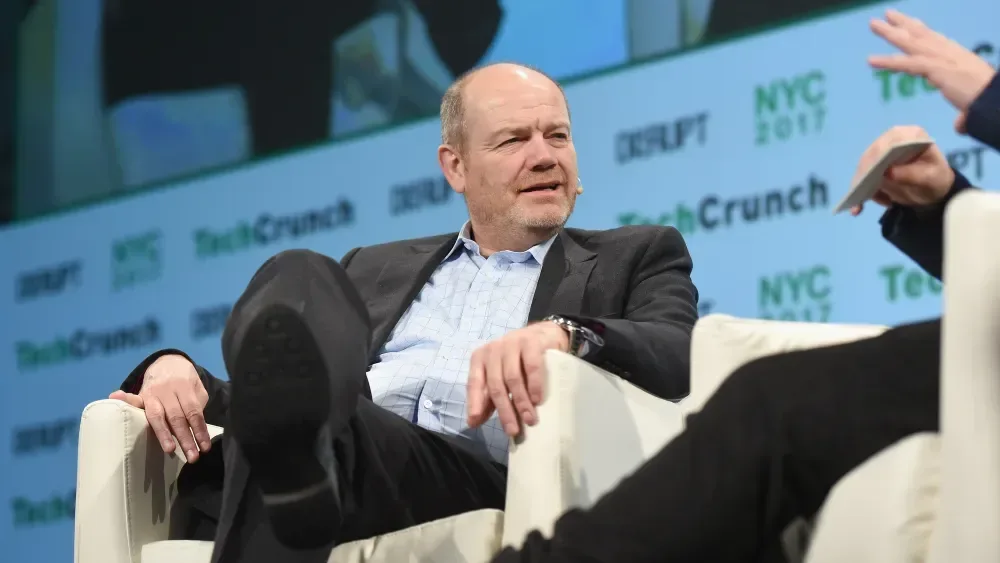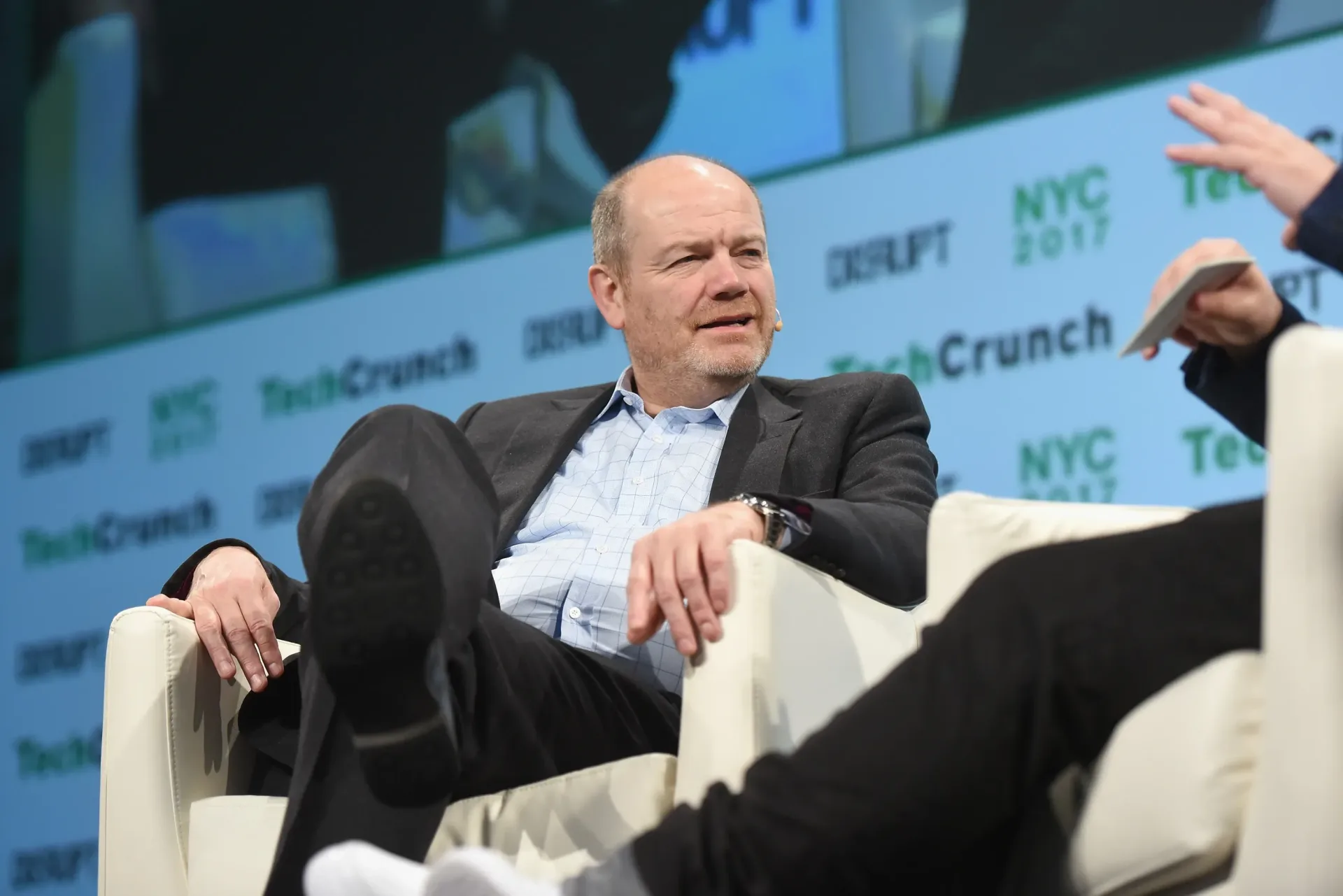
Mark Thompson says he will remain in charge of CNN as its parent company moves into a new ownership chapter involving Skydance. In a memo to employees, CNN’s chairman and CEO said he expects to lead the news organization as an independent editor-in-chief, retaining the responsibilities and editorial authority he holds now.
The commitment provides an important measure of leadership continuity at a time when CNN employees are seeking answers about the network’s editorial independence, streaming ambitions and place inside a larger media business. It does not, however, settle the most consequential practical questions. Thompson acknowledged that the specifics of how CNN will fit into and operate under the new company have not yet been finalized.
What Thompson said about editorial independence
Thompson told staff he has confidence that CNN’s incoming owners understand and will support the principle and practice of independent news. He framed his decision to stay as tied directly to that belief, saying he will guide CNN into its next phase as an independent editor-in-chief.
That wording matters because an editor-in-chief is generally the executive responsible for a news organization’s editorial judgment: the standards around reporting, the priorities of coverage and the final newsroom authority over published journalism. Thompson’s memo describes continuity in those responsibilities and prerogatives, rather than merely a continued corporate-management title.
It is also an assurance rather than a detailed operating plan. The memo does not establish how reporting lines, budgets, streaming strategy or corporate integration will work after the ownership transition. Thompson was explicit that serious discussions on those points could begin only after Paramount’s antitrust settlement a few days earlier, and that he could not yet answer every question.
“The specifics of how CNN will plug into and operate in the new company have yet to be finalized,” Thompson wrote to staff.
Why the message may matter inside CNN
Ownership changes can create immediate uncertainty for a newsroom even when programming continues as normal. Employees may be concerned about leadership turnover, investment levels, editorial priorities and the future of projects that have not yet established their permanent place in the business. Thompson’s decision to stay removes one major unknown: CNN is not beginning this transition with an announced search for a new leader.
The questions go beyond executive continuity. Staff have expressed concerns over whether the new ownership structure will prioritize credible newsgathering and what direction it might set for CNN’s newer streaming efforts. Those concerns are shaped in part by scrutiny around Bari Weiss, the executive installed at CBS News by Paramount CEO David Ellison.
Thompson recognized employee unease in his memo, saying he had experienced moments of hesitation himself. Still, he said he approached the impending change positively and characterized the incoming leadership team as having vision, energy and values.
For viewers, this does not mean an immediate on-screen overhaul has been announced. The clearest confirmed development is leadership continuity: Thompson says he is staying, and he says the editorial role will retain its existing scope. The unresolved areas are the ones likely to determine the network’s longer-term identity.
A digital and streaming challenge still awaits
Thompson’s tenure has included an emphasis on finding younger and more digital audiences. CNN has been testing formats through its CNN All Access subscription service, while figures including Abby Phillip and Harry Enten have gained traction. Those efforts point to a central challenge for a legacy television news brand: journalism may still begin with a broadcast channel, but audiences increasingly encounter clips, live updates, analysis and personality-driven formats across digital products.
Streaming in this context means distributing programming over broadband internet rather than solely through a traditional cable or satellite television package. It can involve a subscription product, a free ad-supported service, live channels or a mix of those approaches. It is not simply a technical delivery choice; it affects what kinds of programming are commissioned, how viewers are reached and how the business earns revenue.
CNN’s route into that market has been uneven. Under Warner Bros. Discovery, CNN+ was shut down, slowing the network’s prior streaming push while NBC, CBS, ABC, MS NOW and Fox News moved forward with their own broadband experiments. CNN’s newer subscription testing therefore arrives after a period in which the company’s digital direction changed more than once.
That history helps explain why Thompson’s statement leaves substantial work ahead. A new owner can supply fresh resources and priorities, but it can also require a network to make its case anew inside a broader portfolio of media brands. The eventual decisions around CNN All Access and digital formats will show whether the transition produces sustained support for a distinct direct-to-consumer news strategy.
The financial context: valuable, but under pressure
CNN remains a meaningful contributor to Warner’s overall profit. A filing earlier this year projected that CNN would generate $600 million in profit during 2026 on $1.8 billion in revenue. In simple terms, revenue is the money brought in through the business, while profit is what remains after costs. Those figures indicate that CNN is still a substantial operation, even as its business is described as less powerful than it was in earlier years.
The network previously generated $1 billion in profit. It has since faced a longer-term ratings downturn and has had to adapt following management and personnel changes under Warner Bros. Discovery. Ratings are not the only measure of a news operation’s importance or commercial position, but a sustained decline can make it harder to preserve costs associated with reporting, production and new product development.
The figures also put the ownership conversation in clearer perspective. CNN is neither an insignificant asset nor a business insulated from pressure. A projected $600 million in profit suggests a strong financial contribution; the comparison with its former $1 billion level illustrates why questions about strategy, investment and audience growth remain urgent.
What has been confirmed, and what has not
Thompson had said the previous week that he was discussing a path to remain chairman and CEO. He has now told employees that he will stay and will lead CNN as an independent editor-in-chief. That is the confirmed personnel message at the heart of the transition.
Several issues remain open:
- How CNN will be organized within the new company.
- What the new ownership structure means for staffing and management decisions.
- How much priority will be placed on CNN All Access and other streaming or digital initiatives.
- What operational arrangements will support the editorial independence Thompson described.
None of those unanswered points should be mistaken for an announced change. They are simply areas where the plan has not yet been finalized. The distinction is important: the memo offers a clear statement of intent on leadership and independence, but not a full blueprint for the network’s next business structure.
Why this transition reaches beyond one network
For the broader media industry, CNN’s situation is a concentrated version of a familiar problem: how to preserve the authority and economics of a major news brand while its audience habits shift toward digital and streaming platforms. The answer cannot be reduced to launching a subscription service or promoting younger talent, although both can be parts of the strategy. It requires a coherent long-term direction that can survive changes in corporate ownership.
That makes Thompson’s continued leadership more significant than a routine executive retention decision. He is closely associated with CNN’s attempt to reach digital viewers and experiment with new formats, and he will now be tasked with pursuing that agenda amid fresh corporate uncertainty. His pledge of independent editorial authority sets a standard against which the transition will be judged by CNN staff and audiences alike.
There is a useful parallel in the wider entertainment business, where established properties are increasingly developed across formats and platforms; the early development of a RuneScape animated series is another example of a familiar brand being considered for a different media format. CNN’s challenge is materially different because it concerns journalism and editorial independence, but both cases reflect the pressure on media companies to make established brands work in changing distribution environments.
For now, CNN has a stated leader for the transition and a public commitment from that leader to maintain the newsroom’s independence. The more difficult work lies in translating that commitment into an operating model that supports reporting, builds digital audiences and gives staff a clearer view of CNN’s future within its new corporate home.