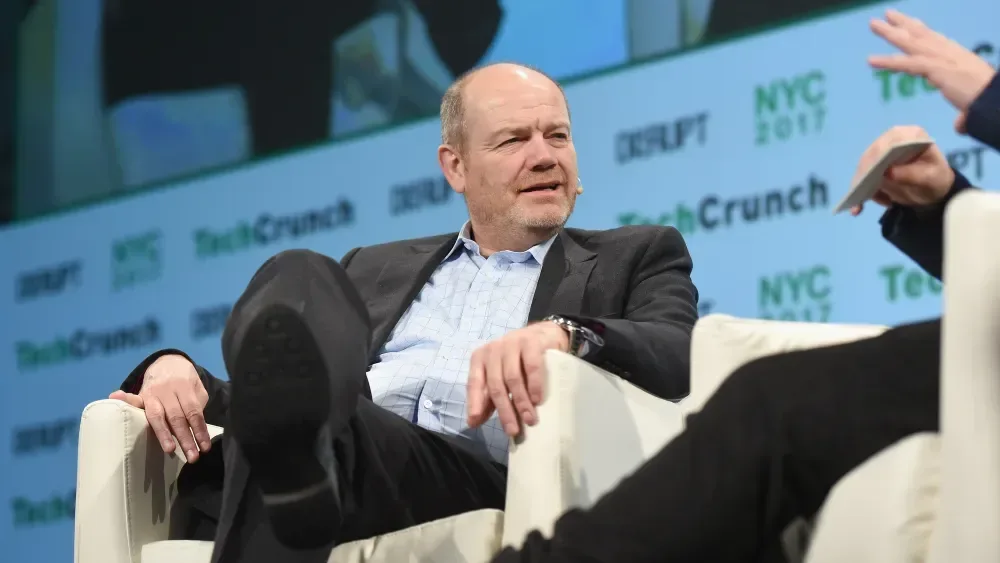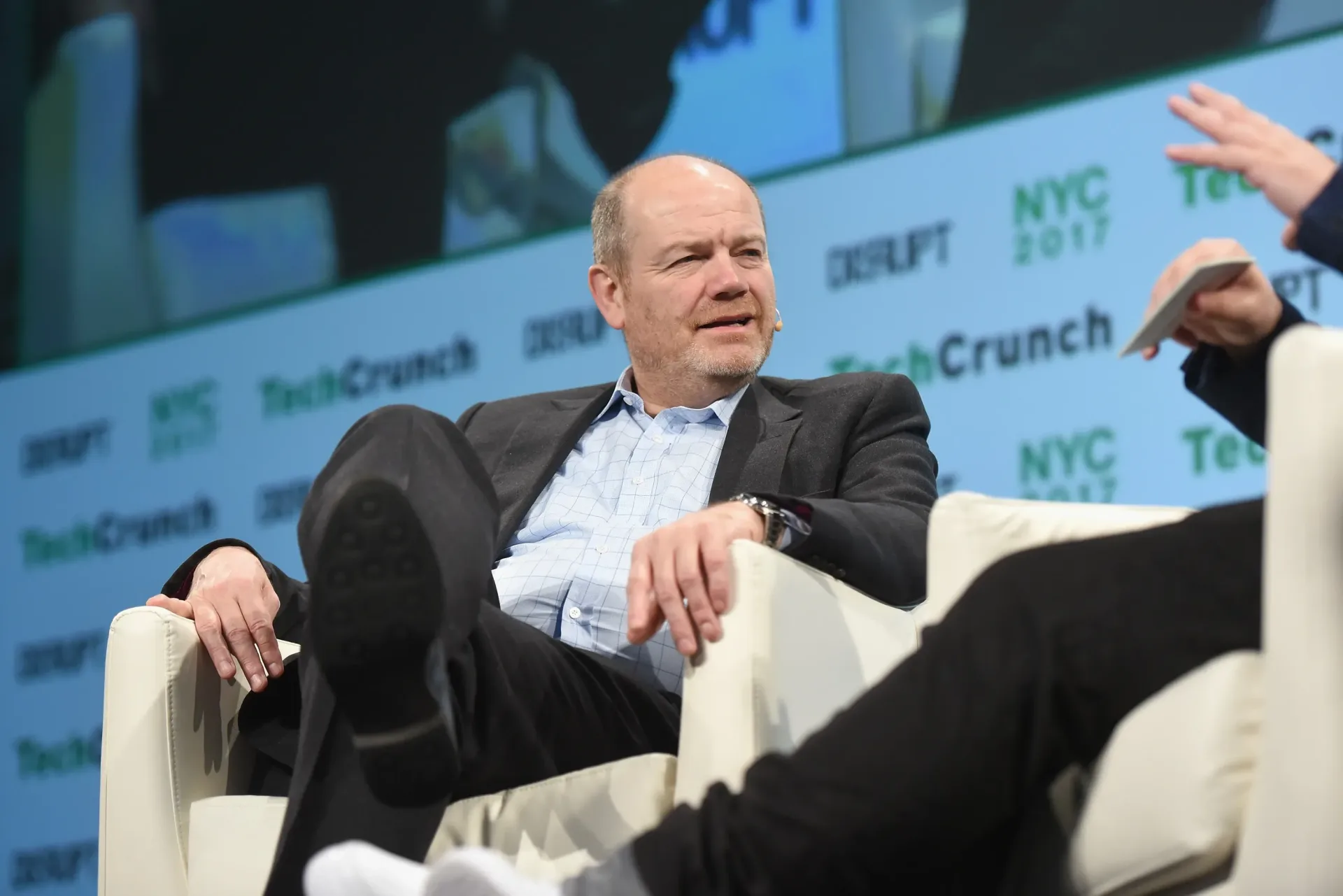
CNN CEO Mark Thompson has told employees that he is “enthusiastic” about remaining with the network, but he could not offer staff a clear picture of what its next corporate chapter will look like under Paramount Skydance.
In a town hall meeting on Wednesday, Thompson said he did not know how Paramount Skydance wants to run news once its acquisition of Warner Bros. Discovery is complete. The uncertainty extends to practical details: he reportedly did not know when a transition could begin or when executives from Paramount might appear in CNN’s offices.
That is not the same thing as confirmation that a major operational change is coming immediately. It is, however, a notable admission from the person running CNN at a moment when employees are trying to assess the implications of a new owner. Thompson also cautioned that it remains unclear whether Paramount intends to combine CNN and CBS News.
What Thompson did — and did not — tell staff
The core message from the CNN chief appears straightforward. He wants to stay, but does not have a roadmap from the acquiring company to share. A town hall can often be an opportunity to settle nerves during a corporate transition; in this case, the answers available were limited by the fact that the buyer’s plans have not been communicated in detail.
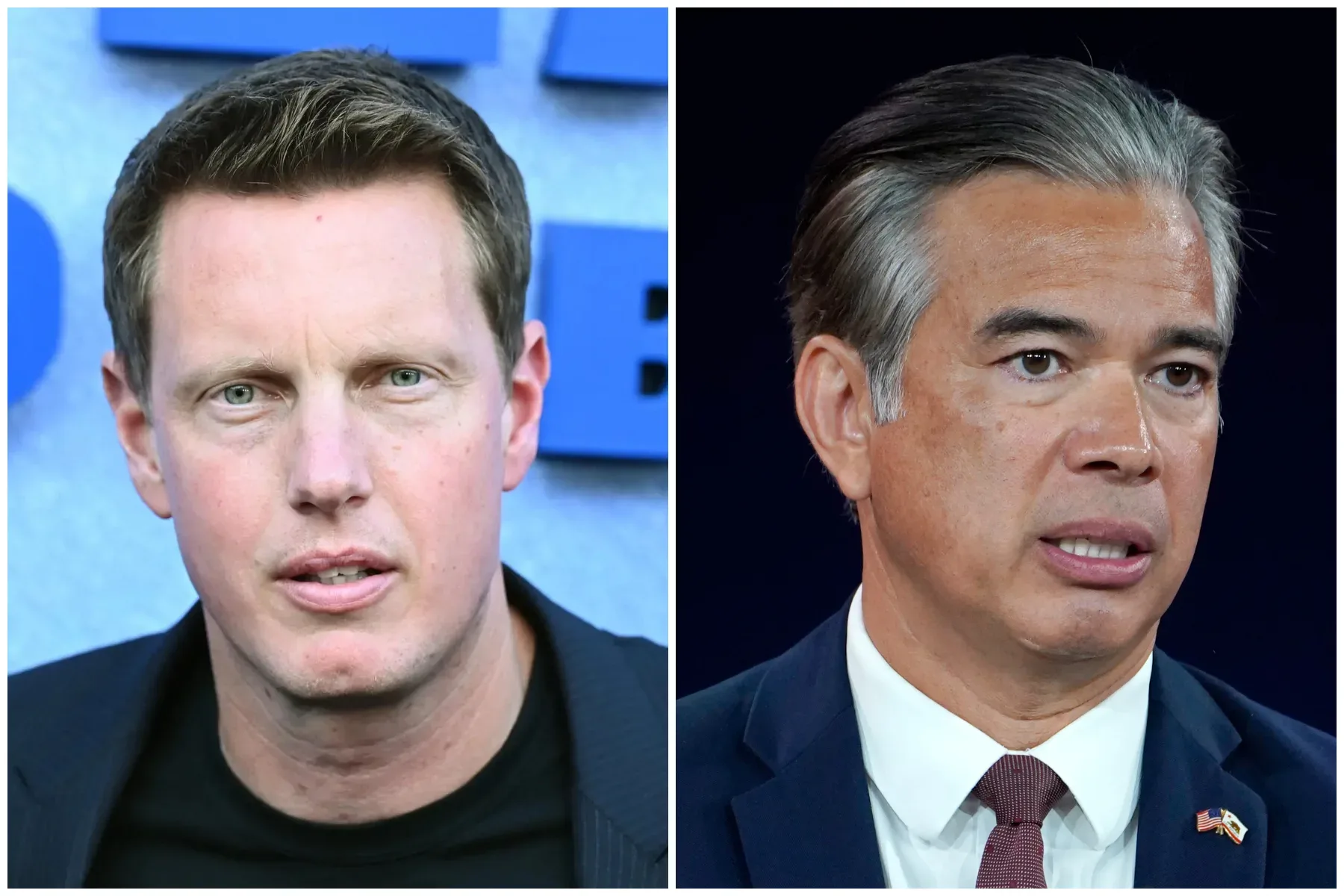
Thompson’s reported comments came after Paramount Skydance settled an antitrust lawsuit with 12 state attorneys general earlier in the week. The staff meeting itself had reportedly been scheduled several days before that development, rather than convened as a direct reaction to it.
The distinction matters. A settlement in an antitrust case and the post-acquisition plan for a news organization are separate questions. The available information does not establish a timetable for changes at CNN, an eventual leadership structure, or a plan to unite the CNN and CBS News newsrooms. Treating any of those outcomes as decided would go beyond what is known.
Why the possibility of a CNN-CBS relationship draws attention
Paramount’s ownership of CBS News naturally makes the question of overlap difficult to avoid. CNN and CBS News are both major American television-news brands, but the report does not say a merger has been approved or even proposed. Thompson explicitly indicated that he did not know whether Paramount planned to merge them.
In corporate language, a transition can mean many things. It may involve governance and reporting lines, financial planning, shared technology, programming priorities, or a review of how separate units work. It does not automatically mean that two brands will be folded together, that their shows will share a newsroom, or that on-air identities will change. The lack of detail is precisely why CNN staff are left with questions rather than firm expectations.
There is also a business dimension. Warner Bros. Discovery projected in an earlier filing with the U.S. Securities and Exchange Commission that CNN would produce $1.8 billion in revenue and $600 million in profit in 2026. Those figures position CNN as a consequential operation inside the wider transaction, not a peripheral asset whose direction can be treated as an afterthought.
Revenue is the money a business brings in; profit is what remains after costs. The projected gap between the two is therefore relevant to any owner considering investments, cost structures, digital products, and the value of a globally recognizable news brand. It still does not reveal what Paramount Skydance will decide. Projections are not a public blueprint for editorial or organizational changes.
CBS News has become part of the backdrop
Concern inside CNN is being shaped in part by scrutiny of Paramount’s recent stewardship of CBS News. Bari Weiss, installed as editor in chief last year, has become a focal point in that conversation. The changes associated with her tenure have prompted criticism and public unease among some CBS News personalities, including social-media responses to posts arguing that her prior work as a digital entrepreneur and opinion writer could complicate perceptions of the network’s journalism.
That background is significant because a news organization depends on both audience trust and internal confidence in editorial processes. Editorial independence refers to a newsroom’s ability to make reporting decisions on journalistic grounds rather than outside political, commercial, or ideological pressure. It is not a claim that reporters never make judgment calls; journalism necessarily involves judgment about verification, relevance, framing, and timing. The concern is whether those judgments are made through established editorial standards.
The recent adjustments to CBS Mornings and CBS Evening News are still too new for a final assessment. Both programs continue to trail rivals in ratings, with the morning program experiencing substantial erosion. The overhaul of 60 Minutes, meanwhile, has generated criticism and backlash around a franchise that has long held an especially prominent place in television news.
None of that proves a particular approach will be imposed on CNN. It does explain why employees could see the ownership shift as more than a routine balance-sheet event. Corporate ownership affects the environment in which executives set priorities, allocate money, define success, and choose leadership. At a news outlet, those choices may reach programming, digital expansion, staffing and the public’s confidence in the institution.
CNN’s current strategy has centered on digital audiences
Thompson’s tenure has included an effort to bring CNN’s reporting to younger viewers and digital audiences. That strategy is visible in experiments around CNN All Access, a subscription service testing new formats, as well as in the growing prominence of figures including Abby Phillip and Harry Enten.
Digital audience strategy is broader than simply placing television clips online. For a legacy news brand, it can encompass direct subscriptions, formats designed for devices and platforms beyond linear TV, recognizable hosts and analysts, and ways of packaging reporting for people who may not watch a scheduled cable-news program. CNN All Access is relevant because subscription experiments ask audiences to make a more direct financial commitment than casual viewing or social-media discovery.
Whether Paramount Skydance supports, reshapes, or replaces elements of that strategy remains unknown. But the existing focus makes the lack of a clear transition plan more consequential. A new parent company will inherit not just a television network, but an ongoing attempt to find sustainable ways to reach audiences whose media habits are changing.
The challenge is familiar across entertainment and technology businesses: established brands must make long-term product decisions while ownership, distribution and audience behavior are in motion. The games business is confronting similar questions about centralized control and organizational restructuring, as seen in recent changes to Halo’s studio structure under Xbox. The industries are different, but the immediate employee concern is recognizable: who will make the decisions, what will change, and when will people receive concrete answers?
The most important unanswered questions
For now, CNN employees do not have public answers to the issues most likely to shape their working environment. Is Paramount Skydance considering a formal relationship between CNN and CBS News? Will CNN’s leadership and digital initiatives continue as they are? What transition schedule, if any, will follow the completion of the Warner Bros. Discovery acquisition? And how will Paramount define the role of a profitable CNN business within its larger portfolio?
Thompson’s willingness to say that he wants to remain gives staff one clear data point about his own intentions. His inability to describe Paramount’s plans provides another, arguably more important, one: the post-deal structure has not been explained publicly in enough detail for CNN’s leadership to map out the next phase.
Until that changes, reports about a CNN-CBS merger, major personnel moves, or immediate editorial shifts should be treated as speculation rather than settled fact. The confirmed picture is narrower: Paramount Skydance is expected to become CNN’s corporate parent through its Warner Bros. Discovery acquisition, CNN’s CEO says he would like to stay, and he says he does not yet know how the new owner intends to run news.