LinkedIn is preparing a set of changes for the increasingly common professional reality where one person has more than one thing going on. A full-time role may sit beside consulting, a small business, content creation, a new software project or another continuing pursuit. The platform’s answer is to make those parallel ambitions easier to display, follow and, in some cases, monetize.
The updates include profile changes designed to better highlight multiple jobs, a test of a feed limited to an individual’s existing network and followed accounts, a digital business card for phone wallet apps, creator analytics, expanded video-ad revenue sharing, and paid one-to-one “Advice Sessions” for eligible business users in the United States.
It is a notably broad pitch. Rather than treating professional identity as a clean ladder from one job to the next, LinkedIn is positioning its product around a messier model: work as a collection of simultaneous roles. That is less “choose your class” and more “your character sheet has become difficult to fit on one screen.”
Profiles are being tuned for people with more than one role
The foundational change is simple: LinkedIn is adjusting profiles so members can better show multiple jobs. That may sound like routine interface work, but it reflects a real constraint in how professional platforms present people. A traditional résumé structure emphasizes chronology and a primary employer. It is less naturally suited to someone who is both an employee and founder, or someone who maintains a client-facing practice while holding another ongoing position.
LinkedIn says it has seen a 70% increase over the past year in people adding “founder” to their profiles. It also says more users are listing multiple active roles. Those figures describe activity on LinkedIn rather than proving why it is happening, but they help explain why the company is reworking profile presentation.
The practical value of a clearer multi-role profile is context. Someone meeting a potential client may want their advisory business to be visible. A collaborator may need to understand that a person’s game prototype, newsletter, consulting work or studio is not merely a long-abandoned hobby. On the other hand, more prominent role displays could make the old task of maintaining a profile more delicate. Users will have to decide what is genuinely current, what is relevant to the audience they want to reach, and what could be misleading without explanation.
A “side hustle” can cover a vast range of commitment. It can mean an early experiment, regular freelance work, an incorporated business or a long-term creative endeavor. Better profile tools do not resolve that ambiguity by themselves. They can, however, give users a more appropriate place to state the relationship between their roles instead of forcing everything into the shadow of one headline.
A network-only feed test aims to cut through recommendations
LinkedIn is also testing a “network” feed. Unlike a recommendation-driven feed, this version will show posts and updates from existing connections and accounts a member follows. In straightforward terms, it is an attempt to return attention to people a user has already opted into hearing from.
Algorithmic recommendations are posts selected by a system, usually based on predicted relevance or engagement. They can introduce useful people and topics, but they also make a feed less predictable. A network-only feed changes the question from “what does the platform think will hold my interest?” to “what have I explicitly chosen to keep up with?”
For users building a side business or creative project, that difference could matter. Professional relationships are often maintained through small signals: a former colleague’s new role, a client’s update, a collaborator’s post or a contact’s public request for expertise. A feed centered on direct connections could make those signals easier to spot, provided the people in a user’s network are active in the first place.
There is a trade-off. Recommendations can help small or new voices reach beyond their immediate circles, while a network feed prioritizes familiarity. LinkedIn is testing the option rather than describing it as a full replacement for its existing feed. That distinction is important: it suggests an additional way to browse, not an established new default.
The business card is a bridge from meeting someone to staying connected
Another addition is a LinkedIn business card that can be stored in a phone’s wallet app. The goal is to make in-person connection easier after people meet offline. The details matter less than the friction it tries to remove: exchanging information at an event, during a meeting or after a conversation can be awkwardly split between verbal introductions, searches and follow-up messages.
A wallet-based card gives people a dedicated professional contact surface on a device they already carry. The value will depend on how smoothly it works in the moment and whether both people are comfortable connecting immediately. Still, it fits the larger strategy. LinkedIn is not only trying to improve profiles once someone arrives on the site; it is trying to become part of the handoff from real-world networking to an online professional relationship.
Advice Sessions turn expertise into bookable paid meetings
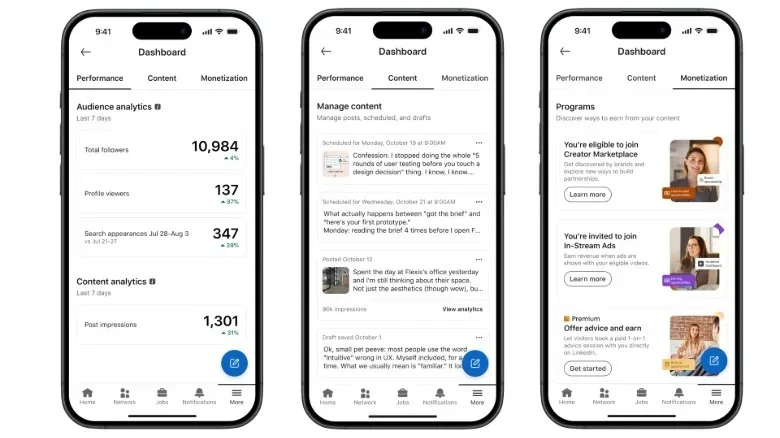
The most direct monetization feature is called Advice Sessions. It will let founders and business owners offer paid one-on-one meetings and consultations through LinkedIn. Initially, it will be available in the United States to users with a business premium subscription. LinkedIn says it will not take a percentage of what users earn from these sessions.
That last point is consequential. A platform fee is a portion of the transaction paid to the company facilitating it. LinkedIn says Advice Sessions will not involve such a cut, although access is initially tied to a specific paid subscription tier. The information available does not establish other terms, payment details or whether the offering will expand beyond the initial group, so prospective users should avoid assuming more than what has been stated.
The feature has an obvious appeal for people whose work is based on specialized knowledge: an operator with experience in a field, a founder who advises early-stage businesses, or a creator who has built an audience around practical expertise. It provides a formal route from “someone sent me a message asking to pick my brain” to “here is a defined, paid consultation.”
But booking infrastructure is not the same thing as a business model. A profile and scheduling tool can make an offer easier to discover and purchase; they cannot establish that the offer is useful, differentiated or suited to the customer’s needs. That gap is central to the broader discussion of AI and entrepreneurship now appearing around these changes.
Analytics and video revenue tools target professional creators
LinkedIn is introducing a new analytics dashboard intended to help creators understand how their posts perform. Analytics are measurements that show how content is doing; the company has not specified the metrics available in the supplied details. Even so, a dedicated dashboard signals that publishing on the platform is being treated as more than an occasional add-on to maintaining a résumé.
For creators, performance information can shape practical decisions: what subjects deserve further work, whether a format is resonating, and which updates generate attention from a relevant audience. The caveat is equally familiar: measurement helps people inspect outcomes, but it does not dictate what is worth saying. Professional content can be valuable to a small, highly relevant audience even if it does not produce the biggest apparent response.
Video creators are also set to receive an expansion of LinkedIn’s revenue-sharing program. Revenue sharing means the platform passes along a portion of money generated by advertising—in this case, pre-roll ads, which run before a video starts. LinkedIn has not provided, in the available information, a timeline, eligibility rules or payment amounts for that expansion.
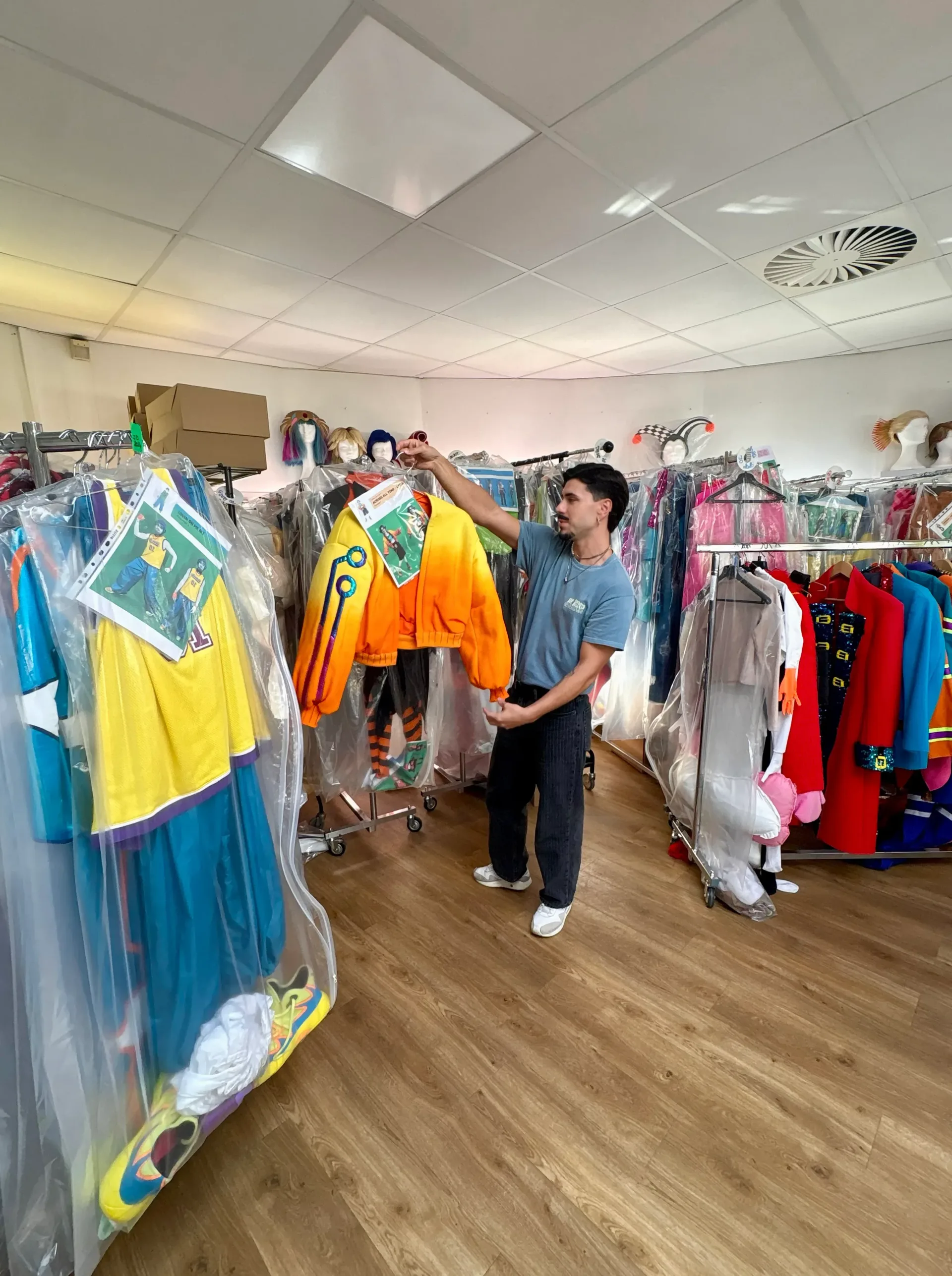
The move puts video alongside consultations as a possible income stream for users building an audience around professional expertise. Neither tool guarantees an audience, and neither eliminates the challenge of creating work people want to return to. But together they show LinkedIn looking beyond recruitment and networking toward a more creator-oriented professional ecosystem. That evolution has clear relevance for people developing projects in adjacent fields, including the independent creators behind work showcased in places such as Steam Next Fest demos, where visibility and a credible professional presence can be part of a project’s wider journey.
AI may speed up making things, not necessarily building companies
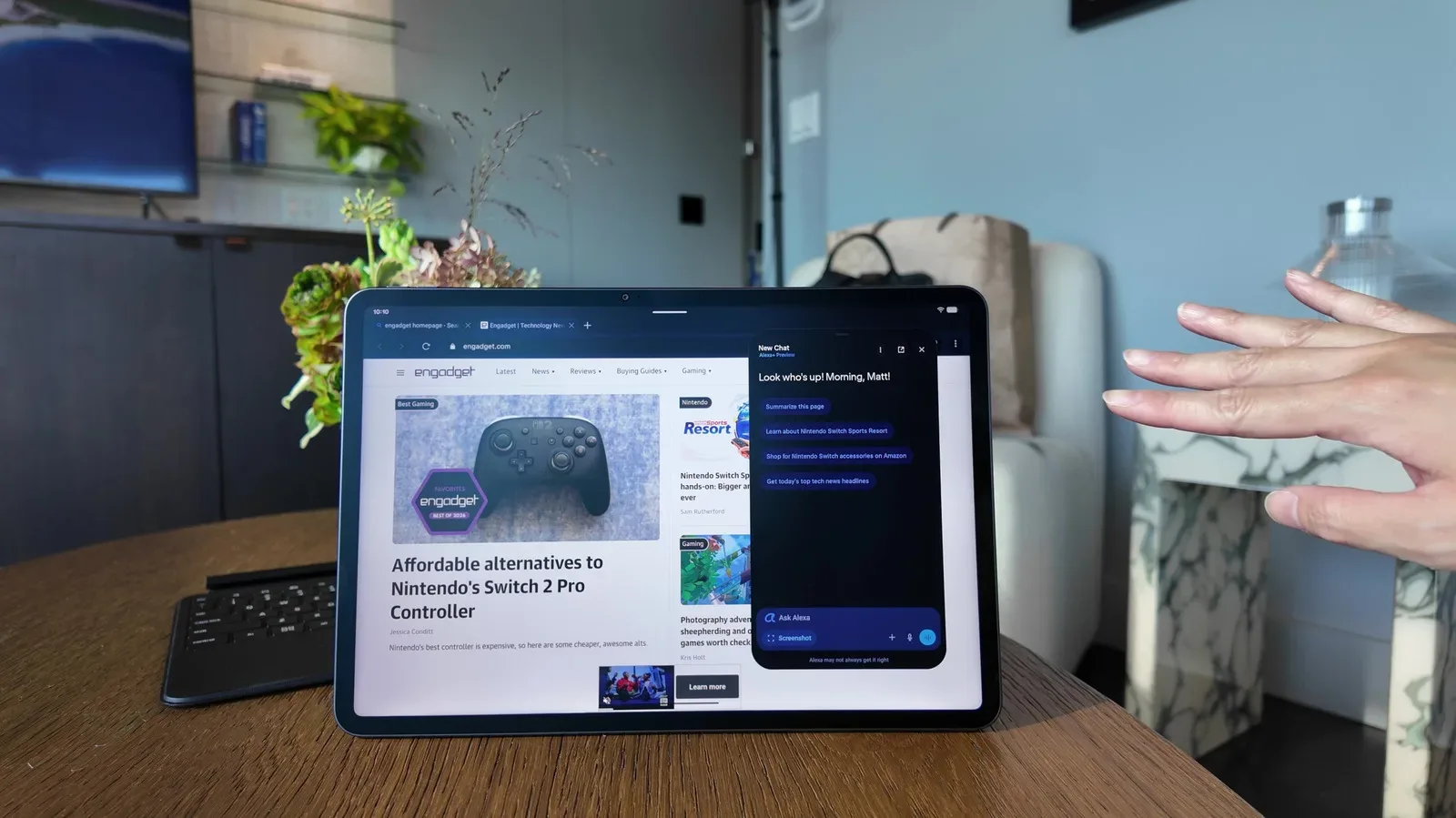
LinkedIn frames the changes around shifting work patterns and the rise of AI. One term in this conversation is “vibe coding,” a loose label for building software by directing AI tools in natural language rather than writing every piece of code in the conventional way. The concept has become shorthand for the idea that it is faster and easier to turn an idea into a working software project.
That may be useful for prototyping, but it is not equivalent to creating a sustainable venture. LinkedIn Chief Product Officer Hari Srinivasan said the company’s data indicates more people are starting businesses, while also saying it is difficult to determine the reasons behind that trend. He further cautioned that AI can help people build impressive things without necessarily making it easier to build a business.
That is an important distinction. A product is something made; a business also involves finding customers, communicating value, managing relationships and making the economics work. LinkedIn’s upcoming tools cluster around several of those non-building tasks: presenting professional identity, staying current with contacts, creating a pathway to paid advice, evaluating content performance and connecting in person.
The company is not claiming that a network feed or a digital card solves the hard parts. Rather, these features collectively acknowledge that people attempting multiple roles need tools for the social and commercial layer surrounding their work. In that sense, LinkedIn’s new direction is less about replacing the day job and more about making the professional side quest legible—then giving it a few more ways to grow.