Amazon has renamed Kindle Unlimited as Kindle+, turning a familiar reading subscription into the latest service to acquire a plus sign and, more importantly, a larger audiobook offering. The renamed service is already live, and Amazon says subscribers retain access to the books, comics and magazines that were available under the old name.
The practical changes are deliberately modest for current members. Kindle+ remains priced at $12 per month and still lets a subscriber borrow up to 20 titles at one time. Amazon also says each user’s reading history, bookmarks, notes and saved titles will carry over. In other words, this is a rebrand rather than a reset: readers should not need to rebuild their libraries or lose the organizational work attached to them.
The substantive update is audio. Amazon says Kindle+ includes thousands more audiobooks, broadening the role of a subscription that previously centered on borrowing reading material. The change also creates another route for self-published writers using Kindle Direct Publishing to put audiobook editions into the service.
What changes for Kindle Unlimited subscribers
For anyone who used Kindle Unlimited, the first question is whether Kindle+ changes the basic arrangement. On the details disclosed so far, the answer is mostly no. The monthly charge is unchanged, the 20-title borrowing ceiling remains, and the underlying mix of books, magazines and comics is still part of the catalog.
- New name: Kindle Unlimited is now Kindle+.
- Monthly cost: $12 per month.
- Borrowing limit: Up to 20 titles at a time.
- Existing library data: Reading history, bookmarks, notes and saved titles carry over.
- Catalog addition: Amazon says there are thousands more audiobooks.
- Where it works: Kindle+ works in the Kindle app and across Amazon’s redesigned Kindle hardware lineup.
That continuity matters because subscriptions can accumulate a lot of quiet personal administration. A saved-title list may function as a reading queue. Bookmarks and notes can be useful references. Reading history can help a person find a title they started long ago. Amazon’s statement that this material transfers means the company is presenting Kindle+ as the continuation of the existing account experience, not a separate service that requires subscribers to begin again.
The same applies to the 20-title cap. A borrowing limit is different from a permanent digital purchase: it controls how many items a subscriber can have checked out at once. Keeping that number at 20 means the name change does not, by itself, expand the number of books, comics, magazines or audiobooks a member can actively borrow at any one moment.
Audio is the meaningful expansion
Kindle+ is expanding beyond text by adding a larger selection of audiobooks. Amazon’s description is specific about scale only in broad terms—“thousands more”—so subscribers should treat the update as an enlargement of the audiobook pool rather than an assurance that every book in the service has an audio edition.
That distinction is important. A subscription catalog is not the same thing as a complete storefront. Kindle+ can offer an audiobook alongside a particular ebook, offer only the written edition, or include audio titles that a reader would not otherwise encounter while browsing books and comics. The reported change is about the selection available through this subscription, not a claim that every title sold through Amazon is now borrowable in audio.
Related coverage includes Amazon Renames Kindle Unlimited as Kindle+ With More Audiobooks.
For readers who switch formats depending on circumstances, the added audio component potentially makes one membership more flexible. A long comic or book still has its own format-specific experience, but the service can now cover more listening as well as reading. For users who have primarily thought of Kindle Unlimited as an ebook queue, Kindle+ signals that Amazon wants the subscription understood more broadly.
It is also a logical reason for the rename. “Unlimited” emphasized breadth, even though the service has a 20-item borrowing limit. “Plus” suggests an added bundle of benefits, with the expanded audiobook catalog as the clear new element. The plus sign may be a cosmetic shift, but it is tied to a concrete catalog increase.
Kindle Direct Publishing becomes part of the audiobook expansion
Amazon is growing Kindle+’s audiobook selection in part through Kindle Direct Publishing, its self-publishing platform. Authors publishing through KDP may choose to include audiobooks in the service. That option applies to traditionally produced audiobook files, meaning creators can upload an established audiobook production for consideration within the Kindle+ offering.
Amazon is also testing a tool that can make audiobooks read by a “virtual voice.” In plain terms, that means a generated voice can narrate an audiobook rather than a conventional human recording being the sole path described here. The company characterizes the feature as a test, so it should not be read as a statement that every KDP title will receive generated narration or that all audio now uses that approach.
The two routes matter because they describe different kinds of additions to the catalog. A traditionally produced audiobook is an audio work that an author has already made and uploads. A virtual-voice audiobook uses the system Amazon is testing to produce narration. Both can increase the number of audio editions available, but they are not interchangeable as production methods.
For independent authors, inclusion could make audio a more visible component of how their work reaches subscribers. For listeners, it means a broader catalog could include audiobooks made through different production paths. The source material does not establish what individual titles will be added, how authors will choose between the options, or how listeners will be told which narration method was used. Those are catalog-level details that remain unspecified.
What the rebrand does not establish
There are several sensible limits on what can be concluded from the announcement. Amazon has not identified every audiobook being added, nor has it said that a particular author, genre, comic series or magazine title is included. It has not described changes to the 20-title cap beyond confirming that the cap remains. And it has not said that prices, borrowing rules or account access differ by device.
Most notably, “thousands more audiobooks” is a statement about an increase, not a title-by-title catalog guarantee. Anyone evaluating Kindle+ for a specific book should check whether that work is actually available through the subscription rather than assume the new name changes the availability of an individual release.
The announcement also does not turn a borrowed item into something a member owns outright. The continued language around borrowing, plus the simultaneous borrowing limit, makes clear that the core subscription model is still access to a rotating set of titles under account rules. That is a meaningful practical difference from purchasing a specific ebook, comic, magazine issue or audiobook individually.
Where Kindle+ can be used
Kindle+ is available through Amazon’s Kindle app and on the company’s redesigned Kindle devices. That gives the renamed service the same broad home as the old one: software for reading on compatible devices and dedicated Kindle hardware for people who prefer it.
The continuity on both app and hardware is particularly useful for existing subscribers. The change should appear as an evolution of the service where they already read, rather than forcing them into a new platform. Amazon’s preservation of saved material reinforces that approach.
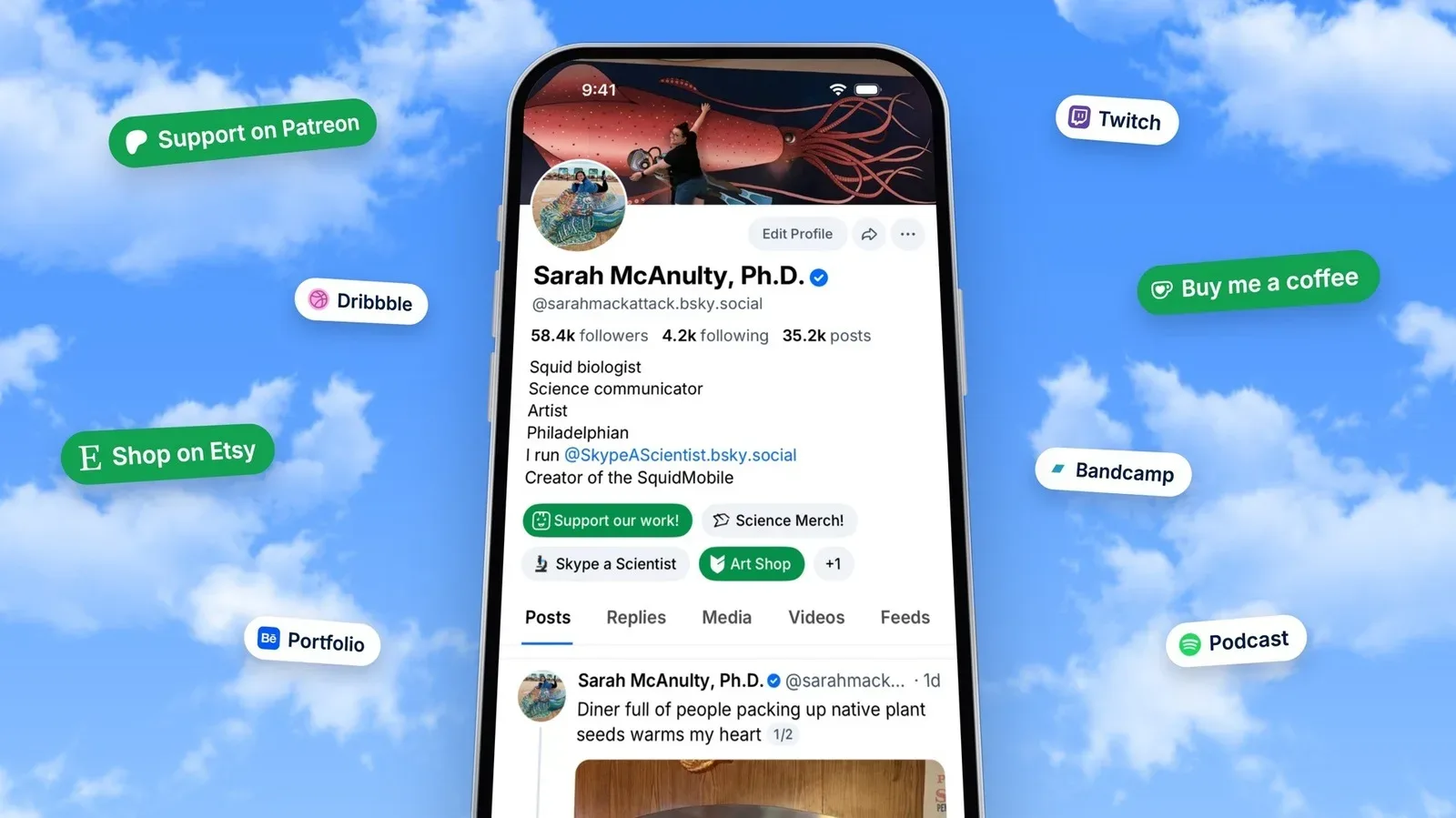
The update arrives amid a wider stream of platform changes across the technology industry; for another recent example of an app expanding its supported screens and creator-facing profile tools, see Bluesky’s iPad beta and profile-link update. Kindle+ follows a different path, though: its headline is not a newly designed reading app or new device requirement, but a renamed subscription with more audio attached.
Why the details matter more than the plus sign
“Kindle+” is a simple name, and the shift from Kindle Unlimited may look superficial at first glance. But the useful information for subscribers sits underneath the branding. The $12 monthly price remains. The 20-title simultaneous borrowing limit remains. Saved titles, notes, bookmarks and reading history move over. Books, magazines and comics remain present. The added value Amazon is emphasizing is a larger audiobook catalog.
That makes the transition relatively easy to assess. Existing users do not need to decode a new tier structure from the details provided. They need to decide whether the extra audiobook selection makes the unchanged monthly plan more useful to them. Self-published authors, meanwhile, have another potential channel for audio editions through KDP, including traditionally produced uploads and, in testing, virtual-voice narration.
For now, Kindle+ is best understood as Kindle Unlimited with an expanded audio focus—not as an entirely new reading service. The branding may be new, but Amazon has kept the fundamental borrowing framework intact while adding more ways for members to listen.