Amazon’s October hardware push is less a single marquee reveal than a steady parade of gadgets: new Alexa-branded tablets, a full Kindle refresh, Ring’s first smart door lock and cameras, plus a revised Fire TV Stick 4K. The approach puts a spotlight on individual products rather than asking shoppers to sort through a packed launch-day catalogue.
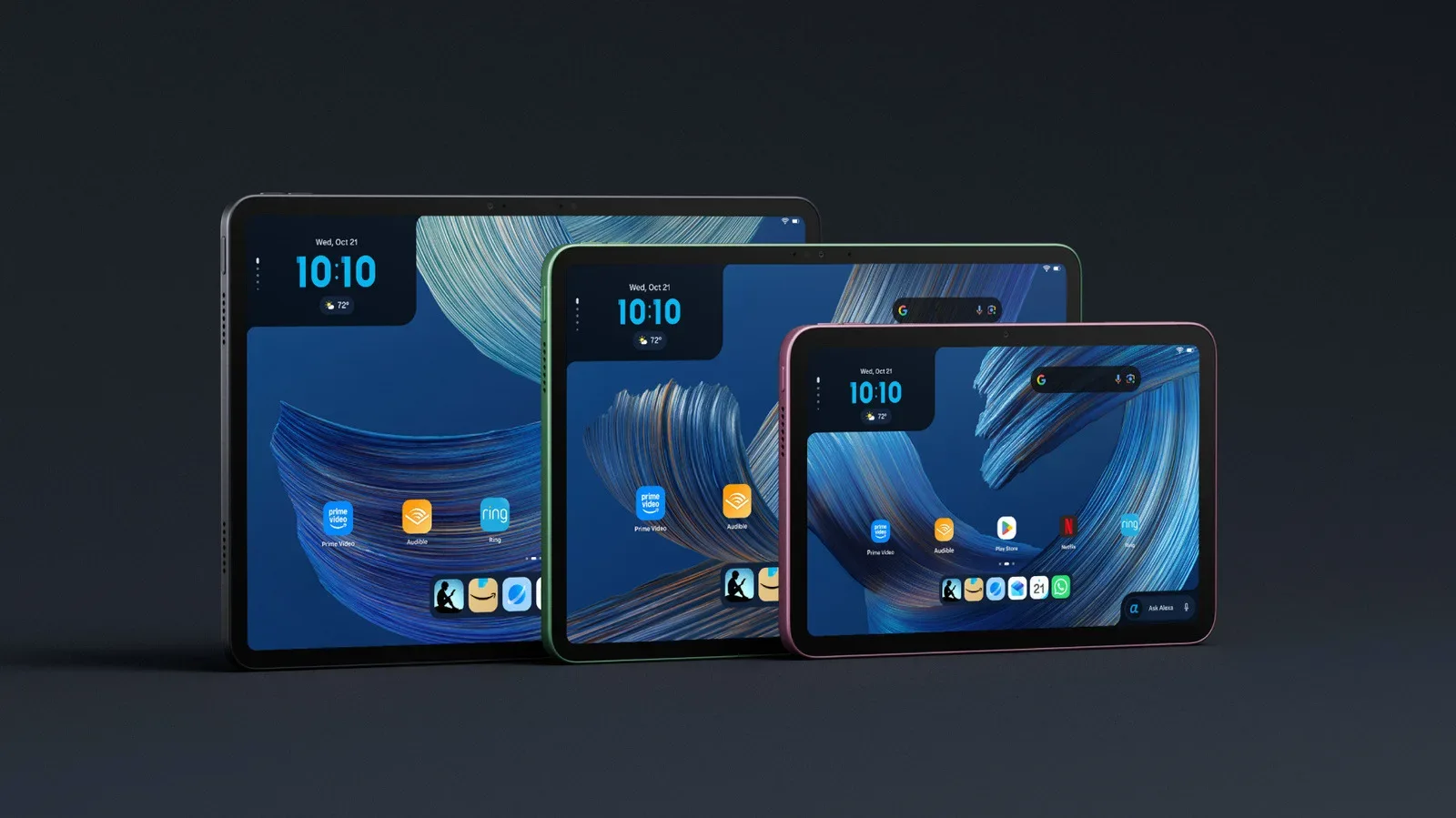
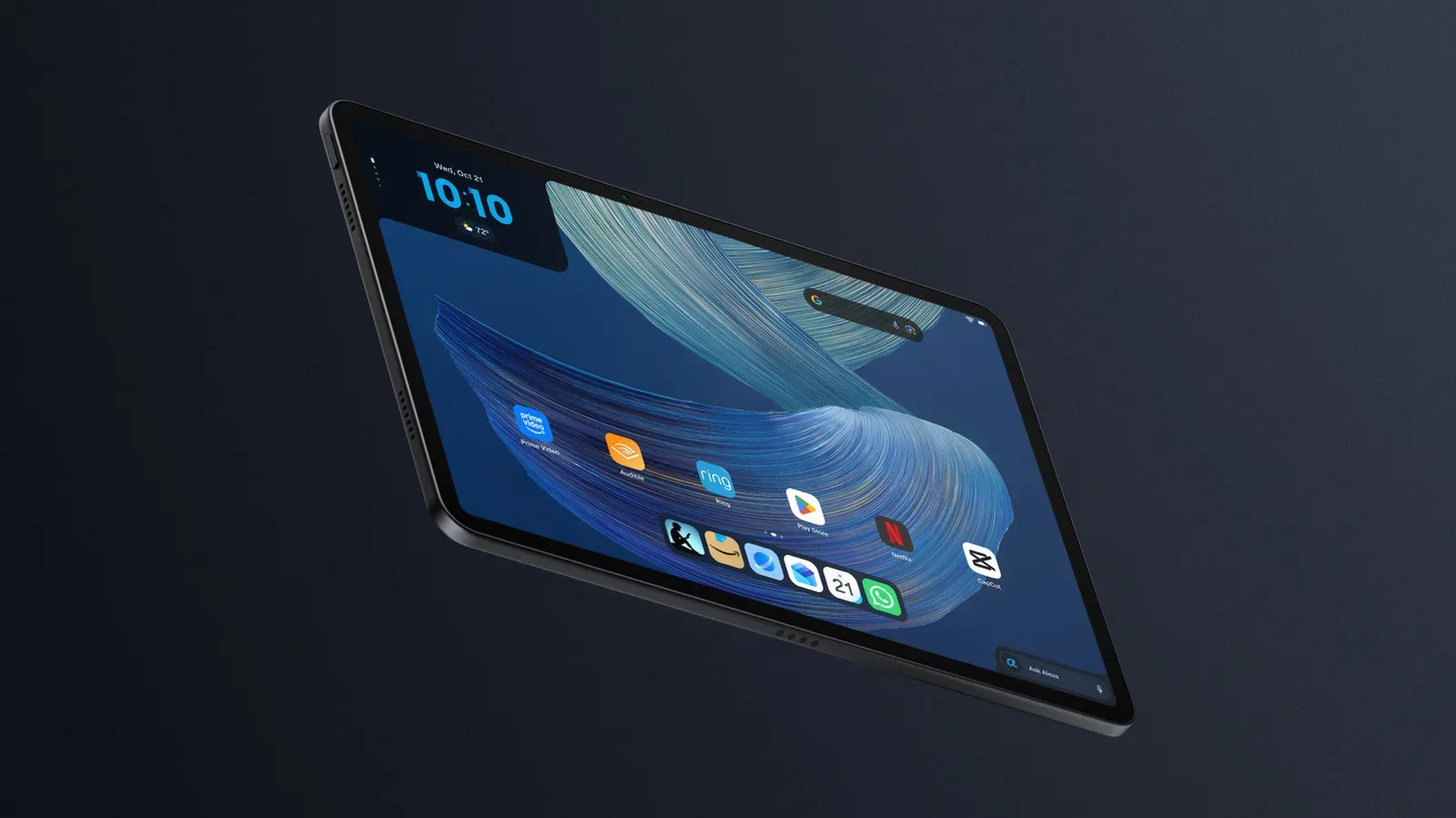
For game and entertainment households, the most consequential change is not a sharper screen or a thinner case. Amazon is moving beyond Fire OS on its tablets. The new Alexa Tablet family runs Android 16 beneath Amazon’s custom interface and includes direct access to the Google Play Store. That is a substantial shift from the older Fire tablet experience, where app selection was constrained by Amazon’s own storefront and people sometimes sought workarounds for broader Android access.
It is also a device strategy built around Alexa+. The assistant is integrated across the tablet line, and an optional feature lets users ask questions about what is currently on screen. Amazon has indicated that more Alexa-branded devices are still to come, so October’s releases look like a foundation for a broader product transition rather than a one-off tablet replacement.
Alexa Tablets replace the Fire tablet formula
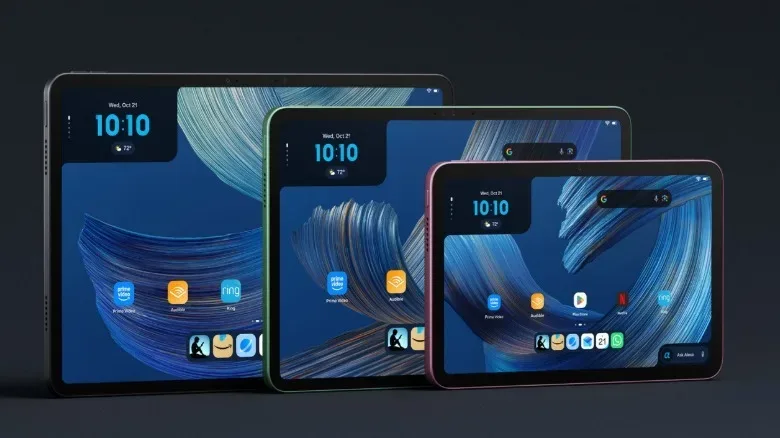
The three new models divide along familiar portable-device lines: a small entry model, a larger entertainment-oriented version and a flagship designed with productivity in mind. They are due in the United States, Mexico and Canada on October 14, followed by the UK, Germany, France, Italy and Spain five days later.
Alexa Tablet 8: the portable starting point
The Alexa Tablet 8 starts at $230. It has an 8.7-inch display, an eight-core CPU, a two-core GPU, 4GB of RAM and either 64GB or 128GB of internal storage. At 0.3 inches thick and 16.4 ounces, it is the smallest and lightest option in the group.
Amazon rates it for up to 14 hours of video playback or 19 hours of Kindle reading per charge. Those are company estimates, not independent battery-test results, and the difference between the two figures illustrates why usage type matters: continuously rendering video generally puts different demands on a device than displaying ebook pages.
Alexa Tablet 11 adds a quicker display and on-device AI hardware
The $330 Alexa Tablet 11 moves up to an 11-inch, 2.5K screen with a 90Hz refresh rate and a 16:10 aspect ratio. Refresh rate is the number of times a display updates each second; 90Hz can make scrolling and supported animated content appear smoother than a conventional 60Hz panel. A 16:10 screen is a relatively wide shape that can suit video and side-by-side viewing.
This model has 8GB of RAM, 64GB or 128GB of storage, dual Dolby Atmos speakers and an eight-core CPU. It also carries a fifth-generation MDLA NPU for on-device AI processing. An NPU, or neural processing unit, is specialized silicon intended for AI-related computing tasks. The supplied specifications establish that the tablet has local AI hardware, but they do not detail which specific Alexa+ requests or features will use it.
Amazon says the Alexa Tablet 11 can deliver up to 15 hours of video playback. It also includes a fingerprint sensor, a convenience and security feature shared with the 12 Pro.
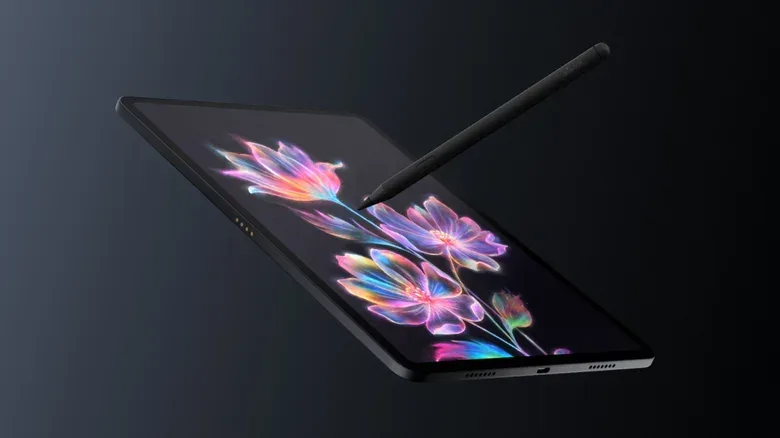
Alexa Tablet 12 Pro targets keyboard-and-pen work
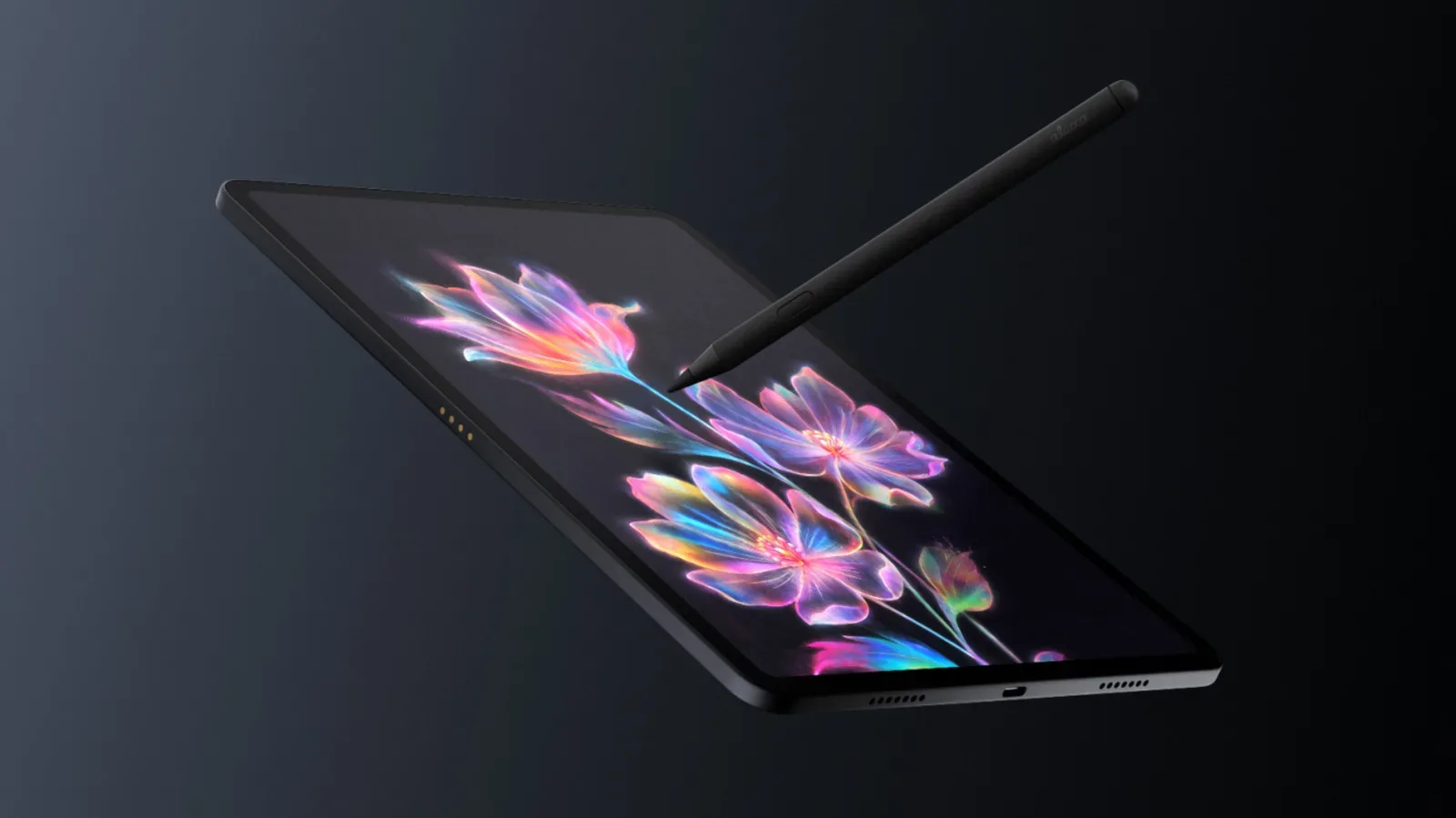
At $500, the Alexa Tablet 12 Pro is the flagship. Its 12-inch display is rated at 280 pixels per inch, uses a 3:2 aspect ratio and reaches a 120Hz refresh rate. The 3:2 shape is taller relative to its width than a typical widescreen video display, an arrangement often useful when reading, writing and working with vertically oriented documents. A 120Hz panel updates twice as often as a 60Hz display, though the perceptible benefit depends on the app and content.
The 12 Pro combines an eight-core CPU, seven-core GPU, eighth-generation MDLA NPU, 8GB of RAM and 128GB of storage. Amazon describes its processing as three times faster and its graphics as nine times faster than previous Amazon tablets. Those are the company’s comparative claims; the details of the testing methodology were not provided here.
Amazon estimates up to 16 hours of video playback and 20 hours of Kindle use. Buyers can add the $90 Alexa Tablet Pro Pen and $150 magnetic Alexa Tablet Pro Keyboard, making the accessory decision a meaningful part of the total outlay for anyone choosing the 12 Pro specifically for notes or typing.
A $50 Nanomatte display option is available. Amazon says this anti-glare finish maintains detail and color accuracy while lending ebooks a paper-like quality. Anti-glare treatments are designed to reduce distracting reflections, a practical consideration for brightly lit rooms and travel. Whether the extra charge is worthwhile will depend on where the tablet is used most often and how much the owner values that matte, reading-focused feel.
What changes for apps, reading and families
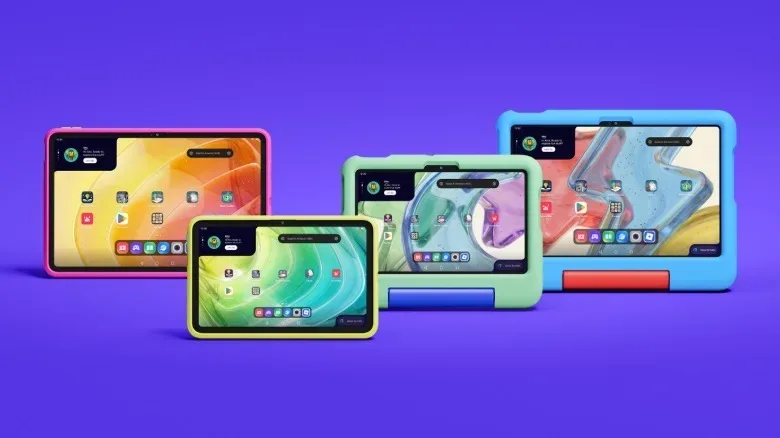
Every Alexa tablet comes with the Kindle app preinstalled. Amazon says its Kindle experience is designed to limit distractions and reduce blue light, while the Pro Pen can be used to add notes to books. The Tablet 8 and Tablet 11 will also have Kids editions with aluminum construction, protective kid-focused cases and one year of Amazon Kids+ access.
The Google Play Store inclusion is the headline practical change. Direct Play Store access should give buyers a more straightforward route to Android apps than the prior Fire OS approach. That matters as much for everyday services as for entertainment: a tablet is typically only as flexible as the software a household needs to run on it.
There is one storage caveat. The supplied information indicates the Alexa tablets do not include a microSD slot for expansion. Prospective buyers should therefore weigh the 64GB, 128GB and, for the 12 Pro, fixed 128GB configurations against the apps, downloads and media they expect to keep locally. The lack of expandable storage makes that initial choice more permanent than it was on devices that accept memory cards.
Kindle refresh keeps dedicated reading front and center
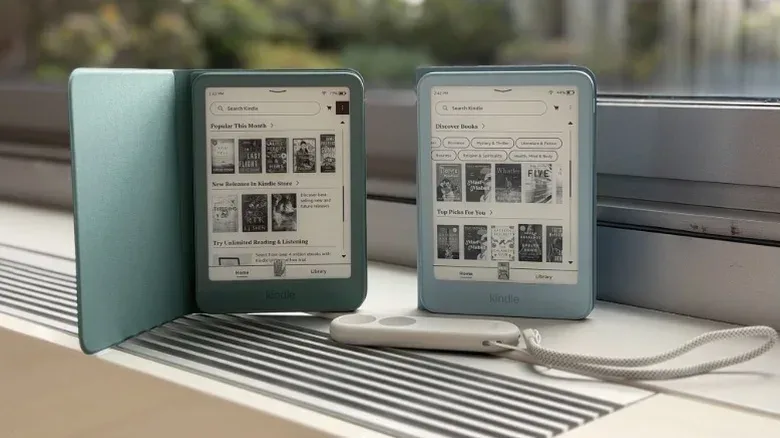
Amazon has also updated its Kindle range, from a six-inch base reader to Paperwhite and Colorsoft models. The split is clear: these are dedicated reading devices, while the Alexa tablets combine reading with broader Android tablet functions.
The new standard Kindle starts at $150, with a $20 premium to remove lockscreen ads. It measures 6.8mm thick, one millimeter thinner than the preceding model, and weighs five ounces. Its flush six-inch screen is housed in Graphite or Ube, a purple color option. Amazon says it opens books 30 percent faster than the earlier version and lasts up to six weeks per charge.
A $190 version adds an aluminum casing and 32GB of storage, double the standard version’s capacity, with Alpine Sky and Seaglass Green finishes.
The new Kindle Paperwhite costs $200 with lockscreen ads or $220 without them. It has a seven-inch display, 16GB of storage, adjustable warm light and what Amazon calls the highest contrast ratio on a Paperwhite to date. It is also thinner and lighter than the prior version, according to Amazon. Warm light refers to display illumination that can be adjusted toward a less cool, more amber tone.
The $250 Paperwhite Signature Edition removes lockscreen ads and adds a 32GB capacity, aluminum rear casing, auto-adjusting light and double-tap page turns. It comes in Graphite or Seaglass Green. The double-tap feature offers another way to advance pages without reaching for the touchscreen controls.
Color reading remains the premium branch of the lineup. The seven-inch Kindle Colorsoft has improved clarity and edge-to-edge color, Amazon says, and is thinner and lighter than its predecessor. The 16GB standard model costs $290 and carries no ads. A $320 Colorsoft Signature Edition adds a 32GB capacity, aluminum design, auto-adjusting front light, double-tap turns and a Fig color option. Amazon rates both Colorsoft models for up to eight weeks of battery life.
Kids versions of the ereaders add child-oriented covers and a year of Kids+ access. For families comparing the new tablets with these readers, the central distinction is purpose: the Kindle range prioritizes the focused reading experience and long quoted battery estimates, whereas the tablets add full Android app access, color displays and assistant features.
Ring adds a battery-backup answer for lockouts
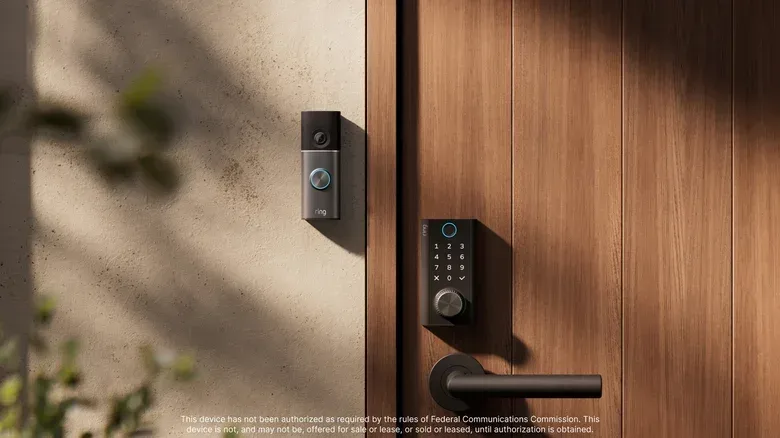
Ring’s first smart door lock is due early next year at $249. The Ring Smart Lock includes a fingerprint reader, keypad and Alexa locking or unlocking support. Its standout design choice is a hand crank that can generate enough power to operate the lock if its battery runs out, allowing the person at the door to get inside.
That crank is a direct response to a basic concern around battery-dependent entry hardware. It does not eliminate the need to manage the lock’s power, but it offers a stated fallback in the exact situation buyers will worry about most: arriving home to an exhausted battery.
Ring has also revised several cameras. Outdoor Cam 4K Plus, Spotlight Cam 4K Plus, Floodlight Cam 4K Plus and Indoor Cam 4K support Retinal 4K video capture. Separately, the new Pan-Tilt Indoor Cam 2K can rotate through 360 degrees and tilt 175 degrees, automatically following detected movement. Coverage and motion-following are the key practical ideas here: the camera can reposition itself across a wide area rather than being fixed to one direction.
A leaner Fire TV Stick 4K rounds out the entertainment changes
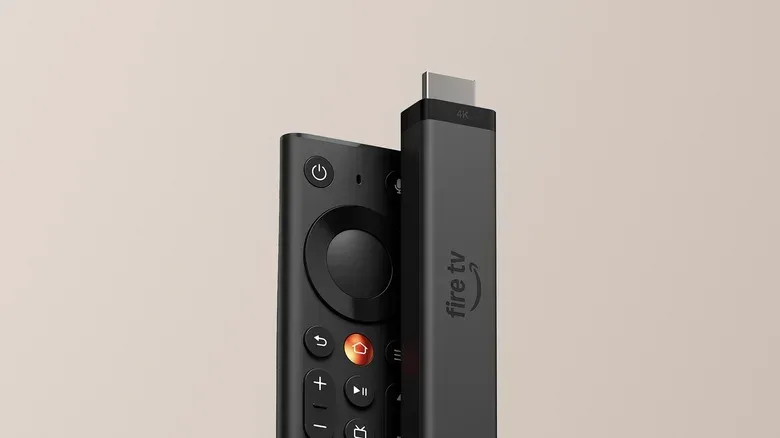
Amazon’s $60 Fire TV Stick 4K arrived at the end of September, but it belongs in the same run of living-room updates. The device is slimmer than earlier models, can draw power from a television’s USB port, includes 8GB of storage, a four-core processor, Wi-Fi 6 and Alexa+ support. Amazon has also redesigned the remote.
The company says the new model powers on faster, launches apps more than 35 percent faster and begins playback nearly 20 percent faster than its predecessor. As with other vendor performance comparisons, those percentages should be read as Amazon’s claims rather than a universal promise for every network, television and app setup. Still, the emphasis is sensible: for a streaming stick, the time spent waiting for an app or video to begin is among the most noticeable parts of daily use.
Wi-Fi 6 is a wireless networking standard intended to improve efficiency and capacity in compatible network environments. It will not single-handedly fix a slow broadband connection, but it is a relevant spec for homes where multiple devices share the network while someone is streaming video.
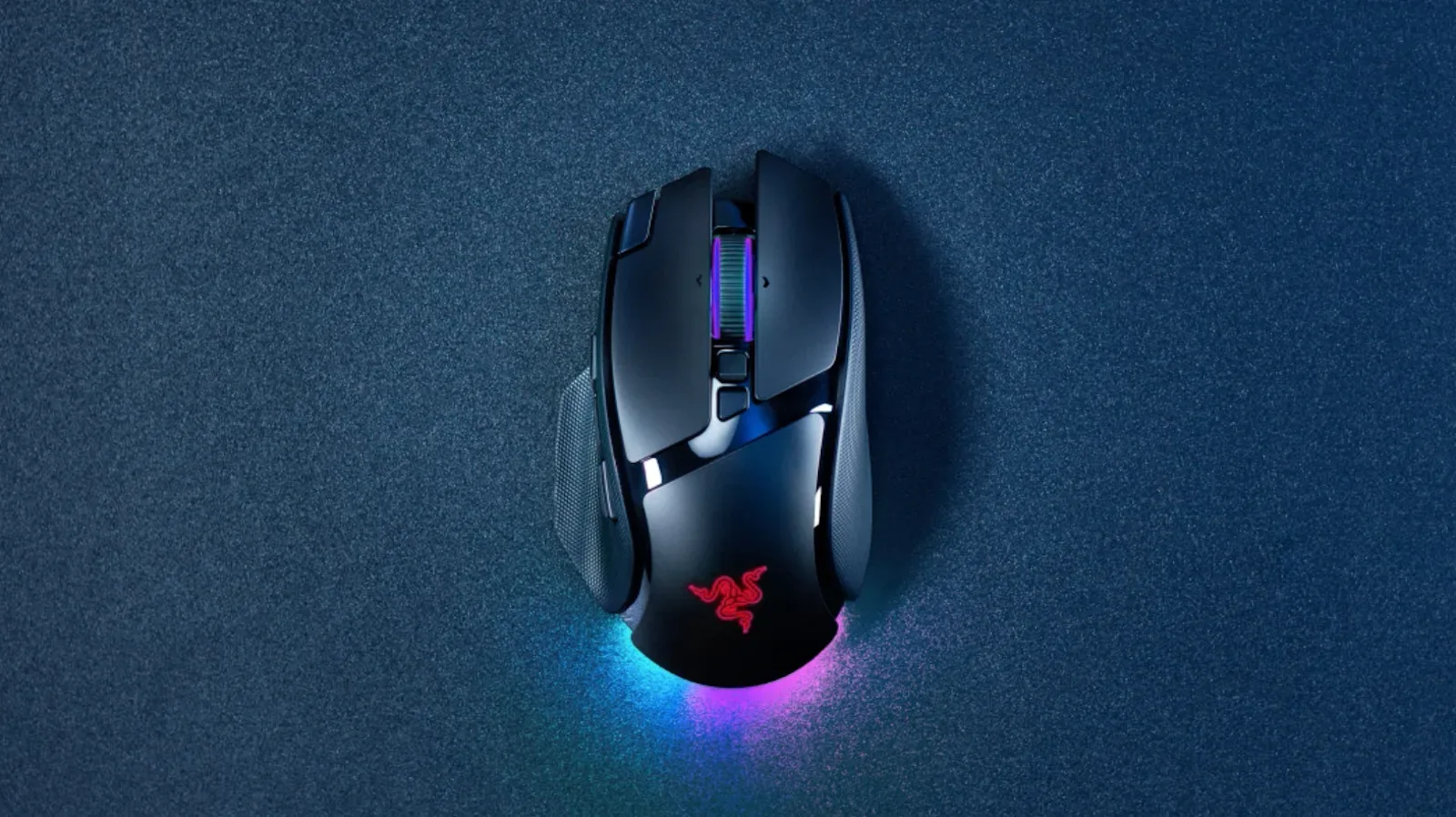
For readers keeping up with hardware that crosses PC play and living-room entertainment, the broader peripheral market is moving just as quickly; Razer’s expanded Basilisk V4 lineup is another recent example of manufacturers differentiating products with targeted performance and accessory choices.
Amazon’s October releases ultimately offer a more legible set of choices than one giant hardware event might have: Android 16 tablets for flexible app access, dedicated Kindles for reading, Ring products for home entry and monitoring, and a compact streaming update for the TV. The important shopping questions are correspondingly concrete—screen size, fixed storage, ads on certain Kindle tiers, preferred reading format and whether Alexa+ integration is a benefit in the home—not just which product has the newest name.