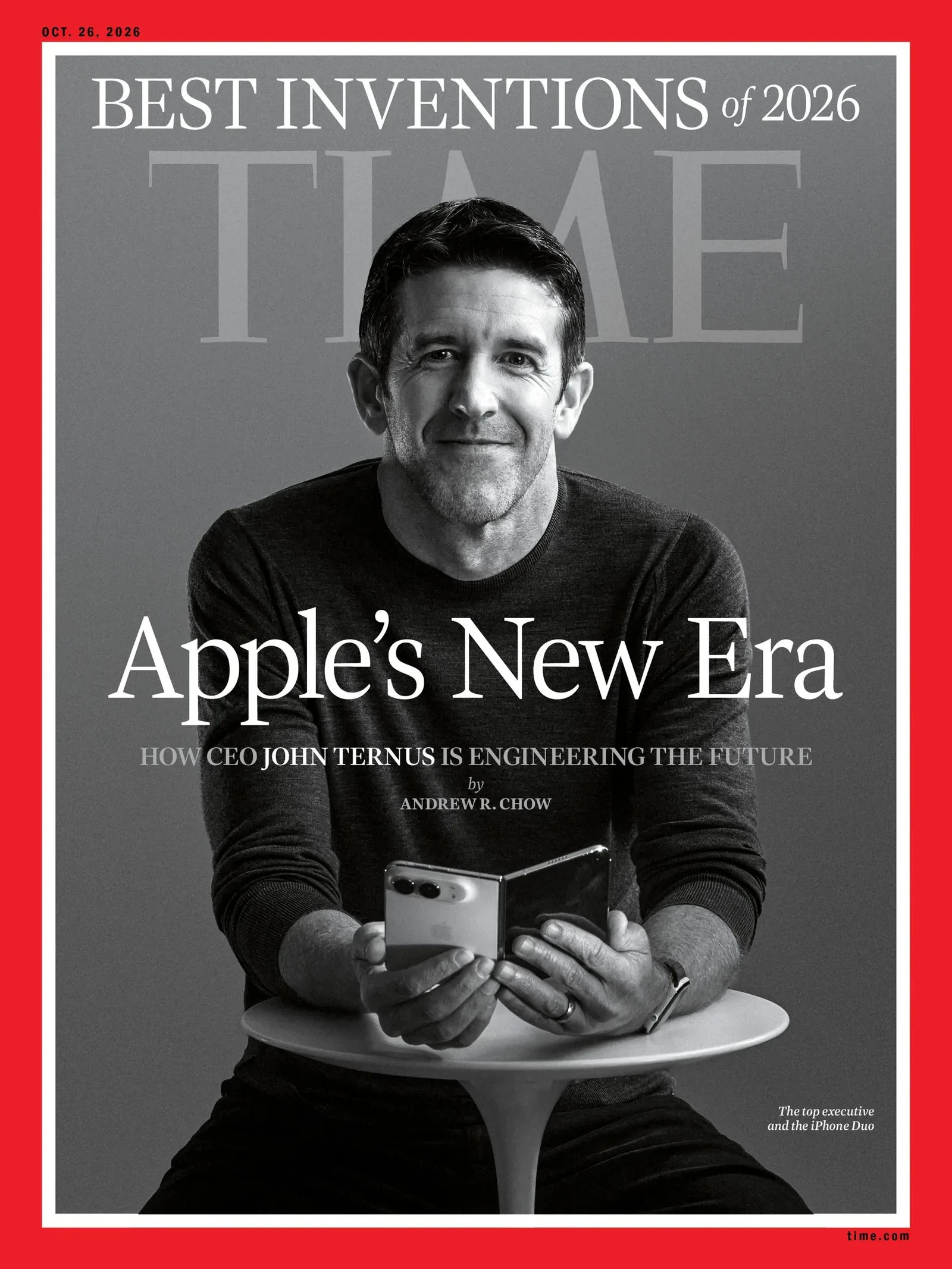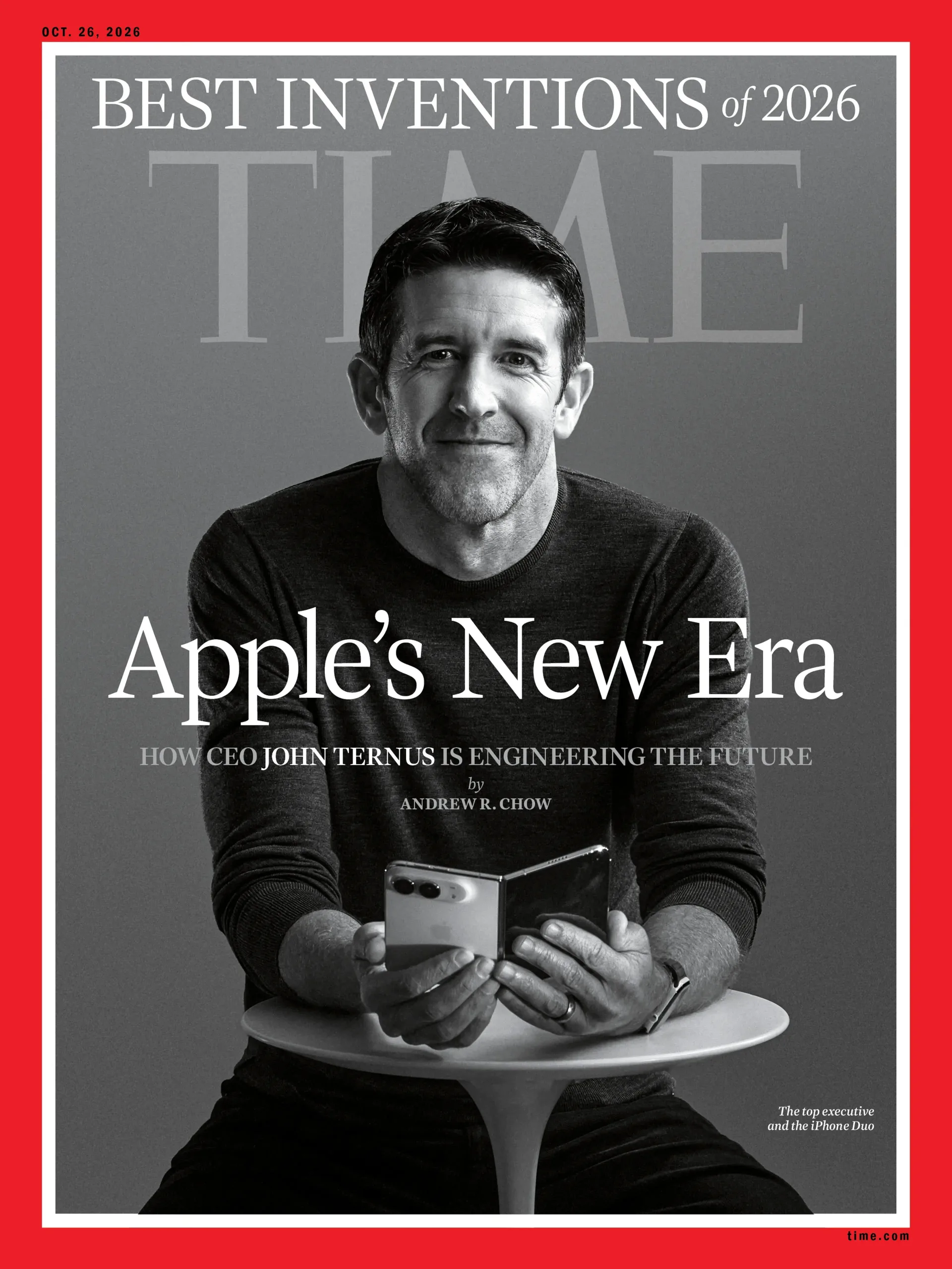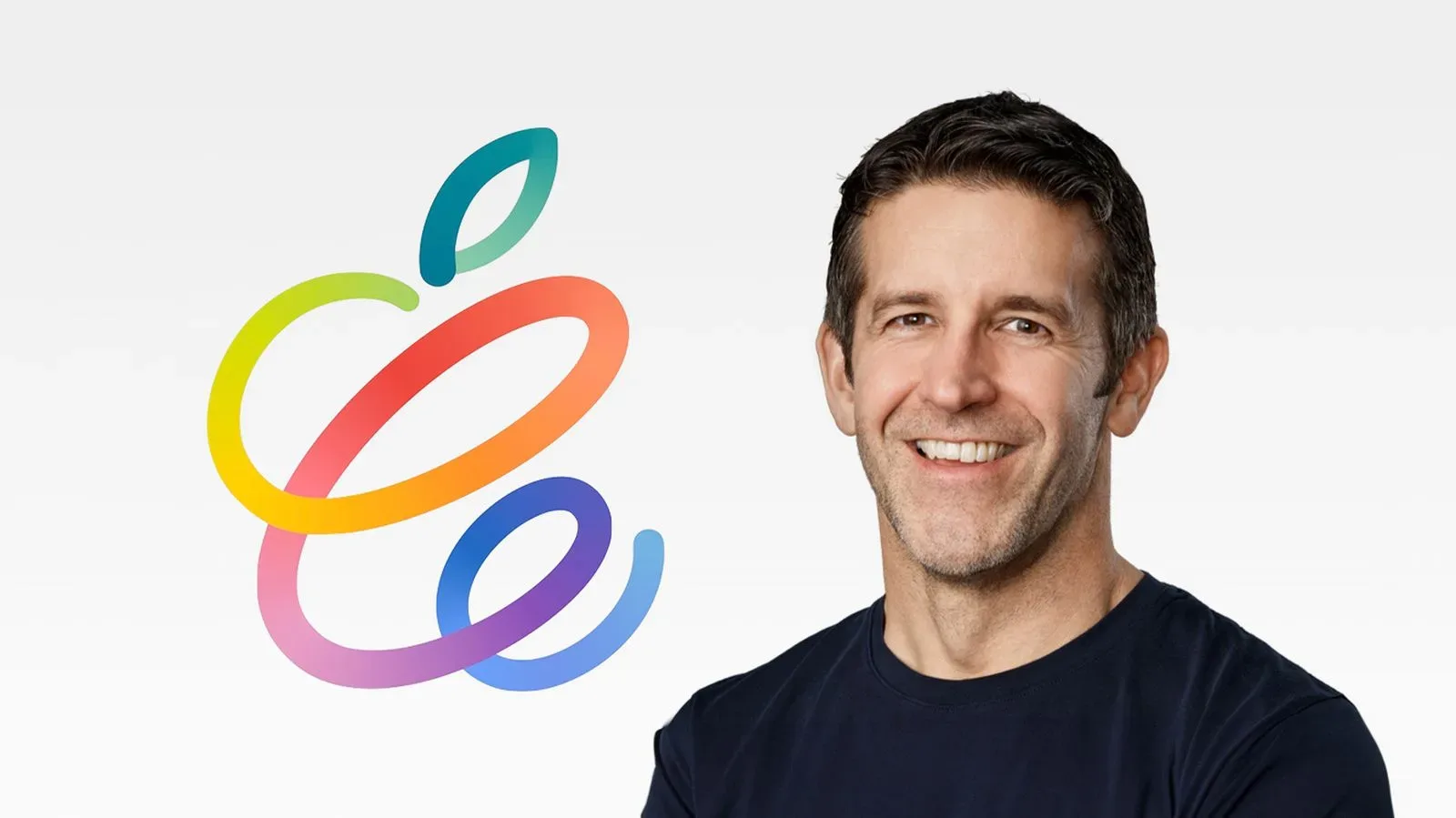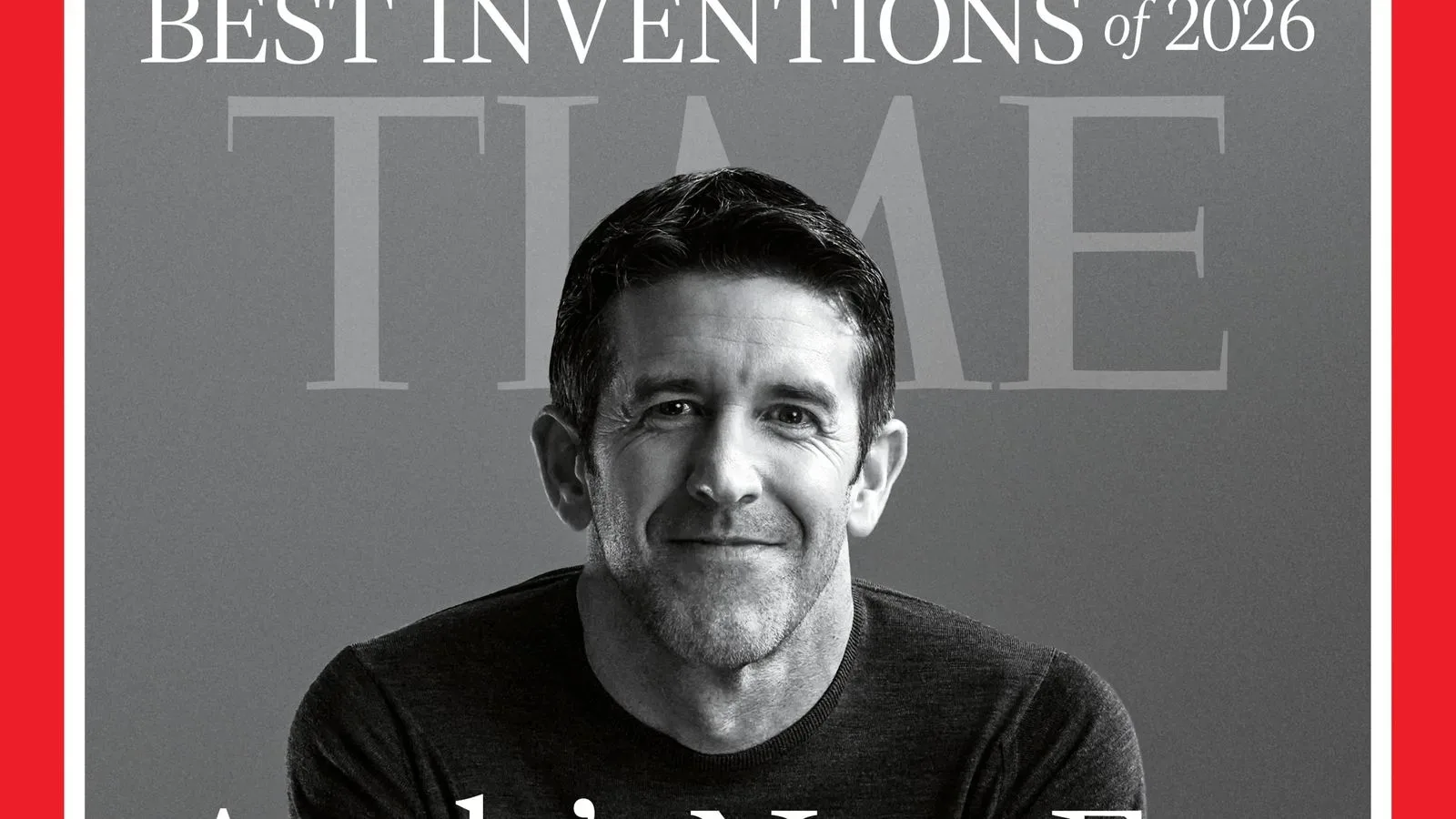
Apple chief executive John Ternus has been placed on the cover of a prominent “Best Inventions of 2026” magazine edition due October 26, a high-profile marker for a leadership change that became official only weeks earlier. Ternus succeeded Tim Cook as CEO on September 1 after previously serving as Apple’s senior vice president of hardware engineering. Eight days later, he unveiled the iPhone Duo.
For gaming readers, one small piece of Ternus’ background stands out amid the corporate transition and discussion of foldable phones and artificial intelligence: the new CEO says he first encountered Apple through an Apple II bought by his father when Ternus was eight years old. He played games on it and says that early experience made him fall in love with Apple.
That does not amount to a promise of a gaming-focused strategy, and no such plans were outlined. It does, however, offer a revealing personal connection between the company’s newest top executive and an era when the Apple II was both a home computer and a platform people used to play. The anecdote also helps put Ternus’ public posture in focus: he is a longtime Apple employee with a hardware-engineering background, now leading the company through a new flagship phone format and a more openly partnered approach to AI infrastructure.
From hardware engineering to the CEO role
Ternus joined Apple in 2001, and his move from senior vice president of hardware engineering to CEO gives the transition a distinctly product-oriented character. Hardware engineering is the discipline that turns a consumer-device concept into a shippable physical product: it involves the interactions among components, industrial constraints, reliability, performance and the practical decisions required to make a design work as a whole.
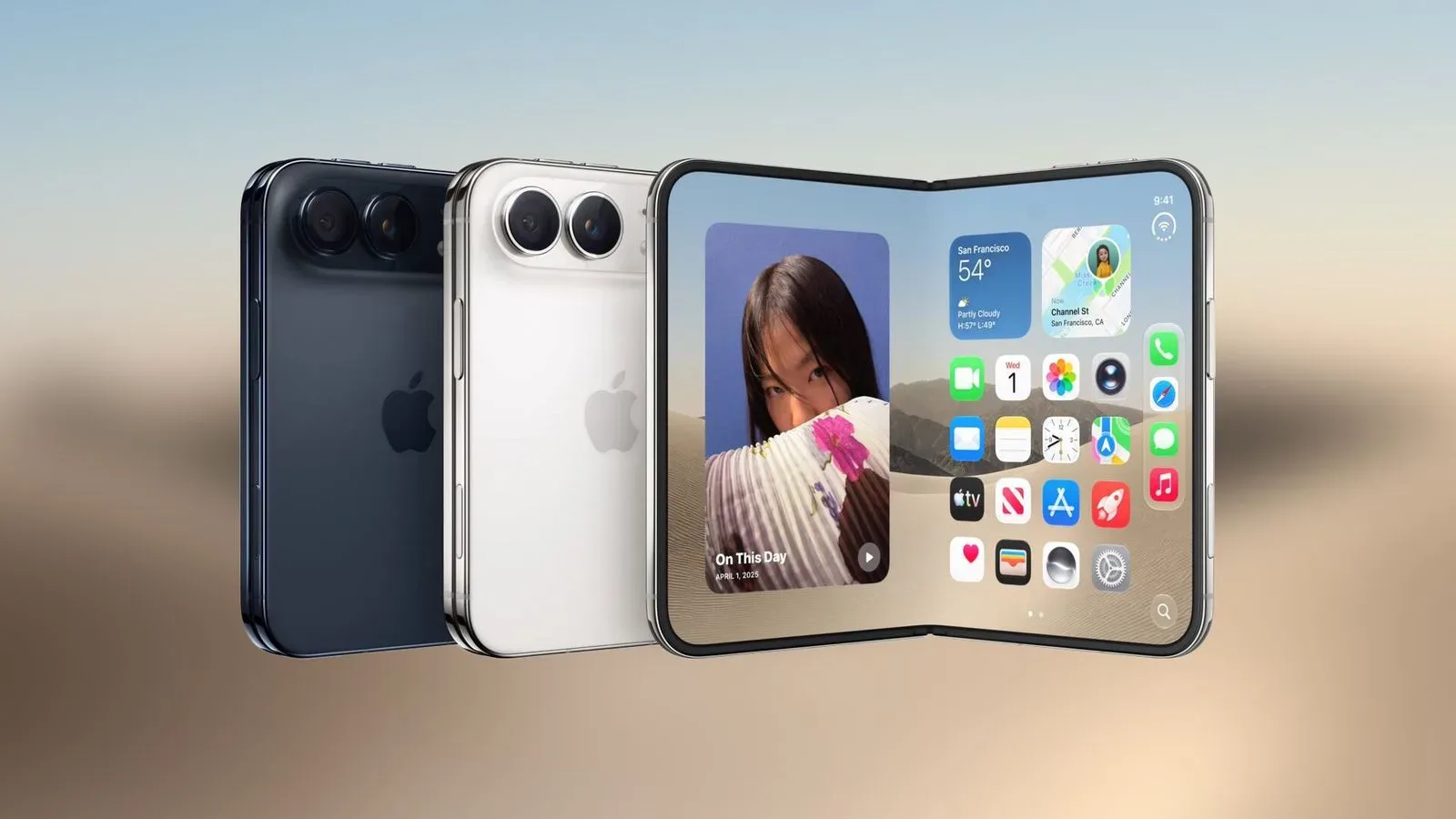
That background matters in the immediate context because Ternus unveiled the iPhone Duo just eight days after taking the top job. The device is positioned as a foldable smartphone, a category where the central challenge is not simply putting a larger screen in a customer’s pocket. Foldables ask manufacturers to balance a movable display, a hinge mechanism, durability, thickness and the feel of the completed device. Ternus argued that the iPhone Duo differs from other examples in the category, describing those alternatives in unusually blunt terms as feeling “kind of cheap and crappy.”
That is a strong statement of confidence, but it remains an executive’s assessment rather than an independent comparison. The supplied details do not establish specific iPhone Duo hardware specifications, pricing, release timing, durability results or app features. Those are crucial questions for anyone assessing the phone’s eventual appeal, particularly for game players who care about display size, controls, thermals, battery life and how software behaves across changing screen shapes.
Still, the timing makes the iPhone Duo more than an ordinary product launch. It is Ternus’ first named product introduction in the information provided after becoming CEO, and it is a product category explicitly built around differentiated physical design. That sits naturally alongside his engineering career.
An Apple II memory with genuine gaming relevance
The Apple II reference should not be stretched into a larger claim than the facts support. Ternus did not announce a gaming initiative, discuss Apple Arcade, name a game, or identify a new plan for game developers. Yet an executive describing childhood play on an Apple II is notable because it recognizes games as part of the personal-computing experience that helped form his relationship with Apple.
In practical terms, games are often an early test of what technology feels like to use. They can make a computer feel immediate rather than abstract, demanding readable displays, responsive inputs and a system capable of sustaining attention. Ternus’ recollection is personal rather than technical, but it demonstrates the cultural side of hardware: devices become memorable not only because of their components, but because of what people do with them.
That lens is relevant to current handheld, mobile and PC-adjacent gaming discussions as well. Form factor changes can alter where and how people play, even when a manufacturer has not positioned a product primarily as a game machine. A folding phone, for example, raises obvious questions about the trade-offs between portability and screen space. But those questions are not answered by the available information, and readers should treat any claims about the iPhone Duo’s gaming performance or suitability as unconfirmed until Apple provides product details.
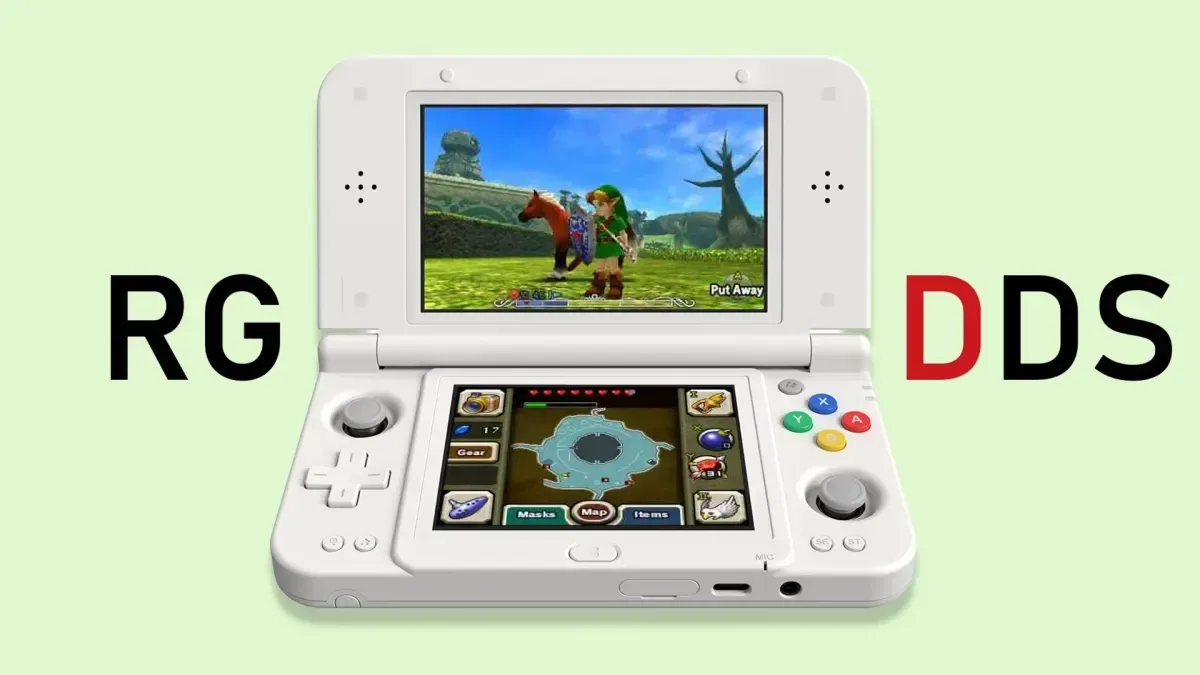
For those interested in modern portable hardware built around unusual screen arrangements, the recently detailed ANBERNIC RG DDS dual-screen handheld is a useful separate example of how display configuration can become the core of a device’s identity. It is not an iPhone comparison; it simply illustrates why physical format remains an important conversation in gaming hardware.
Cook remains executive chairman
The succession is not a complete break with the prior Apple leadership structure. Cook remains at the company as executive chairman, with a primary focus on engaging policymakers internationally. Ternus said Cook has strong relationships, still cares deeply about Apple and is willing to help where he can. Cook, separately, said he is “not meddling” with Ternus.
The two statements draw a fairly clear intended boundary. Ternus is the CEO responsible for leading Apple, while Cook has an ongoing role that centers on external relationships with policymakers. The arrangement preserves access to Cook’s experience and connections without publicly presenting him as a day-to-day shadow executive.
For outside observers, the practical test will be whether Apple’s product and platform decisions show a consistent direction under Ternus. The evidence here offers two early signals: a foldable iPhone was introduced shortly after the handover, and Ternus has articulated a philosophy of concentrating effort on areas where Apple believes it can distinguish itself. It does not establish how responsibilities are divided on individual products or whether Cook will weigh in on particular decisions.
What Ternus’ AI comments actually say
The other major point from Ternus’ interview is Apple’s approach to the large language models supporting Siri AI. Apple and Google had previously announced that these models are based on Google’s Gemini models and cloud technology. A large language model, often shortened to LLM, is an AI system trained to process and generate language. “Cloud technology” means some computing work is handled on remote data-center infrastructure rather than entirely on the device in a user’s hand.
Ternus’ explanation was direct: Apple does not need to create every part of every product itself. Instead, it seeks to make the components where it can provide meaningful differentiation. “There’s not really a goal that we have to make every single thing in a product,” he said.
That is a useful distinction between ownership and differentiation. Ownership would mean building each key layer internally. Differentiation means directing internal attention toward the portions Apple believes can make its product meaningfully distinct, while using an outside partner where doing so is more sensible. The supplied information identifies Gemini models and cloud technology as part of Siri AI’s foundation, while Ternus’ comments explain the strategic reasoning in broad terms. They do not provide a technical breakdown of which requests run where, what specific Apple-built layers sit around the models, or how the partnership affects particular Siri AI capabilities.
In the wider tech industry, this approach has implications beyond voice assistants. AI features can depend on models, cloud capacity, product interfaces and privacy or account systems. A company can make different build-versus-partner choices at each layer. Ternus’ remarks indicate that Apple sees selective focus as a strength rather than a compromise.
A philosophy of constraints, not feature accumulation
Ternus also described a discipline of limiting priorities: “You can’t do everything.” Apple, he said, tries to constrain itself to the things that matter most and put its effort there.
That statement connects the iPhone Duo and the Gemini-based Siri AI approach. One is a bet on a new physical phone design; the other is an acknowledgment that an important AI foundation can involve an external technology partner. The common thread is selectivity: build intensely where the company believes its work will stand apart, and avoid treating total in-house control or an endless list of initiatives as goals by themselves.
There is an obvious upside to this model. Concentrating resources can make a company’s priorities easier to understand and potentially improve the polish of the things it decides to pursue. The counterweight is that a focused strategy makes those selections more consequential. If a product category, partnership or platform direction becomes central, it will attract close scrutiny from customers and developers alike.
For gaming audiences, the most grounded takeaway is modest. Ternus’ Apple II story confirms that games are part of his personal history with Apple, while his early CEO comments foreground hardware differentiation and disciplined prioritization. It would be premature to turn that into a roadmap for games on Apple platforms. What is clear is that Apple’s new leader has entered the role with a flagship foldable already unveiled, a former CEO still serving as executive chairman, and a stated willingness to partner on technology when Apple does not believe it must build every layer itself.