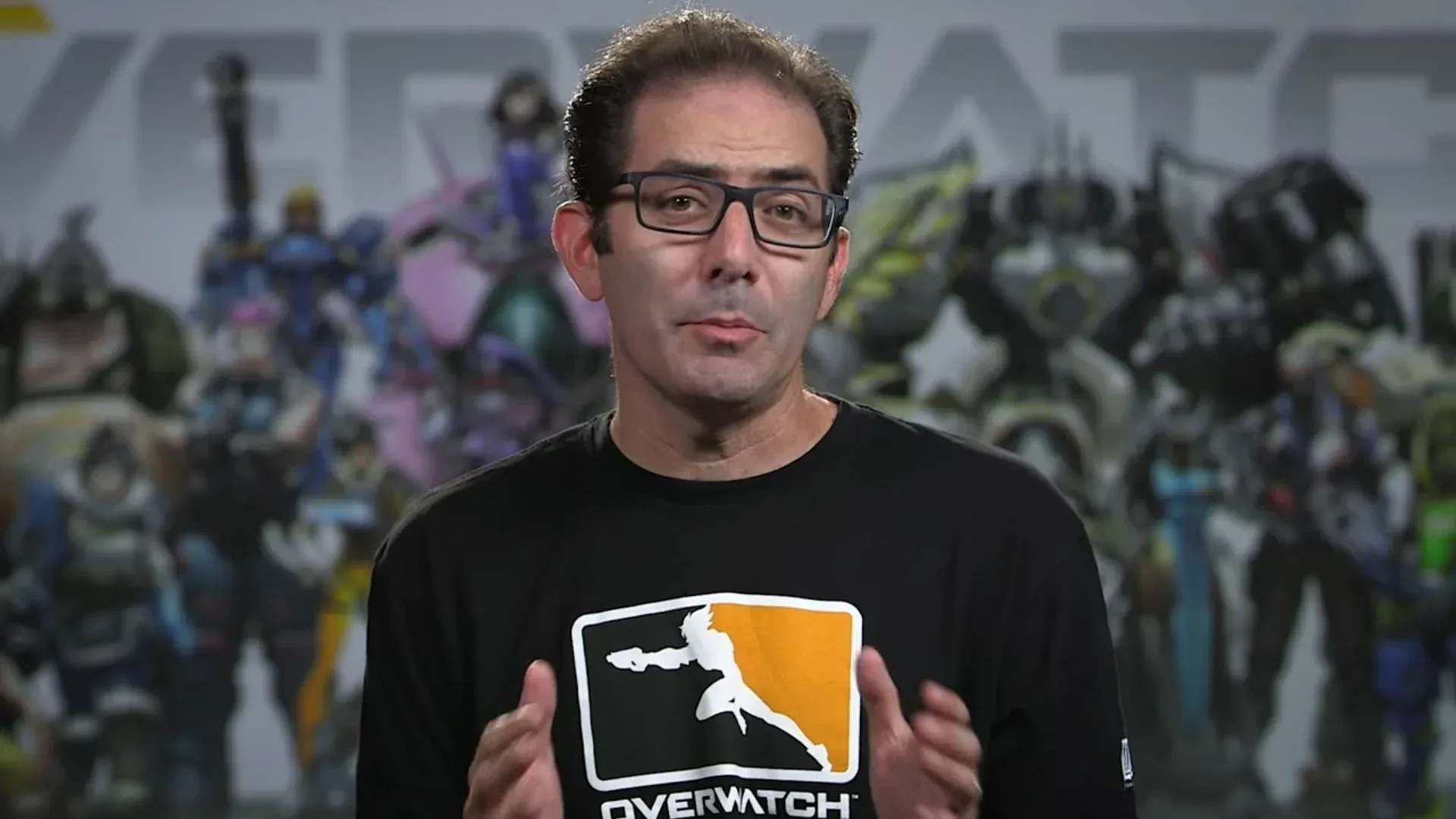
Jeff Kaplan, the former Overwatch director who left Blizzard in 2021, says his relationship with the hero shooter now begins and ends with the version he departed. He has not played it since April 2021, has avoided its major fan spaces and videos, and has actively told recommendation systems that he is no longer interested in Overwatch material.
That is a strikingly complete break for someone so publicly associated with a game. But Kaplan frames it not as hostility toward the project or the people continuing it, but as a deliberate personal boundary. He remains proud of Overwatch and highly complimentary of his former colleagues. At the same time, he believes the game now belongs to the developers making it and the players participating in it, rather than to the person who helped lead it through an earlier era.
Kaplan is now working independently at Kintsugiyama on The Legend of California, described as a western action game. His comments put an unusually clear line between that new work and the franchise he once fronted.
April 2021 is Kaplan’s Overwatch snapshot
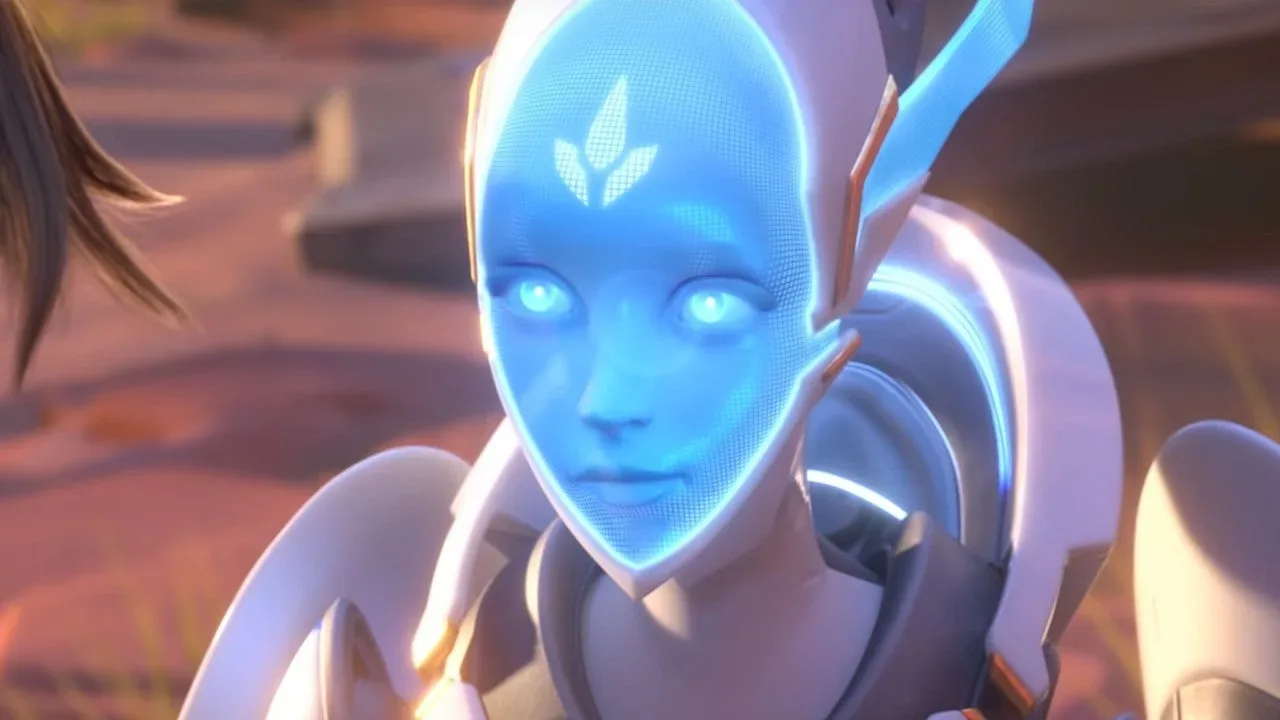
Kaplan said the final Overwatch he remembers is the game as it stood in April 2021, after Echo had been added. In practical terms, that means he is not presenting himself as an authority on the game’s current design, story direction, community debates, or the choices made after his exit.
“I’ve literally not played the game since April 2021,” Kaplan said, explaining that he had pursued an “almost clinical separation” from the game.
That distinction matters whenever a prominent former developer is asked to assess a game they used to lead. A familiar name can make any answer seem like insider commentary, even when that person no longer has direct knowledge of the game’s present state. Kaplan’s position is much narrower: he can speak to his own period on Overwatch, his memories of its development, and why he chose to step away. He is explicitly not claiming close awareness of what followed.
His cutoff goes beyond not launching the game. Kaplan said he does not read the Overwatch-focused communities he once used, does not watch related YouTube videos, does not search for either his own name alongside the game or the game itself, and tries to prevent algorithms from feeding him Overwatch material. It is a modern form of separation: avoiding not only the work, but also the stream of reactions, arguments, clips, analysis and nostalgia that can keep a former role constantly present.
Why a clean break was intentional
Kaplan connected that decision to an earlier experience leaving World of Warcraft. He described that departure as more painful, in part because of how closely he felt his identity had become bound up with the game. That experience, he said, made him more prepared to establish firmer boundaries after departing Overwatch.
His reasoning is relatable well beyond games development. Long-running live-service games can be unusually difficult to leave behind because they do not simply sit unchanged after release. They keep changing through updates, shifts in player culture, new story material and ongoing discussion. For a developer associated with a game’s public identity, every new conversation can also become an invitation to revisit decisions from years earlier.
“Live service” is the useful term here: it describes a game supported and altered over time rather than treated as a finished, fixed product. Overwatch has moved through major changes since Kaplan’s departure, so remaining plugged in could mean constantly encountering a project that is recognizably connected to his work but no longer under his direction. Kaplan’s answer has been to avoid treating the ongoing game as a personal referendum.
There is no suggestion in his comments that he wants players to disengage, or that continuing developers should not revisit the work. Quite the opposite: he said that Overwatch now belongs to those making and playing it. His choice is specific to his own wellbeing and his need to focus on the next stage of his career.
Pride without ownership
Kaplan’s detachment is not a rejection of the team’s accomplishments. He said he still feels substantial pride in helping spearhead Overwatch and retains the highest regard for former colleagues. He also singled out Blizzard’s Story and Franchise Development group, including the team behind the game’s cinematics, as extraordinarily talented.
He recalled the BlizzCon 2014 reveal as one of the most meaningful days of his life, particularly the feeling shared by the team as the project was introduced publicly. Those memories explain why the franchise remains emotionally significant even as he avoids following it day to day.
Kaplan used an Uncle Rico comparison to explain the line he does not want to cross. The point was not to dismiss nostalgia. Rather, it was to avoid repeatedly reliving a past achievement as if it were the only thing that mattered. Overwatch happened, he said; he was part of it; and the people developing and playing it now have their own Overwatch.
That idea cuts against a common impulse around major games: the assumption that an original or former creative lead must continually weigh in on every redesign, balance decision or narrative shift. A franchise can have a history without requiring its past leaders to serve as permanent custodians of that history.
It is also a useful reminder for fans discussing a game’s changing identity. “The original vision” is often treated as a single fixed object, but a large game is made by many disciplines and teams. Kaplan credited not just Team 4, the Overwatch development group, but the broader staff who helped make the game. His comments emphasize collective creation while also acknowledging that collective stewardship changes over time.
Overwatch’s direction changed after his exit
Since Kaplan left, Aaron Keller has taken the director role and Overwatch has undergone substantial changes. The original plan discussed for Overwatch 2 at BlizzCon 2019 centered on a more PvE-driven approach, including a campaign and replayable missions.
PvE, short for “player versus environment,” generally refers to players confronting computer-controlled challenges rather than each other. Its contrast, PvP, or “player versus player,” describes competitive matches between human participants. The distinction is important because a PvE campaign and repeatable missions would have represented a notably different emphasis from the competitive hero-shooter experience with which Overwatch is most closely associated.
The game has since moved away from that original blueprint. Earlier this year it dropped the “2” from its title as part of a soft reboot that brought a new storyline and a focus on regular story updates through cinematics, comics and audio dramas. A “soft reboot” typically means an existing property changes its presentation or direction without erasing everything that came before it. In this case, the supplied details point to a refreshed narrative approach rather than a clean break from the franchise itself.
Those changes are exactly why Kaplan is careful not to offer a verdict on today’s Overwatch. The game he remembers predates developments in both its plans and branding. His perspective is historical and personal, not an evaluation of Keller’s team or the current product.
What Kaplan’s stance means for players
For players, the practical takeaway is simple: Kaplan’s silence about modern Overwatch should not be mistaken for a hidden assessment. He says it is the result of a conscious decision not to watch, play, search or read. Any attempt to turn that absence into approval or disapproval would go beyond what he has said.
It also provides useful context for the way creative authorship works in games. Players often associate a series with a visible director, particularly when that person has appeared in announcements, interviews and community updates. Yet the game continues through the work of the current team and the evolving relationship between that team and its audience. Kaplan’s own phrasing leaves little room for a competing claim of ownership.
Competitive communities can be especially intense spaces to leave because each patch, strategy and controversy produces a rapid new cycle of debate. The broader esports and multiplayer world remains full of stories where players’ identity and games collide; for a different example of how a competitive match intersected with real-world verification, see this report on Dota 2 player 23savage using a match to help establish his identity. Kaplan’s approach addresses the other side of that connection: how someone can consciously stop allowing a former game to define their daily life.
His account is not a prescription for every developer leaving a project. Some stay deeply engaged as players, consultants or observers, and there is nothing inherently unhealthy about that. But Kaplan’s story explains why a clean break can be valuable when a game has become tightly linked with one’s professional identity. He can be proud of Overwatch’s past, celebrate the people who made it, and still decline to make its present his responsibility.
For now, Kaplan’s attention is on Kintsugiyama and The Legend of California. Overwatch remains a defining chapter of his career, but by his own account, it is no longer the work he follows. The current game—and the arguments, stories and future built around it—belongs to the people carrying it forward.