Nuengnara “23savage” Teeramahanon, the hard carry for Xipto eSports, says he was asked to do something unusually specific to establish his identity during a police visit to the team’s Kuala Lumpur boot camp: play a complete game of Dota 2.
The account comes from 23savage’s own social-media post and replies, and it should be treated as an unverified personal claim. Online reactions have ranged from amused disbelief to outright skepticism. That uncertainty is central to the story, particularly because the reported final detail—two jars of Nutella allegedly disappearing as officers left—has the kind of strange specificity that naturally invites people to wonder whether the whole tale is a joke.
Still, 23savage has continued to defend the account in replies. His version is that police raided the Xipto boot camp earlier in the week, handcuffed the players, took their belongings and questioned why they were in Kuala Lumpur and whether they genuinely were professional players.
The reported proof: a Dota match
23savage said one officer knew enough about Dota to look through his Instagram for evidence of his career. A recent photo featuring Malaysian influencer Ms. Puiyi was reportedly accepted as partial corroboration. Then, he says, his handcuffs were removed and he was asked to show what he could do in-game.
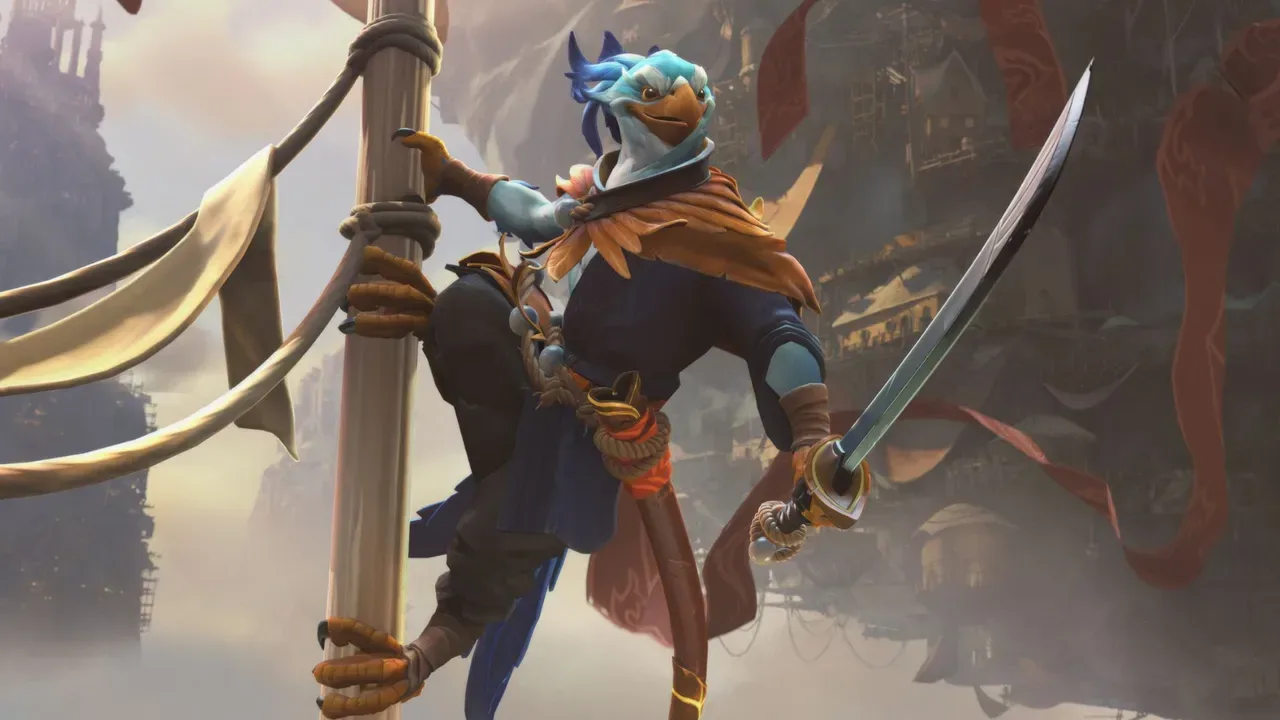
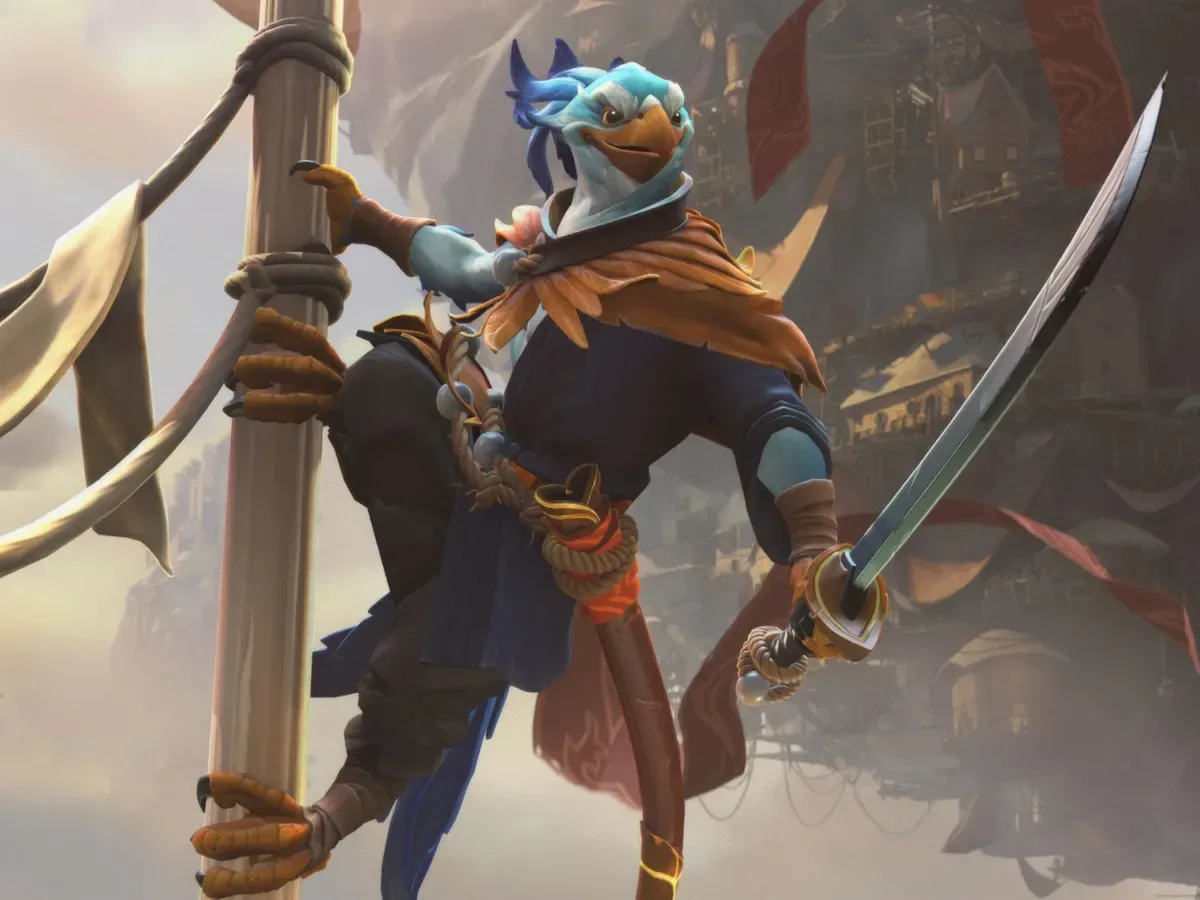
The player claims he started a match in front of the officers, played Kez in the hard-carry role and recorded 32 kills. He says that performance ultimately convinced the officers to let the team go.
It is an inherently difficult story to independently assess from the details available. There is no official account included here, no publicly presented incident documentation and no further confirmation from law enforcement. The most accurate framing is therefore not that a police department adopted match performance as an identification standard, but that a prominent competitor says this is what happened to him and has stood by it amid public doubt.
That distinction matters. A player’s social post can offer a firsthand account, but it is not the same thing as independently verified evidence. The reported Instagram review, the match and the alleged stolen snacks all remain elements of 23savage’s telling.
Why a 32-kill game is meaningful—but not formal identification
For readers outside the game’s competitive scene, Dota 2 is a multiplayer online battle arena, or MOBA. Two teams of five select heroes, build strength during a match and attempt to destroy the opposing team’s Ancient: the crucial structure at the heart of each base. “Defending the Ancients” is not merely colorful terminology; it is the game’s central objective.
Related coverage includes Dota 2 Pro 23savage Says He Played a Match for Police to Prove His Identity.
In that structure, the carry is generally the player expected to become a major source of damage as the match progresses. The role often receives substantial resources and is relied upon to turn that investment into decisive fights and base pressure. A 32-kill score is a conspicuous individual stat line. If the account is accurate, it would have made for a highly visible demonstration that 23savage was not simply someone claiming familiarity with a popular game.
But it would not, by itself, be a robust way to prove legal identity. A strong match can demonstrate skill; it cannot establish who a person is as reliably as conventional documentation. It also depends on context that a kill total alone does not reveal: match length, opponents, team coordination, hero matchup and the normal volatility of a live competitive game.
That is part of why the story has caught on. It transforms a real-world identity question into a wildly game-specific performance test, with an esports professional’s job becoming his alleged evidence. It also produces an almost too-neat punchline: a carry player supposedly being judged by his ability to carry.
Kez and the importance of role context
The claimed game was played on Kez. In Dota, a hero choice is not a costume; it shapes what a player can contribute through abilities, timing and item progression. A hard carry on a damage-focused hero is expected to find kills when a game opens up, but successful professional play also involves farming efficiently, choosing fights, avoiding costly deaths and coordinating with teammates.
That broader context is worth keeping in mind whenever a single number is used as shorthand for mastery. Thirty-two kills certainly sounds dramatic, and in a story about proving expertise it is an easy detail to understand. Yet competitive Dota is a five-player strategy game. A spectacular score does not replace the team decision-making and communication that professional competition demands.
It does, however, align with the basic public image of a carry player: someone expected to convert space and resources into a game-winning threat. In the reported circumstances, a big Kez performance would at least have provided a quick, legible showcase for an officer who already understood enough Dota to inspect 23savage’s social profile.
Xipto’s competitive momentum continues
Whatever did or did not happen at the boot camp, the episode does not appear to have derailed Xipto’s recent competitive run. The team recently won the EPL SEA tournament without losing a series, finishing on a 10-match winning streak.
Xipto’s listed lineup consists of 23savage on carry, inYourdreaM in mid, Fbz in the offlane role, plus Q and Oli on support. The group is competing for a place in DreamLeague Season 30.
Those role labels describe a division of labor rather than a rigid hierarchy. The mid player commonly gets fast access to levels and items while operating in the central lane; the offlaner often handles a more disruptive, durable or initiation-oriented job; and supports typically enable teammates through vision, utility, protection and map movement. The carry, as 23savage’s position indicates, is often the player given the clearest mandate to become a late-game damage engine.
That makes Xipto’s undefeated tournament run more informative than one purported public match. A 10-match streak across a tournament speaks to sustained team execution. It also helps explain why the notion of 23savage proving himself through gameplay has resonated with Dota fans, even as many remain unconvinced by the details of the police story itself.
A peculiar moment for a game still drawing players
Dota 2 has recorded notable player growth in 2026, recently reaching its highest player count since 2022. It continues to receive intermittent patches and content updates, even as Valve’s attention is also associated with its newer MOBA project, Deadlock. For broader context on the company’s place in the PC-game conversation, see this look at a former Valve writer’s questions about an AI-led launcher pitch.
The reported incident has therefore landed in a community that is both sizeable and intensely fluent in the game’s language. Fans know what a carry does, recognize Kez as a meaningful detail and understand why a 32-kill match would be an entertaining claim. They also know that an extraordinary story needs more than a memorable scoreboard to become settled fact.
For now, the clearest version is also the least sensational: 23savage says he played Dota 2 in front of police officers after an alleged Kuala Lumpur boot-camp raid, and says his performance helped persuade them that he was a real professional player. The story has not been independently substantiated in the information available, and the player’s insistence has not stopped the skepticism.