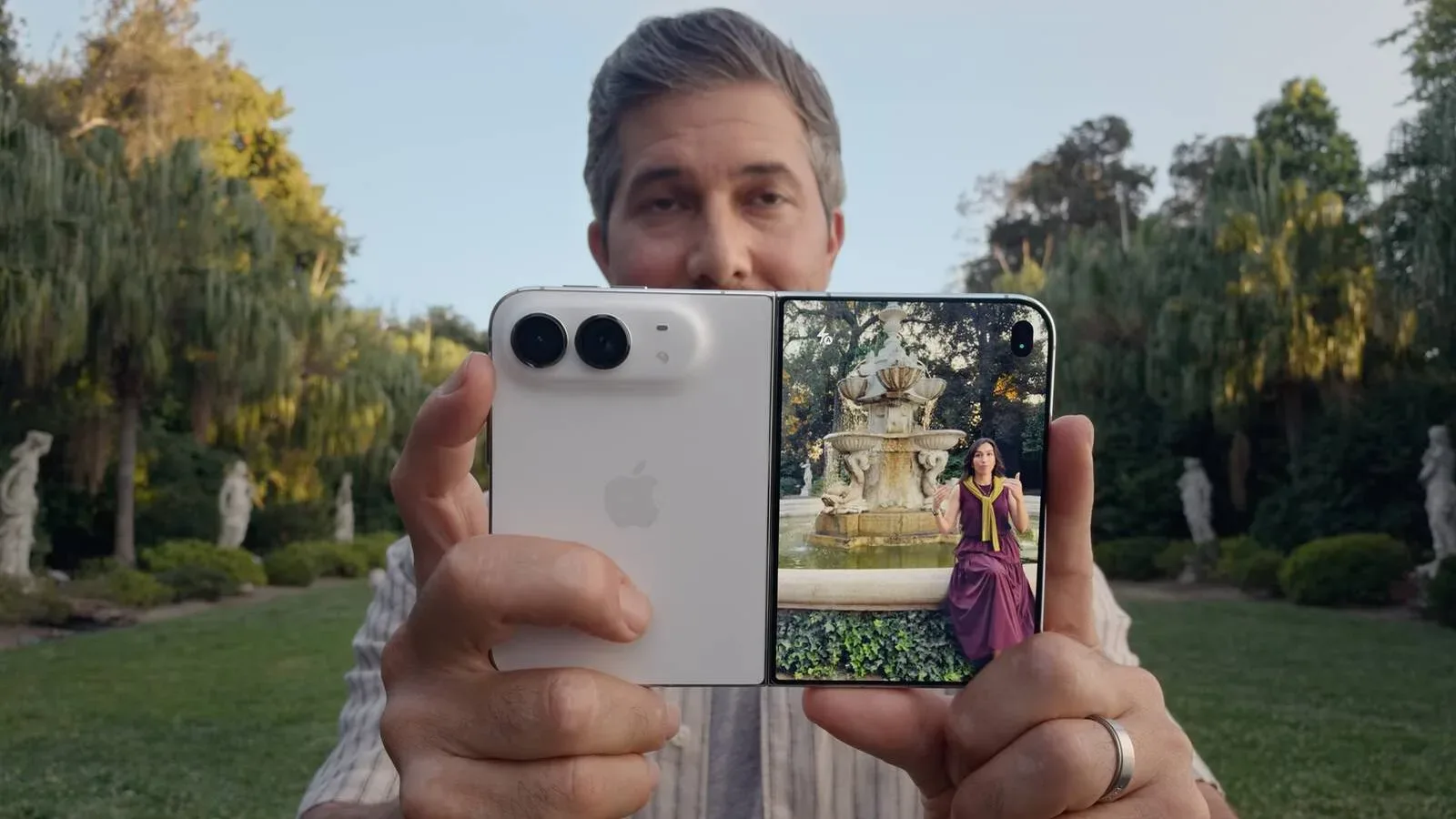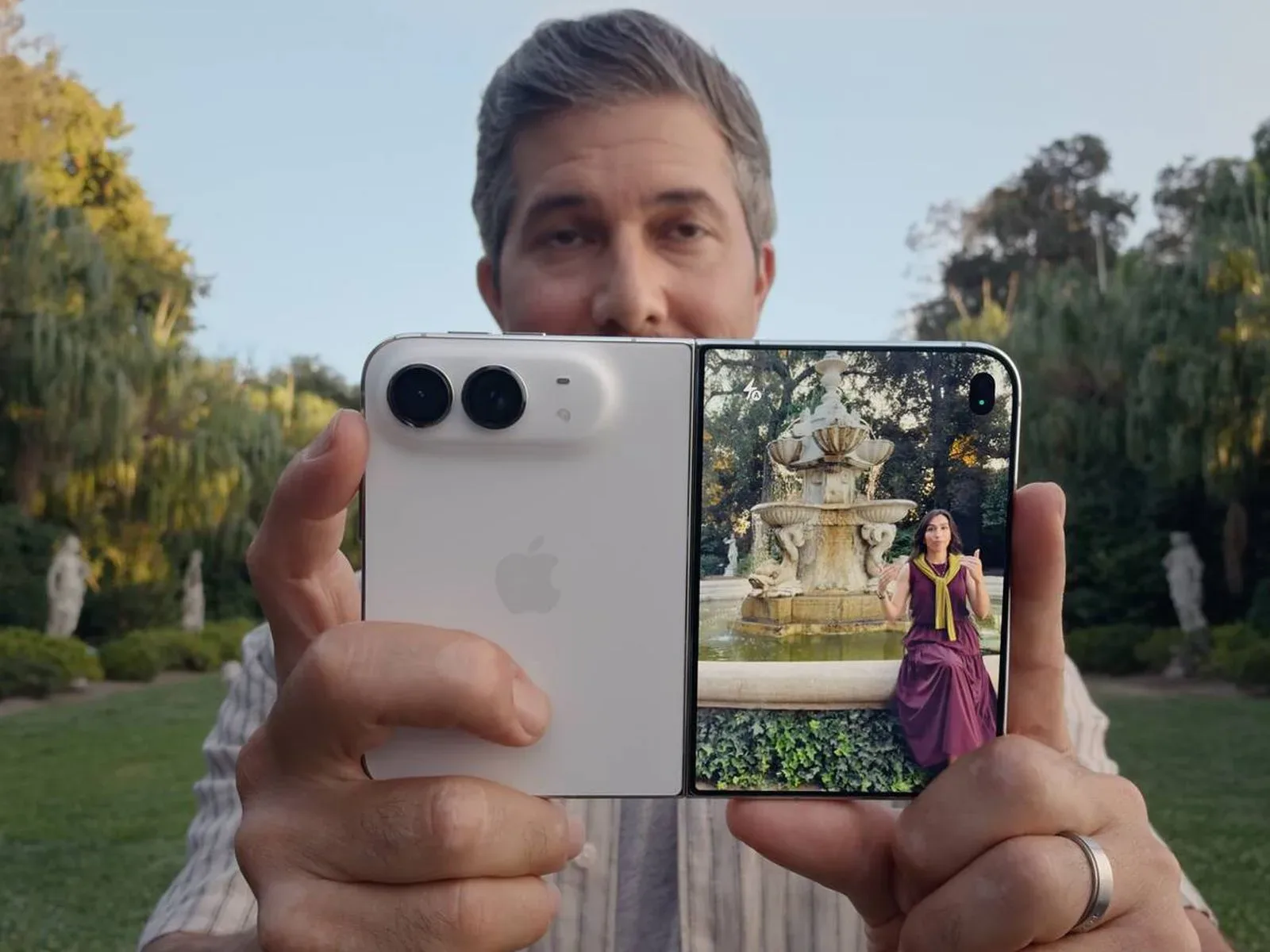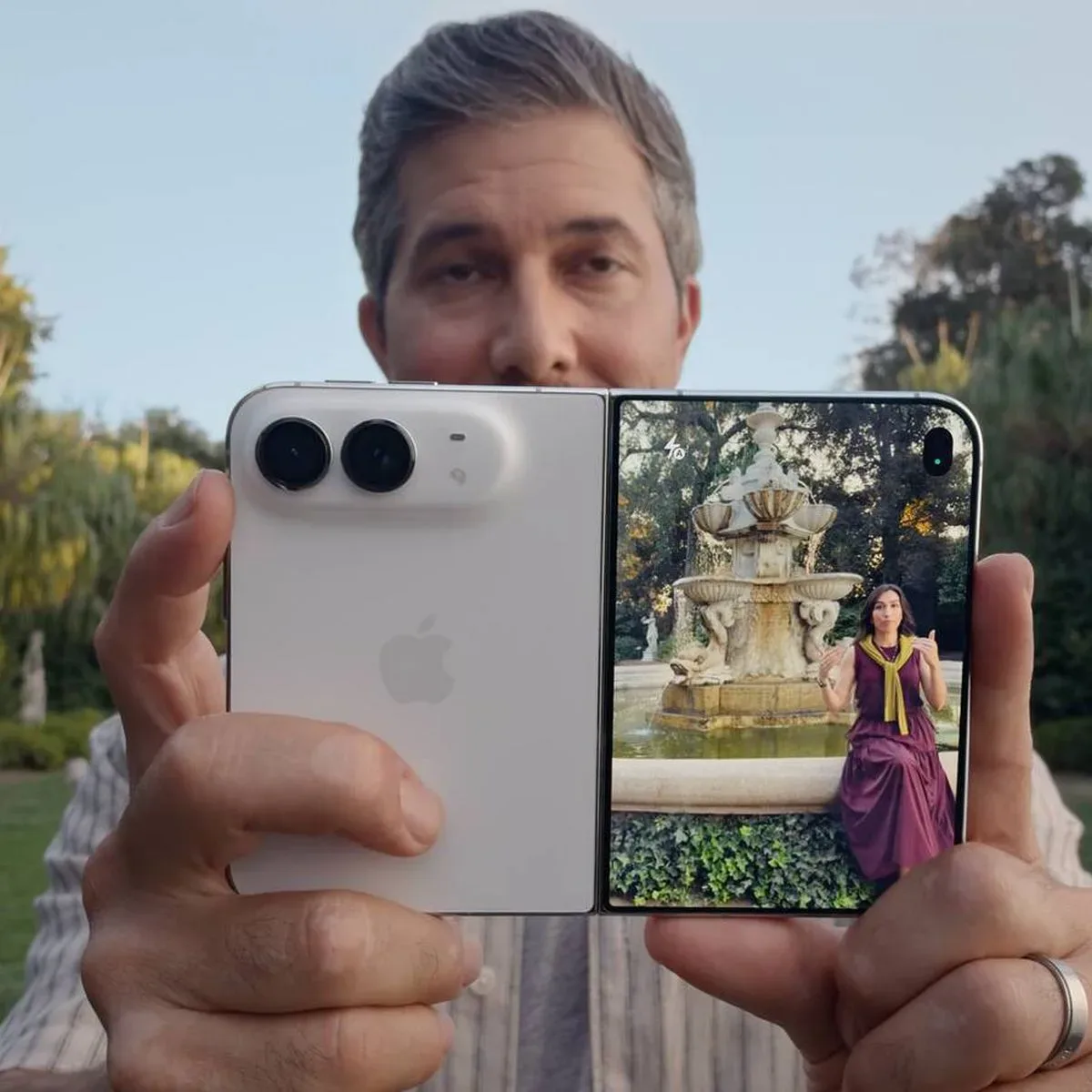
Apple’s published specifications for the iPhone Duo have set off a particularly nerdy kind of hardware detective work: the kind where a few words in an autofocus description become the digital equivalent of finding a secret passage behind a bookshelf.
The central question is whether the iPhone Duo’s Main camera uses the same image sensor as the iPhone 17e. Apple does not explicitly say that it does, and it has not published the sensor size or pixel pitch needed to settle the matter. Still, the listed details show a strong overlap between the two phones—while also revealing one important component that places the Duo closer to the standard iPhone 17.
For anyone who uses a phone as a convention camera, a quick way to document a game collection, or the ever-present device for recording gameplay clips and social videos, the distinction is more than a specs-sheet scavenger hunt. Camera hardware shapes the base material that image processing has to work with, especially when lighting is difficult and subjects do not politely hold still.
The key similarities are in Apple’s own camera wording
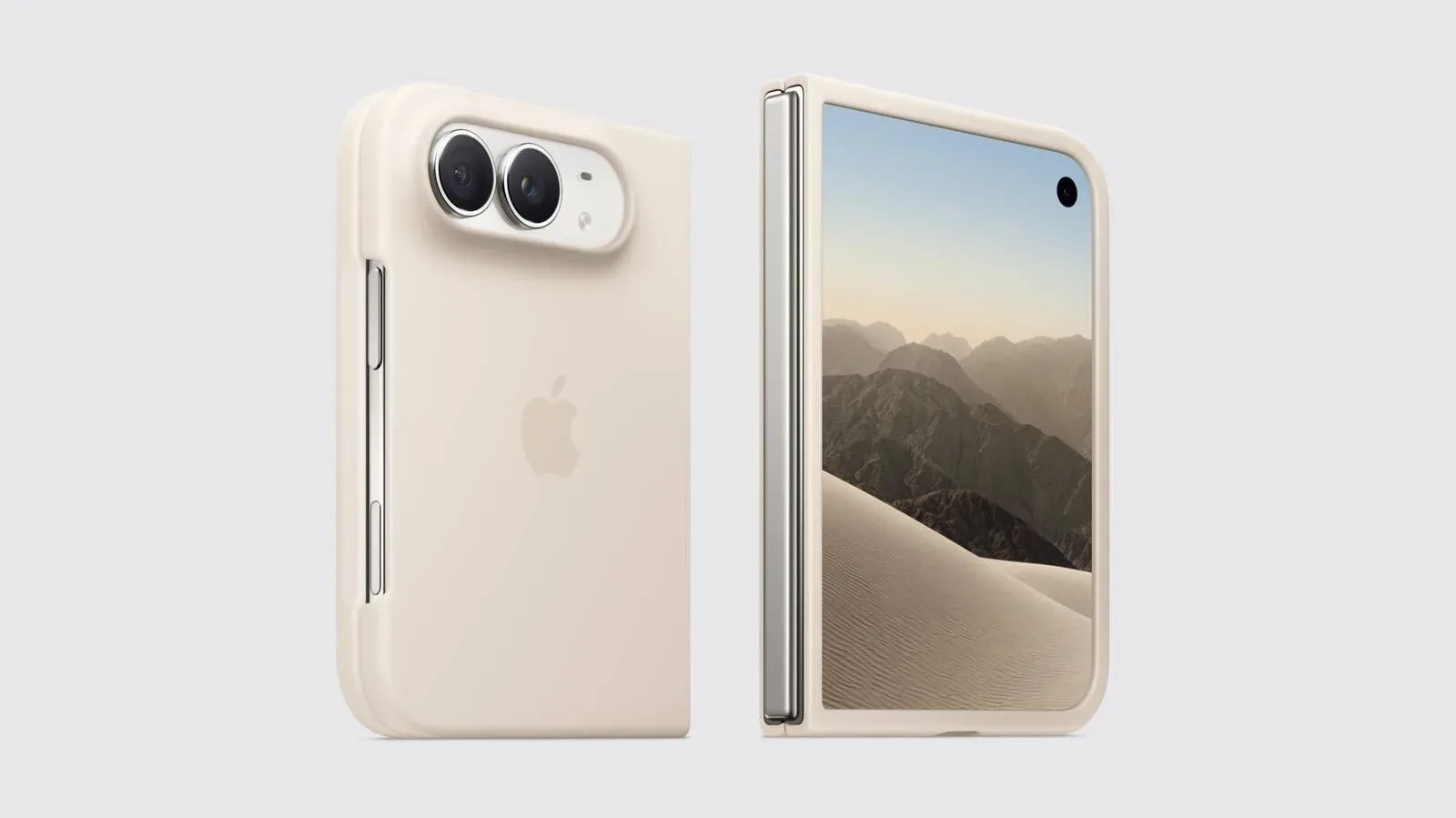
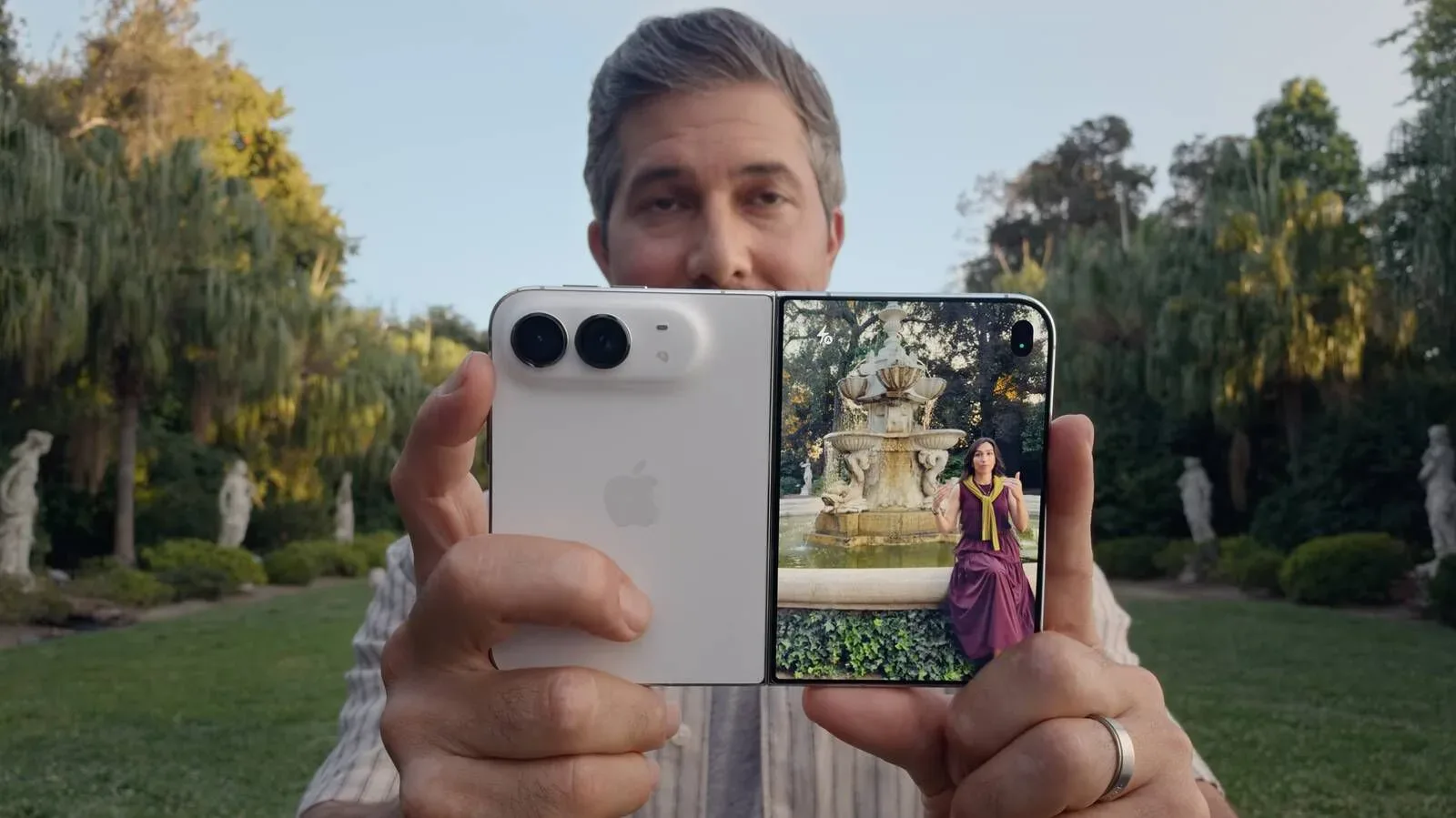
The iPhone Duo is listed with a 26mm-equivalent Main camera featuring an f/1.6 aperture, sensor-shift optical image stabilization, and Apple’s “Hybrid Focus Pixels” autofocus terminology. It also offers a 12MP 2x Telephoto output cropped from that Main camera.
The iPhone 17e is also listed with a 26mm, f/1.6 Main camera and uses the same “Hybrid Focus Pixels” phrasing. That shared language is the most notable official connection between the devices. Apple’s terminology does not prove identical camera hardware on its own, but the matched focal length, aperture, and focus-pixel description make the comparison difficult to ignore.
In practical terms, a 2x output cropped from the Main camera is not the same thing as having a separate dedicated telephoto module. It means the phone uses a portion of the Main camera’s captured image to create a tighter field of view at 12MP. The quality of that crop depends on the underlying sensor, optics, and processing, so it is understandable that observers are trying to determine exactly what sits beneath the iPhone Duo’s lens.
The overlap has led to speculation that the Duo and 17e share a sensor. At present, though, it remains speculation. Apple has not supplied the dimensions or pixel-level information necessary to verify a physical match, and identical marketing terms can describe related rather than identical implementations.
Where the iPhone Duo appears to move beyond the 17e
The iPhone Duo’s Main camera includes sensor-shift optical image stabilization. By contrast, the iPhone 17e specification lists optical image stabilization without the sensor-shift qualifier.
That wording matters because sensor-shift stabilization is specifically named on the standard iPhone 17 as well. In broad terms, optical stabilization is intended to compensate for small movements during a shot. Sensor-shift systems move the sensor itself to counter that motion, rather than relying on a less specifically described stabilization setup. Apple’s specifications establish that the Duo has this sensor-shift feature; they do not, however, offer a side-by-side technical breakdown of how its stabilization hardware compares with every other model.
For casual photography, the differences may not be obvious in every picture. But stabilization is especially relevant when the available light drops, since cameras often need longer exposures in darker scenes. It can also matter for handheld video, whether that means taking a short floor tour at a gaming event or trying to frame a shelf full of boxed games without turning the result into a tribute to accidental motion blur.
The result is an unusual but sensible middle position: the iPhone Duo appears to pair characteristics associated with the iPhone 17e’s Main camera description with the sensor-shift stabilization called out for the standard iPhone 17.
The autofocus language draws a line between Apple’s phone tiers
The standard iPhone 17 does not use “Hybrid Focus Pixels” in its specification. Instead, Apple describes that model with “100% Focus Pixels.” The iPhone 18 Pro uses the same 100% Focus Pixels wording.
That creates a useful dividing line in the public technical descriptions:
- iPhone Duo: 26mm, f/1.6, Hybrid Focus Pixels, sensor-shift optical image stabilization, and a 12MP 2x crop option.
- iPhone 17e: 26mm, f/1.6, Hybrid Focus Pixels, and optical image stabilization described without the sensor-shift label.
- Standard iPhone 17: sensor-shift optical image stabilization and 100% Focus Pixels terminology.
- iPhone 18 Pro: 100% Focus Pixels terminology.
It would be easy to reduce that list to a simple hierarchy, but the evidence does not support a full ranking of image quality. The specifications show differing feature labels and stabilization descriptions, not test results. There are no published sensor measurements for the Duo in the available details, and no definitive confirmation that the Hybrid Focus Pixels wording translates to one particular sensor shared across the Duo and 17e.
That uncertainty is worth keeping front and center. Smartphone camera performance comes from a stack of interdependent choices: sensor behavior, lens design, stabilization, focus system, image signal processing, software tuning, and capture mode. Two phones can share several listed camera attributes and still create different results because of hardware or processing differences that do not appear in a concise product-spec table.
What the available information does—and does not—establish
Apple’s listings provide several firm details. The iPhone Duo has a 26mm-equivalent f/1.6 Main camera. It uses Hybrid Focus Pixels. It has sensor-shift optical image stabilization. It produces a 12MP 2x Telephoto crop from its Main camera. The iPhone 17e shares the 26mm, f/1.6, and Hybrid Focus Pixels descriptors.
What remains unknown is just as important. Apple has not published an iPhone Duo sensor size. It has not published pixel pitch. It has not said that the Duo and iPhone 17e use the same sensor. And the shared autofocus wording alone cannot bridge those gaps with certainty.
So the most careful reading is not “the Duo has the 17e camera,” nor is it “the Duo has the standard iPhone 17 camera.” The specifications instead indicate a Main camera configuration that sits between those two descriptions: 17e-like in the matching 26mm, f/1.6, Hybrid Focus Pixels presentation, but 17-like in its explicitly stated sensor-shift stabilization.
That may sound like a narrow distinction, but it is a useful one for shoppers attempting to understand what a $1,999 starting price is buying. A premium phone can have reasons beyond a Main camera sensor to command a premium, and a camera spec match in a few fields does not establish an identical overall photography experience. It does, however, make it reasonable to ask how Apple has divided features across the lineup.
Timing, price, and the broader Apple hardware picture
The iPhone Duo starts at $1,999. Pre-orders are scheduled to open October 16, followed by release on October 23. Those dates place the device’s public availability shortly after the initial opportunity to reserve one.
Apple buyers weighing multiple devices may also be watching how coverage costs fit into the purchase. The company’s broader protection options have recently included a larger household tier; AppleCare One Family adds a $50 monthly level for up to six people. That does not answer the camera-sensor question, of course, but it is part of the practical budget conversation around expensive portable hardware.
For now, the iPhone Duo camera discussion remains an exercise in informed comparison rather than confirmed component genealogy. The matching Hybrid Focus Pixels language and matching 26mm f/1.6 description give the iPhone 17e connection real weight. The Duo’s sensor-shift stabilization adds a meaningful difference, and its shared terminology with neither the standard iPhone 17 nor iPhone 18 Pro shows that Apple’s lineup is not neatly separated by a single camera label.
Until Apple supplies deeper sensor data or directly clarifies the relationship, the safest verdict is also the most interesting one: the iPhone Duo’s Main camera looks like a hybrid of publicly listed traits, borrowing apparent 17e-style sensor and autofocus clues while bringing in stabilization specified for the standard iPhone 17.