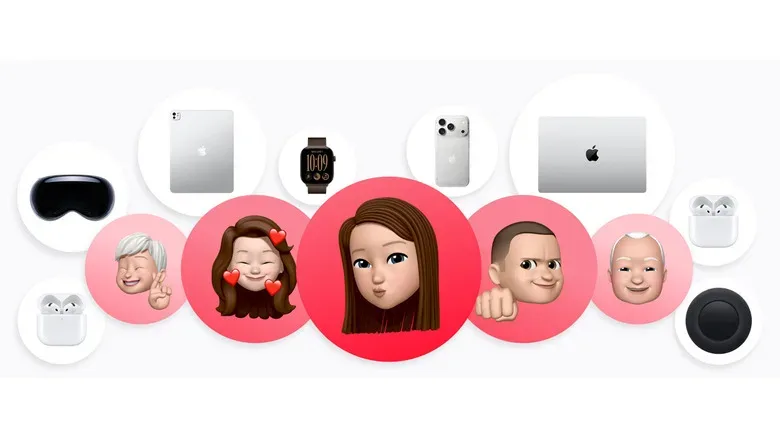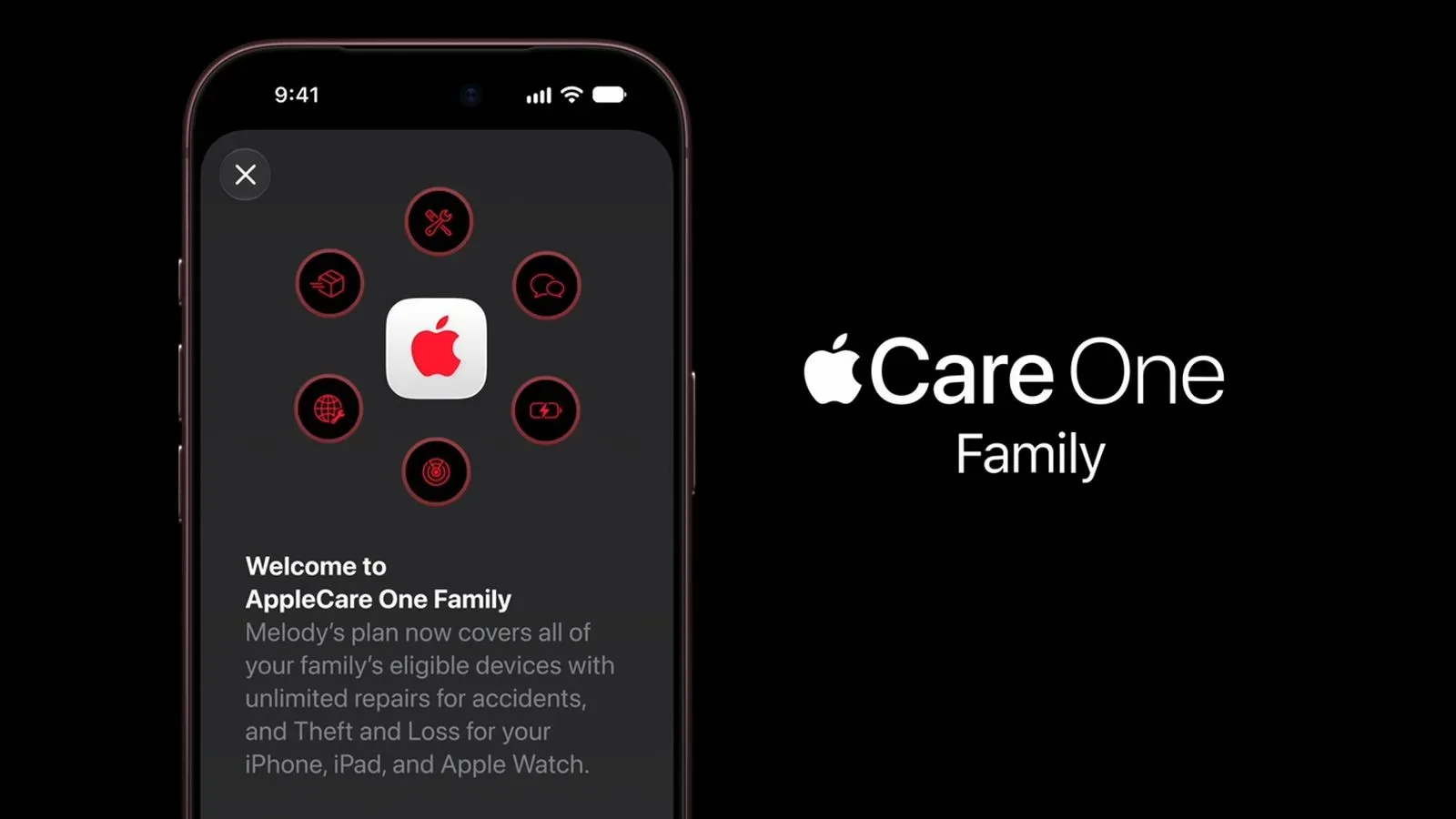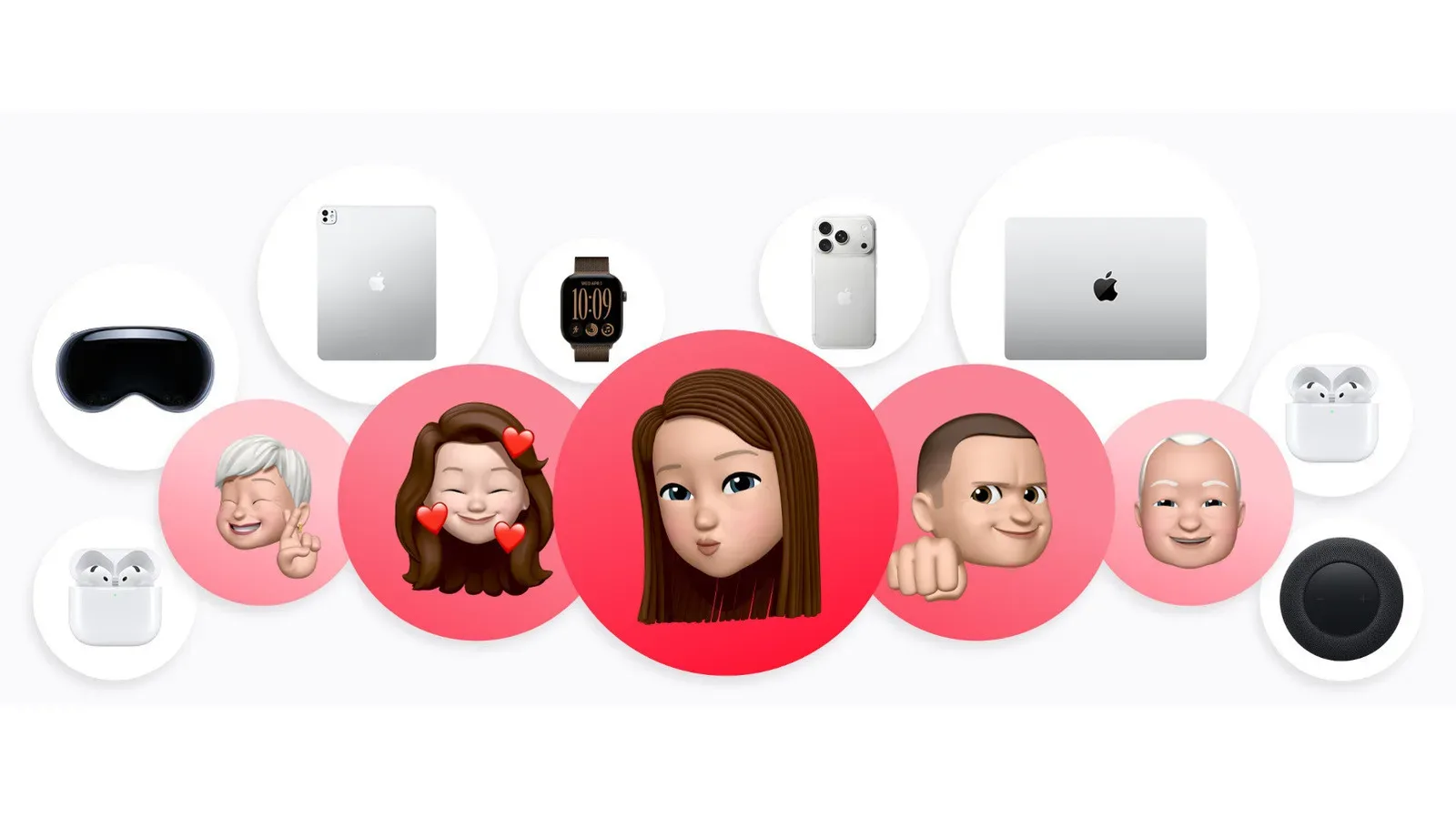
Apple has added a larger household-focused option to its device-protection lineup in the US. Called AppleCare One Family, the new plan costs $50 per month and is designed to cover eligible Apple hardware belonging to as many as six people in a Family Sharing group.
The plan arrives alongside the iPhone Duo and iPhone 18 launch event, but its scope is broader than a new phone purchase. Rather than protecting a single item or limiting coverage to devices registered under one subscriber’s Apple ID, AppleCare One Family is intended to bring qualifying devices from each participating family member under one subscription.
For households with a mix of iPhones, iPads, Macs, watches, headphones, or other Apple equipment, that distinction is the central pitch. This is less like buying a shield for one gadget and more like putting the family’s carefully stacked tower of expensive glass, aluminum, batteries, and tiny anxiety machines beneath one umbrella.
What the $50 AppleCare One Family tier covers
AppleCare One Family covers all eligible devices owned by up to six members. Eligible products are generally Apple devices that are less than four years old. That means the age and eligibility of each device matter; the plan should not be understood as an automatic pass for every Apple product a household has collected over the years.
Existing devices can be added to the plan, while newly purchased products associated with a member’s Apple ID will be included automatically. The latter point could be especially useful in a home where Apple devices arrive regularly, whether that means a replacement phone, a tablet for school, a laptop for work, or a pair of earbuds that will somehow vanish into the furniture within days.
The family tier expands on the structure of Apple’s other protection options:
- AppleCare+ covers one device.
- AppleCare One for individuals covers up to three devices, all registered under the subscriber’s Apple ID.
- AppleCare One Family covers eligible devices for up to six people through Family Sharing.
That is a meaningful administrative difference as much as a numerical one. A single-device plan is straightforward when someone owns one major piece of hardware worth protecting. An individual plan can make sense for a person immersed in the Apple ecosystem. The family plan, by contrast, is built around a shared household setup, where the devices—and the risks—are spread among several Apple IDs.
Six theft and loss claims are shared across the household
The Family plan includes theft and loss coverage, but its claim allowance is not unlimited. AppleCare One Family allows up to six theft and loss claims per year for the whole group.
Related coverage includes AppleCare One Family Adds $50 Monthly Plan for Up to Six People.
It is important to read that as a shared annual pool, not as six claims assigned to every enrolled person. A six-person family could, in theory, have one claim apiece during the year. But if one person uses multiple claims, fewer remain for everyone else. Families considering the tier will want to view it as a collective resource rather than a six-pack of individual claim allowances.
For comparison, AppleCare+ provides access to two theft and loss claims, while AppleCare One for individuals permits up to three. The new tier doubles the individual AppleCare One limit, while also allowing coverage to extend across multiple household members.
That structure is likely to matter most to families with a lot of portable equipment. Phones and earbuds are carried everywhere. Tablets migrate from backpacks to sofas to car seats. Laptops cross commutes and classrooms. The protection question is not merely how many devices sit on a shelf, but how many devices are routinely exposed to dropped-screen, cracked-glass, misplaced, or stolen-device territory.
The familiar AppleCare+ repair benefits remain part of the package
AppleCare One Family also includes the AppleCare+ benefits associated with covered-device care. These include no-cost battery replacement, repairs for accidental damage, and service for damaged screens and back glass.
The practical appeal is easy to understand even before someone starts calculating whether a monthly plan fits their household. A damaged screen or back panel is not an abstract possibility on modern hardware; it is a frequent consequence of a device having the audacity to meet pavement, tile, a kitchen counter, or a toddler’s enthusiastic understanding of gravity.
Still, the new offering is a protection plan, not a reason to stop checking a device’s eligibility or the exact conditions that apply to an individual claim. Prospective subscribers should pay particular attention to which existing products qualify, which people are in the Family Sharing group, and how the shared yearly theft and loss limit may fit their situation.
Family Sharing is required before subscribing
AppleCare One Family depends on Apple’s Family Sharing system. Before a household can start the subscription, the plan organizer needs to set up Family Sharing and invite the other members. The group can include up to five invited people in addition to the organizer, creating the six-person maximum for the protection tier.
On an Apple device, the setup path is:
- Open Settings.
- Select the user’s Apple ID.
- Choose Family.
- Tap the icon in the upper-right area of the screen to invite up to five members.
Once Family Sharing is established, the subscription can be started through Settings, then General, then AppleCare & Warranty.
The prerequisite makes sense because the plan is tied to the household account structure rather than simply to a shared payment method. It also means this may be easiest for families already using Family Sharing for services, purchases, storage arrangements, or parental controls. A household that has never configured it will have one extra setup task before adding device coverage.
Who may find the plan most relevant
The headline $50 monthly figure will land differently depending on the number of devices and people involved. Someone with one phone will naturally be looking at a very different proposition from a six-member group with several qualifying products each. The value equation is therefore not a one-size-fits-all verdict; it is a question of device count, device age, ownership arrangement, repair risk, and comfort with the shared claim ceiling.
It may be particularly relevant for a family whose members buy Apple products separately but want a single coverage arrangement. It may also streamline protection for homes in which older eligible devices are still in active use, since members can add qualifying existing hardware instead of treating coverage as solely a new-purchase decision.
There is also a useful distinction between automatic inclusion of newly bought products associated with a member’s Apple ID and the process for older devices. New purchases are set to join the plan automatically, while existing products need to be added and must meet eligibility requirements. Anyone weighing the plan should avoid assuming that a drawer full of legacy devices will all qualify simply because they are Apple-branded.
Apple’s broader software and hardware ecosystem continues to add services that can depend on particular devices and compatibility requirements. For another example of that ecosystem’s moving parts, iOS 27’s GymKit expansion is tied to compatible machines and AirPods Pro 3. AppleCare One Family addresses a different concern, but both illustrate how a household’s Apple setup can become a collection of interlocking accounts, accessories, generations of hardware, and service rules.
A household plan, with household-level trade-offs
AppleCare One Family is notable because it turns device protection into a group subscription with a clear maximum: six people, eligible devices generally under four years old, and six theft and loss claims annually across the entire family. Its $50 monthly price and broad device scope will make it worth examining for households carrying a substantial amount of qualifying Apple hardware.
The key details are not hidden in the marketing-sized number of six. The six people are real participants in a Family Sharing group. The six claims are a shared yearly limit. And the term “eligible” remains important for each device, especially older equipment being added after the plan begins. For families able to meet those conditions, AppleCare One Family provides a single new way to organize protection for a very modern household problem: keeping track of far too many devices that everyone insists they were being careful with.