
Apple’s rumored early-2027 iPhone lineup is beginning to look less like a single annual refresh and more like three sharply defined propositions. The expected iPhone Air 2, standard iPhone 18 and lower-cost iPhone 18e are all said to be in development, but the current claims point to very different priorities: the Air 2 may address its camera compromise, the regular iPhone 18 may concentrate on internal upgrades, and the 18e may preserve several clear budget-oriented limits.
Every detail here remains unconfirmed. The picture is assembled from analyst expectations, purported internal material, CAD-based leaks and dummy models—useful clues, but not a final specification sheet. Conflicts already exist around the iPhone 18’s memory, display cutout and the 18e’s screen size. That uncertainty is important: a reported component choice can change well before a device ships, and a physical model may show a design direction without revealing every finished hardware detail.
The iPhone Air 2 rumor: fixing the obvious camera gap
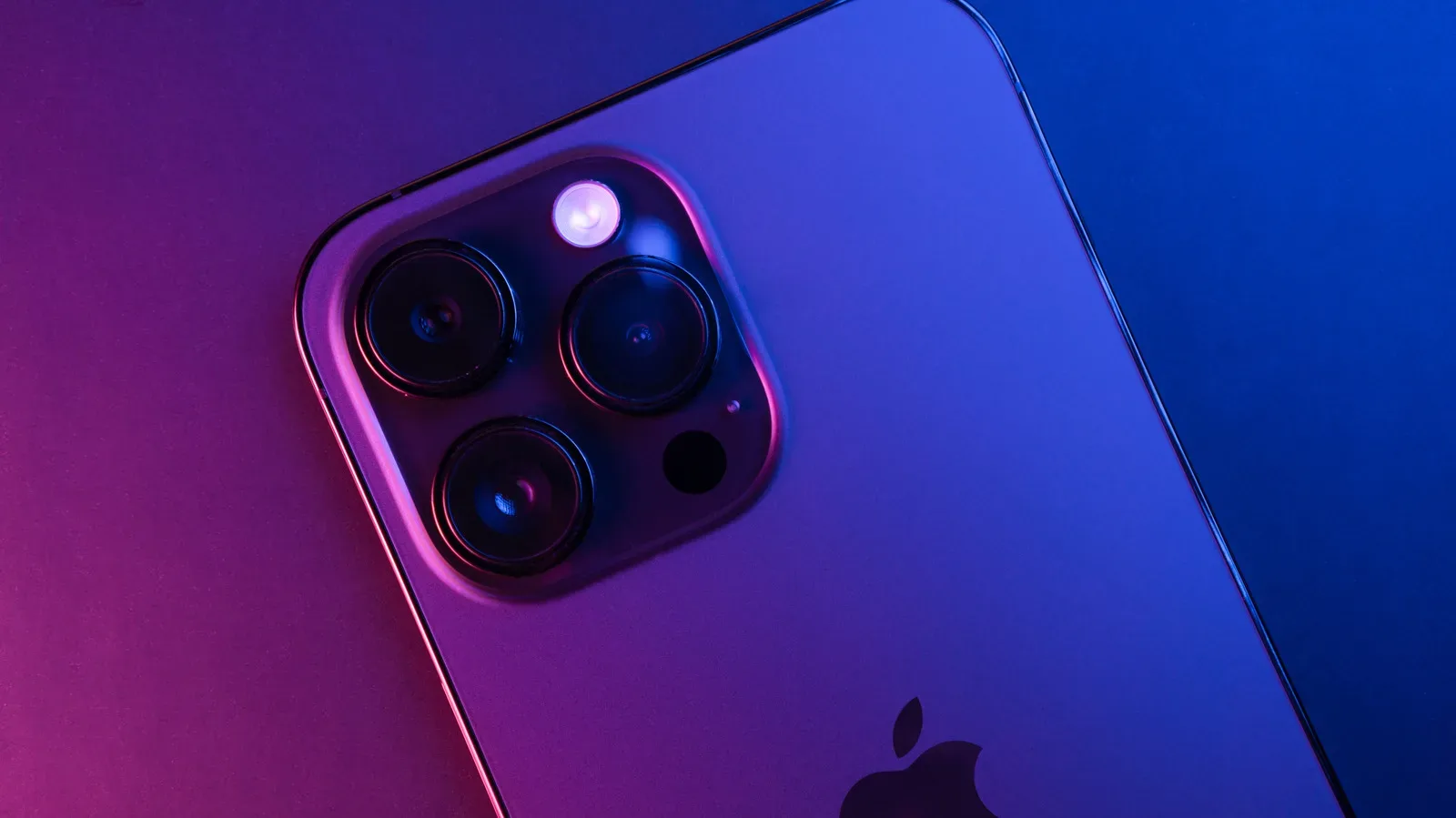
The iPhone Air 2 is associated with the most conspicuous potential revision: a 48-megapixel Ultra Wide camera joining its existing Fusion camera. Dummy units reportedly show two rear lenses positioned horizontally across the camera plateau.
That would matter beyond a bump in the spec list. The original iPhone Air was said to have fewer rear cameras than the less expensive standard iPhone, an awkward trade-off for a model positioned around an unusually thin design. Adding an Ultra Wide lens would give the Air 2 a more conventional two-camera setup and make its choice feel less like “thinness at the expense of basic camera flexibility.”
In plain terms, an Ultra Wide camera uses a broader field of view than a main camera, making it suited to capturing more of a scene from the same spot. The supplied reporting does not establish any image-quality results, focal lengths, software features or video capabilities. Still, the rumored addition would be meaningful for people who value framing options rather than merely counting camera lenses.
The Air 2 is also rumored to use an A20 Pro processor, a 3,500mAh battery and vapor-chamber cooling. The cited battery capacity would be roughly 11% above that of the first Air model. Battery capacity is not the same thing as battery life: screen behavior, processor efficiency, wireless activity and software all influence endurance. It is therefore more accurate to treat 3,500mAh as a potential hardware change, not a promise of a particular number of hours away from a charger.
Why vapor cooling deserves attention
A vapor chamber is a cooling component that helps spread heat across a larger area. In a phone, the practical goal is to manage sustained warmth from demanding work rather than to make a device cold to the touch. Better heat distribution can potentially help a chip maintain performance for longer and can reduce concentrated hot spots, though no performance measurements or thermal targets have been reported for the Air 2.
Its inclusion would be particularly notable in a device defined by a thin form factor. Thin phones have less physical room in which to disperse heat, so the claim suggests an effort to balance the Air line’s design identity with a higher-performance chip. It should not be read as proof that the device will outperform any other model in sustained workloads; the available information only indicates a possible cooling approach.
One analyst expectation has the Air 2 retaining a 6.5-inch display, 12GB of memory and an 18-megapixel Center Stage front camera. It may also add Apple’s C2 modem and N2 wireless chip. A modem handles cellular connectivity, while a wireless chip can support other device connections; the supplied information does not specify standards, speeds, regions or real-world gains for either reported component.
Display reporting is unsettled. Earlier claims suggested the Air 2 might receive a thinner and brighter screen to help create more room for the battery. More recent information instead indicates that display specifications could stay the same, potentially allowing use of existing OLED panel inventory. That reversal is a good example of why rumors should be treated as a moving picture rather than a shopping checklist. At present, the more cautious reading is that a thinner or brighter display is possible but far from established.
There are also reports of weak demand for the original Air and consideration of a lower price for its successor. No price has been supplied, and no decision is confirmed. If true, the strategy would be easy to understand: a lower entry point could put more daylight between Air and Pro while making the slim design appeal to a broader audience.
iPhone 18: familiar exterior, potentially important internals
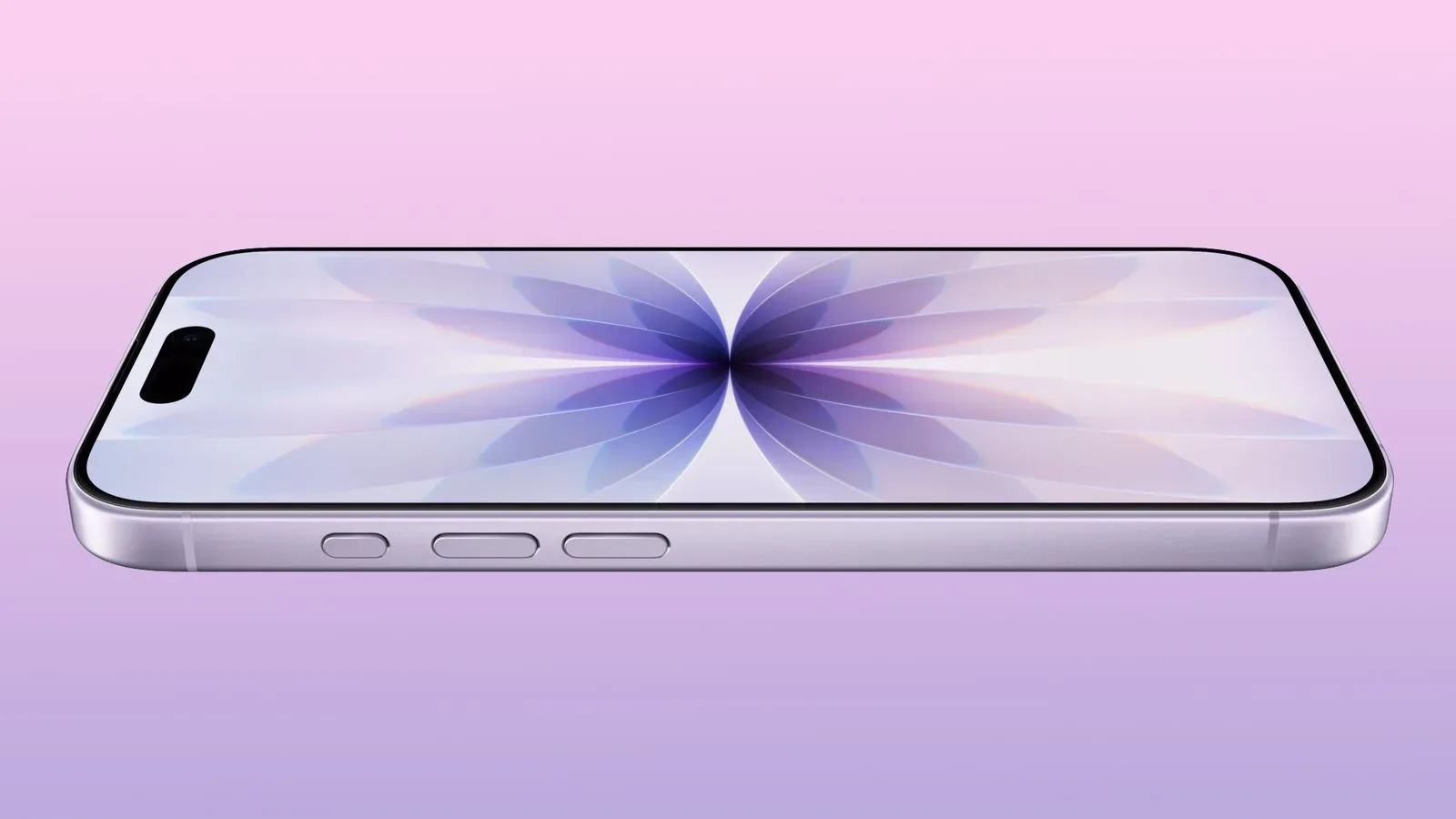
The standard iPhone 18 is expected to retain a generally similar design to the iPhone 17, including a 6.3-inch display and two rear cameras. That does not necessarily mean an insignificant update. The rumored A20 chip, C2 modem, additional memory and possible higher display brightness could make the regular model a substantially different proposition internally while looking familiar on the outside.
Both the A20 and A20 Pro are expected to use a 2nm manufacturing process. The “2nm” label refers to a chip-manufacturing generation, and in this case the reported objective is better performance and power efficiency. It is not a direct measurement of an individual phone’s speed, temperature or battery life. Those outcomes depend on the final chip design and the surrounding device hardware, neither of which has been fully detailed.
Memory is one of the biggest unresolved points. Ming-Chi Kuo has predicted 9GB of RAM for the iPhone 18, while Jeff Pu expects 12GB and a smaller Dynamic Island. RAM is short-term working memory used by active applications and system tasks; more of it can give a device greater headroom for holding tasks in memory, but capacity alone does not define everyday responsiveness.
The distinction may carry particular implications for the reported on-device Siri upgrades. A 9GB configuration is said to fall below the memory needed for enhanced on-device dictation and controls affecting Siri’s vocal expression and pace. “On-device” means processing occurring locally on the phone rather than depending on remote servers for that part of the task. The account does not explain the exact threshold, which capabilities would be unavailable, or whether software alternatives could exist. Still, it creates a potentially meaningful reason to watch the final RAM figure instead of treating it as background technical trivia.
A purported internal diagram indicates a 4,430mAh battery for both the standard iPhone 18 and iPhone 18e. In the iPhone 18, revised speaker and haptic-engine arrangements are reportedly responsible for creating extra room. A haptic engine produces tactile feedback—the small physical sensations that accompany certain taps and interactions. As with the Air 2 battery claim, capacity alone cannot establish eventual endurance.
Separate reporting says the iPhone 18 could gain increased display brightness. Brightness can influence outdoor legibility, but no target level, mode or condition is included in the available information. CAD leaks additionally indicate a thicker camera housing for the iPhone 18 and Air 2. A larger housing can simply reflect the space required by camera hardware; it should not automatically be interpreted as evidence of a particular photographic upgrade.
iPhone 18e may keep the clearest compromises
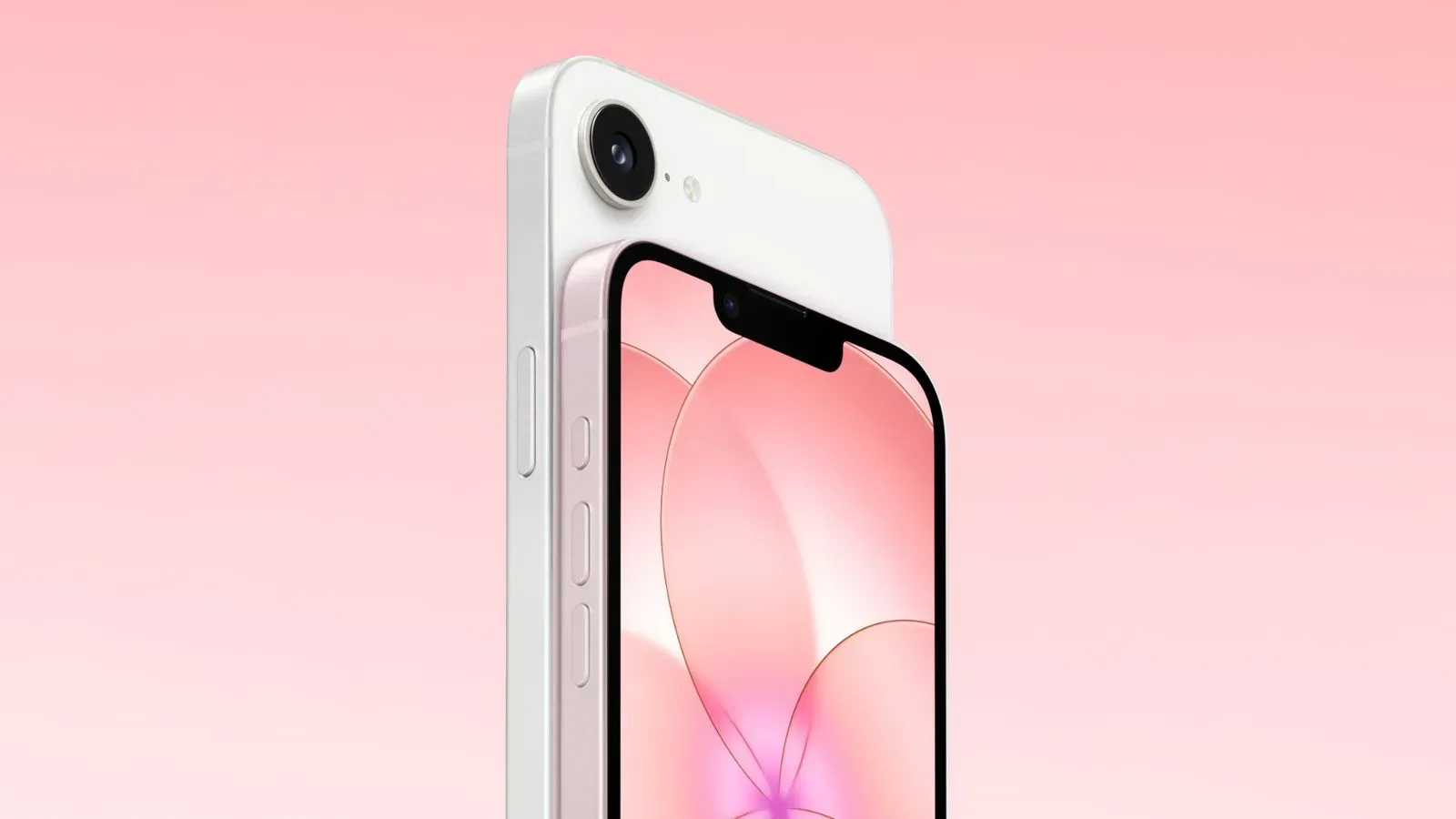
The iPhone 18e is rumored to share the A20 chip and 9GB of RAM with the standard model, yet it may remain visibly more constrained in areas people encounter every day. Current claims point to a 60Hz display, one 48-megapixel rear camera and a rumored front-camera update.
A 60Hz panel refreshes its image 60 times per second. The supplied information does not identify the refresh rate of the other models, so no direct comparison should be assumed here. But the reported 60Hz specification makes clear that the 18e could retain a defined display limit even while receiving the newer A20 processor.
Its single rear camera would also preserve a decisive separation from the rumored two-camera iPhone 18 and Air 2. A newer housing may group the lens, microphone and flash in an iPad Pro-style arrangement, but a revised visual treatment does not change the reported one-camera count. The front camera may be improved, although there are no specifications attached to that claim.
Screen size is another open question. Reports differ on whether the 18e remains around 6.1 inches or grows to 6.3 inches. Until that is resolved, it is too soon to frame the 18e as either a compact alternative or a direct physical match for the standard iPhone 18. The shared 4,430mAh battery rumor makes the disagreement even more noteworthy, since body dimensions and screen characteristics can affect how a capacity figure translates to practical battery life.
What the rumored range would mean for buyers
The early outline suggests Apple may be building differences around more than processor tiers. The Air 2 could be defined by its thin design but lose a major camera disadvantage; the iPhone 18 could be the broadly balanced option with two rear cameras and possible display improvements; and the 18e could offer the newer A20 chip while accepting one rear lens and a 60Hz screen.
For prospective upgraders, the sensible move is not to decide from a single leaked number. Instead, watch for a few answers that would genuinely shape the value proposition:
- Air 2 pricing: A lower price has been considered, but no amount is known.
- iPhone 18 RAM: The difference between the competing 9GB and 12GB claims may affect the reported on-device Siri capabilities.
- Air 2 display changes: Conflicting reports mean its brightness and thinness remain unsettled.
- 18e screen size and front camera: Both are rumored, but neither has a settled specification.
- Final camera hardware: Dummy models and CAD material are informative but not definitive.
Apple’s iPhone position in the United States has also been the subject of recent market reporting; our coverage of the reported 57% share of U.S. smartphone shipments and budget Android pressure provides useful context for why a more distinctly priced Air successor and a specification-conscious 18e could matter.
For now, the headline is not that any one rumored number will decide the lineup. It is that the three devices could represent deliberately different compromises: camera breadth and cooling for Air 2, a familiar-looking but more capable core model in iPhone 18, and updated silicon paired with sharper hardware restraints in iPhone 18e. Confirmation will need to wait, especially where reports contradict each other.