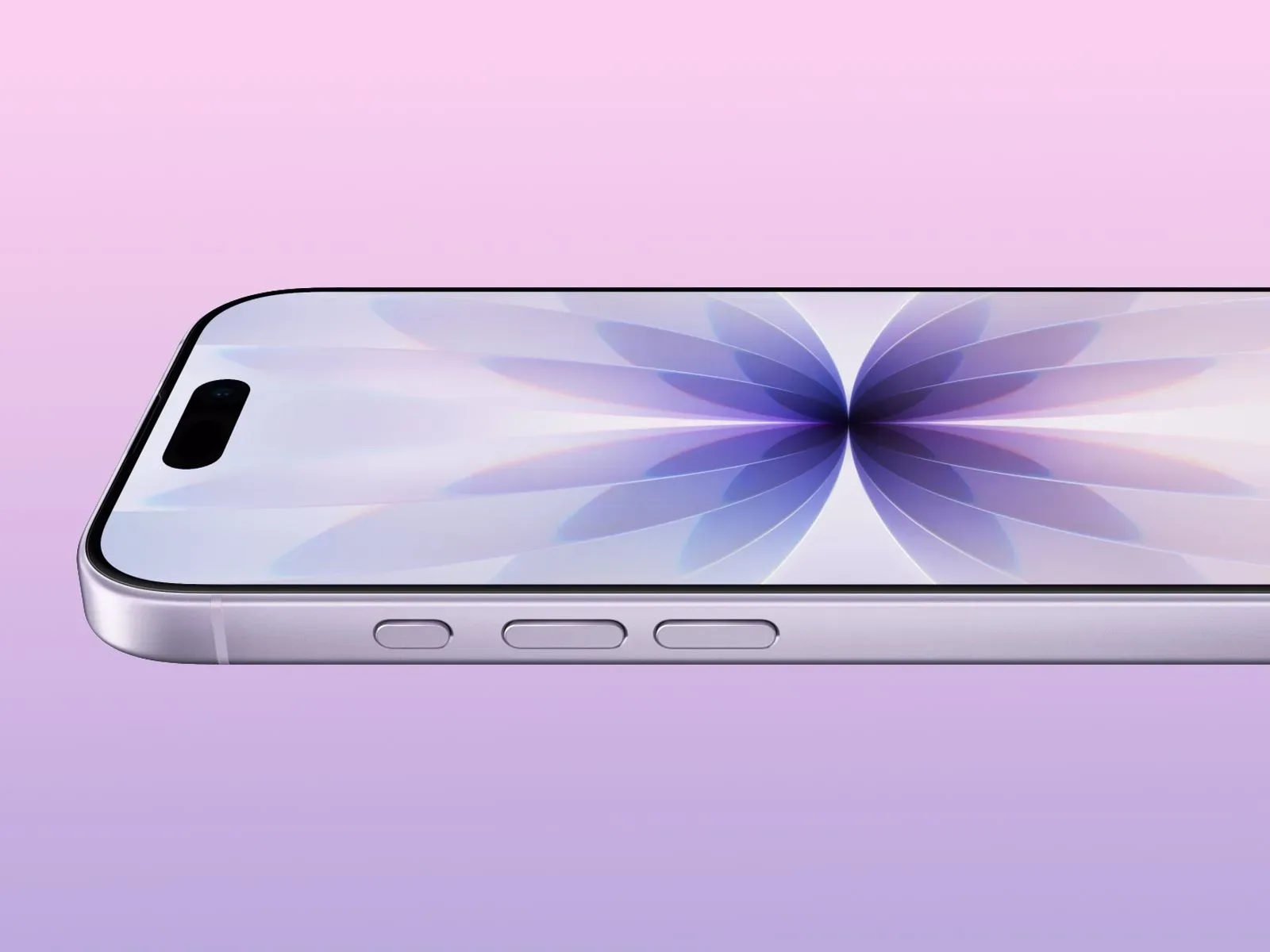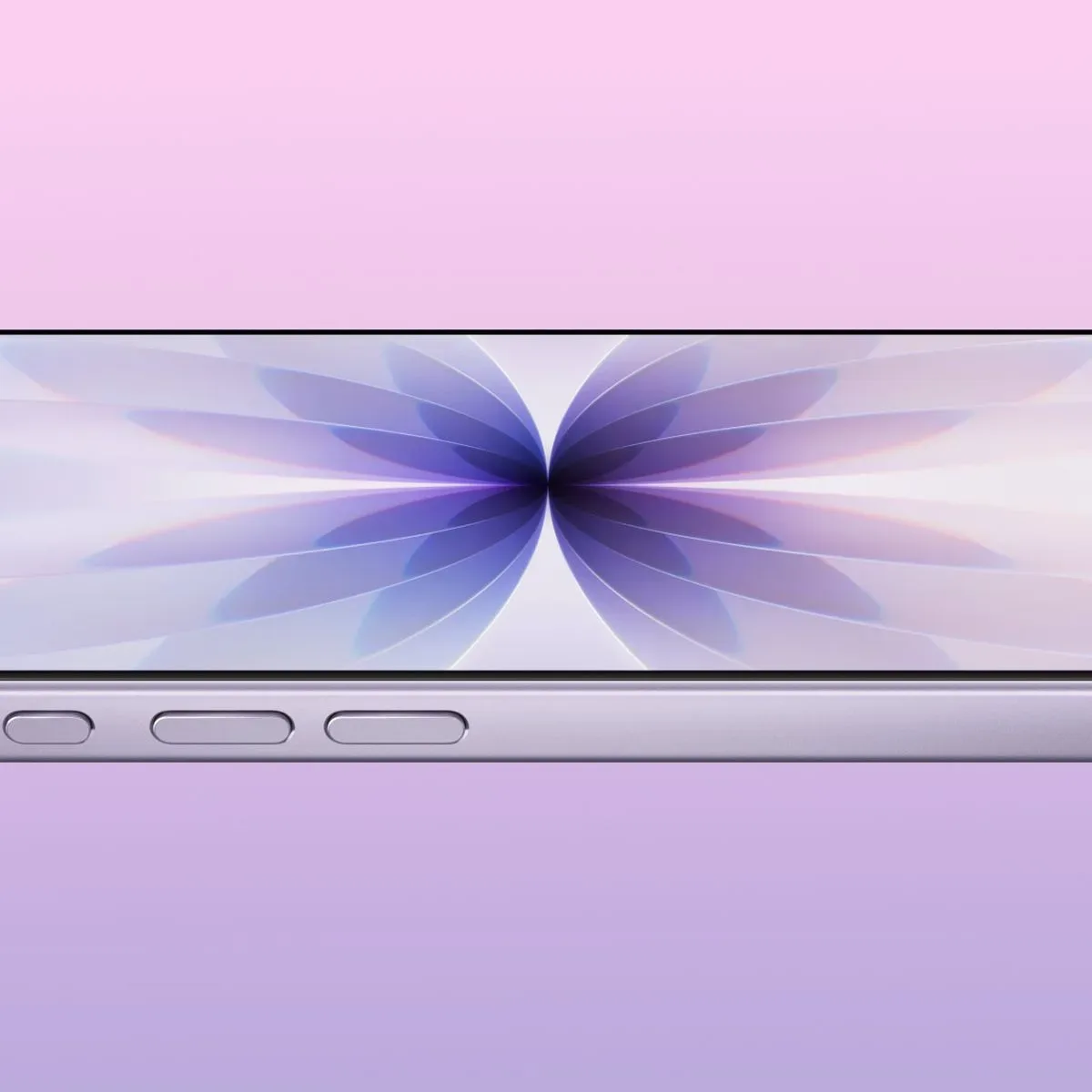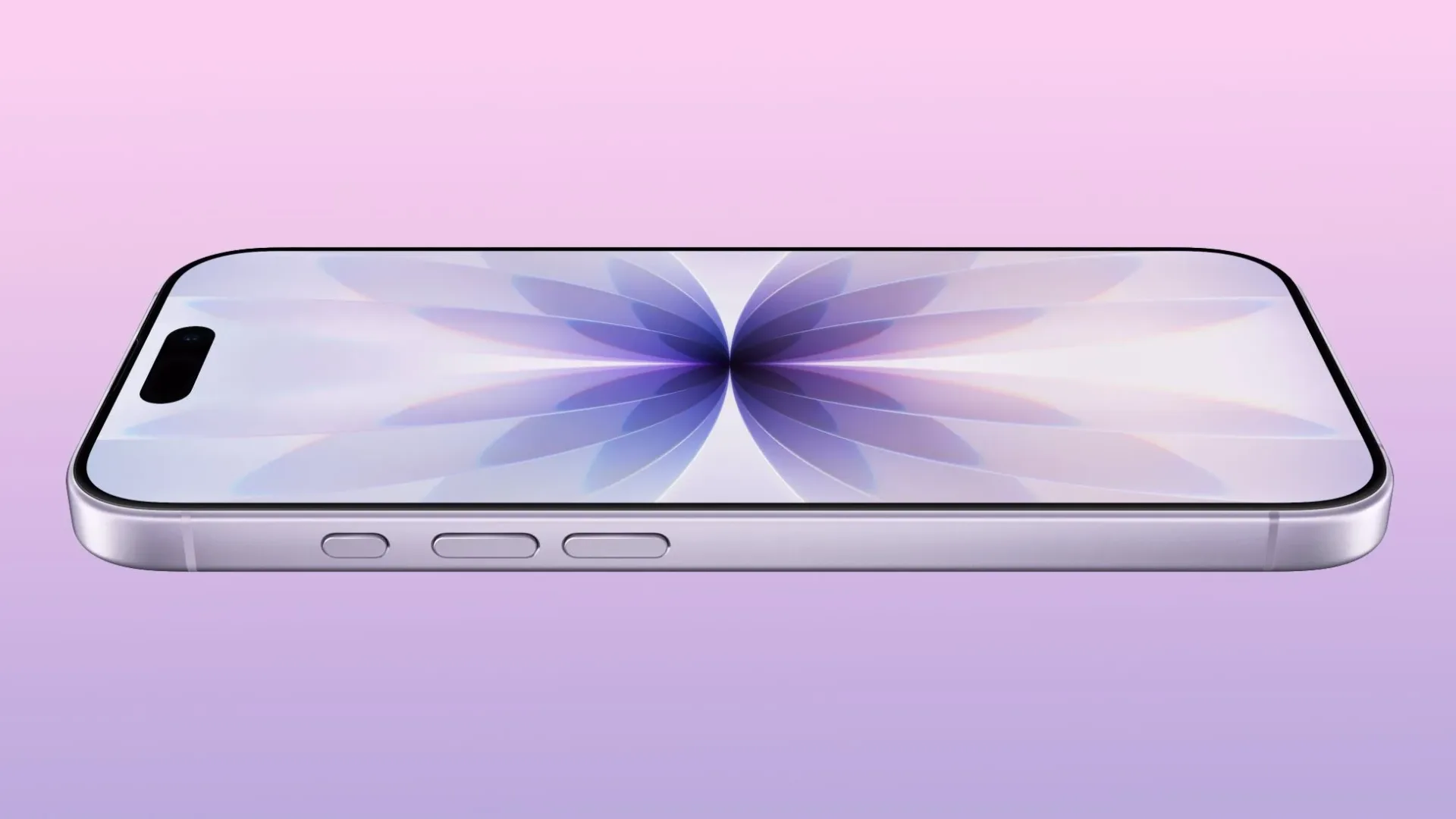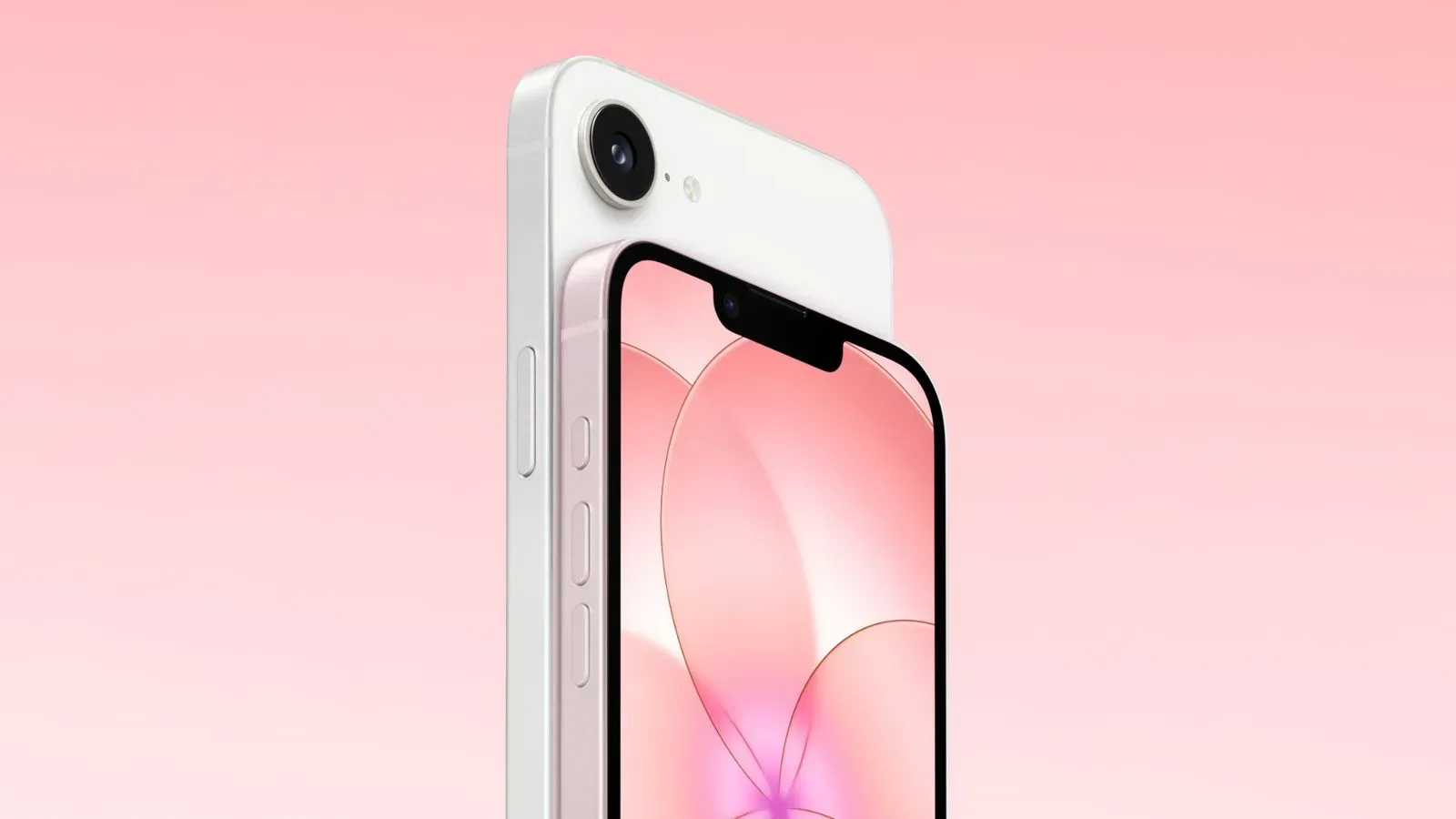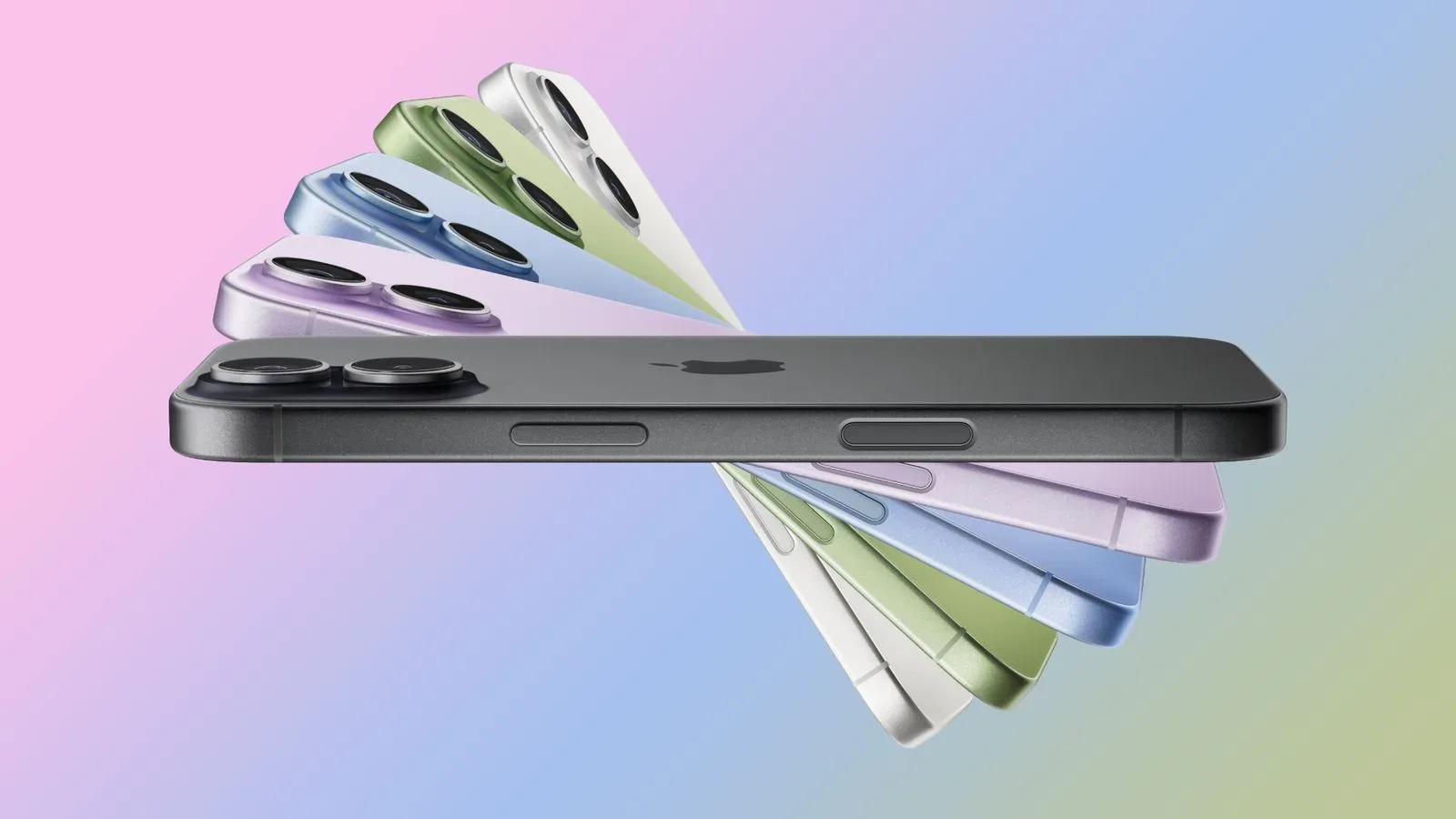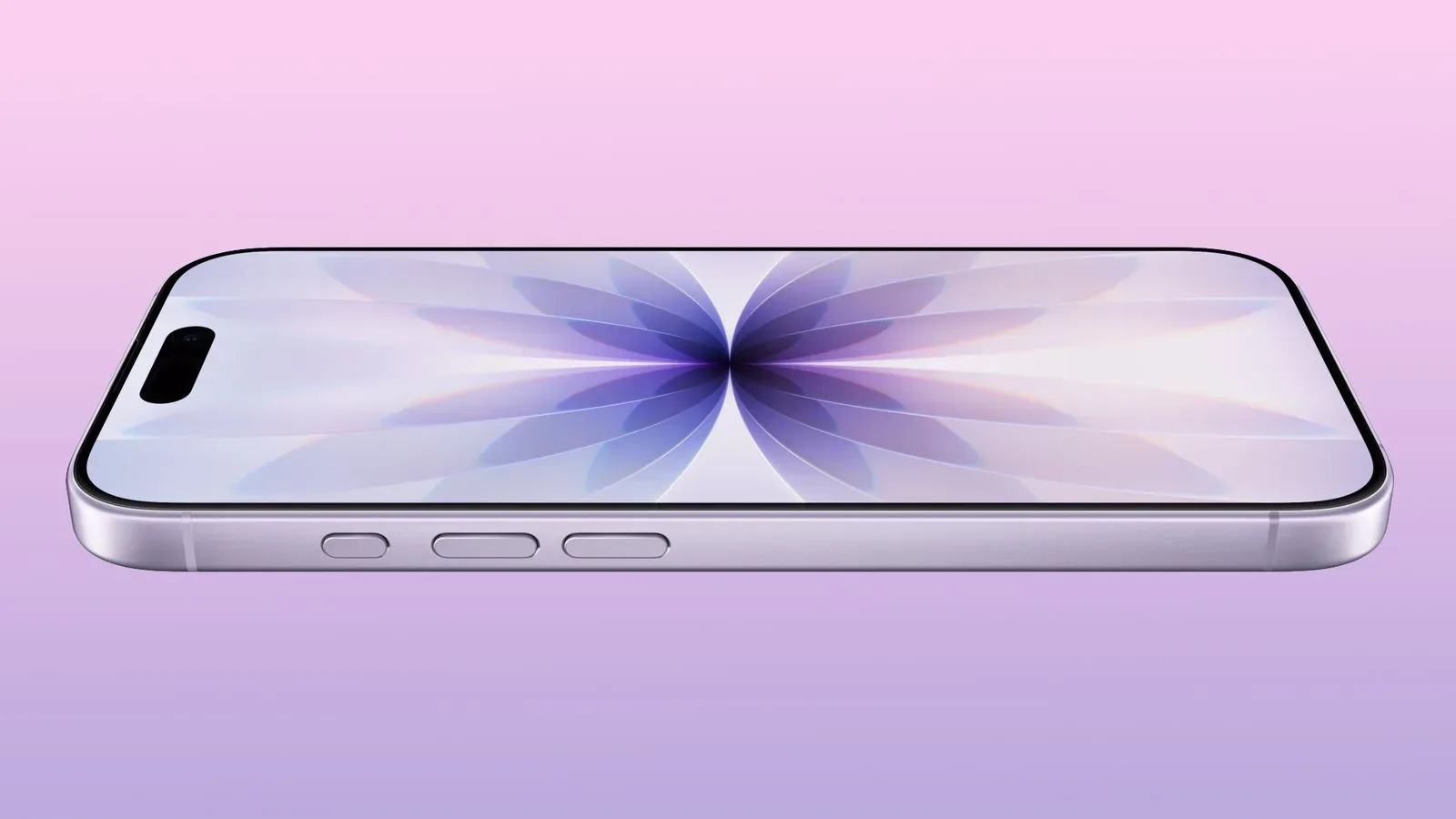
Apple’s next standard iPhone and ultra-slim iPhone Air successor may be moving into a crucial supply-chain stage. OLED panel suppliers are reportedly preparing mass production for the iPhone 18 and iPhone Air 2, with production plans said to align around a possible March 2027 release window.
The report is not confirmation from Apple, and the names, specifications, schedule and supplier assignments described here remain subject to change. Still, display production is a meaningful part of smartphone preparation: screens are among the most important and component-intensive parts of a modern phone, and plans for volume manufacturing can offer a stronger indication of a launch trajectory than isolated feature speculation.
The reported timing also fits a broader claimed change to Apple’s iPhone calendar. Rather than keeping every headline model for one annual autumn launch, Apple is said to be dividing releases between September and spring. Under that reported plan, iPhone 18 Pro models and the iPhone Duo arrived in September, while the regular iPhone 18, iPhone Air 2 and more affordable iPhone 18e are expected in spring.
What the display-production report says
Samsung Display and LG Display are reportedly preparing their OLED-panel output for the iPhone 18 family’s spring-bound models. Mass production is expected to begin in late December and early January. Samsung Display is said to be the exclusive display supplier for the iPhone Air 2.
That sole-supplier claim would make Samsung especially central to the Air 2’s production plans, although it should not be read as a guarantee of an exact on-sale date or final device volume. Component manufacturing and finished-phone availability are separate steps, and plans can move for many reasons.
Apple is also reportedly holding OLED inventory that could be used for the iPhone Air 2. In practical terms, existing panel stock could give Apple some flexibility while it transitions toward fresh production. The report does not specify the size of that inventory, how it would be allocated, or whether it would alter the device’s eventual release schedule.
Meanwhile, Apple is reportedly continuing to prioritize the iPhone 18 Pro and iPhone Duo through the end of the year. The iPhone Duo’s shipping outlook is said to have improved, moving into December from an earlier January 2027 expectation. That detail matters mostly as a sign that the company’s present flagship production remains active while planning advances for the models expected next spring.
Why OLED production is worth watching
OLED, short for organic light-emitting diode, is a display technology in which individual pixels emit their own light. Unlike a conventional LCD, it does not require one separate backlight behind the screen. In broad terms, that architecture is associated with the deep blacks and high contrast people expect from premium phone displays, because a pixel can be switched off rather than merely blocked.
For a phone maker, however, a display is far more than the visible panel. It is a tightly specified component that must be manufactured at scale, integrated into a finished device, and supplied in enough quantity to support a release. Consequently, reports of mass-production preparation are more consequential than a generic suggestion that a phone has entered development. They indicate work may be shifting from early planning toward volume supply.
Even so, a panel-production report should be handled carefully. It does not establish final pricing, storage capacities, colors, regional availability or all technical specifications. Nor does it settle whether every device reaches retail at exactly the same moment. It supports the possibility of a March release, rather than turning that date into a certainty.
A split launch could redefine the waiting game
The central strategic claim is that Apple is separating its flagship iPhone launches across the year. If the reported spring timing holds, shoppers could face a different decision from the familiar assumption that the regular iPhone arrives alongside the Pro tier in autumn.
For buyers interested in the standard iPhone 18 or iPhone Air 2, this could make waiting until spring sensible instead of treating a September purchase as the only major annual decision point. For customers who prioritize the Pro models or the iPhone Duo, the reported schedule suggests those models remain associated with the earlier part of the cycle.
There is a business case for paying attention to the regular and Air models. The report says the standard iPhone and Air models normally represent more than 30% of total iPhone lineup sales, with the standard model selling more than the Air. That makes the alleged spring group significant rather than a minor accessory release: it would contain products that account for a substantial portion of iPhone demand.
The iPhone 18e is also expected in spring as the less expensive option. No hardware details for that model were included in the report, so prospective buyers should avoid assuming it will share every rumored feature attributed to the iPhone 18 or Air 2.
Rumored iPhone 18 upgrades: A20, memory and modem
The standard iPhone 18 is rumored to use Apple’s A20 chip, built on a 2nm process. A process label such as 2nm refers to a semiconductor manufacturing generation, not a literal measurement that consumers should use as a direct performance score. The practical promise is typically a combination of better efficiency and capability, but real-world gains depend on the final chip and the software that uses it.
It is also rumored to have either 9GB or 12GB of RAM, depending on which rumor proves accurate. RAM is working memory: it holds data that apps and the operating system need while they are active. More RAM can potentially help with multitasking and keeping apps available in the background, but it does not independently describe the full speed of a phone. Because the reported capacity is disputed, neither figure should be treated as settled.
Other reported changes include a smaller Dynamic Island and Apple’s C2 modem. The Dynamic Island is the screen area around the front camera and sensor cutout that is used for system status and live activities. A reduction in its size would be a physical and visual design change, although the report does not describe exactly how Apple would change its software behavior.
A modem handles cellular connectivity. The rumored C2 would therefore be relevant to how the phone connects to mobile networks. The report does not provide performance claims, carrier details or supported network specifications, so it would be premature to infer exact connection-speed or coverage improvements from the name alone.
What could set the iPhone Air 2 apart
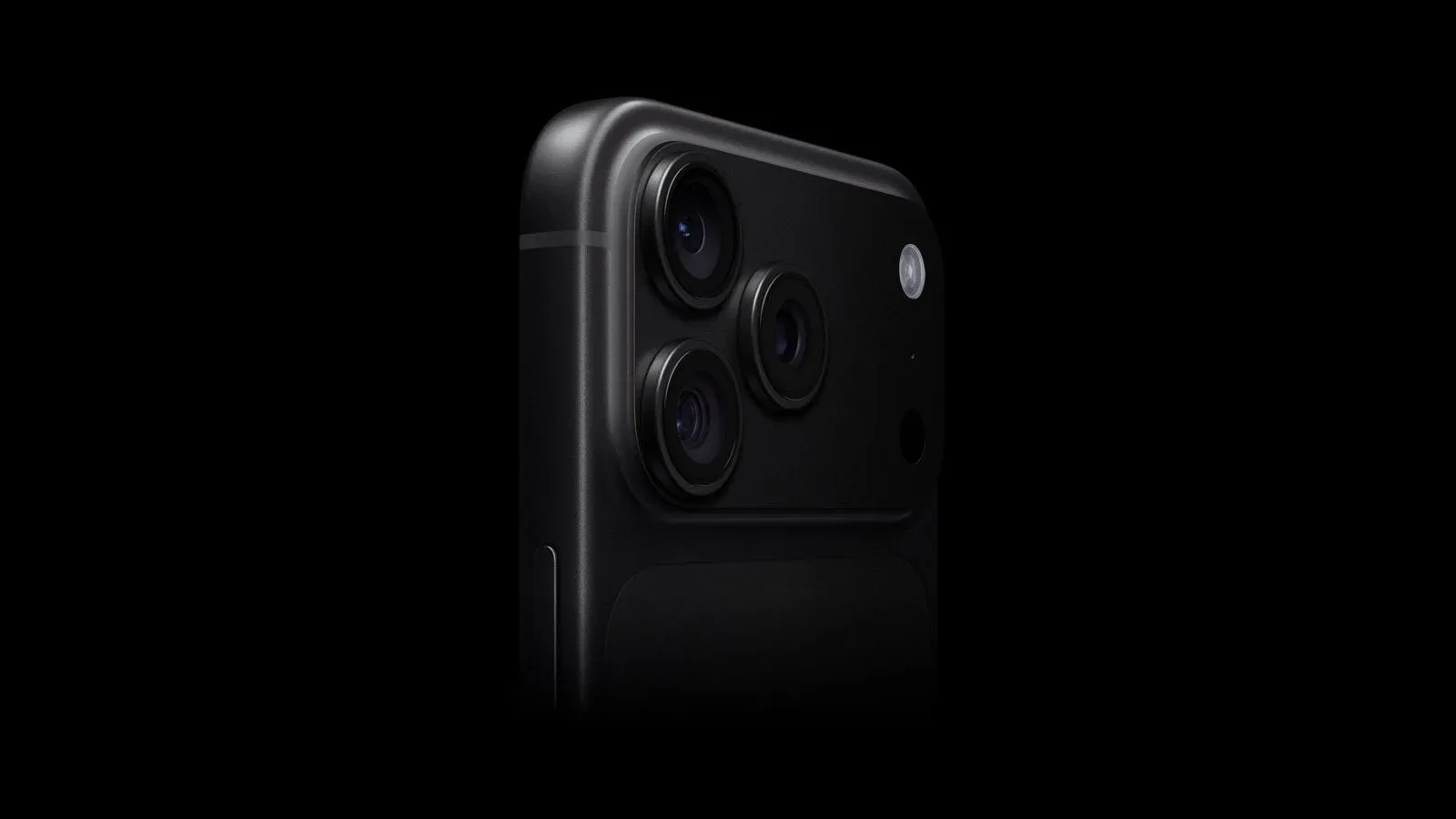
The iPhone Air 2 is expected to receive several of the same underlying upgrades, including the A20 chip, a smaller Dynamic Island and the C2 modem. Its most distinctive rumored change is a second rear camera: an Ultra Wide lens alongside the existing Wide lens.
A Wide camera is the standard rear-camera view used for everyday shots. An Ultra Wide camera captures a broader scene, useful for subjects such as landscapes, architecture or group photos where stepping farther back is difficult. If the additional lens arrives as reported, it would expand the Air line’s camera flexibility without answering every question about image quality; sensor specifications and processing behavior have not been provided.
Battery-life improvements are also expected for the ultra-slim model. This is an especially relevant rumor because thin designs demand careful compromises between physical size, power capacity and heat management. But no battery capacity, test results or usage estimates have been reported, so “improved battery life” should remain an expectation rather than a measurable promise.
The shared A20 rumor is important for another reason. It suggests the Air 2 may not be positioned merely as a style-led alternative. A chip built on the reported 2nm process could aim to improve both speed and efficiency, while the second camera would address a conspicuous functional area. Those are possibilities based on the current report, not confirmed product specifications.
What prospective buyers should take from this now
For the moment, the strongest takeaway is timing rather than a finalized spec sheet. Reported OLED production preparations point toward Apple attempting a spring release for the iPhone 18 and iPhone Air 2, potentially in March 2027. The product details remain rumors, including the memory options, camera arrangement, battery gains and modem.
- Buyers of the regular model: the iPhone 18 is rumored to pair a smaller Dynamic Island with the A20 and C2 modem, but its RAM capacity is not consistently reported.
- Buyers drawn to thin hardware: the Air 2 may gain a second rear camera and better battery life, two areas that could matter more day to day than a minor design change.
- Anyone planning around release dates: mass-production planning is a useful signal, but it is not an Apple announcement. Waiting for finalized specifications is the only way to compare models confidently.
Apple’s wider product direction remains relevant to the phone story as well. The company is reportedly exploring distinct design ideas for a future anniversary handset, including flat and four-sided curved glass concepts, as covered in this look at the rumored 20th-anniversary iPhone. That separate report should not be conflated with the iPhone 18 or Air 2: it simply illustrates that Apple’s future iPhone plans may encompass more than one design and release-track decision.
Until Apple provides official details, the iPhone 18 and iPhone Air 2 are best viewed as reported spring candidates with an increasingly specific supply-chain signal behind them. A late-December to early-January OLED production ramp would support a March target, while the alleged feature list suggests Apple may focus on silicon efficiency, a tighter front-display cutout and—on the Air 2—more versatile cameras and longer endurance.